
折耳根美式咖啡

Search documents
新华视点丨贵州新潮饮品“破圈”出击:创新风味激活消费新动能
Xin Hua Wang· 2026-01-26 08:44
Group 1 - The core idea of the article highlights the success of a local tea brand in Guizhou, which has gained popularity in cities like Nanjing and Hangzhou, leading to long queues of over 3000 cups and wait times of nearly 9 hours during its store openings [1][3][4] - The brand utilizes local ingredients such as prickly pear juice and matcha, purchasing over 100 tons of prickly pear juice and 20 tons of matcha annually, thereby contributing to rural revitalization [3][6] - This "local flavor" tea not only represents taste innovation but also serves as a cultural carrier for Guizhou's products, redefining the value of a cup of tea through the integration of new tea drinks, cultural tourism, and rural revitalization [4][6] Group 2 - Guiyang is recognized as the "Coffee Champion City" in Southwest China, boasting over 3000 coffee shops for a population of around 6 million, resulting in a density of one coffee shop for every 2000 residents [8][10] - The city's coffee industry has rapidly developed, producing numerous champions in both international and domestic coffee competitions, showcasing a unique blend of local flavors and coffee styles [10][11] - The emergence of craft beer culture in Guiyang, with approximately 1200 craft beer bars, reflects a new lifestyle trend among young consumers, emphasizing the emotional value of these beverages [13][16]

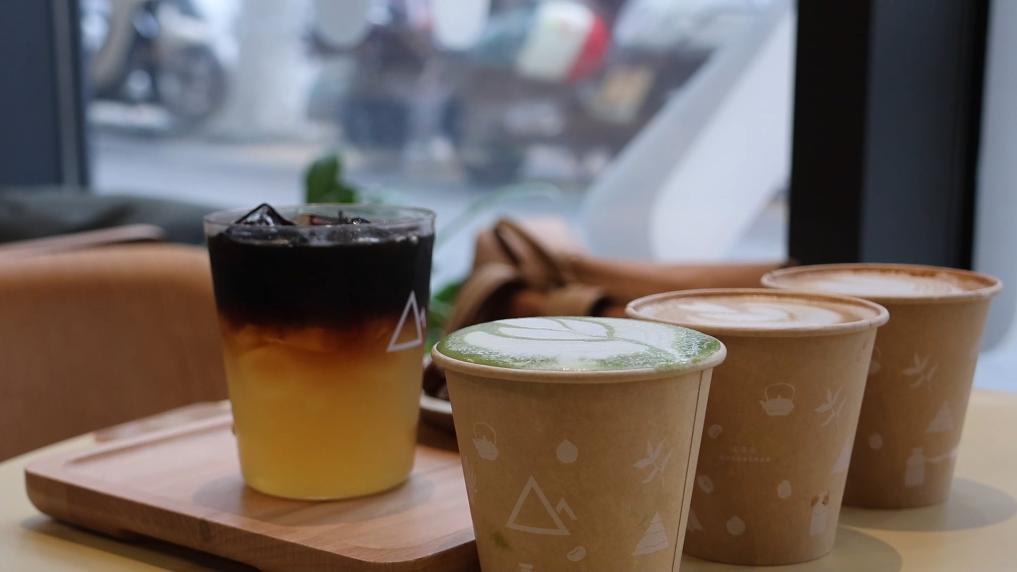
贵阳成咖啡之城,每2000人有一家咖啡店
21世纪经济报道· 2025-09-29 15:19
Core Viewpoint - Guiyang is emerging as a new "Coffee City" in China, attracting attention for its unique coffee culture and independent coffee shops, despite lacking traditional advantages in coffee production and branding [1][4]. Group 1: Guiyang's Coffee Culture - Guiyang has a remarkable density of coffee shops, with one for every 2,000 residents, and has produced over ten national coffee champions [1]. - The city has become a popular tourist destination, with nearly 20 million views on coffee-related topics on social media platforms like Xiaohongshu [1]. - Local coffee shops emphasize unique flavors, such as the "Zhe'er Gen Americano," which incorporates local ingredients, showcasing the integration of coffee with local culture [4][6]. Group 2: Factors Contributing to Success - The low presence of chain coffee brands allows independent coffee shops to thrive, fostering a community-driven culture of skill sharing and innovation among baristas [4][6]. - The training culture in Guiyang's coffee scene is characterized by high-frequency practice and competition, contributing to the city's reputation for quality coffee [4][6]. Group 3: Challenges Ahead - The rapid increase in independent coffee shops may dilute customer bases, as the local population of 6.6 million may not sustain such density [6][7]. - There is a shortage of skilled operational talent in areas such as branding and supply chain management, which poses challenges for the growth of coffee shops [7]. - Guiyang's inland location results in logistical challenges for sourcing coffee beans, leading to higher costs and longer delivery times compared to coastal cities [7]. Group 4: Future Directions - Guiyang aims to establish a stable value-creating coffee industry chain to drive economic growth, with initiatives like the establishment of the Guiyang Coffee Industry Association and the launch of a bilingual coffee map [10][12]. - The city is focusing on integrating coffee with cultural tourism to redefine its image and attract younger consumers, leveraging coffee as a tool for modern cultural expression [12]. - The development of supportive policies and infrastructure is essential for Guiyang to transition from a "story city" to an "industry city" in the coffee sector [10][12].
坐拥3000多家咖啡馆 新晋“咖啡之城”贵阳走差异化发展之路
Zhong Guo Chan Ye Jing Ji Xin Xi Wang· 2025-08-11 05:35
Core Insights - Guiyang, located in Southwest China, has rapidly developed into a "Coffee City" with over 3,000 coffee shops, making it one of the cities with the highest coffee shop density in the country [1][2][10] Coffee City - Within a 3-kilometer radius, there are more than 20 specialty coffee shops, attracting tourists who seek hidden gems [2] - Guiyang has a population of approximately 6 million, resulting in a coffee shop density of about 2,000 people per shop, surpassing Shanghai's density of around 3,000 people per shop [2] - The coffee culture in Guiyang has been nurtured since 2005, with the introduction of specialty coffee shops like "Yue Reading Time" and "Soil Coffee" [2][3] - The rise of coffee consumption in Guiyang is attributed to the local population's willingness to spend on self-indulgence, ranking in the top five nationally [2] Coffee Soil - Local coffee shop owners emphasize enhancing their professional skills, contributing to a unique "coffee soil" that fosters numerous coffee-related stories [6] - The community coffee shop "Heishi Coffee" has seen a resurgence since 2018, with a daily cup output exceeding 300 during peak times [5] - "Hengguan Coffee" owner Liu Kaisheng transitioned from a barista to a professional roaster, establishing a dedicated roasting studio [5][6] Diverse Coffee Scene - Guiyang's specialty coffee shops exhibit a flourishing diversity, with baristas specializing in various coffee disciplines such as brewing, roasting, and latte art [7] - Innovative offerings, such as "Heishi Coffee's" unique pairing of local ingredients with coffee, have become market hits [8] - Cross-industry collaborations are emerging, with coffee shops integrating themes like bookstores, cat cafes, and art spaces, enhancing the coffee culture [9]