精品咖啡

Search documents
曾经的“中产三件套”,被云南干成土特产
吴晓波频道· 2026-03-29 00:29
Core Viewpoint - The article emphasizes the transformation of the blueberry market in China, particularly in Yunnan, where the production of blueberries has surged, making them more affordable and accessible to the middle class, thus redefining their status from luxury to common fruit [5][12][19]. Group 1: Blueberry Market Dynamics - Blueberries have become a prominent fruit in supermarkets, with large sizes and affordable prices, challenging previous perceptions of them as a luxury item [2][5]. - The cultivation area for blueberries in China is projected to increase from 96,000 hectares in 2024 to 110,000 hectares in 2025, with an expected production increase of nearly 180,000 tons [12]. - Yunnan province has emerged as a leading region for blueberry production, contributing 22% of the national output, with a 510% increase in production over four years [14][19]. Group 2: Agricultural Innovations - Modern agricultural techniques, such as LED lighting, substrate cultivation, and integrated water and fertilizer systems, have significantly boosted blueberry yields [16][17]. - The introduction of new blueberry varieties, like the "fragrant blueberry," caters to consumer preferences for taste and health, while also extending the harvest season [17][19]. - Over 3,000 domestic and international companies have invested in Yunnan's blueberry industry, indicating strong market interest and growth potential [18]. Group 3: Broader Agricultural Trends - The article also highlights the rising trend of coffee consumption in China, with a projected annual growth rate of 15%, and the increasing popularity of Yunnan coffee as a cost-effective alternative [22][28]. - Yunnan's flower industry is experiencing a similar transformation, with advancements in technology and logistics enabling rapid delivery and lower prices, thus democratizing access to flowers for consumers [30][32]. - The combination of these agricultural developments reflects broader trends in technology, supply chain efficiency, and consumer behavior in China, showcasing a shift towards more accessible luxury goods [32][34].


咖啡界已揭晓 The World’s 100 Best Coffee Shops 榜单
Globenewswire· 2026-02-17 20:53
Group 1 - The second edition of The World's 100 Best Coffee Shops list was announced at the CoffeeFest Madrid 2026, highlighting the rise of emerging coffee capitals globally and the increasing diversity and innovation within the international coffee community [2][3] - The United States leads the list with 9 coffee shops, followed by Australia with 7, Peru with 5, and Spain, Honduras, and Taiwan each with 4 [4][5] - The ranking aims to provide greater visibility to coffee shops worldwide and reflects a growing trend in coffee culture [2][5] Group 2 - Onyx Coffee Lab from the United States was awarded the title of the best coffee shop globally, recognized for its commitment to quality, innovation, and strong connections within the coffee industry [3][4] - The evaluation process involved over 800 professional judges and more than 350,000 public votes, analyzing over 15,000 coffee shops worldwide [5][6] - The judging criteria include coffee quality, barista skills, customer service, innovation, space design, sustainability practices, and food quality [8]
靠匠心反内卷,皮爷中国稳扩店且实现双位数增长
Sou Hu Wang· 2026-02-14 09:18
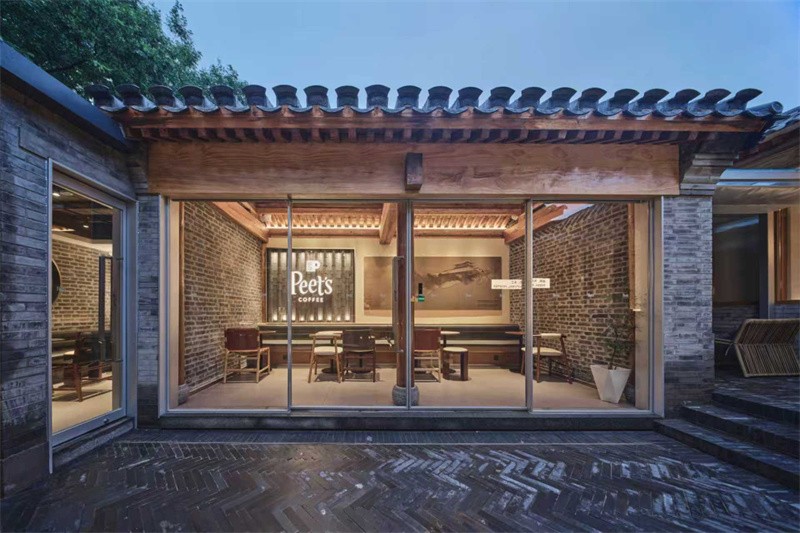
Core Insights - The Chinese coffee market is entering a new reshuffling phase, with the market size expected to reach 218.1 billion yuan by 2025, and the fresh coffee segment projected to exceed 188 billion yuan, becoming the mainstream coffee category within three years [1] - In this competitive landscape, Peet's Coffee (Peet's) has reported high double-digit sales growth in China, with nearly 300 stores by the end of 2025, adding almost 200 stores in three years, covering nearly 40 cities [1][3] - Peet's commitment to quality and local innovation has allowed it to outperform industry averages, providing a model for sustainable growth in the reshaping Chinese specialty coffee sector [1][9] Market Dynamics - The coffee market is experiencing a price war, with brands using low pricing strategies to gain market share, leading to adjustments in subsidy strategies among leading chains [1] - Peet's Coffee has chosen a different approach, focusing on quality through small-batch roasting and local sourcing, which creates a quality barrier that is hard to replicate [3][9] Product Strategy - Peet's emphasizes product quality, with 100% local roasting in China to ensure flavor stability and freshness, and requires extensive training for its roasters [3][4] - The brand has successfully established a stable consumer recognition and repurchase base for its core coffee bean series, which ranked among the top three in e-commerce during the 2025 Double 11 shopping festival [4] Experience and Innovation - Peet's maintains a high-quality coffee experience by using ceramic and glass cups instead of disposable ones, enhancing the overall customer experience [6] - The company continues to invest in high-end product lines, introducing premium offerings like the Jamaica Blue Mountain tasting set, which reinforces its professional image in the specialty coffee sector [6][8] Channel Strategy - Peet's has adopted an omnichannel strategy, with online sales growing nearly 40% year-on-year, leveraging live streaming and e-commerce to boost sales [10][12] - The brand's product matrix now covers various consumption scenarios, including home, office, travel, and gifting, creating a more flexible consumption structure [12] Brand Positioning - Peet's Coffee focuses on high-end positioning, building long-term value through product quality, store experience, and brand culture, rather than engaging in price wars [15] - The company has deep localized operational capabilities, allowing it to respond quickly to local consumer trends and invest in the Chinese coffee supply chain [15]
走出一条从“论吨卖”到“论杯品”的产业跃升之路 “云咖”升链(三餐四季)
Ren Min Ri Bao· 2026-01-22 21:55
Core Viewpoint - Yunnan coffee industry is transitioning from a low-value commodity market to a high-value specialty coffee market, leveraging its unique geographical advantages and improving quality standards [1][4][10]. Group 1: Industry Overview - Yunnan province has approximately 1.2 million acres of coffee plantations, producing over 150,000 tons, accounting for over 98% of China's coffee output, with an agricultural output value nearing 5 billion yuan [1]. - In the first 11 months of 2025, Yunnan exported coffee and related products worth 840 million yuan, ranking first in the country [1]. - The coffee industry in Yunnan is evolving from bulk sales to a focus on quality and branding, indicating a significant shift in market strategy [1][10]. Group 2: Challenges and Opportunities - Historically, Yunnan coffee farmers faced low bean prices, leading to a decline in production and even abandonment of coffee trees for other crops [2]. - The pricing power of Yunnan coffee is largely dependent on international coffee futures, with Yunnan's share in the global coffee supply being less than 2% [2]. - The predominant coffee variety grown in Yunnan is the Catimor hybrid, which, while high-yielding and disease-resistant, struggles to achieve top-tier quality [2][3]. Group 3: Strategic Initiatives - Yunnan is focusing on developing specialty coffee by optimizing planting varieties and supporting regions above 1,100 meters in elevation for premium coffee production [4]. - Policies introduced in August 2022 aim to enhance the quality and processing rates of coffee, including the establishment of modern processing centers and the promotion of regional brands [4][5]. - The introduction of innovative coffee varieties, such as the "Dezhe 132," has shown promising economic benefits and improved quality characteristics [5]. Group 4: Technological Advancements - The processing of coffee is being modernized, with automated sorting and grading systems ensuring consistent quality and flavor [6]. - Environmental concerns are being addressed through the development of water-efficient processing technologies, significantly reducing water usage in coffee processing [6]. - The utilization of coffee by-products, such as coffee peel tea, is enhancing the overall value of coffee production, with market prices for these products reaching 300 to 400 yuan per kilogram [7]. Group 5: Branding and Talent Development - Yunnan's coffee brands are gaining recognition, with local competitions like the "Excellence Cup" showcasing high-quality beans and increasing brand visibility [8]. - The establishment of a "Coffee Science and Engineering" undergraduate program at Yunnan Agricultural University is aimed at cultivating talent for the coffee industry [9]. - Local governments are implementing training programs to develop skilled professionals in the coffee sector, contributing to job creation and industry growth [9].
现饮市场争夺加速:“价格之战”变“资本之战”
Zhong Guo Jing Ying Bao· 2026-01-19 06:03
Group 1 - The year 2025 is significant for China's ready-to-drink tea industry, with many new tea brands planning to go public and the coffee sector experiencing mergers and acquisitions [1][2] - The coffee market is characterized by four core features: market expansion, price stratification, rapid store openings, and the rise of local brands, with international brands like Starbucks seeking local partnerships [1][2] - New tea brands are shifting from rapid expansion to focusing on quality and customer loyalty, especially in overseas markets like North America [1][2] Group 2 - Several new tea brands, including Gu Ming and Mi Xue Group, are preparing for IPOs in 2025, contributing to a wave of capital influx in the industry [2] - In the coffee sector, Starbucks China is collaborating with Boyu Capital to expand its store count to 20,000, marking a significant strategic shift [2][3] - Luckin Coffee has become a dominant player with 29,214 stores globally, surpassing Starbucks in terms of store count and revenue [4][5] Group 3 - The competition in the coffee market is intensifying, with brands like Luckin Coffee and Manner Coffee adopting aggressive expansion strategies [5][6] - The focus is shifting towards high-traffic locations in first and second-tier cities, while brands are also investing in premium coffee segments [6] - The entry of Boyu Capital is expected to enhance Starbucks' market presence, particularly in smaller cities and emerging regions [6] Group 4 - The new tea drink sector is facing challenges, including a wave of store closures, with a reported net decrease of 16,000 tea shops in the past year [8] - Brands are competing aggressively in the low-price segment, with many products priced below 10 yuan [8][9] - New tea brands are also exploring international markets, particularly in North America and Latin America, to find new growth opportunities [9][10]
走出大山 云南咖啡何以从“红果”走向“红火”?
Yang Shi Xin Wen Ke Hu Duan· 2026-01-14 08:23
Core Viewpoint - The "14th Five-Year Plan" emphasizes the cultivation of rural specialty industries, improving mechanisms to connect farmers, and promoting stable income growth for farmers, exemplified by the coffee industry in Nujiang Lisu Autonomous Prefecture, which has transformed the lives of local residents [1] Group 1: Coffee Industry Development - The coffee harvest season in Nujiang is marked by vibrant red coffee cherries, with local farmer Qiao Yuguang leading the way in coffee cultivation and processing [2][4] - Qiao Yuguang established a cooperative to support local farmers by providing coffee seedlings and promoting coffee cultivation, which has led to increased sales and enthusiasm among villagers [4][10] - The price of coffee has been rising annually, with farmers like Zuo Jie reporting earnings of over 40,000 yuan per year from coffee sales [6] Group 2: Branding and Market Expansion - Qiao Yuguang aims to create a brand for Nujiang coffee, moving beyond being a raw material supplier to establishing a unique identity for local coffee [6][10] - He actively participates in coffee exhibitions nationwide to expand market reach and has developed a "wall of honor" showcasing his participation [8] - The number of self-developed coffee brands in Nujiang has reached 16, with a focus on improving quality and brand recognition [10] Group 3: Economic Impact and Employment - The area under coffee cultivation in Nujiang has increased significantly, from 0.68 million mu to 61,000 mu, with total output value rising from over 40 million yuan to 576 million yuan, benefiting over 11,200 coffee workers [17] - The local coffee industry has created diverse consumption scenarios, with the number of coffee shops increasing to 62, and training programs for baristas being fully booked [17] - The integration of coffee production with tourism is attracting young people back to the region, contributing to local economic growth [13][19] Group 4: Technological Innovation and Future Plans - The coffee association plans to collaborate with research institutions to address processing challenges and implement AI algorithms for quality control [12] - The "15th Five-Year Plan" aims to enhance the quality and branding of Nujiang coffee, with a target of 80% of production focusing on premium coffee [10][28] - The coffee industry in Yunnan is projected to continue its growth, with a focus on technological innovation and collaboration with RCEP countries to establish a national coffee industry hub [28]

上海精品咖啡三巨头,有一家创始人已被限高
Sou Hu Cai Jing· 2025-12-13 06:45
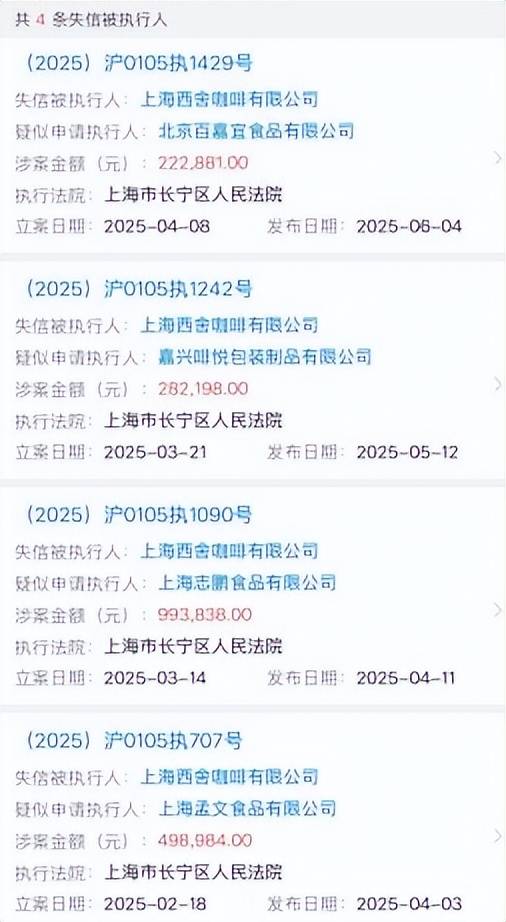
Core Viewpoint - The article discusses the decline of Seesaw, once a leading brand in the Shanghai coffee market, highlighting its struggles with store closures, a shrinking customer base, and the founder facing restrictions on high consumption, contrasting its past prestige with its current challenges [1][5][12]. Group 1: Market Dynamics - Seesaw was once a prominent player in the specialty coffee market with over 100 stores and more than 2 million members, but by April 2025, it is projected to have only about 60 stores remaining, nearly halving its presence [5][10]. - Competitors like Luckin Coffee and Manner have adopted aggressive pricing strategies, with Luckin normalizing a price point around 10 yuan, leading to significant expansions, including nearly 7,000 new stores for Luckin in 2024 and a 51% increase in Manner's store count [7][10]. - The coffee market is shifting towards a focus on affordability and convenience, with consumer preferences moving from brand prestige to price sensitivity and proximity [9][19]. Group 2: Seesaw's Challenges - Seesaw's brand identity has wavered, attempting to appeal to both high-end consumers and the mass market without successfully adjusting its pricing strategy, leading to a loss of appeal among both demographics [12][13]. - The company expanded aggressively from 7 stores in 2017 to over 160 by the end of 2022, but this rapid growth has resulted in operational difficulties and a failure to maintain profitability, leading to a significant number of store closures [15][16]. - Management challenges have increased as Seesaw expanded across multiple cities, resulting in operational inefficiencies and financial disputes, including wage arrears and supplier payment issues [16][17]. Group 3: Future of Specialty Coffee - The article suggests that the future of specialty coffee brands lies in redefining their business models to focus on smaller, more sustainable operations rather than aggressive expansion [21]. - It emphasizes the need for specialty coffee brands to target a niche market with higher quality expectations, maintain a manageable number of stores, and create a compelling value proposition that resonates with core customers [21][23]. - The experience of Seesaw serves as a cautionary tale for emerging brands, highlighting the importance of understanding customer boundaries, controlling growth impulses, and establishing a viable business model over mere expansion ambitions [23].
八年“联姻”走到十字路口,雀巢或剥离蓝瓶咖啡
Guan Cha Zhe Wang· 2025-12-03 10:29
Core Viewpoint - Nestlé is collaborating with JPMorgan to conduct a strategic assessment of its premium coffee brand, Blue Bottle Coffee, with the potential sale of the brand being a central topic of discussion [1] Group 1: Company Background - Blue Bottle Coffee, founded in 2002 by James Freeman, emerged from a desire for fresher coffee and quickly gained popularity, leading to its first physical store opening in San Francisco in 2005 [3] - The brand is known for its strict quality control and minimalist aesthetic, which has drawn comparisons to Apple in the coffee industry, attracting the attention of Nestlé [3] Group 2: Acquisition and Performance - In September 2017, Nestlé acquired a 68% stake in Blue Bottle Coffee for $500 million, valuing the company at over $700 million at that time [5] - Following the acquisition, Blue Bottle Coffee was expected to maintain operational independence while expanding its store count from 29 to 55 by the end of 2017 [5] - Despite initial optimism, Blue Bottle Coffee has not achieved the anticipated growth, with only about 140 stores globally as of August this year, indicating slow expansion [5] Group 3: Market Challenges - The trajectory of Blue Bottle Coffee in the Chinese market exemplifies its challenges, where initial excitement has waned, and competition from local brands has intensified [7] - The brand's first store in mainland China opened in February 2022, generating significant initial interest, but has since struggled to maintain customer traffic [7] Group 4: Strategic Review and Future Outlook - The potential sale of Blue Bottle Coffee is part of a broader strategic review under Nestlé's new CEO, aimed at simplifying the company's business portfolio and moving away from capital-intensive retail operations [11] - The estimated valuation for the potential sale of Blue Bottle Coffee is expected to be lower than the $700 million valuation at the time of acquisition, with a possibility of separating the brand from its physical café operations [11] - The future of Blue Bottle Coffee remains uncertain, marking a significant turning point in its eight-year relationship with Nestlé [11]


咖啡资本局I Manner 再次回应赴港上市传闻;京东推现制七鲜咖啡,价格低到6元多
Sou Hu Cai Jing· 2025-11-19 04:52
Group 1: Manner Coffee's IPO Consideration - Manner Coffee is reportedly considering an IPO in Hong Kong as early as 2026, aiming to raise several hundred million dollars with a valuation of up to $3 billion [1][3] - This is not the first time Manner has been rumored to go public; similar speculation arose in 2021, but the founder denied any plans for an IPO at that time [1][3] Group 2: Manner Coffee's Business Overview - Founded in 2015 in Shanghai, Manner Coffee is positioned as a premium coffee chain and is part of Shanghai Yinhai Industrial Co., Ltd [3] - Manner has received significant investment, with four rounds of financing between December 2020 and June 2021, involving investors like H Capital, Meituan Longzhu, ByteDance, and Temasek [3] - As of November 13, 2025, Manner operates 2,234 stores nationwide, ranking sixth among coffee brands in terms of store count, significantly behind leaders like Luckin Coffee and Starbucks China [3] Group 3: Seven Fresh Coffee by JD - JD has launched a new coffee brand called "Seven Fresh Coffee," emphasizing the use of fresh milk and aiming to provide healthier coffee options [7][9] - The brand is expanding rapidly in Beijing, opening 3 to 5 new stores weekly, with plans to cover major urban areas by the end of the year [7] - Seven Fresh Coffee's pricing strategy includes offering products at prices approximately 30% lower than the industry average, with a focus on high-quality ingredients [9]


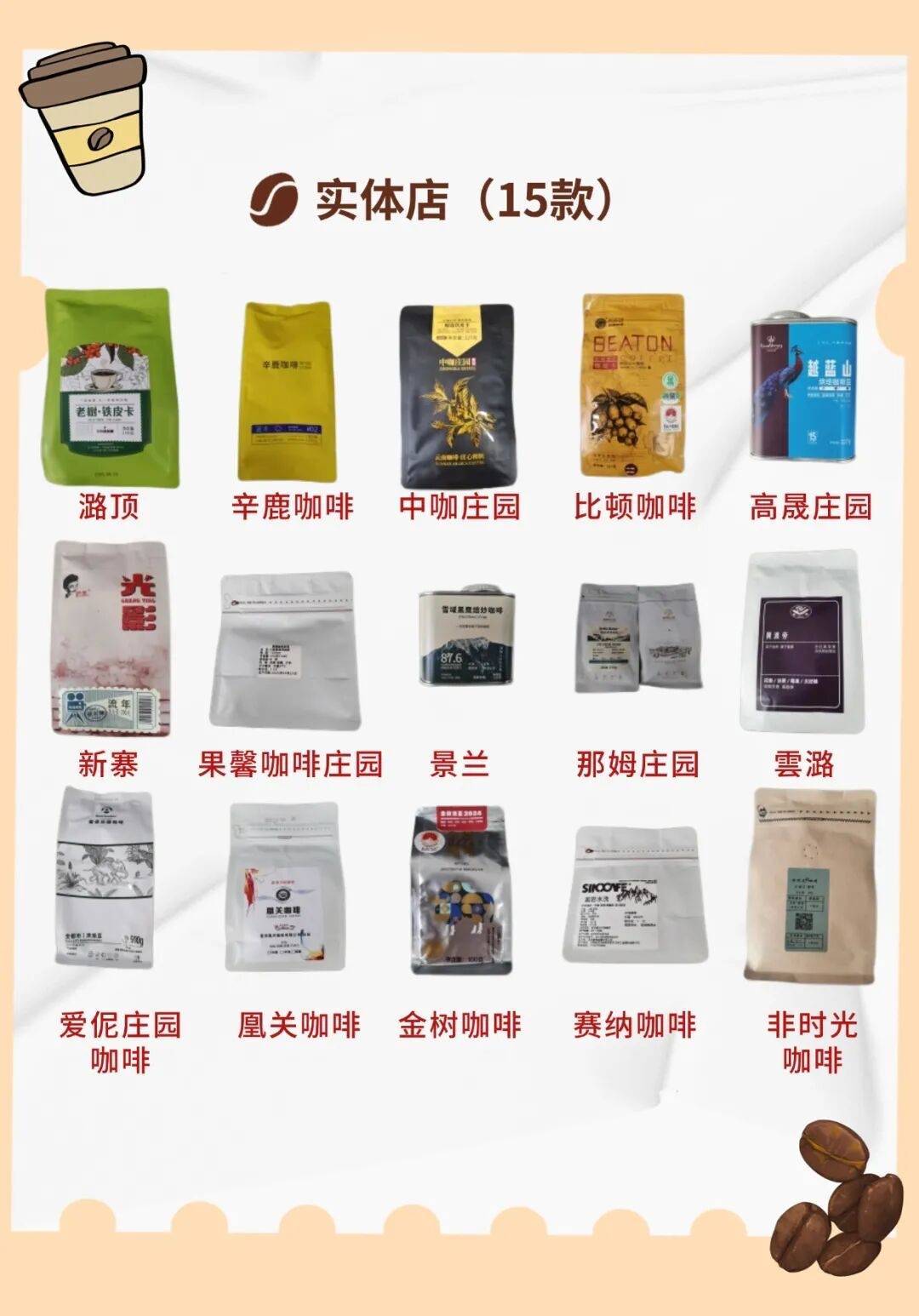
云南省消费者协会发布咖啡豆比较试验结果
Sou Hu Cai Jing· 2025-11-17 22:06
Core Insights - The Yunnan Consumer Association conducted a comprehensive analysis of 30 popular coffee bean products, including 23 brands from Yunnan and 7 from other regions, confirming that all samples met national food safety standards [1][12][18]. Group 1: Quality Assessment - The analysis included key safety indicators such as heavy metal residues, fungal toxins, pesticide residues, and pathogenic bacteria, with all results showing no detection of harmful substances, indicating the safety of the products [18]. - All 30 coffee bean samples scored 80 points or above in sensory evaluations, qualifying them as "specialty grade" according to the SCA Specialty Coffee Cup Tasting Manual. Five products, including "Biton Coffee" and "Jinshu Coffee," scored above 85 points, categorizing them as "specialty grade - excellent" [19]. Group 2: Quality Standards - Moisture content is a critical quality indicator for roasted coffee beans, affecting flavor and shelf life. The moisture content of the tested samples ranged from 0.53% for "Geo" to 2.07% for "Huangguan Coffee," all within the acceptable limits [20]. - Caffeine content varied among the samples, with the lowest being 10.2 mg/g for "Yunlu" and the highest at 22 mg/g for "Shizhi," aligning with WHO recommendations for daily caffeine intake [20]. Group 3: Consumer Guidance - Consumers are advised to prioritize products with clearly marked roasting dates and to choose beans based on brewing methods. Proper grinding and storage techniques are essential for maintaining flavor [21][22]. - It is recommended to purchase coffee beans in quantities that can be consumed within a short period to ensure optimal flavor experience [23].