抢票加速包

Search documents
12家平台企业被约谈
中国能源报· 2026-03-23 12:50
Core Viewpoint - The article discusses the regulatory actions taken by Beijing's market supervision authorities against various online platforms for engaging in "involutionary" competition practices, highlighting the need for compliance and rectification to protect merchants' rights and consumer interests [1][3]. Group 1: Issues Identified - Platforms have infringed on merchants' autonomy by unilaterally enrolling them in promotional activities and enforcing minimum pricing without consent, leading to financial losses for merchants [4][5]. - Specific examples include Taobao Flash Sale modifying prices and activities without merchant agreement, resulting in significant revenue drops for merchants [6]. - Ctrip has been reported to automatically adjust hotel prices, pressuring hotels to comply with lowest price requirements, thus undermining their pricing authority [7]. Group 2: Unreasonable Rules - Some platforms have established unreasonable rules that impose additional burdens on merchants through penalties and restrictions, increasing operational challenges [9][10]. - Ctrip's "cutting customer" penalties have been criticized for being overly broad, penalizing hotels for legitimate customer interactions outside the platform [10]. Group 3: False Advertising - Platforms have engaged in misleading advertising practices that violate consumer rights, such as promoting paid services that falsely claim to enhance ticket purchasing success [12]. - Ctrip's misleading "thumbs up" symbol has been flagged for misrepresenting service quality, prompting regulatory guidance for its removal [13]. - Other platforms, like Gaode, have been noted for failing to update promotional indicators, misleading consumers about ongoing discounts [14]. Group 4: Compliance Management Shortcomings - Several platforms lack effective compliance management systems, leading to inadequate oversight and risk management [15][16]. - QuNar's compliance mechanisms have been criticized for being ineffective, lacking a dedicated management structure [16]. - JD's compliance management has been deemed insufficient, with unclear responsibilities and a need for improved operational effectiveness [17]. Group 5: Regulatory Actions and Future Directions - Regulatory authorities have issued administrative warnings to platforms, mandating strict adherence to responsibilities and timely rectification of identified issues [17]. - The authorities plan to continue monitoring and publicly reporting violations, focusing on platforms that fail to comply with rectification requirements [17].






北京三部门联合约谈12家平台企业 通报“内卷式”竞争第一批问题
YOUNG财经 漾财经· 2026-03-23 11:40
Core Viewpoint - Beijing's regulatory authorities have initiated a comprehensive rectification of "involutionary" competition among platform enterprises, focusing on issues such as infringement of merchants' rights, unreasonable rules, false advertising, and shortcomings in compliance management [1][3][8]. Group 1: Issues Identified - The first batch of issues identified includes the infringement of merchants' autonomy, where platforms modify merchant settings without consent and impose minimum pricing, leading to economic losses for merchants [3][4]. - Unreasonable rules have been set by some platforms, leveraging their dominant position to impose penalties and restrictions that increase the operational burden on merchants [4][5]. - False advertising practices have been reported, where platforms mislead consumers through deceptive promotional tactics, violating consumer rights [6][7]. Group 2: Compliance Management Shortcomings - Several platforms have been found to have ineffective compliance management systems, with unclear responsibilities and lack of actual implementation of compliance mechanisms [7][8]. - Specific examples include Qunar's lack of a functional compliance management organization and JD's outdated compliance structure, indicating a need for improvement in compliance practices [7][8]. Group 3: Regulatory Actions and Future Steps - Regulatory authorities have issued administrative warnings to platforms, mandating them to rectify identified issues and protect the rights of both merchants and consumers [8]. - The next steps involve ongoing monitoring and public reporting of violations, with a focus on creating a long-term prevention mechanism through multi-party consultations [8].
北京三部门约谈12家平台企业
证券时报· 2026-03-23 10:36
Core Viewpoint - The article discusses the regulatory actions taken by Beijing's market supervision authorities against various online platforms for engaging in "involutionary" competition practices that harm merchants' rights and consumer interests [1][16]. Group 1: Issues Identified - The main issues highlighted include infringement on merchants' autonomy, unreasonable rules set by platforms, false advertising practices, and shortcomings in compliance management systems [3][6][8][12]. Group 2: Specific Examples - Example 1: Taobao Flash Sale unilaterally listed promotional activities and modified product prices without merchant consent, leading to significant financial losses for merchants [4]. - Example 2: Ctrip used technical means to enforce minimum pricing on hotels, pressuring them to comply or face consequences [5]. - Example 3: Ctrip's unreasonable "cutting customer" rules penalized hotels for directing customers to book outside the platform, even in legitimate scenarios [7]. - Example 4: Third-party train ticket platforms misled consumers with false advertising about paid services that falsely claimed to enhance ticket purchasing success [9]. - Example 5: Ctrip's misleading "thumbs up" symbol associated with certain hotels did not reflect actual service quality, misleading consumers [10]. - Example 6: Gaode failed to update promotional indicators after the end of a subsidy campaign, potentially misleading consumers [11]. Group 3: Compliance Management Issues - Example 7: Qu Nar's compliance management system was found to be ineffective, lacking a proper organizational structure and risk assessment mechanisms [13]. - Example 8: JD's compliance management was criticized for not being updated dynamically, with unclear responsibilities in key positions [14]. Group 4: Regulatory Actions and Future Steps - The market supervision authorities issued administrative warnings to the platforms, mandating them to rectify identified issues and protect the rights of merchants and consumers [16]. - Future actions will include ongoing monitoring of compliance, public reporting of violations, and establishing a multi-party consultation mechanism to promote healthy platform economic development [16].
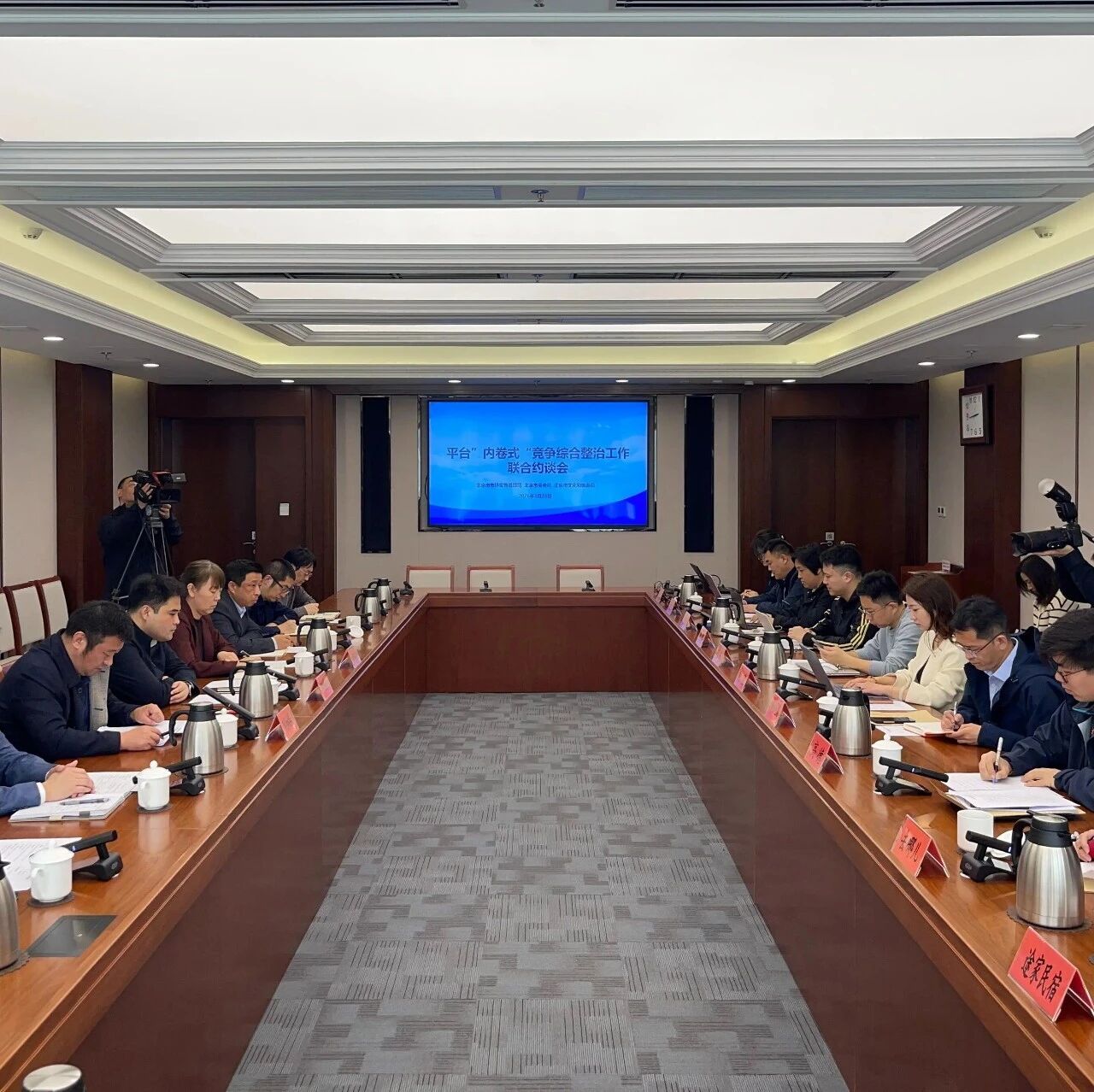
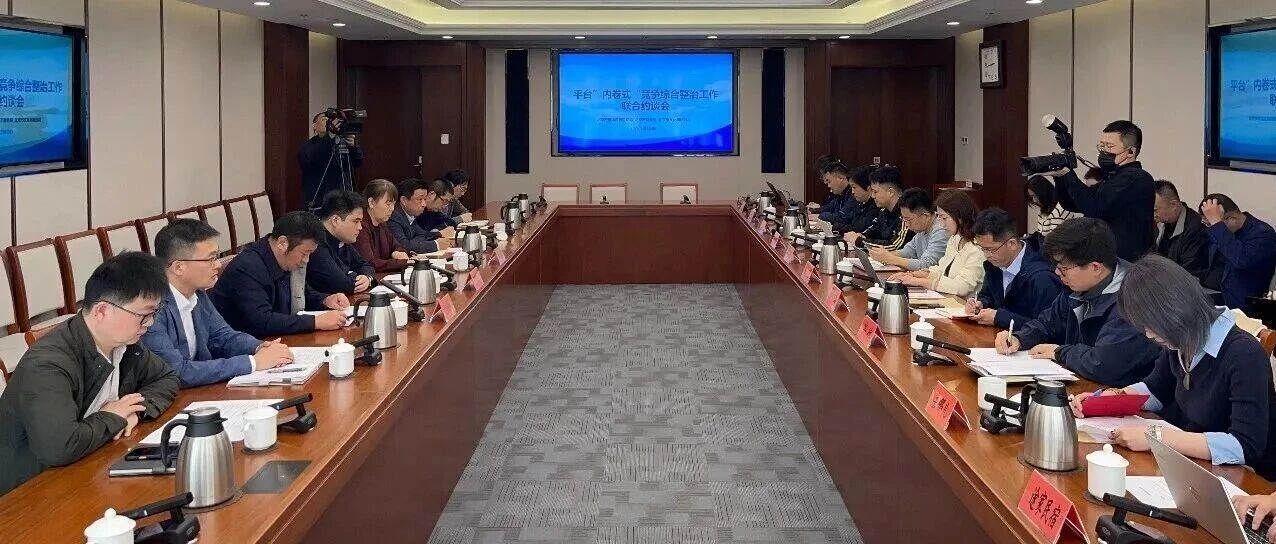
携程、去哪儿网、高德、京东、淘宝闪购、美团、飞猪旅行、同程旅行、途家民宿、小猪民宿、抖音、快手被约谈
新华网财经· 2026-03-23 10:20
Core Viewpoint - The article discusses the regulatory actions taken by Beijing's market supervision authorities against various online platforms for engaging in "involutionary" competition practices that harm merchants and consumers [1]. Group 1: Issues Identified - The main issues reported focus on four areas: infringement of merchants' autonomy, unreasonable rules, false advertising, and shortcomings in compliance management [3][7][9][13]. Group 2: Infringement of Merchant Autonomy - Some platforms have modified merchant settings without consent, forcing them into promotional activities and dictating pricing, which leads to financial losses for merchants and potential quality risks in goods and services [3]. - Example 1: Taobao Flash Sale unilaterally listed merchants' products in promotional events and altered prices without consent, resulting in significant revenue losses for merchants [4]. - Example 2: Ctrip used technical means to enforce minimum pricing on hotels, pressuring them to comply or face consequences such as reduced visibility on the platform [5][6]. Group 3: Unreasonable Rules - Certain platforms have established unfair rules that increase the operational burden on merchants through penalties and restrictions [7]. - Example 3: Ctrip's "cutting customer" rule penalizes hotels for directing customers away from the platform, even in legitimate scenarios, leading to unfair commission demands [8]. Group 4: False Advertising - Platforms have engaged in misleading advertising practices that violate consumer rights [9]. - Example 4: Third-party train ticket platforms misrepresented paid services as exclusive benefits, misleading consumers about their effectiveness [10]. - Example 5: Ctrip's misleading "thumbs up" symbol associated with certain hotels did not reflect actual service quality, prompting regulatory intervention [11]. - Example 6: Gaode failed to update promotional indicators post-campaign, misleading consumers about ongoing discounts [12]. Group 5: Compliance Management Shortcomings - Several platforms lack effective compliance management systems, leading to inadequate risk assessment and oversight [13]. - Example 7: Qu Nar's compliance mechanisms were found to be ineffective, lacking a structured approach to managing compliance risks [14]. - Example 8: JD's compliance management was criticized for not being updated dynamically, with unclear responsibilities [15]. Group 6: Regulatory Actions and Future Steps - Regulatory authorities have issued administrative warnings and mandated platforms to rectify identified issues, emphasizing the protection of merchants' and consumers' rights [15]. - The authorities plan to continue monitoring and addressing "involutionary" competition practices, ensuring platforms engage in fair competition and adhere to regulations [15].
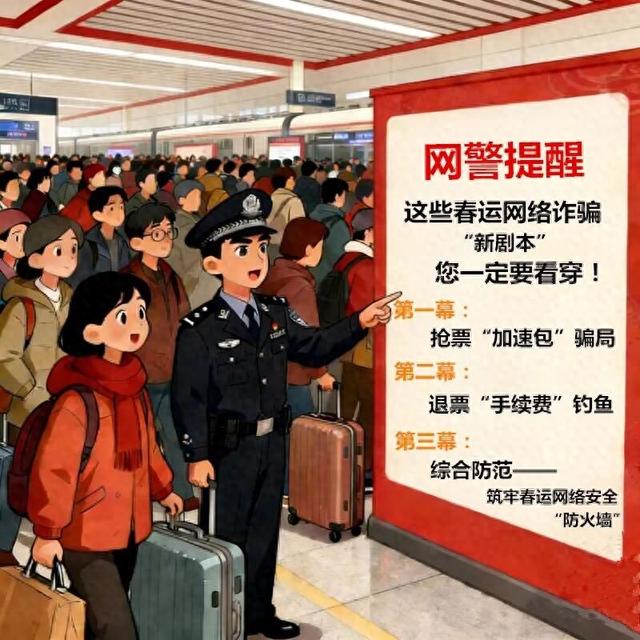
抢票“加速包”?退票“手续费”?网警拆穿春运钓鱼新剧本
Xin Lang Cai Jing· 2026-02-23 05:20
Core Viewpoint - The article highlights the prevalence of scams during the Spring Festival travel season, particularly focusing on ticket purchasing and refund processes, where phishing traps are disguised as helpful services [1][5]. Group 1: Ticket Purchasing Scams - Various ticket purchasing platforms advertise "accelerated packages" promising high success rates for securing tickets, but these services merely refresh the official ticketing system without guaranteeing ticket availability [3][5]. - The so-called "acceleration" does not create tickets out of thin air, and users are misled into believing they are purchasing a legitimate service [4][5]. Group 2: Refund and Change Scams - Travelers may receive deceptive messages claiming flight cancellations, urging them to contact a fake customer service number for refunds or changes, which leads to financial loss through various fraudulent tactics [5][6]. - Scammers may use personal information obtained through illegal means to make their messages appear credible, including accurate flight details and names [6][7]. Group 3: Prevention Tips - Users are advised to only use official channels for ticket purchases and refunds, such as the official 12306 website and airline company websites, to avoid scams [5][9]. - It is crucial to recognize that legitimate services will not charge additional fees for refunds or require personal account information for transactions [7][9]. - The article emphasizes the importance of sharing knowledge about these scams, especially with less tech-savvy individuals, to enhance overall awareness and safety during travel [8][9].
抢票“加速包”有用吗?12306回应:反而可能降低购票成功率!
Xin Lang Cai Jing· 2026-01-28 04:17
Core Viewpoint - The annual "ticket grabbing war" is intensifying as the Spring Festival approaches, with many popular train routes selling out quickly, leading to the rise of various ticket grabbing tools that claim to enhance success rates for consumers [1] Group 1: Ticket Grabbing Services - Various platforms offer paid ticket grabbing services, claiming to improve the chances of securing tickets through technical advantages and dedicated personnel [1][6] - Consumers express frustration over spending money on these services without guaranteed results, with some reporting that they still fail to secure tickets despite paying for these services [1][6] Group 2: Comparison with Official Services - The "all-in-one ticket grabbing service" differs from the official ticket waiting service provided by the 12306 platform, as the former relies on continuous monitoring of ticket availability and user authorization [3] - The official waiting service allows users to submit requests for tickets that are automatically processed when availability arises, while the all-in-one service does not guarantee ticket acquisition [3][4] Group 3: Effectiveness and Consumer Feedback - Many users report that the effectiveness of these ticket grabbing services is disappointing, with fluctuating success rates causing anxiety among consumers [6] - A case was highlighted where a consumer purchased a ticket grabbing service but ultimately secured a ticket independently, raising questions about the value of such services [6] Group 4: Regulatory Actions and Misleading Practices - The Beijing market regulatory authority has penalized a platform for false advertising related to ticket grabbing services, indicating a crackdown on misleading practices in this sector [6][7] - Claims of "ticket channels" and "acceleration packages" are criticized as deceptive, as they do not provide any real advantage over the official 12306 platform [7][8] Group 5: Technical Insights - Industry insiders reveal that many ticket grabbing platforms operate similarly to manual user actions on the 12306 site, exploiting consumer information asymmetry [8][9] - The 12306 platform has not partnered with any third-party ticket grabbing services, and all ticket data originates from its official system, negating the claims of enhanced success rates by third-party platforms [9]
别信“抢票加速包” 当心收钱不办事
Xin Lang Cai Jing· 2026-01-22 19:11
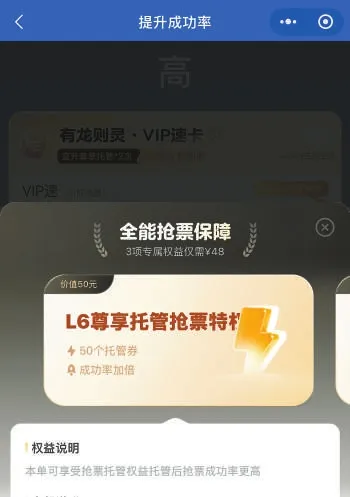
Group 1 - The core issue revolves around the first case of false "ticket grabbing" services in China, where a platform was fined 500,000 yuan for misleading commercial promotions [1][2] - The services advertised by online platforms, such as "acceleration packages" and "personal ticket grabbing," do not actually enhance the chances of securing tickets, but are instead scams designed to exploit consumer anxiety [1][2] - The recent case is distinct from previous "scalper cases," as it involves platforms pretending to offer additional technical support to help users secure tickets, ultimately resulting in "collecting money without delivering services" [2] Group 2 - Certain platforms manipulate user emotions by creating a sense of urgency and fear through countdowns and success probability indicators, effectively playing on psychological tactics [2] - These platforms also repackage existing features of the official ticketing system (12306) as their own "value-added services," leveraging information asymmetry to mislead consumers [2] - The situation highlights a troubling trend in the industry, where some platforms resort to deceptive practices to profit at the expense of consumers [3]
平台卖“抢票加速包”被罚50万!12306提醒
新华网财经· 2026-01-21 05:13
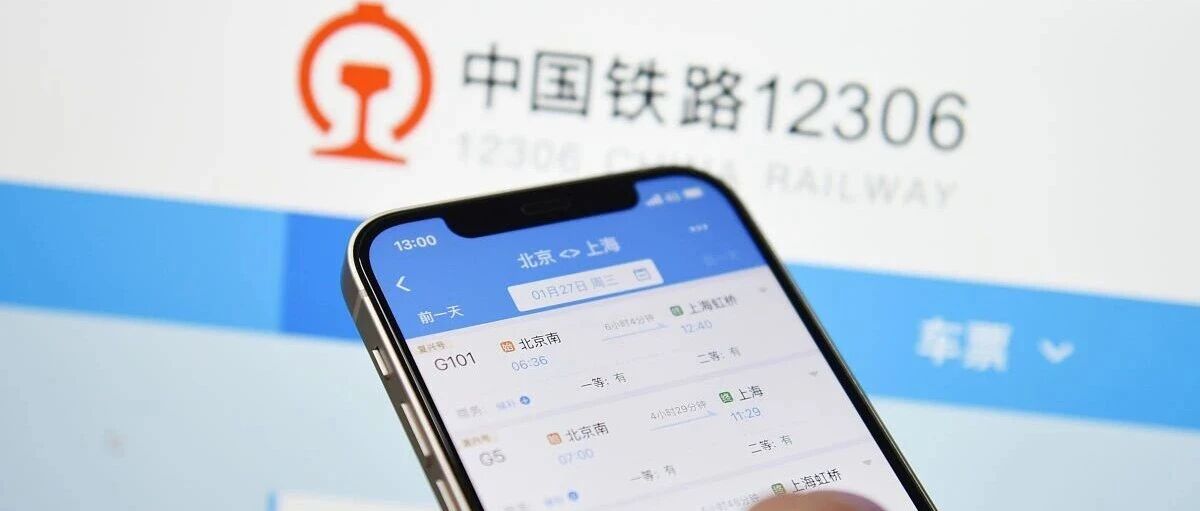
Core Viewpoint - The article highlights the misleading practices of third-party ticketing platforms that claim to offer enhanced ticket purchasing services, which ultimately do not improve the chances of securing train tickets and have been penalized for consumer deception [4][5][11]. Group 1: Misleading Practices - Third-party platforms offer services like "VIP ticket grabbing" and "accelerated ticket packages," which are claimed to increase the chances of obtaining tickets, but these claims are misleading [4][5]. - The platforms were found to misrepresent their services, suggesting that paying for these features would provide a better chance of securing tickets, which contradicts the official ticketing rules of the railway system [5][11]. Group 2: Regulatory Actions - The Beijing Market Supervision Administration has taken action against these platforms, resulting in a fine of 500,000 yuan for misleading consumers about their ticket purchasing capabilities [5][11]. - The enforcement officials noted that the platforms' claims about faster ticket purchasing processes are unfounded, as they do not alter the order of ticket sales established by the official railway ticketing system [5][11]. Group 3: Consumer Advice - Consumers are advised to utilize the official railway ticketing platform (12306) for ticket purchases and to submit multiple combinations of dates and train numbers for better chances of securing tickets [11][12]. - It is recommended that consumers document their interactions with third-party platforms and report any misleading practices to regulatory authorities to protect their rights [12].
平台卖「抢票加速包」被罚50万!12306提醒
Yang Shi Xin Wen· 2026-01-21 02:36
Core Viewpoint - The article highlights the misleading practices of third-party ticketing platforms that claim to offer enhanced ticket purchasing services, which ultimately do not provide any real advantage over the official railway ticketing system [5][6][12]. Group 1: Misleading Practices - Third-party platforms advertise services like "VIP ticket grabbing" and "speedy ticket grabbing," which mislead consumers into believing they can secure tickets more easily by paying extra fees [4][8]. - The platforms' claims of having "dual-channel ticket grabbing" and "speedy ticket grabbing" are based on false premises, as they do not change the ticket purchasing order established by the official railway ticketing system [6][9]. Group 2: Regulatory Actions - The Beijing Market Supervision Administration has taken action against a third-party platform for misleading advertising, resulting in a fine of 500,000 yuan for violating consumer protection laws [5][6]. - The enforcement officials noted that the platform's practices constituted consumer deception, as they suggested that paid services could enhance ticket purchasing success rates, which is not supported by the official ticketing rules [6][12]. Group 3: Consumer Risks - Using third-party platforms can lead to personal information leakage and complications in refund processes, as these platforms are not authorized by the official railway ticketing system [12]. - The article warns that the so-called "acceleration packages" offered by these platforms may actually decrease the chances of successfully purchasing tickets due to the official system's anti-fraud measures [12][13].
携程、去哪儿等平台回应“抢票加速包是噱头”
新浪财经· 2025-09-27 06:35
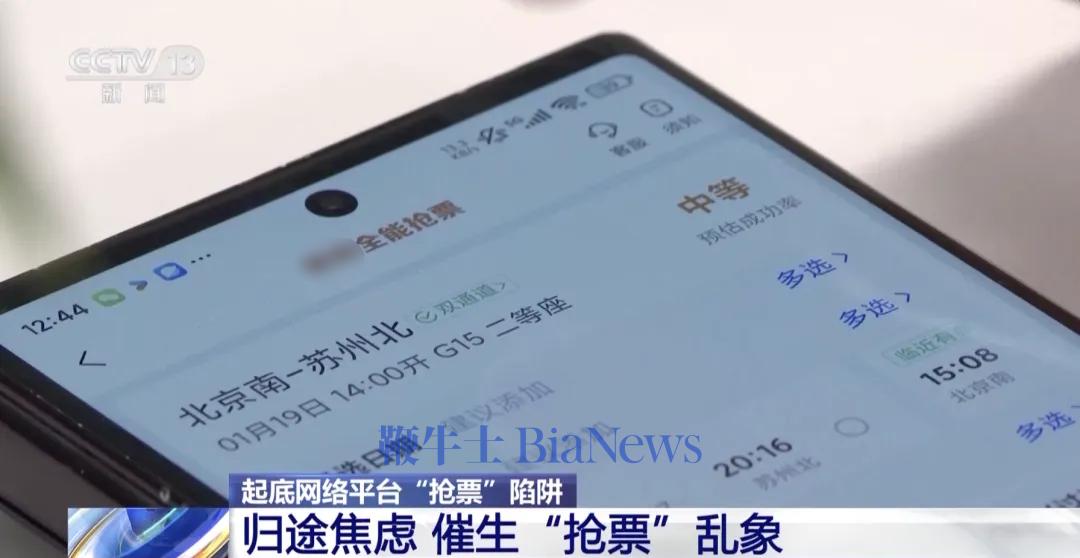
Core Viewpoint - The investigation by Jiangsu Consumer Protection Committee reveals that third-party train ticket platforms' "acceleration packages" do not effectively increase ticket purchasing success rates, as all requests must ultimately queue through the official 12306 system [2][4][6]. Group 1: Investigation Findings - Nine third-party platforms were investigated, all claiming that purchasing "acceleration packages" could enhance ticket success rates, but the actual experience showed that 12306 was the first to issue tickets [2]. - Prices for these "acceleration packages" range from 48 to 60 yuan, marketed under names like "all-in-one ticket" and "worry-free ticket" [2][7]. - 12306's official response indicates that they do not provide acceleration services and have not authorized third-party platforms, which cannot guarantee faster ticket acquisition [4][6]. Group 2: Customer Responses and Behavior - Despite over 30% of surveyed consumers expressing doubts about the effectiveness of "acceleration packages," many still purchase them due to anxiety over ticket availability [11]. - Consumers indicated that the pressure to secure tickets leads them to consider these packages, even when they are aware of their questionable efficacy [11]. Group 3: Legal Perspectives - Legal experts suggest that if third-party platforms exaggerate the effectiveness of "acceleration packages," they may be guilty of false advertising and could face legal consequences [13][14]. - The potential for these services to disrupt fair competition and market order raises concerns about their legality and ethical implications [13][14].