
双通道

Search documents
12家平台企业被约谈
中国能源报· 2026-03-23 12:50
Core Viewpoint - The article discusses the regulatory actions taken by Beijing's market supervision authorities against various online platforms for engaging in "involutionary" competition practices, highlighting the need for compliance and rectification to protect merchants' rights and consumer interests [1][3]. Group 1: Issues Identified - Platforms have infringed on merchants' autonomy by unilaterally enrolling them in promotional activities and enforcing minimum pricing without consent, leading to financial losses for merchants [4][5]. - Specific examples include Taobao Flash Sale modifying prices and activities without merchant agreement, resulting in significant revenue drops for merchants [6]. - Ctrip has been reported to automatically adjust hotel prices, pressuring hotels to comply with lowest price requirements, thus undermining their pricing authority [7]. Group 2: Unreasonable Rules - Some platforms have established unreasonable rules that impose additional burdens on merchants through penalties and restrictions, increasing operational challenges [9][10]. - Ctrip's "cutting customer" penalties have been criticized for being overly broad, penalizing hotels for legitimate customer interactions outside the platform [10]. Group 3: False Advertising - Platforms have engaged in misleading advertising practices that violate consumer rights, such as promoting paid services that falsely claim to enhance ticket purchasing success [12]. - Ctrip's misleading "thumbs up" symbol has been flagged for misrepresenting service quality, prompting regulatory guidance for its removal [13]. - Other platforms, like Gaode, have been noted for failing to update promotional indicators, misleading consumers about ongoing discounts [14]. Group 4: Compliance Management Shortcomings - Several platforms lack effective compliance management systems, leading to inadequate oversight and risk management [15][16]. - QuNar's compliance mechanisms have been criticized for being ineffective, lacking a dedicated management structure [16]. - JD's compliance management has been deemed insufficient, with unclear responsibilities and a need for improved operational effectiveness [17]. Group 5: Regulatory Actions and Future Directions - Regulatory authorities have issued administrative warnings to platforms, mandating strict adherence to responsibilities and timely rectification of identified issues [17]. - The authorities plan to continue monitoring and publicly reporting violations, focusing on platforms that fail to comply with rectification requirements [17].






北京三部门联合约谈12家平台企业 通报“内卷式”竞争第一批问题
YOUNG财经 漾财经· 2026-03-23 11:40
Core Viewpoint - Beijing's regulatory authorities have initiated a comprehensive rectification of "involutionary" competition among platform enterprises, focusing on issues such as infringement of merchants' rights, unreasonable rules, false advertising, and shortcomings in compliance management [1][3][8]. Group 1: Issues Identified - The first batch of issues identified includes the infringement of merchants' autonomy, where platforms modify merchant settings without consent and impose minimum pricing, leading to economic losses for merchants [3][4]. - Unreasonable rules have been set by some platforms, leveraging their dominant position to impose penalties and restrictions that increase the operational burden on merchants [4][5]. - False advertising practices have been reported, where platforms mislead consumers through deceptive promotional tactics, violating consumer rights [6][7]. Group 2: Compliance Management Shortcomings - Several platforms have been found to have ineffective compliance management systems, with unclear responsibilities and lack of actual implementation of compliance mechanisms [7][8]. - Specific examples include Qunar's lack of a functional compliance management organization and JD's outdated compliance structure, indicating a need for improvement in compliance practices [7][8]. Group 3: Regulatory Actions and Future Steps - Regulatory authorities have issued administrative warnings to platforms, mandating them to rectify identified issues and protect the rights of both merchants and consumers [8]. - The next steps involve ongoing monitoring and public reporting of violations, with a focus on creating a long-term prevention mechanism through multi-party consultations [8].

北京三部门约谈12家平台企业
证券时报· 2026-03-23 10:36
Core Viewpoint - The article discusses the regulatory actions taken by Beijing's market supervision authorities against various online platforms for engaging in "involutionary" competition practices that harm merchants' rights and consumer interests [1][16]. Group 1: Issues Identified - The main issues highlighted include infringement on merchants' autonomy, unreasonable rules set by platforms, false advertising practices, and shortcomings in compliance management systems [3][6][8][12]. Group 2: Specific Examples - Example 1: Taobao Flash Sale unilaterally listed promotional activities and modified product prices without merchant consent, leading to significant financial losses for merchants [4]. - Example 2: Ctrip used technical means to enforce minimum pricing on hotels, pressuring them to comply or face consequences [5]. - Example 3: Ctrip's unreasonable "cutting customer" rules penalized hotels for directing customers to book outside the platform, even in legitimate scenarios [7]. - Example 4: Third-party train ticket platforms misled consumers with false advertising about paid services that falsely claimed to enhance ticket purchasing success [9]. - Example 5: Ctrip's misleading "thumbs up" symbol associated with certain hotels did not reflect actual service quality, misleading consumers [10]. - Example 6: Gaode failed to update promotional indicators after the end of a subsidy campaign, potentially misleading consumers [11]. Group 3: Compliance Management Issues - Example 7: Qu Nar's compliance management system was found to be ineffective, lacking a proper organizational structure and risk assessment mechanisms [13]. - Example 8: JD's compliance management was criticized for not being updated dynamically, with unclear responsibilities in key positions [14]. Group 4: Regulatory Actions and Future Steps - The market supervision authorities issued administrative warnings to the platforms, mandating them to rectify identified issues and protect the rights of merchants and consumers [16]. - Future actions will include ongoing monitoring of compliance, public reporting of violations, and establishing a multi-party consultation mechanism to promote healthy platform economic development [16].
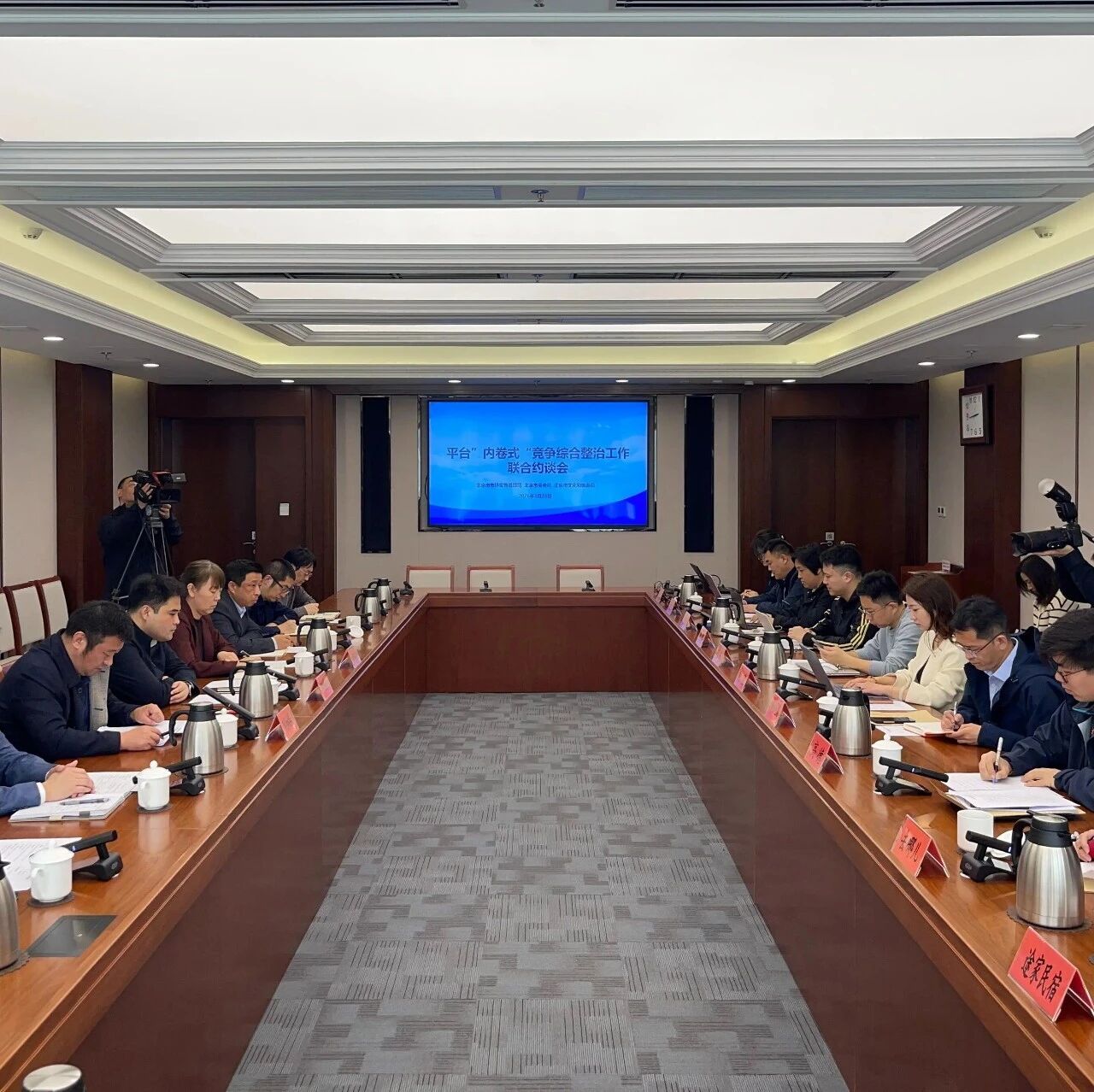
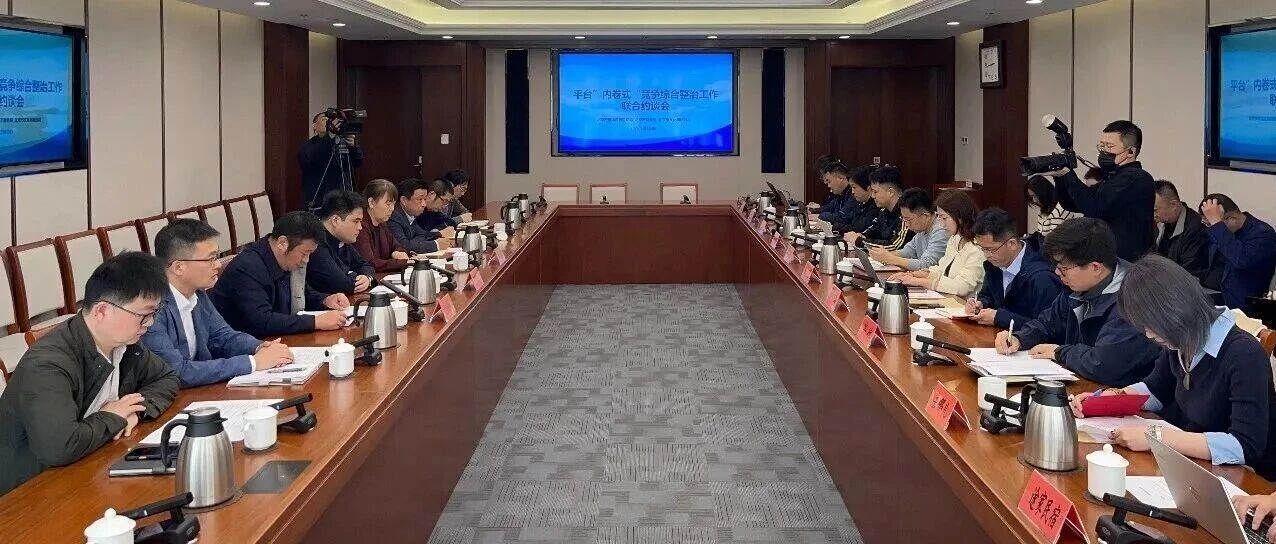
携程、去哪儿网、高德、京东、淘宝闪购、美团、飞猪旅行、同程旅行、途家民宿、小猪民宿、抖音、快手被约谈
新华网财经· 2026-03-23 10:20
Core Viewpoint - The article discusses the regulatory actions taken by Beijing's market supervision authorities against various online platforms for engaging in "involutionary" competition practices that harm merchants and consumers [1]. Group 1: Issues Identified - The main issues reported focus on four areas: infringement of merchants' autonomy, unreasonable rules, false advertising, and shortcomings in compliance management [3][7][9][13]. Group 2: Infringement of Merchant Autonomy - Some platforms have modified merchant settings without consent, forcing them into promotional activities and dictating pricing, which leads to financial losses for merchants and potential quality risks in goods and services [3]. - Example 1: Taobao Flash Sale unilaterally listed merchants' products in promotional events and altered prices without consent, resulting in significant revenue losses for merchants [4]. - Example 2: Ctrip used technical means to enforce minimum pricing on hotels, pressuring them to comply or face consequences such as reduced visibility on the platform [5][6]. Group 3: Unreasonable Rules - Certain platforms have established unfair rules that increase the operational burden on merchants through penalties and restrictions [7]. - Example 3: Ctrip's "cutting customer" rule penalizes hotels for directing customers away from the platform, even in legitimate scenarios, leading to unfair commission demands [8]. Group 4: False Advertising - Platforms have engaged in misleading advertising practices that violate consumer rights [9]. - Example 4: Third-party train ticket platforms misrepresented paid services as exclusive benefits, misleading consumers about their effectiveness [10]. - Example 5: Ctrip's misleading "thumbs up" symbol associated with certain hotels did not reflect actual service quality, prompting regulatory intervention [11]. - Example 6: Gaode failed to update promotional indicators post-campaign, misleading consumers about ongoing discounts [12]. Group 5: Compliance Management Shortcomings - Several platforms lack effective compliance management systems, leading to inadequate risk assessment and oversight [13]. - Example 7: Qu Nar's compliance mechanisms were found to be ineffective, lacking a structured approach to managing compliance risks [14]. - Example 8: JD's compliance management was criticized for not being updated dynamically, with unclear responsibilities [15]. Group 6: Regulatory Actions and Future Steps - Regulatory authorities have issued administrative warnings and mandated platforms to rectify identified issues, emphasizing the protection of merchants' and consumers' rights [15]. - The authorities plan to continue monitoring and addressing "involutionary" competition practices, ensuring platforms engage in fair competition and adhere to regulations [15].
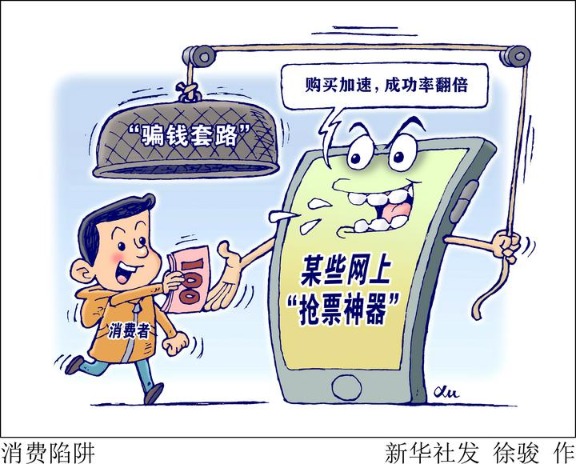
投诉了就退钱,不投诉就赚到,这是把旅客当韭菜割!
Xin Lang Cai Jing· 2026-02-13 05:57
Core Viewpoint - The Beijing Market Supervision Administration has organized an administrative interview with 12 major online train ticket sales platforms to address significant issues raised by the public regarding online ticket sales [1] Group 1: Issues with Online Ticket Sales Platforms - Some platforms exploit the urgency of travelers during the Spring Festival, turning ticket purchasing difficulties into profit opportunities by offering misleading paid services [2][3] - Platforms have been found to misrepresent free services from the official railway ticketing system, such as the free waiting list service, as paid "priority" services, misleading consumers into believing they can increase their chances of securing tickets [2][3] - Actual ticket orders submitted by third-party platforms to the official railway system do not change the order of ticket purchasing or waiting lists, rendering paid "acceleration packages" ineffective and potentially delaying travel plans [2][3] Group 2: Consumer Experiences and Reactions - Consumers have reported negative experiences, such as purchasing tickets through third-party platforms only to receive less desirable options, leading to frustration and complicated refund processes [3] - Public sentiment reflects a strong desire for transparency and fairness in ticket sales, with calls for platforms to clearly communicate service details and pricing to protect consumer rights [3][4] - The importance of maintaining integrity in business practices and prioritizing customer service is emphasized, especially during peak travel seasons [4]
新华社:投诉了就退钱,不投诉就赚到,这是把旅客当韭菜割!
Xin Hua She· 2026-02-13 05:13
Core Viewpoint - The Beijing Market Supervision Administration has held an administrative interview with 12 major online train ticket sales platforms due to public complaints about issues in online ticket sales, highlighting the need for better consumer protection and transparency in the industry [1][3]. Group 1: Issues with Online Ticket Sales Platforms - Some platforms exploit the urgency of consumers during peak travel seasons, offering paid services that mislead customers into believing they can secure tickets more easily, which is not the case [1][3]. - Third-party platforms falsely advertise services like "priority ticket purchasing" and "accelerated packages," which do not actually improve the chances of securing tickets, leading to consumer frustration and financial loss [3][5]. - Consumers have reported negative experiences, such as purchasing tickets through third-party platforms only to receive less desirable options than what they could have obtained directly from the official railway service [3][5]. Group 2: Consumer Rights and Industry Responsibility - There is a call for platforms to clearly disclose the nature and pricing of additional services, ensuring that consumers are well-informed and protected [5]. - The railway department has clarified that it does not collaborate with any third-party platforms and has not opened any ticket sales interfaces, emphasizing that claims of paid acceleration services are false [3][5]. - The industry is urged to prioritize integrity and genuine service to travelers, especially during high-demand periods like the Spring Festival travel season [5].
加速包要凉了?12 家第三方火车票网售平台被约谈
程序员的那些事· 2026-02-13 02:01
Core Viewpoint - The article highlights the regulatory crackdown on third-party train ticket sales platforms in Beijing, aiming to eliminate unfair practices and ensure a fair ticket purchasing process during the Spring Festival travel season [1][2]. Group 1: Regulatory Actions - The Beijing Municipal Market Supervision Administration has conducted interviews with 12 major third-party train ticket sales platforms, including Ctrip, Qunar, and Meituan, addressing the issue of ticket purchasing chaos during the Spring Festival [1]. - The regulation explicitly prohibits platforms from offering "accelerated packages," "dual channels," or "VIP ticket purchasing" services that imply paid priority access to tickets, emphasizing that these practices are misleading and essentially mimic the free ticket waiting feature of 12306 [1]. - Platforms are required to avoid imitating the 12306 branding, must not fabricate official partnerships, and are mandated to display clear pricing without default selections for bundled services, addressing the issue of "cheap prices but expensive payments" [1]. Group 2: Consumer Protection - The regulatory body has stated that it will rigorously investigate false advertising, price fraud, and inducement to consume, with strict penalties for any violations, aiming to reduce unnecessary expenses for consumers during their travel [2]. - The initiative is positioned as a serious effort to cleanse the ticket purchasing process, ensuring that consumers can return home without falling into traps or incurring excessive costs [2].

【西街观察】车票网售,少些噱头多点诚意
Bei Jing Shang Bao· 2026-02-12 14:31
Core Viewpoint - The Beijing Municipal Market Supervision Administration has imposed compliance requirements on 12 online train ticket sales platforms, aiming to eliminate misleading practices and enhance consumer trust in the ticket purchasing process [1][2]. Group 1: Compliance Requirements - Platforms are prohibited from suggesting that consumers can gain priority ticket purchasing privileges through paid services [1]. - Misleading promotions such as "accelerated packages," "dual channels," and "ticket monitoring" must be rectified promptly [1]. - Platforms must remove products that involve misleading advertising and adjust their promotional content to ensure clear pricing for value-added services [1]. Group 2: Misleading Practices - The so-called "priority privileges" sold for 10 to 50 yuan essentially repackaged the free ticket reservation feature provided by the official railway service, representing an exploitation of information asymmetry [2]. - The evolution of platform tactics includes default selections and hidden inducements, which undermine consumer trust and reflect a broader issue of profit at the expense of transparency [2]. Group 3: Regulatory Environment - The recent implementation of the "Regulations on the Supervision of Online Trading Platforms" prohibits practices such as price fraud and data-driven discrimination, indicating a tightening regulatory framework [3]. - The ongoing debate centers on whether platforms should act as "technical intermediaries" or "information brokers," with a call for platforms to prioritize efficiency and consumer trust over anxiety-inducing tactics [3]. - The official ticketing system has matured, and third-party platforms are encouraged to adapt by focusing on sincerity rather than gimmicks [3].
携程集团-S跌超4% 涉网络销售火车票问题被约谈
Zhi Tong Cai Jing· 2026-02-12 05:49
Core Viewpoint - Ctrip Group's stock price has dropped over 4%, currently at 426.6 HKD, with a trading volume of 1.8 billion HKD due to regulatory scrutiny regarding misleading practices in train ticket sales [1] Group 1: Regulatory Actions - The Beijing Market Supervision Administration held an administrative interview with Ctrip and 12 other major platforms involved in online train ticket sales, focusing on issues raised by the public regarding misleading promotions such as "accelerated packages," "dual channels," and "remaining ticket monitoring" [1] - Last month, the State Administration for Market Regulation initiated an investigation into Ctrip Group for suspected monopolistic behavior under the Anti-Monopoly Law of the People's Republic of China [1] Group 2: Company Response - Ctrip stated that it will actively cooperate with regulatory authorities and fully implement regulatory requirements, aiming to build a sustainable market environment in collaboration with industry stakeholders [1] - The company emphasized that all its business operations are running normally and it will continue to provide quality services to users and partners [1]
12家第三方火车票网销平台已被约谈
Xin Lang Cai Jing· 2026-02-12 04:21
Core Viewpoint - The Beijing Municipal Market Supervision Administration has conducted an administrative interview with 12 major online train ticket sales platforms to address significant issues raised by the public regarding online ticket sales [1] Group 1: Compliance Requirements - Platforms are required to strictly implement their main responsibilities and social responsibilities, promoting a correct business philosophy to facilitate travel for passengers [1] - A comprehensive review of business models and service processes is mandated, prohibiting misleading promotions such as "accelerated packages" and "dual channels" that suggest consumers can gain priority ticket purchasing through paid services [1] - Platforms must conduct a thorough inspection and rectification of their pages, removing products with misleading promotions and adjusting content to avoid implying a partnership with 12306 through the use of its images, text, or trademarks [1] Group 2: Consumer Rights Protection - Platforms are instructed to ensure clear pricing, prominently displaying the content and prices of value-added services, and rectifying issues where ticket display prices do not match actual payment amounts due to unclear service prompts [1]