数字宠物

Search documents
电商运营:“情绪疗愈”消费市场趋势盘点
Sou Hu Cai Jing· 2026-01-05 13:30
Core Insights - The emotional healing market is rapidly growing as consumers shift from "pleasing others" to "self-care," with the trend exemplified by the 2025 phenomenon "Love Yourself" [1][5] - Emotional healing has transitioned from a niche topic to a mainstream consumer driver, with significant social media engagement and a projected market growth rate of 25.6% annually [1][13] Market Overview - The emotional economy is expected to exceed 4 trillion yuan in China by 2029, with a global healing economy projected to reach 7 trillion USD by 2025 [1][13] - Social media volume related to emotional healing increased by 17% in 2025 compared to 2024, with peak engagement exceeding 45 million interactions [1][9] Consumer Behavior - 56.3% of young consumers are willing to pay for emotional value, driven by motivations such as self-pleasure, seeking companionship, and stress relief [1][16] - The main consumer segments include: - Instant Emotion Escapers (ages 18-28) who prefer low-cost, social products like blind boxes for immediate emotional relief - High-Pressure Sustainers (ages 28-45) who favor efficient, professional products like incense and meditation for maintaining mental stability - Spiritual Nomads (ages 25+) who engage in deep experiential consumption like concerts and art exhibitions for emotional resonance [1][5][24] Trends and Innovations - The trend of "Healing +" indicates cross-industry integration, with innovations in space, technology, and content, such as offline healing spaces and sound therapy beds [1][20] - Emotional consumption is driving retail transformation, with collectible brands gaining popularity and some stores upgrading to prime mall locations [1][20] Challenges and Future Directions - The market faces challenges such as homogenization and unregulated promotion, necessitating standardization, technological innovation, and localization for sustainable growth [1][20]

“情绪消费”渐起!近六成青年愿意为情绪价值买单
Sou Hu Cai Jing· 2025-11-12 14:40
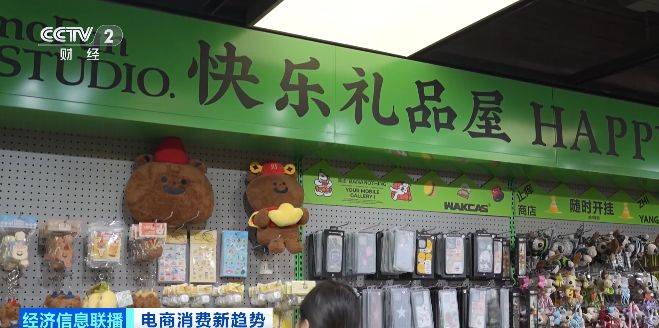
Group 1 - The core viewpoint of the articles highlights the rise of "emotional consumption" among young consumers, with over 90% recognizing its value and nearly 60% willing to pay for it [1][9] - A significant trend is observed where young consumers prefer to spend small amounts for greater happiness, as evidenced by the popularity of stores like "Happy Gift House" in Shanghai [3] - The "2025 Generation Z Emotional Consumption Report" indicates that 56.3% of respondents engage in "happy consumption" for emotional value, marking a 16.2 percentage point increase from 2024 [9] Group 2 - Popular product categories that satisfy emotional value include plush toys, aromatherapy, stress relief toys, and various experiential and digital consumption options [9] - Data from a specific e-commerce platform shows a 100% year-on-year increase in the number of orders in the trendy toy category from October 10 to 20 [9] - The demand for self-care and wellness-related consumption has surged this year, with searches for "hair dye group buying" and "therapeutic wellness" increasing by over 145% and 188%, respectively [13]