养生

Search documents
北大教授李玲重磅发声:中国下一个增长极已现,规模或远超房地产!
新浪财经· 2026-01-15 09:32
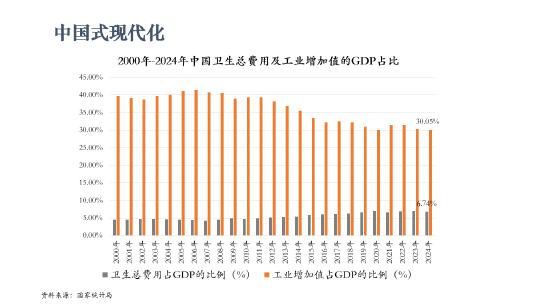
Core Viewpoint - The article emphasizes the importance of transitioning China's healthcare system from a disease-centric model to a health-centric model, highlighting the need for preventive care and a focus on overall well-being as part of the "Healthy China" national strategy [6][10]. Group 1: Healthcare System and Spending - China is recognized as the world's strongest industrialized nation, with significant progress in healthcare reform. In 2024, the total health expenditure in China was approximately 90,895.5 billion yuan, with government spending at 24.9%, social spending at 47.6%, and personal spending at 27.5%. The per capita health expenditure was 6,454.4 yuan, and the total health expenditure as a percentage of GDP fell below 7% for the first time, standing at 6.7% [4]. - The government is shifting the healthcare model to a system where hospitals and healthcare providers are incentivized to keep people healthy rather than treating them after they become ill. This involves creating a "health community" where resources are pooled to promote health and prevent disease [7]. Group 2: Challenges and Opportunities - The aging population presents significant challenges but also opportunities for a new development paradigm termed "Health+" that integrates healthcare, pharmaceuticals, green food, wellness, and elderly care into a new health industry. This industry is expected to be a lifelong necessity for individuals and could surpass the real estate sector in scale [8]. - The integration of artificial intelligence and new productive forces is seen as a competitive advantage for the nation, enabling a comprehensive health management system that spans an individual's entire life cycle [10]. Group 3: Global Contribution and Future Vision - The "Healthy China" initiative is positioned not only as a new development model for China but also as a potential original contribution to global health, leveraging China's rich agricultural civilization and wisdom in health [10]. - The article contrasts China's approach to health with that of the United States, suggesting that the challenges faced by the U.S. healthcare system present an opportunity for China to lead in global health solutions [10].


北京大学国发院教授李玲:新型大健康产业规模不可限量,“可以远远超过房地产”
Xin Lang Cai Jing· 2026-01-15 04:23
Core Viewpoint - The "Sina Finance 2025 Conference and the 18th Golden Unicorn Forum" emphasizes the theme of reshaping growth paradigms and creating future prosperity, highlighting the importance of health in China's modernization strategy [1][9]. Group 1: Healthcare Spending and Trends - In 2024, China's total health expenditure is estimated at 90,895.5 billion yuan, with government spending at 24.9%, social spending at 47.6%, and personal spending at 27.5% [1][9]. - The per capita health expenditure is 6,454.4 yuan, and the health expenditure as a percentage of GDP has dropped to 6.7%, marking a significant decline below 7% for the first time [1][9]. Group 2: Challenges and Strategic Shifts - The primary challenge facing China is population aging, necessitating a shift from a disease treatment focus to a health-centered approach, promoting disease prevention [4][12]. - The "Healthy China" national strategy prioritizes health as a key indicator of socialist modernization, requiring collaboration among government, society, and individuals to implement a preventive health model [4][12]. Group 3: Systemic Changes in Healthcare - The government is promoting a systemic approach to healthcare, integrating county, township, and village services into a cohesive "health community," moving away from a profit-driven model based on patient volume [5][13]. - The "Sanming Model" aims to incentivize hospitals and doctors to manage patients' health effectively, with a goal of nationwide implementation within four years [5][13]. Group 4: Opportunities in the Health Industry - The aging population presents opportunities for a new "health+" development paradigm, integrating healthcare, pharmaceuticals, green food, wellness, and elderly care into a large health industry [5][13]. - This emerging health industry is expected to be a lifelong necessity for individuals, with potential market size surpassing that of real estate, serving both Chinese citizens and the global population [5][13]. Group 5: Future Health Management - The envisioned future health model includes a personal health code system, utilizing AI for continuous health management throughout an individual's life, aiming to reduce disease incidence and promote longevity [6][14]. - The integration of traditional wisdom with modern technology is seen as a unique contribution from China to global health, especially in light of challenges faced by developed nations like the U.S. [6][14].
美体按摩行业AI代替老师傅,秀域转型故事与消费投诉的博弈!
Sou Hu Cai Jing· 2025-12-17 01:43
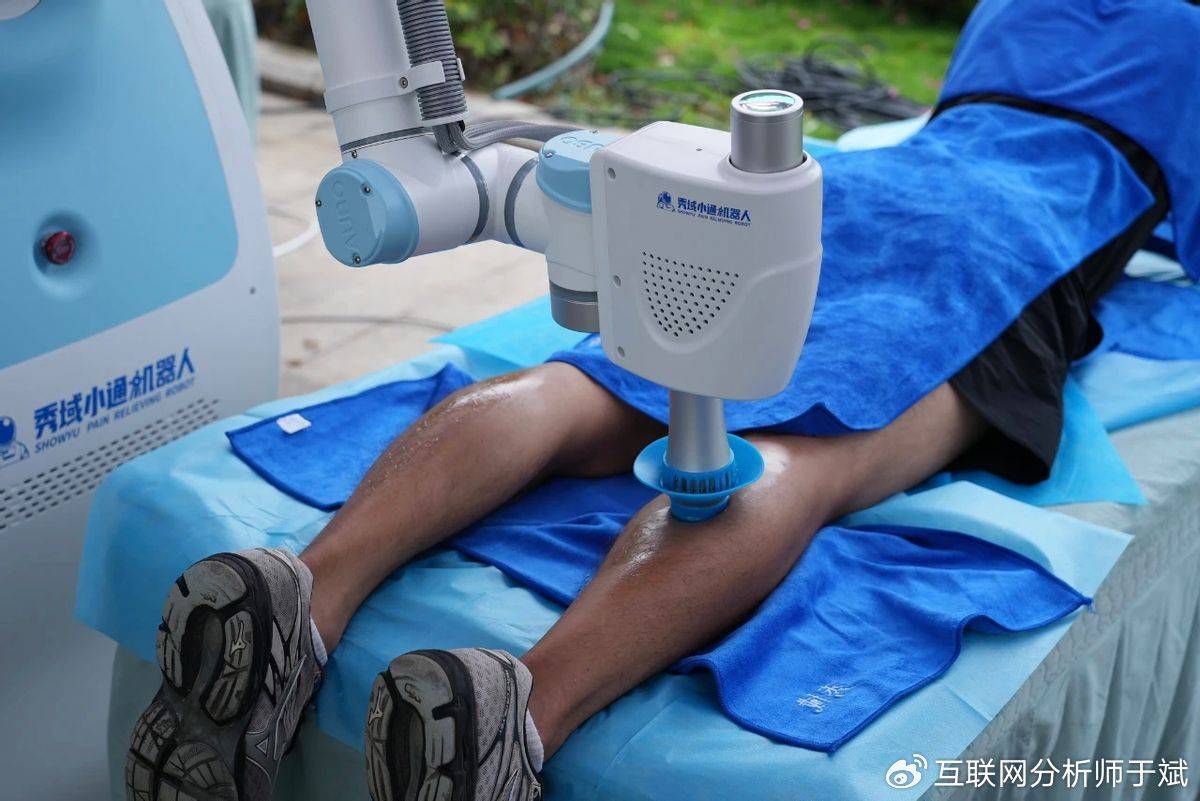
Core Insights - The massage and wellness industry is undergoing a transformation driven by technology, particularly AI and robotics, which aim to address rising labor costs and improve service standardization [1][6][10] - The market for massage and foot therapy is projected to reach 700 billion yuan by 2025, but the top 10 brands maintain only an 8.5% order share, indicating a lack of strong brand loyalty [3][6] - Traditional massage services face challenges in replicating the quality and experience of skilled technicians, leading to increased consumer expectations for enhanced service experiences [6][8] Industry Trends - The introduction of AI massage robots is seen as a solution to reduce labor costs and improve service consistency, allowing businesses to operate with less reliance on human technicians [6][10] - The technology promises to replicate the "feel" of skilled massage through algorithms and sensors, addressing deep muscle issues that traditional methods may not effectively reach [8][10] - The "technology alliance" model proposed by companies like Xiu Yu aims to provide operational methods and technology to traditional wellness businesses, focusing on pain management and smart weight loss solutions [10] Consumer Feedback and Issues - There have been multiple consumer complaints regarding the safety and effectiveness of AI-driven services, with reports of discomfort and injuries during treatments [11][20][23] - Specific cases include complaints about pain during treatments and ineffective results, leading to demands for refunds and compensation [12][15][34] - The industry faces challenges in ensuring consumer safety and satisfaction, as many AI systems struggle to accurately assess individual consumer needs and responses [23][33] Ethical Considerations - The industry must establish ethical standards for the use of technology in health services, prioritizing consumer safety and evidence-based practices [43] - There is a need for a shift from a rapid iteration mindset to a more cautious approach in product development, ensuring that safety is proven under specific conditions [43]
“情绪消费”渐起!近六成青年愿意为情绪价值买单
Sou Hu Cai Jing· 2025-11-12 14:40
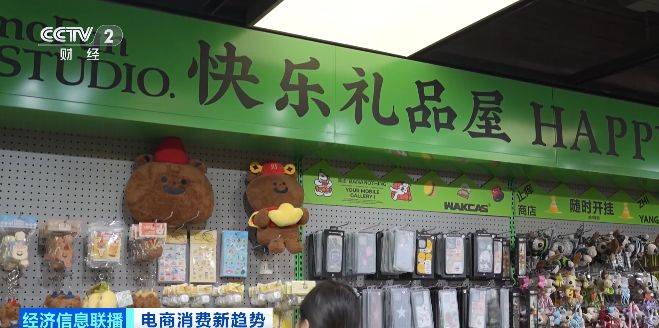
Group 1 - The core viewpoint of the articles highlights the rise of "emotional consumption" among young consumers, with over 90% recognizing its value and nearly 60% willing to pay for it [1][9] - A significant trend is observed where young consumers prefer to spend small amounts for greater happiness, as evidenced by the popularity of stores like "Happy Gift House" in Shanghai [3] - The "2025 Generation Z Emotional Consumption Report" indicates that 56.3% of respondents engage in "happy consumption" for emotional value, marking a 16.2 percentage point increase from 2024 [9] Group 2 - Popular product categories that satisfy emotional value include plush toys, aromatherapy, stress relief toys, and various experiential and digital consumption options [9] - Data from a specific e-commerce platform shows a 100% year-on-year increase in the number of orders in the trendy toy category from October 10 to 20 [9] - The demand for self-care and wellness-related consumption has surged this year, with searches for "hair dye group buying" and "therapeutic wellness" increasing by over 145% and 188%, respectively [13]
冬季消费陷阱多?这份“投诉地图”请收好
Xin Lang Cai Jing· 2025-11-06 03:14
Core Viewpoint - The article highlights the challenges consumers face during winter shopping and travel, emphasizing the importance of consumer protection channels like the national 12315 hotline and platforms like Black Cat Complaints to resolve issues effectively [1][2][3][4][5][6]. Group 1: Consumer Protection Channels - The national 12315 hotline serves as a reliable complaint channel for consumers facing issues with winter purchases, such as defective heating products or service disputes in the tourism sector [2][3]. - Black Cat Complaints is positioned as a solution for e-commerce and travel-related disputes, allowing consumers to report issues like false advertising or service discrepancies easily through various digital platforms [3][4]. - Consumer Protection services offer support for unique winter consumption scenarios, such as health services and holiday shopping, ensuring that consumers can report issues like substandard service or product quality [4][5]. Group 2: Industry Associations and Media Role - Industry associations, such as the China Ski Association, play a crucial role in mediating disputes specific to their sectors, ensuring safety and fair pricing in winter sports [5][6]. - Media coverage can significantly influence the resolution of consumer complaints by exposing issues to the public, thereby applying pressure on businesses to rectify problems [6].
2025重庆首届臻享商惠节在渝中启幕
Sou Hu Cai Jing· 2025-10-15 09:53
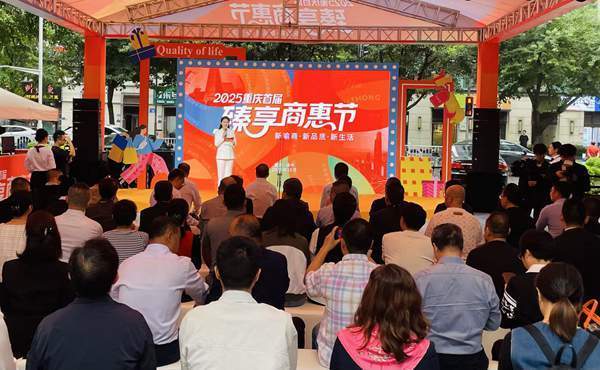
Core Viewpoint - The first Chongqing Premium Business Festival aims to enhance the quality of life for citizens by promoting high-quality consumption and integrating various enterprises to stimulate the local economy [3][4]. Group 1: Event Overview - The Chongqing Premium Business Festival is held from October 15 to 17, 2025, in the Jialing Center Square, providing citizens with opportunities to purchase quality goods [1]. - The event is supported by the Chongqing Federation of Industry and Commerce and organized by the Yuzhong District Federation of Industry and Commerce, focusing on the theme "New Chongqing Business, New Quality, New Life" [3]. Group 2: Objectives and Initiatives - The festival aims to leverage the role of business associations to promote collaboration among private, state-owned, central, and foreign enterprises, facilitating resource integration and market sharing [3][4]. - Initiatives include "Four Enterprises Joint Discounts" across various consumer sectors such as automotive, home goods, photography, wellness, and pets, with measures like direct price reductions and interactive consumption experiences [3]. Group 3: Activities and Attractions - The event features ten distinctive exhibition areas, including smart automotive experiences and smart home product displays, attracting significant public interest [3]. - Interactive activities are organized, such as showcasing porcelain aesthetics and engaging with exotic pets to educate the public [3]. Group 4: Economic Context - Chongqing has been promoting deep integration of logistics, finance, and technology services with manufacturing, providing robust support for the consumer market [4]. - Business associations in Chongqing have facilitated over a thousand cooperative projects and addressed numerous operational challenges, contributing to the high-quality development of the local private economy [4].
富养自己的8件好物,后悔没早买!
洞见· 2025-08-11 02:00
Core Viewpoint - The article highlights the rapid rise of domestic brands in China, showcasing their high quality, affordability, and effectiveness, which has led to a significant shift in consumer preferences towards domestic products [2][4][6]. Group 1: Rise of Domestic Brands - Domestic products have transformed from being perceived as low-quality to becoming highly regarded for their quality and design [4]. - Brands like Shilang, Pianzihuang, and Mayinglong are gaining popularity due to their professional capabilities and effective products [5][6]. - The article emphasizes the importance of "Made in China" as a symbol of quality and innovation in the current market [6]. Group 2: Recommended Domestic Products - A selection of high-quality domestic products is presented, including: - Shilang Anti-Hair Loss Shampoo, priced at 69.9 yuan for 2 bottles, known for its effectiveness in reducing hair loss [9][39]. - Guangzhou Baiyunshan Sanfu Plaster, priced at 69 yuan for 4 boxes, used for alleviating dampness and cold [42][54]. - Rongsheng Astaxanthin Mask, priced at 49 yuan for 30 pieces, praised for its skin-tightening and brightening effects [68][91]. - Oushiman Electric Eye Cream, priced at 99 yuan for 3 tubes, recognized for its moisturizing and anti-aging properties [95][112]. - Teniina Luxurious Innerwear, priced at 69 yuan per piece, noted for its comfort and stylish design [115][133]. - Aicao Health Cooling Cushion, priced at 29 yuan, designed to expel dampness and improve comfort [137][173]. - Bodhi Root Double Circle Bracelet, priced at 49 yuan, made from genuine materials and appreciated for its aesthetic appeal [175][208]. - New Balance Sports Shoes, priced at 99 yuan, highlighted for their comfort and versatility [210][237]. Group 3: Consumer Engagement and Feedback - The article encourages readers to share their experiences with domestic products, emphasizing that consumer recognition contributes to the growth of domestic brands [8][9]. - Positive feedback from users is highlighted, showcasing the effectiveness and satisfaction derived from using these domestic products [29][37].