
数字艺术

Search documents
学习规划建议每日问答 | 如何理解大力发展文化旅游业
Xin Hua She· 2026-01-12 14:01
Core Viewpoint - The Chinese government emphasizes the deep integration of culture and tourism as a key strategy for economic and social development, aiming to build a culturally strong nation and a tourism powerhouse [1] Group 1: Importance of Cultural Tourism - Cultural tourism is a vital part of the national economy and a means to meet the people's needs for a better life, characterized by creativity, sustainability, and low consumption [2] - The cultural tourism sector is expected to generate approximately 19.1 trillion yuan in revenue and domestic travel spending is projected to reach about 5.8 trillion yuan in 2024, reflecting growth rates of 7.1% and 17.1% respectively [2] Group 2: Development Strategies - The focus is on cultivating new business models that integrate culture and tourism, enhancing the quality of tourism through cultural elements, and promoting various innovative tourism products and services [3] - There is a strong push for technological innovation in the cultural tourism sector, utilizing advanced technologies like 5G, big data, and AI to enhance traditional cultural industries and improve service quality [3] - The strategy includes expanding both domestic and international markets, encouraging cultural enterprises to enhance their global presence and improve the competitiveness of cultural and tourism businesses [4] - Policy support is crucial, with an emphasis on funding, investment models, and establishing a comprehensive evaluation system for cultural and tourism enterprises [4]
走进北京双年展,看见缤纷世界(深观察)
Ren Min Ri Bao Hai Wai Ban· 2026-01-06 22:59
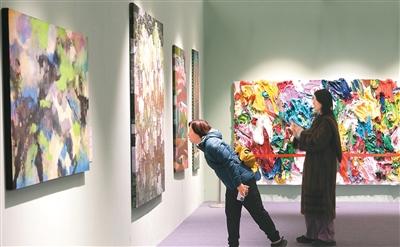
Core Viewpoint - The 10th Beijing International Art Biennale, held in early 2026, showcases nearly 600 contemporary artworks from around 120 countries, focusing on themes of peace, ecological civilization, and technological ethics, telling stories of Beijing, China, and the world [4]. Group 1: Exhibition Overview - The biennale features a theme of "Symbiosis," structured as a combination of thematic exhibitions, special exhibitions, and country exhibitions, presenting a diverse range of art forms including traditional and contemporary styles [5]. - The exhibition includes works that reflect artists' thoughts on "symbiosis," such as Zhang Minjie's print "Melody of Peace," which juxtaposes Greek and Chinese sculptures [5][6]. Group 2: Digital Art Focus - This year's biennale emphasizes technological advancements by incorporating digital, installation, and new media art, showcasing global artists' explorations in the digital age [7]. - The "Human Intelligence Symbiosis: Digital Art Special Exhibition" features over 50 artists using AI art, interactive installations, and immersive imagery, creating a multidimensional "conceptual experimental field" [7][8]. Group 3: Cultural Integration - The "International Contemporary Ink Art Special Exhibition" presents around 50 artists blending traditional ink techniques with modern media, highlighting the cultural inclusivity and innovation of ink art [8][9]. - The biennale aims to modernize and transform traditional cultural practices into contemporary artistic innovations, addressing challenges faced by both Chinese and global art [9]. Group 4: Community Engagement - The biennale includes a New Year's Eve event where children and artists create art together, enhancing community involvement and cultural exchange [10]. - The introduction of the "Biennale Art Market" offers a blend of dining, cultural products, and lifestyle experiences, promoting the integration of culture, commerce, tourism, and exhibitions [10]. Group 5: Historical Significance - Established in 2002, the Beijing International Art Biennale has connected over 150 countries and regions, becoming a significant platform for international art exchange and showcasing the diversity of human civilization [10][11]. - The biennale has evolved into a well-known brand in the international art community, attracting both general audiences and professionals with its rich content and diverse artistic forms [11].

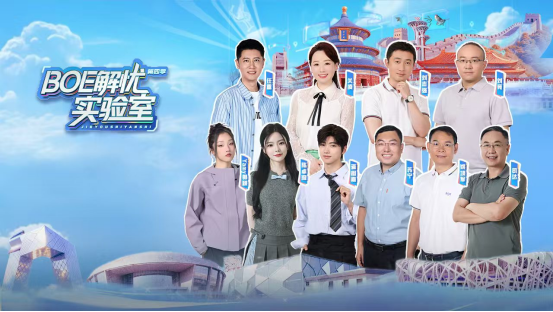
京东方《BOE解忧实验室》第四季收官,全平台曝光超4.79亿次
Zhong Guo Jin Rong Xin Xi Wang· 2025-09-24 03:19
Core Insights - The fourth season of the technology popular science variety show "BOE's Worry-Free Laboratory" has concluded, showcasing the intersection of technological innovation and cultural heritage through a unique format that combines Chinese landmarks with significant technological events [1][3] - The show has achieved a remarkable total exposure of over 479 million across all platforms, establishing itself as a benchmark case for technology companies in deepening brand value communication through public science education [1][3] Group 1: Show Performance and Reception - The program has been well-received, with a peak viewership rating of 35 in Beijing, ranking third nationally among similar broadcasts, and topping the cultural new rankings on Youku [3] - The content has sparked widespread praise and interaction on social media, effectively bridging the communication gap between technology and the public [3] Group 2: Innovative Presentation and Cultural Integration - The show employs a narrative strategy of "landmarks as scrolls, technology as pen," allowing cutting-edge technology to interact with traditional Chinese culture in historical settings [4] - Guests from various industries, including Hisense, Vivo, and Geely, participated as "technology enablers," discussing the deeper logic and industrial value of technological innovation [4] Group 3: Corporate Mission and Future Direction - BOE positions itself as a significant player in the global Internet of Things innovation field, committed to popularizing scientific knowledge and promoting technological benefits for the public [5][6] - The program serves as a vital bridge connecting the company's innovative achievements with social value, exploring a feasible path for value sharing through high-level technology popularization [6]

中国艺术市场:从收藏热到全球领跑的华丽转身
Sou Hu Cai Jing· 2025-09-20 15:26
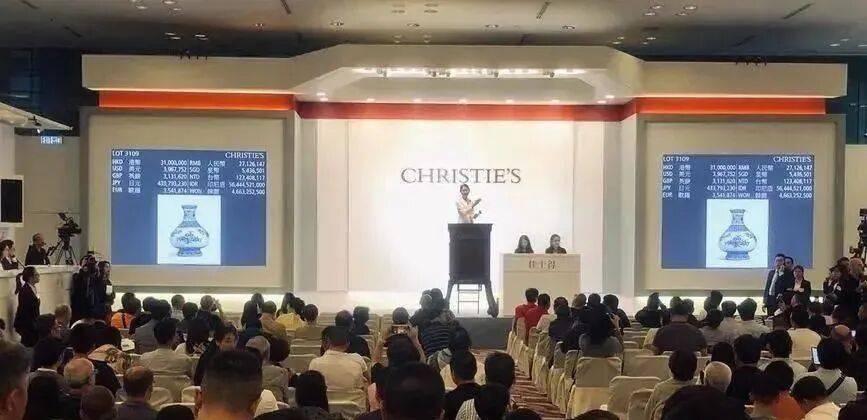
Core Insights - The Chinese art market has emerged as a significant player globally, achieving a transaction volume of $4.792 billion and capturing 38% of the global market share, despite a 23% decline in global pure art auction sales [1][14][17] Group 1: Market Development - The rise of the art collection trend in China is attributed to the rapid economic growth and increasing disposable income since the reform and opening-up period, leading to a shift in consumer focus towards cultural and spiritual investments [1][17] - The art market has evolved from a niche interest among a few collectors to a widespread phenomenon involving various age groups, including the younger generations who engage with contemporary and digital art [2][4][6][7] Group 2: Cultural and Economic Factors - China's rich cultural heritage, with thousands of years of civilization, provides a unique and abundant source of artistic treasures, which is a competitive advantage over other countries [14] - The growing collector base, estimated at nearly 100 million people, supports the vibrant trading environment in the art market [14][15] Group 3: Market Trends and Innovations - The concept of "art assetization" gained traction in 2017, transforming art from mere collectibles to valuable financial assets, with instances of artworks being used as collateral for loans [11][13] - The introduction of art investment products by banks and trust companies has democratized access to art investment, allowing more individuals to participate in the market [15] Group 4: Future Outlook - The future of the Chinese art market appears promising, with expectations of continued growth driven by economic stability and increasing cultural consumption among residents [17][18] - The involvement of younger generations and advancements in digital technology are likely to enhance the accessibility and appeal of art transactions, potentially leading to an even more dynamic market in the next thirty years [18]
江苏发布行动计划为文旅发展“划重点”
Jiang Nan Shi Bao· 2025-09-04 14:41
Core Viewpoint - Jiangsu Province is focusing on high-quality development of its cultural tourism industry through a three-year action plan, aiming to enhance product supply, expand consumer services, and optimize the market environment [1][2][4][6] Group 1: Action Plan Overview - The action plan includes six major actions and 22 key tasks to promote the cultural tourism industry [1] - Key actions involve improving product supply, expanding consumer services, and optimizing the market environment [1][6] Group 2: Leveraging Events for Tourism - The "Su Super" football league has attracted significant attendance and online viewership, with 149.4 million people attending matches and 13.3 billion online views [2] - The action plan proposes themed travel routes and creative products to convert sports event traffic into tourism revenue [2] Group 3: Museum and Night Tourism - Popular museums have seen a 25% increase in night-time consumption, prompting the plan to encourage extended hours and new night tourism projects [3] - The goal is to reach 150 million annual visitors to registered museums by 2027 [3] Group 4: Infrastructure and Technology - The plan emphasizes the development of cultural and ecological tourism corridors and the integration of modern technology in the tourism sector [4] - It encourages the creation of smart tourism experiences and supports technological advancements in the industry [4] Group 5: Industry Cluster Development - The action plan aims to cultivate high-quality cultural tourism enterprises and promote the growth of digital cultural companies, targeting over 3,000 digital cultural enterprises by 2027 [6] - The plan also seeks to establish national and provincial cultural and tourism industry demonstration zones [6] Group 6: Institutional Mechanisms - The plan proposes innovative mechanisms for public service enhancement and financial support for tourism enterprises [7] - It emphasizes the need for coordinated development of cultural tourism within the broader economic framework of the province [7]