中国风

Search documents
英媒关注中国奢侈品牌崛起:欧洲品牌该担忧了
Guan Cha Zhe Wang· 2026-02-19 01:39
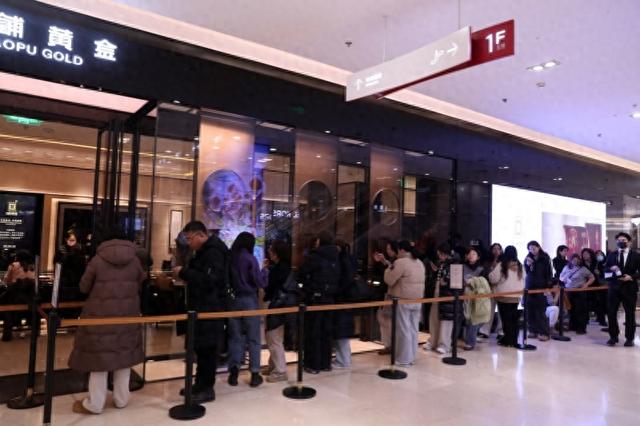
Core Viewpoint - Chinese luxury brands are rapidly rising, driven by high cost-performance and cultural confidence, attracting attention from Western media [1] Group 1: Rise of Chinese Luxury Brands - The emergence of local luxury brands signifies a transformation in China's national image, moving from a producer of cheap imitations to a hub of innovation [1] - The rise of these brands is supported by government advocacy for "Guochao" (national trend) and an increase in cultural confidence among Chinese consumers [1] - The influence of Chinese luxury brands is expanding across various consumer sectors, including fashion, jewelry, automobiles, and high-end wine [1] Group 2: Competitive Advantages - Chinese luxury brands offer more attractive pricing, with products like Songmont handbags priced around $500 (approximately 3,450 RMB), significantly lower than European counterparts [4][5] - The business model of Chinese brands is more flexible due to lower rental costs compared to luxury flagship stores in Milan or Paris, allowing for better profit margins [5] - Chinese brands emphasize local characteristics, integrating traditional elements into their products, which resonates with the growing interest in historical culture among the public [5] Group 3: Market Expansion and Potential - Chinese companies that succeed in the domestic market are often capable of extending their competitive advantages overseas, with brands like Bosideng testing international waters [5] - The market capitalization of brands like Laopuyuan has surged to nearly $18 billion (approximately 125 billion RMB), reflecting rapid growth from under $1 billion at the time of their 2024 IPO [6] - The trend of rising Chinese luxury brands poses a significant challenge to European competitors, indicating a shift in the luxury market landscape [7]

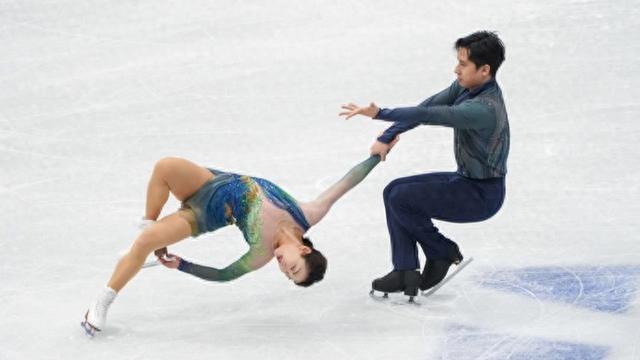
米兰的冰面吹起中国风
Xin Lang Cai Jing· 2026-02-16 06:47
Group 1 - The article highlights the pride of Chinese figure skaters Sui Wenjing and Han Cong in showcasing Chinese culture at the Winter Olympics, particularly through the performance of the piece "Butterfly Lovers" [5][7] - The piece "Butterfly Lovers" has been featured multiple times in Winter Olympic history, with its first appearance by Chinese skater Chen Lu in 1988, who won a bronze medal, marking a significant achievement for Chinese figure skating [5][9] - The article emphasizes the growing recognition of Chinese cultural elements in international sports, suggesting that Chinese aesthetics are becoming an "international language" that resonates with audiences globally [7][9] Group 2 - Sui Wenjing and Han Cong plan to depict the cultural heritage of China through their performance of "Only This Green," which narrates the story of the "Thousand Li of Rivers and Mountains" painting, indicating a deep cultural dialogue through their art [9] - The article notes that while scores in competitions may change, the flow of culture and its impact tend to have a lasting presence, highlighting the significance of cultural exchange in the context of the Winter Olympics [9]
(米兰冬奥会)在米兰,看见多样中国
Zhong Guo Xin Wen Wang· 2026-02-13 08:19
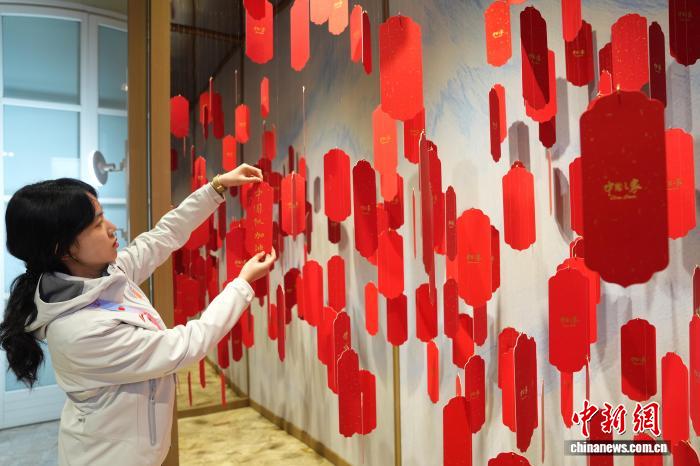
Group 1 - The Milan Winter Olympics features the largest delegation from China, showcasing diverse participation in this global ice and snow event [1] - Chinese elements are prominently displayed both on and off the ice, with performances incorporating traditional Chinese music and aesthetics [1] - The "China House" at the Winter Olympics highlights Chinese culture through exhibitions of traditional artifacts and interactive experiences for international visitors [3] Group 2 - Technological innovation is a key highlight of the Winter Olympics, with Chinese companies providing AI assistance and advanced visual effects for enhanced viewer experience [4] - The event is noted as the most intelligent Winter Olympics to date, with Chinese technology playing a significant role in its execution [4] - The integration of sports, culture, and technology reflects a vibrant image of China on the global stage [4]
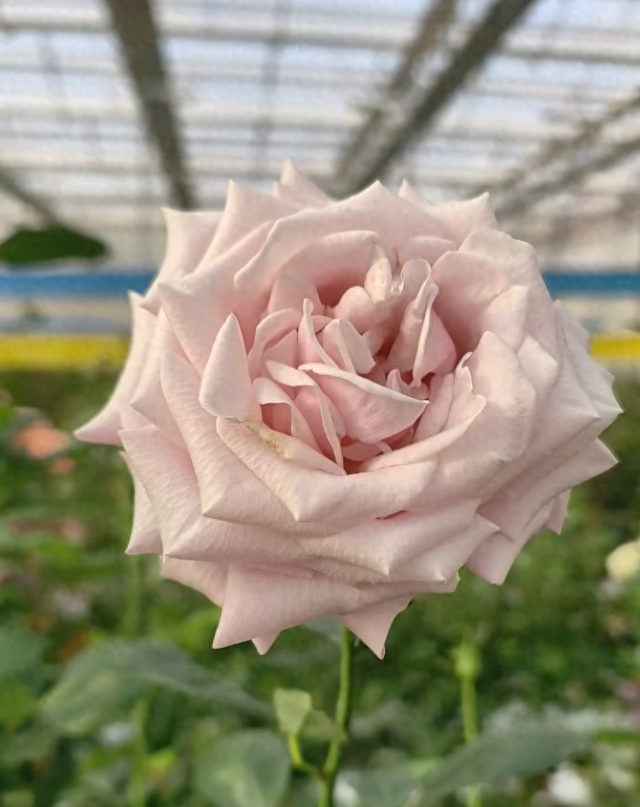
“这朵花,就叫‘娇龙’吧!”
Xin Lang Cai Jing· 2026-01-21 15:25
Core Viewpoint - The naming activity for the new rose variety "China Wind" has gained significant public attention, with the name "Jiaolong" receiving widespread support, particularly as a tribute to the recently deceased Xinjiang female official He Jiaolong [1][3]. Group 1: Naming Activity - The "Jiaolong" name has shown a clear lead in public support since the naming initiative began, reflecting a strong consensus among participants [3]. - The research team is considering whether to finalize the name "Jiaolong" ahead of schedule, similar to the previous naming of "Wenxiu Rose," due to its emotional resonance [5]. - Alternative names such as "Jiaolong Treading Snow" and "Jiaolong Fairy" may be developed if "Jiaolong" is already registered [5]. Group 2: Characteristics of the Rose - The "China Wind" rose variety is characterized by diverse flower shapes, fragrance, and a long blooming period, marking a systematic breakthrough in China's rose breeding efforts [5]. - The initiative emphasizes the integration of Eastern aesthetics and emotional expression in the cultivation of roses, allowing for public interaction with scientific achievements [7]. Group 3: Emotional and Cultural Significance - The naming process transforms the roses from mere scientific products into carriers of emotions and values, reflecting the ultimate goal of breeders to enhance public happiness [5]. - Public participation in naming allows the flowers to have a lasting legacy, as names can endure beyond the physical life of the flowers [7].
成为中国人在外网火了外国网友集体模仿中式生活
Xin Lang Cai Jing· 2026-01-16 16:01
Core Viewpoint - The article discusses a cultural trend on social media where foreign users are embracing Chinese lifestyle practices, reflecting a shift from mere observation to active participation in Chinese culture [1] Group 1: Cultural Trend - A TikTok video by Chinese-American influencer Sherry Xiiruii sparked a movement called "becoming Chinese," where foreign users share their experiences of adopting Chinese habits like cooking apples and practicing Qigong [1] - This trend signifies a broader acceptance and appreciation of Chinese culture, moving beyond stereotypes to a genuine engagement with daily Chinese life [1] Group 2: Global Perception - The phenomenon illustrates a growing global interest in Chinese culture, highlighting its appeal in providing a sense of order, inclusivity, and inner stability in a rapidly changing world [1] - The article emphasizes that this cultural exchange enriches human experiences and fosters a spirit of unity and shared pursuit of a better life among diverse cultures [1]
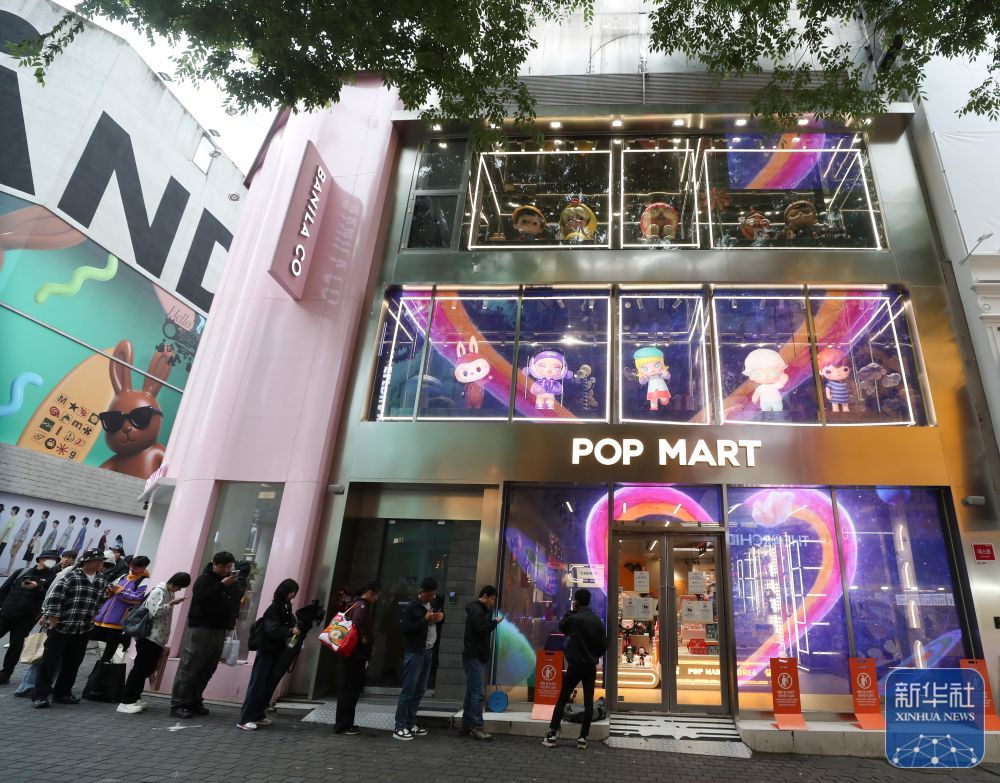
镜观世界|在韩国感受“中国风”
Xin Hua She· 2026-01-06 13:07
Group 1 - The integration of "Chinese elements" into Korean society is evident through various cultural and commercial exchanges, including the establishment of the "Korea-China Friendship Forest" and the presence of Chinese brands in sectors like tea, home appliances, and entertainment [1][5][7] - The popularity of Chinese brands is highlighted by consumer engagement, such as long queues at Chinese tea drink stores and demonstrations of Chinese robotic products in shopping centers [2][3] - Cultural exchanges are further emphasized by events like the "Hello Beijing" cultural tourism promotion, showcasing traditional performances in Seoul [7] Group 2 - The presence of giant pandas in South Korea, such as the panda "Fubao," has attracted significant public interest, culminating in emotional farewells as these animals return to China [4] - The "Korea-China Friendship Forest" serves as a cultural landmark, featuring statues and historical references that celebrate the shared heritage between the two nations [5][6]
在韩国感受“中国风”
Xin Lang Cai Jing· 2026-01-06 12:15
Group 1 - The integration of "Chinese style" into Korean society is evident through various elements such as cultural centers, giant pandas, and new tea drinks [1][2][5] - Chinese brands are gaining visibility in South Korea, with consumers engaging with products like tea drinks and robotic vacuum cleaners [2][3] - The "Korea-China Friendship Forest" serves as a cultural symbol, showcasing historical figures and promoting bilateral relations [7][8] Group 2 - Cultural exchange events, such as the "Hello Beijing" tourism promotion, highlight the growing interest in Chinese culture within South Korea [10] - The presence of Chinese cultural institutions, like the Korea-China Cultural Center, indicates a strengthening of cultural ties [11]
东西问|史芬娜:“中国风”何以风靡欧洲百余年?
Zhong Guo Xin Wen Wang· 2025-12-17 23:51
Core Viewpoint - The article discusses the historical and cultural significance of "Chinoiserie," or "Chinese style," in Europe, particularly during the 17th and 18th centuries, highlighting its impact on European art, culture, and intellectual thought [1]. Group 1: Historical Context - "Chinoiserie" originated from Western perceptions of China, with its earliest introduction to Europe traced back to the 13th century through Marco Polo's travels and writings [2]. - The "Age of Discovery" beginning in the 15th century further facilitated trade and cultural exchanges between Europe and China [2]. - Jesuit missionaries played a crucial role in the dissemination of "Chinoiserie" in the 17th and 18th centuries, bringing back Chinese goods and documenting their experiences in China, which contributed to the earliest European literature on China [2][3]. Group 2: Cultural Impact - The phenomenon of "Chinoiserie" influenced various European groups, including intellectuals and the general public, with Chinese porcelain becoming highly sought after and featured in numerous artworks [2]. - Chinese stories and architectural styles also gained popularity, with adaptations like "The Orphan of Zhao" being performed in Europe and European aristocrats incorporating Chinese elements into their homes [3]. - The artistic representation of "Chinoiserie" was often based on European imagination rather than authentic Chinese culture, leading to an idealized view of China as an "artistic paradise" [3]. Group 3: Intellectual Exchange - The writings of Jesuit missionaries in the late 17th and early 18th centuries portrayed China as a rational and wise civilization, sparking curiosity among European intellectuals [13]. - Enlightenment thinkers like Voltaire and Leibniz engaged with Chinese culture, which contributed to the development of European Enlightenment thought and discussions around morality and governance [13]. - The contrasting views of conservative and reformist Italian scholars regarding Chinese morality reflected broader debates in Europe about civilization and ethics during this period [13]. Group 4: Future of Cultural Exchange - In the contemporary context, the boundaries between "Eastern" and "Western" art are becoming increasingly blurred, suggesting a future where cultural expressions transcend national identities [17]. - The importance of mutual respect and cooperation among nations is emphasized as essential for fostering cultural exchange and understanding [17].

百余清代外销珍品在上海展现乾隆年间东西方交流史
Zhong Guo Xin Wen Wang· 2025-12-04 05:53
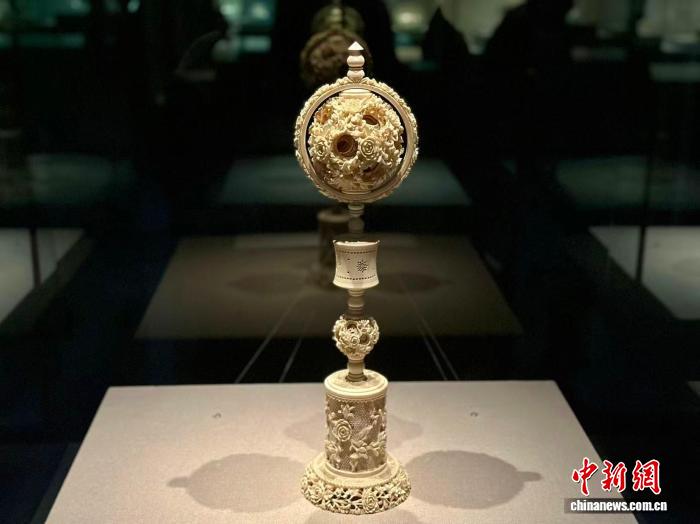
Core Viewpoint - The exhibition "Exquisite Harmony: Treasures of Qing Dynasty Export Art" opened to the public in Shanghai, showcasing the prosperity of Guangdong as a major center for export art following the implementation of the "Cohong Trade" policy in 1757, highlighting the cultural exchange between the East and West during that period [1][5]. Group 1: Exhibition Details - The exhibition is co-hosted by the World Expo Museum and the Guangdong Provincial Museum and features 119 pieces of Qing Dynasty export art, including categories such as Guangxiu, Guangcai, Guangdiao, Guangfalang, export paintings, silverware, lacquerware, export fans, and name card boxes [1][5]. - The exhibition will run until March 1, 2026, allowing ample time for public viewing and appreciation of the artifacts [5]. Group 2: Featured Artifacts - A highlight of the exhibition is the Qing Dynasty ivory carving of a multi-layered ball, known for its intricate craftsmanship, featuring 16 layers of "ghost balls" and high relief floral designs [3]. - Another notable piece is the Qing Dynasty blue and white Guangcai dinnerware set, which includes various vessels adorned with floral patterns and scenes from the classic Chinese love story "The West Chamber," illustrating the cultural impact of Chinese art on European aristocracy [5].
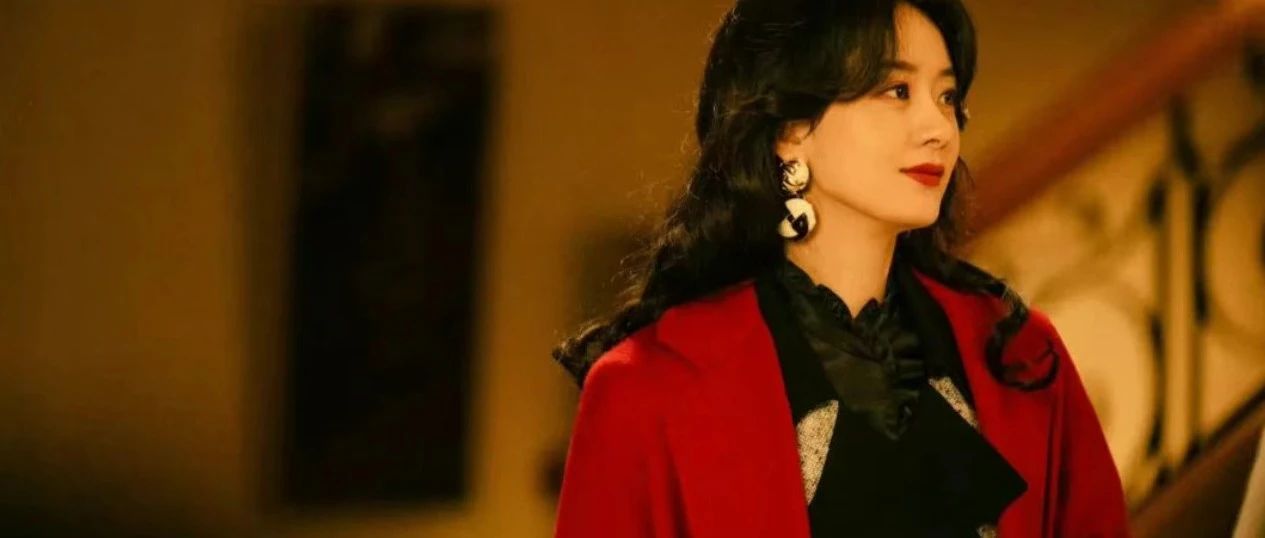
38岁赵丽颖,面相变了:从“土妞”到高级美,她做对了这件事
首席商业评论· 2025-08-18 04:41
Core Viewpoint - The article emphasizes the significance of Chinese aesthetics and its historical depth, showcasing how traditional Chinese art and design have influenced global aesthetics and continue to hold value in contemporary culture [4][10][40]. Summary by Sections Section 1: Transformation of Aesthetics - Zhao Liying's recent photoshoot reflects a transformation in her appearance and aura, showcasing the beauty of Chinese aesthetics [2][6]. - The article notes the shift from being criticized for a lack of sophistication to embodying a refined Chinese style that resonates with both local and international audiences [4][6]. Section 2: Historical Context of Chinese Aesthetics - The article discusses how Western art has often drawn inspiration from Chinese aesthetics, citing examples from history where European nobility admired and collected Chinese art [19][22]. - It highlights the long-standing appreciation for Chinese art, with references to historical figures and their collections that celebrated Chinese aesthetics [19][22]. Section 3: The Value of Chinese Art - A significant focus is placed on a comprehensive art book that compiles nearly 200 masterpieces from Chinese history, emphasizing its educational value and the depth of Chinese artistic heritage [26][42]. - The book is described as a treasure trove of Chinese art, offering insights into various historical periods and artistic techniques, making it a valuable resource for understanding Chinese aesthetics [30][32][40]. Section 4: Educational Importance - The article advocates for the importance of educating future generations about Chinese aesthetics, suggesting that understanding this heritage can enhance one's appreciation for art and culture [52][66]. - It encourages families to invest in resources that promote artistic literacy and cultural understanding, particularly through the highlighted art book [53][66]. Section 5: Accessibility and Promotion - The book is presented as an accessible means to explore Chinese art, with a promotional price significantly lower than its original value, making it an attractive option for collectors and art enthusiasts [55][93]. - The article emphasizes the book's luxurious presentation and the unique opportunity it provides to experience Chinese art in a detailed and immersive way [88][90].