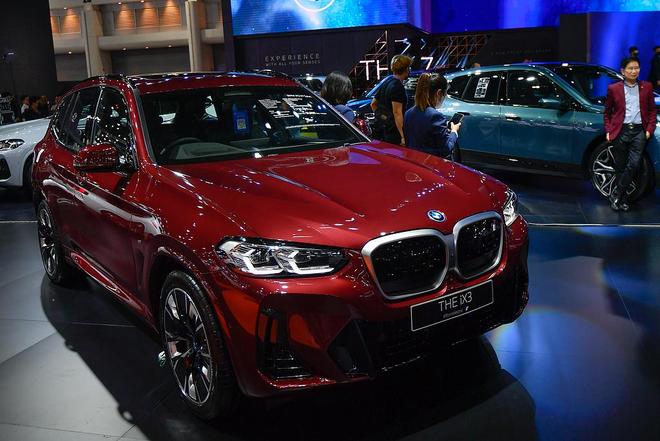
新世代平台

Search documents
从“多生孩子好打架”到“优生优育” 车企平台战略为何集体收缩?
经济观察报· 2026-01-25 04:58
Core Viewpoint - The automotive industry is shifting from a multi-platform strategy to a more integrated and compatible platform approach, reflecting the efficiency anxiety among companies in a competitive market [1][11]. Group 1: Platform Strategy Transition - Companies are moving from having multiple dedicated platforms for different vehicle types to developing universal platforms that can accommodate various vehicle categories and powertrains [2][4]. - Great Wall Motors has introduced a new platform called "Guiyuan," which can cover seven vehicle categories and five powertrain types, aiming to produce over 50 models based on this platform [2][4]. - International automakers like Volkswagen and BMW are also consolidating their platforms to enhance compatibility and efficiency [2][4]. Group 2: Reasons for Platform Strategy Shift - The shift is driven by a change in competitive focus from mechanical capabilities to intelligent features, where software and electronic architecture have become core elements [4][5]. - Companies are seeking to mitigate technological risks associated with betting solely on electric platforms, as the market now supports a coexistence of fuel, hybrid, and electric vehicles [5][6]. - The high hidden costs of developing and maintaining new platforms are pushing companies to adopt compatible platforms that can share components and reduce material costs significantly [6]. Group 3: Competitive Landscape and Future Trends - Despite the trend towards compatibility, some companies like Toyota and Hyundai continue to pursue multi-platform strategies, indicating a divergence in approaches based on company size and market needs [8][9]. - The future may see a reduction in the number of platforms to one or two super platforms, with a focus on standardized "skateboard" chassis that allow for flexible combinations of body styles and power sources [9][10]. - The competition will increasingly hinge on the sophistication of electronic architecture and software capabilities, rather than just platform diversity [10][11]. Group 4: Brand Structure Adjustments - The intensifying market competition is prompting companies to streamline their brand architectures, with several automakers integrating their brands into unified systems to enhance operational efficiency [10].


从“多生孩子好打架”到“优生优育”车企平台战略为何集体收缩?
Jing Ji Guan Cha Bao· 2026-01-24 04:27
Core Viewpoint - The automotive industry is shifting from multiple specialized platforms to versatile platforms that can accommodate various vehicle types and powertrains, reflecting a strategic response to market uncertainties and the need for efficiency [2][4][5]. Group 1: Platform Strategy Changes - Domestic automaker Great Wall Motors launched a new platform called "Guiyuan," which can cover seven vehicle categories and five powertrain types, aiming to produce over 50 models based on this platform [3]. - International automakers like Volkswagen and BMW are also consolidating their platforms, with Volkswagen planning to integrate multiple existing platforms into a single SSP platform [3][4]. - The transition from specialized platforms to compatible platforms signifies a return to survival efficiency, as companies focus on software and electronic architectures rather than just mechanical components [4][5]. Group 2: Market Dynamics and Risks - The automotive market is entering a "Warring States" era where fuel, hybrid, and electric vehicles coexist, making it risky for companies to invest heavily in single powertrain platforms [5]. - The shift to compatible platforms allows automakers to adapt to diverse regulatory environments and consumer demands with minimal costs, reducing the risk of misjudging technology trends [5][6]. - The increasing competition in the automotive market has made the hidden costs of developing new platforms significant, prompting companies to adopt compatible platforms that can share components and reduce material costs [6]. Group 3: Competitive Landscape - Despite the trend towards platform consolidation, some companies like Toyota and Hyundai continue to pursue multi-platform strategies to meet diverse market needs [7][8]. - Tesla exemplifies a single-platform approach, focusing on scale efficiency at the expense of some production flexibility [8]. - The choice between compatible and dedicated platforms depends on the company's market position and historical context, with larger automakers favoring compatibility while newer entrants may prefer dedicated platforms [8][9]. Group 4: Future Trends - Analysts predict that compatible platforms will become mainstream in the next 5 to 10 years, with the number of platforms reducing to one or two super platforms [9]. - Future platforms are expected to resemble standardized "skateboard chassis," allowing for flexible combinations of body styles and power sources, with competition shifting towards electronic architectures and software capabilities [9][10]. - The ongoing adjustments in brand architectures, such as mergers and consolidations among various brands under single corporate umbrellas, reflect the industry's response to competitive pressures and efficiency concerns [10].
从“多生孩子好打架”到“优生优育” 车企平台战略为何集体收缩?
Jing Ji Guan Cha Wang· 2026-01-24 03:57
Core Viewpoint - The automotive industry is shifting from multiple specialized platforms to versatile platforms that can accommodate various vehicle types and powertrains, reflecting a strategic response to market uncertainties and competitive pressures [2][3][4]. Group 1: Platform Strategy Shift - Domestic automaker Great Wall Motors launched a new platform called "Guiyuan," which can cover seven vehicle categories and five powertrain types, aiming to produce over 50 models based on this platform [2]. - International automakers like Volkswagen and BMW are also consolidating their platforms, with Volkswagen planning to integrate multiple existing platforms into a single SSP platform [2][3]. - The transition from multiple platforms to a universal platform strategy indicates a focus on efficiency and adaptability in response to changing market dynamics [3][4]. Group 2: Reasons for the Shift - The primary reason for this shift is the changing competitive landscape, where the focus has moved from mechanical capabilities to software and intelligent features [3]. - Companies are also seeking to mitigate risks associated with technology pathways, as the market now supports a coexistence of fuel, hybrid, and electric vehicles [4]. - Cost pressures are driving the need for compatible platforms, which can significantly reduce material costs by increasing parts commonality to over 70% [4][5]. Group 3: Industry Trends and Future Outlook - Many automakers are also streamlining their platform offerings, with companies like Mercedes-Benz and Ford cutting back on certain platforms due to poor sales performance [5]. - Despite the trend towards compatibility, some companies like Toyota and Hyundai continue to maintain multiple specialized platforms to cater to diverse market needs [6][7]. - The future is expected to see a reduction in the number of platforms to 1 or 2 super platforms, with a focus on standardized "skateboard" chassis designs that allow for flexible combinations of body styles and power sources [8][9].
挑战中国对手,“赌上全部身家”
Guan Cha Zhe Wang· 2025-09-03 07:06
这类车最重要的特征是采用集中式计算机系统取代硬件。"新世代平台"的技术将使车辆算力达到当前车 型的20倍以上,并大幅降低汽车电子设备的复杂程度。 除了长达800公里的电动续航里程、更快的充电速度,"新世代平台"系列车型还将搭载4个"超级大脑", 极大地改善车内通信、信息娱乐显示、自动驾驶和其他车辆功能。 【文/观察者网 阮佳琪】 据英国《金融时报》3日报道,德国宝马集团正押注由"超强大脑"驱动的软件控制电动汽车,为此已投 入超过100亿欧元。这也是当前陷入困境的传统车企中,为抗衡中国竞争对手与美国车企特斯拉所做出 的"最具雄心的尝试之一"。 报道称,长期以来,欧洲、美国与日本的传统汽车集团,在软件开发领域长期落后于小米、小鹏等新一 代中国汽车制造商,以及马斯克的特斯拉。为此,宝马于2021年首次公布了"新世代平台"(Neue Klasse)的概念。 不过报道提到,即便"新世代平台"带来诸多技术突破,宝马能否缩小与中国竞争对手的差距仍未可知。 而且,传统车企还面临另一大劣势:中国车企生产电动车的成本远低于前者。 与大众等竞争对手不同,宝马不自主生产电池电芯,但会自主开展电芯与电池化学领域的研究,同时与 宁德时代 ...