
新茶食

Search documents
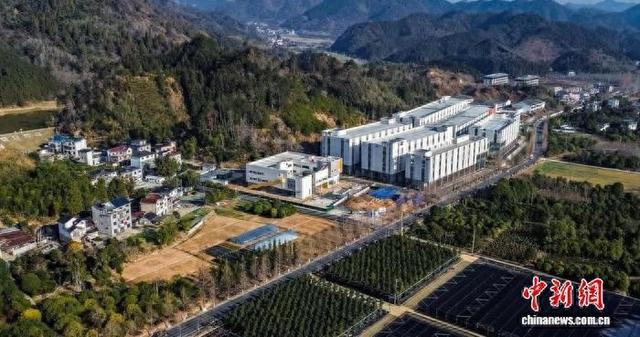
浙江开化打造茶饮供应链“超级工厂” 竞逐新茶饮赛道
Xin Lang Cai Jing· 2026-01-09 14:34
Group 1 - The core event is the launch of the "Three Tea Integration" Innovation Park in Longding Tea Town, aimed at promoting high-quality development in the new tea beverage and food sector [1][2] - The Innovation Park is recognized as the largest and most intelligent tea processing facility in Zhejiang Province, featuring a building area of 60,000 square meters and 12 fully automated production lines, addressing supply chain challenges in the new tea beverage market [1][4] - The new tea beverage category targets young consumers and is characterized by fresh ingredients, innovative technology, and brand value, becoming a significant trend among the youth [2] Group 2 - The local government emphasizes the historical significance of tea production in Kaihua, which dates back to the late Tang Dynasty, and highlights recent successful product developments like Longding Tea Beer and Kaihua Tea Wine, contributing to a total industry output value exceeding 3.8 billion yuan [2] - The "super factory" integrates various functions including initial processing, refinement, automatic packaging, blending, and storage, aiming to become a central hub for tea raw material aggregation and value addition in the region [4] - The park is positioned as an innovation leader in the tea industry, enhancing the resilience and value of the tea supply chain in Kaihua and the broader Quzhou area [4][5]

165万茶农人均增收1.83万元 浙江多元解锁茶产业“共富密码”
Zhong Guo Chan Ye Jing Ji Xin Xi Wang· 2025-07-30 06:05
Core Viewpoint - Zhejiang province is accelerating the high-quality development of its tea industry, aiming to enhance employment and income for tea farmers while promoting the region's tea culture and brand recognition [1][2]. Group 1: Employment and Income - In 2022, Zhejiang had 1.65 million individuals engaged in tea production, with an average income increase of 18,300 yuan per tea farmer, contributing to over 100 million jobs and 10 billion yuan in income [1]. - During the spring tea picking season, Zhejiang attracts over 500,000 tea pickers from other provinces, with an average monthly income exceeding 6,000 yuan [1]. Group 2: Industry Development Goals - The government aims to expand tea garden area to 3.2 million acres and achieve an agricultural output value of 31.5 billion yuan in 2023, with plans to cultivate 20 nationally influential tea brands and target a comprehensive output value of 130 billion yuan [2]. - By 2027, the tea garden area is expected to reach 3.3 million acres, with an agricultural output value of 35 billion yuan and an increase in influential tea brands to 30, aiming for a comprehensive output value of 150 billion yuan [2]. Group 3: Product and Brand Strategy - The strategy focuses on strengthening four major tea production areas: Longjing tea, Baihua tea, early tea, and other specialty teas, with green tea as the primary product [2][3]. - The development will include a variety of tea products such as tea beverages, tea foods, and tea health products, enhancing the overall brand strength of Zhejiang tea [2][3]. Group 4: Technological and Market Innovations - The province plans to promote the global marketing of premium green tea and support the export of tea products, targeting an export value of over 500 million USD [3]. - Emphasis will be placed on digital transformation across the entire tea industry chain, from cultivation to consumption, to enhance efficiency and value [3]. Group 5: New Tea Products and Standards - New tea beverages and foods are emerging as growth areas, with established brands like Nongfu Spring and Gu Ming leading the market [5]. - Zhejiang aims to develop a standardized production system for new tea beverages, focusing on quality and traceability, with 23 companies already participating in the traceability program [6]. Group 6: Export and Internationalization - In 2022, Zhejiang exported 156,000 tons of tea worth 470 million USD, maintaining a leading position nationally [7]. - The province plans to expand its export portfolio to include premium teas and new tea beverages, enhancing international standards and quality management systems [7].