
新茶饮供应链

Search documents
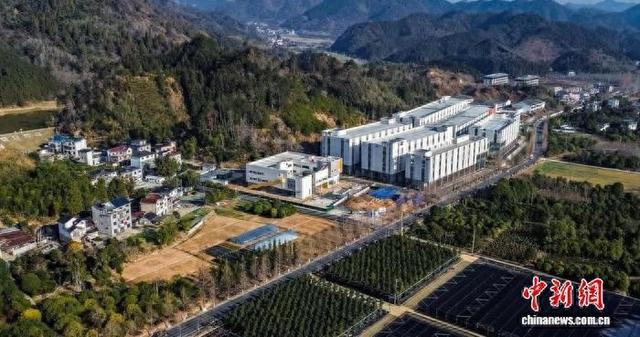
浙江开化打造茶饮供应链“超级工厂” 竞逐新茶饮赛道
Xin Lang Cai Jing· 2026-01-09 14:34
Group 1 - The core event is the launch of the "Three Tea Integration" Innovation Park in Longding Tea Town, aimed at promoting high-quality development in the new tea beverage and food sector [1][2] - The Innovation Park is recognized as the largest and most intelligent tea processing facility in Zhejiang Province, featuring a building area of 60,000 square meters and 12 fully automated production lines, addressing supply chain challenges in the new tea beverage market [1][4] - The new tea beverage category targets young consumers and is characterized by fresh ingredients, innovative technology, and brand value, becoming a significant trend among the youth [2] Group 2 - The local government emphasizes the historical significance of tea production in Kaihua, which dates back to the late Tang Dynasty, and highlights recent successful product developments like Longding Tea Beer and Kaihua Tea Wine, contributing to a total industry output value exceeding 3.8 billion yuan [2] - The "super factory" integrates various functions including initial processing, refinement, automatic packaging, blending, and storage, aiming to become a central hub for tea raw material aggregation and value addition in the region [4] - The park is positioned as an innovation leader in the tea industry, enhancing the resilience and value of the tea supply chain in Kaihua and the broader Quzhou area [4][5]

解读新茶饮品牌TOP50:拼口味是幌子,供应链才是真王牌?
Nan Fang Nong Cun Bao· 2025-12-16 14:03
Core Insights - The new tea beverage industry is shifting its competitive focus from front-end brand marketing to the depth of supply chain systems, highlighting the importance of supply chain capabilities in achieving success in a market valued at 350 billion [14][23][88] - A recent report and ranking of the top 50 new tea beverage supply chain brands emphasizes the need for collaboration between eastern and western regions of China, moving beyond traditional metrics like store count and revenue to evaluate core supply chain attributes [6][9][11] Industry Trends - The industry is transitioning from a phase of rapid growth to a key transformation period characterized by structural differentiation, with a notable increase in the closure of smaller brands [12][21] - The report indicates that the number of new tea beverage stores opened in the past year was 118,000, while closures reached 157,000, leading to accelerated market consolidation [20][21] Supply Chain Dynamics - The supply chain is now recognized as the "invisible backbone" of the new tea beverage industry, with a focus on raw material quality, supply capacity, efficiency models, and service depth [5][10][14] - Companies are increasingly leveraging AI for accurate sales forecasting, achieving an error rate of less than 5% and improving inventory turnover rates by 40% [3][4] Cost Management Strategies - Successful companies are not merely reducing costs through lower-quality ingredients but are optimizing logistics and production processes to maintain product quality while achieving cost savings [28][33] - For instance, a large restaurant chain's switch from a 60 yuan per kilogram coffee bean to a 50 yuan option resulted in minimal savings at the expense of taste, while optimizing logistics for fresh milk can yield significant cost reductions without compromising flavor [28][30][33] Product Innovation - Health-conscious trends are shaping product offerings, with low-sugar and natural ingredients becoming standard, and the report predicts that by 2025, the usage rate of sugar substitutes in milk tea will reach 61.3% [42][43] - Innovations in packaging and equipment are crucial for scaling new tea beverage brands, with a shift from aesthetic appeal to enhancing consumer experience [47][48] Collaborative Ecosystem - The new tea beverage industry is moving towards a "co-creation" model where brands and suppliers work together to meet consumer demands and share risks [55][62] - This collaborative approach is exemplified by customized logistics solutions and standardized quality measures that enhance operational efficiency and product consistency [57][64] Global Expansion - Leading brands are focusing on global supply chain strategies, enhancing direct sourcing and intelligent distribution networks to improve responsiveness and efficiency [74][76] - The industry is also embracing digital technologies to streamline supply chain processes, with a focus on local adaptation and compliance in international markets [75][76] Cultural and Economic Impact - The new tea beverage sector is evolving into a complex industry that combines consumer and cultural attributes, significantly impacting agricultural development and rural revitalization [78][81] - The collaboration between Guangdong and Guizhou provinces is fostering a new tea beverage supply chain center, benefiting local tea farmers and enhancing their income [82][85]

中国新茶饮(供应链)企业TOP50揭晓!“媒体+智库”视角勾勒产业双价值标杆
Nan Fang Nong Cun Bao· 2025-12-12 09:33
Core Insights - The 2025 "Zhu-Zun Cup" China New Tea Beverage (Supply Chain) Brand Value Top 50 list and special report were released, highlighting the industry's core competitiveness and development trends [3][4][5] - The new tea beverage sector is identified as a "billion-level" core category in consumer markets, significantly activating agricultural development and serving as a key consumption engine for rural revitalization [14][15] - The industry is transitioning from rapid growth to a critical transformation phase, shifting focus from brand marketing to supply chain efficiency and cost management [15][21] Industry Overview - The report categorizes the top companies into five dimensions: brand leadership, flavor sourcing, supply chain support, integration capabilities, and ecological collaboration [9][10] - The evaluation criteria have evolved from traditional metrics like store count and revenue to a multi-dimensional analysis of raw material quality, supply capacity, service depth, and ecological construction [10][11] Strategic Developments - Supply chain strategies are moving from "scale expansion" to "efficiency enhancement and cost precision" for refined operations [20][21] - The product strategy emphasizes direct sourcing from origin and "healthy industrialization" to ensure quality [21][22] - Technological advancements focus on smart equipment upgrades and digital logistics to overcome efficiency bottlenecks [22][23] Collaborative Efforts - The initiative is supported by a collaboration model involving government, research institutions, enterprises, and tea farmers, aiming to enhance the income of tea farmers in Zunyi [26][28] - The event aims to establish Zunyi as a "national new tea beverage supply chain center" and create a national supply chain alliance [28][29] - The event also emphasizes social responsibility and the value of empowering rural revitalization through concrete agricultural goals [30] Event Highlights - The Guangdong-Qian collaboration team was recognized as an innovative demonstration unit for rural revitalization and new tea beverage supply chain construction [32] - The event attracted over 600 exhibitors, more than a thousand key buyers, and over ten thousand professional visitors, showcasing the significance of the agricultural industry in the Greater Bay Area [35][36]
茶香致远看粤黔:功夫在诗外的协作经济
Nan Fang Nong Cun Bao· 2025-09-21 03:05
Core Viewpoint - The 2025 Zuzhou Collaborative New Tea Beverage Supply Chain Development Conference aims to enhance cooperation between Guangdong and Guizhou provinces, focusing on high-quality development and creating a new benchmark for industrial collaboration in the tea industry [2][4][10]. Group 1: Conference Overview - The conference, themed "New Tea Beverage · Zuzhou Creation," gathered over 300 guests, including government representatives, academicians, and leaders from major tea beverage companies [3][4]. - The event emphasized "collaborative upgrading and integration upgrading" to promote deeper cooperation in the Zuzhou tea beverage industry chain [4][5]. Group 2: Economic Impact - The new tea beverage industry cluster in Zuzhou is projected to achieve a total output value of 7.18 billion yuan in 2024, with an expected annual output surpassing 1 billion yuan [20][21]. - The industry has already attracted significant interest, with 2025's first eight months showing a production value of 720 million yuan [20]. Group 3: Industry Development - The conference highlighted the transformation of the traditional tea industry into a new consumption model, marking a shift from "blood transfusion" to "blood production" in regional cooperation [9][10]. - The establishment of a national new tea beverage supply chain center in Zuzhou aims to create a new brand identity for the region [18][19]. Group 4: Innovations and Collaborations - Twelve companies signed contracts for 12 production and sales projects at the conference, totaling 112 million yuan, covering areas such as raw material supply and market expansion [30][31]. - The conference also introduced a new tea beverage supply chain trading platform to integrate upstream and downstream resources [40][41]. Group 5: Financial Support and Investment - Over 87 million yuan has been invested by Zhuhai to support processing center construction, technology upgrades, and brand promotion, with more than 30 new tea beverage projects initiated [47][48]. - Financial institutions have provided over 300 million yuan in credit to local tea companies, indicating strong financial backing for the industry [50][51]. Group 6: Community and Brand Development - The new tea beverage industry has positively impacted local communities, with 2,536 households and 9,130 tea farmers seeing increased incomes, averaging 11,000 yuan per year [72]. - The "Zuzhou New Tea Beverage" brand has gained traction in major consumer regions and has been recognized in various national events, enhancing its market presence [69][71].
不止于茶,共创未来:2025珠遵协作新茶饮供应链产销交流会即将启幕
Nan Fang Nong Cun Bao· 2025-09-18 13:34
Core Insights - The "2025 Zhuhai-Zunyi Collaboration New Tea Beverage Supply Chain Development Conference" is set to take place, aiming to enhance the tea beverage supply chain through systematic, high-end, and brand-oriented upgrades [2][3][4][12] - Zunyi, with its 2 million acres of ecological tea gardens, is positioned as a key hub for the national new tea beverage supply chain, leveraging its ecological advantages for large-scale and standardized production [9][12][25] - The conference will feature prominent industry representatives showcasing advancements in raw material development, process breakthroughs, and market expansion [13][14] Industry Trends - Experts from various institutions will discuss new trends in tea beverage technology, consumer behavior, and supply chain optimization, injecting fresh ideas and energy into the industry [15][18][20] - The collaboration between Zhuhai and Zunyi, initiated in 2021, has led to the establishment of a new tea beverage research institute and the creation of a national supply chain center, enhancing regional competitiveness [22][23][25] Future Outlook - The upcoming exchange meeting represents a new starting point for the qualitative development of the Zhuhai-Zunyi tea beverage industry and serves as an important practice for innovative cooperation between eastern and western regions [26][28]
成都才是真正的奶茶之都
3 6 Ke· 2025-09-12 00:01
Core Insights - Chengdu has emerged as a significant hub for new tea beverage brands, with a competitive landscape where brands vie for dominance in the bustling Chunxi Road commercial area [3][5][6] - The city is characterized by a vibrant consumer market, with a high Engel coefficient of 32.8% for food and beverage spending, indicating a strong preference for dining and leisure activities among its residents [6][8] - Chengdu's tea culture and favorable economic conditions have fostered the growth of numerous local brands, which are now expanding nationally and internationally [11][20][24] Consumer Market Dynamics - Chengdu is one of six cities in China with a retail sales total exceeding 1 trillion yuan, alongside major first-tier cities [6] - The city has over 10,000 new-style shops, including more than 6,000 tea beverage stores, reflecting a diverse and growing market [7][8] - The local population's preference for tea-based drinks has led to a significant demand for new tea beverages, further supported by government initiatives to boost consumption [12][14] Brand Development and Competition - Major brands like ChaBaiDao, Shuyi Shaoxian Cao, and Bawang Chaji have established their headquarters in Chengdu, leveraging the city's resources for expansion [5][8][20] - The competitive landscape is marked by the rapid emergence of local brands such as Li Shanshan Tea and Chen Duoduo, which are gaining traction in the market [24][26] - The supply chain advantages in Chengdu, including lower costs and access to quality raw materials, have enabled brands to establish production bases in the city [19][21] Supply Chain and Logistics - Chengdu's geographical location provides a strategic advantage for supply chain management, facilitating lower costs and efficient distribution networks [15][18] - The city is a key player in the tea supply chain, with significant tea production and processing capabilities, supporting the needs of new tea beverage brands [15][17] - Major brands are investing heavily in local supply chain infrastructure, with ChaBaiDao planning to invest 10 billion yuan in a supply chain headquarters [19] Global Expansion and Future Prospects - Chengdu is positioned as a gateway for brands looking to expand internationally, with established logistics networks supporting global distribution [20][21] - Local brands are not only targeting domestic markets but are also exploring opportunities in international markets, with some already entering countries like South Korea and the United States [21][23] - The ongoing development of Chengdu as a "tea capital" is expected to continue, with local brands aiming to establish a global presence while promoting Chinese tea culture [23][26]
南农晨读 | 碧水青峦
Nan Fang Nong Cun Bao· 2025-08-19 04:05
Group 1 - The opening of Jianghong Fishing Port marks a new round of marine fishing activities in the Beibu Gulf, with fishing boats setting sail on August 16 [3][4][5] - The event signifies a significant moment for local fishermen and the fishing industry, as it revitalizes economic activities in the region [3][4] Group 2 - The establishment of a provincial-level flower industry park in Yunfu City aims to enhance the local economy through the integration of media and agriculture, promoting the "Beautiful Economy" [21][23][26] - The initiative is part of a broader strategy to implement the "Hundred Thousand Ten Thousand Project," focusing on improving agricultural product market systems and boosting local economic development [24][25][26] Group 3 - The 15th Xinjiang Kashgar Central Asia South Asia Commodity Fair showcases products from the Guangdong-Hong Kong-Macao Greater Bay Area, highlighting the region's role as a fashion bridge [30][31][32] - The event emphasizes the importance of cross-regional trade and collaboration, with a focus on promoting local products to a wider market [30][32][34] Group 4 - Yunfu City is leveraging its natural resources and industry foundation to develop traditional Chinese medicine and flower industries, aiming to enhance both collective and individual incomes [36][39] - The integration of agriculture and tourism is being promoted as a strategy for rural revitalization, creating a vibrant economic landscape [36][39]
中国农科院首席科学家尹军峰:新茶饮供应链需看人 “创” 茶 | 2025 新观茶
Nan Fang Nong Cun Bao· 2025-08-17 06:30
Core Viewpoint - The new tea beverage supply chain is supported by a triangular system of quality raw materials, technological innovation, and standardization, which are essential for its survival and development [12][18]. Group 1: Supply Chain Fundamentals - The quality of raw materials is the foundation of the new tea beverage supply chain, with a focus on fresh and pure tea leaves to extract natural flavors [13]. - Technological innovation acts as the engine for the supply chain, exemplified by the development of "continuous low-temperature countercurrent extraction" technology, which preserves the natural aroma of tea during industrial production [14][15]. - Standardization is crucial for aligning the traditional tea industry with the new tea beverage sector, ensuring a unified quality standard across diverse raw materials and production processes [16][17]. Group 2: Opportunities and Challenges - The rise of niche teas presents both opportunities and challenges for the supply chain, as these teas can enhance raw material diversity but may also lead to shortages and quality inconsistencies due to their small-scale production [23][24]. - To capitalize on the benefits of niche teas, supply chain companies should establish a "flavor database," promote moderate-scale cultivation, and develop flavor adaptation technologies [25][26][27]. Group 3: Design Thinking in Supply Chain - The shift from "producing tea" to "designing tea" represents a fundamental change in supply chain thinking, moving from resource-oriented to demand-oriented approaches [30]. - Cultivating "design thinking" involves creating a closed loop of consumer insights, technology transformation, and product implementation, ensuring that product development aligns with consumer preferences [31][32]. Group 4: Brand Development in New Tea Beverage Supply Chain - The new tea beverage sector is transitioning from traditional agricultural processing to modern industrial manufacturing, presenting significant branding opportunities [35]. - Current branding efforts in the new tea beverage supply chain are still in the early stages, with many companies lacking influential brands and focusing more on products than brand identity [36]. - Enhancing brand value can stabilize and sustain related agricultural industries, increase raw material pricing power, and support rural revitalization by connecting remote tea-producing areas with broader markets [39][40].
“珠遵新茶饮”入选中国品牌案例!粤黔协作“链”出农业更高附加值
Nan Fang Nong Cun Bao· 2025-05-11 12:04
Core Viewpoint - The "Zhu-Zun New Tea Drink" initiative, a collaboration between Zhuhai and Zunyi, aims to establish a national supply chain for new tea drinks, enhancing the income of tea farmers and addressing overproduction issues in the Chinese tea industry [6][7][14]. Group 1: Initiative Overview - The "Zhu-Zun New Tea Drink" project was recognized at the 2025 World Brand Moganshan Conference, highlighting its significance as a national public brand case [6][7]. - The initiative leverages the advantages of location, market, logistics, e-commerce, and finance to innovate a collaborative model involving government, research institutions, enterprises, and tea farmers [11][12]. - The goal is to increase the income of Zunyi tea farmers by 1 yuan per kilogram of tea leaves, thereby fostering a new tea drink industry cluster [13][14]. Group 2: Market Context - The new tea drink sector has evolved since its inception in 2012, now boasting a market size exceeding 100 billion yuan, with expansion into Southeast Asia and Europe [25][30]. - Zunyi is recognized as a high-quality tea production area, while Zhuhai is positioned as a key growth hub in the Guangdong-Hong Kong-Macao Greater Bay Area [33][34]. Group 3: Strategic Developments - The national new tea drink supply chain center is set to launch in May 2024, marking a significant step in developing a robust industry ecosystem [39][40]. - The "Zhu-Zun New Tea Drink" brand will engage in targeted promotions across major consumption regions in China starting in 2024 [56]. - A new standard for raw materials in the new tea drink sector was established, enhancing the quality and consistency of products [62]. Group 4: Future Prospects - The collaboration aims to position the national new tea drink supply chain center as a benchmark for East-West cooperation and a highlight in the development of the Chinese tea industry [70].
喜茶亮相消博会 展现供应链探索成果
Zheng Quan Ri Bao· 2025-04-14 09:42
Core Viewpoint - The fifth China International Consumer Products Expo showcases the innovative efforts of Heytea in the new tea beverage industry, highlighting its commitment to quality raw materials and supply chain management [1][2]. Group 1: Product Innovation - Heytea presents 12 types of tea, including its self-developed green tea "Green Beauty," and emphasizes the supply chain stories behind popular products like "Cool Blackberry Mulberry" and "Kale Slimming Bottle" [1]. - The company introduces a unique matcha sourced from high-altitude tea gardens in Wuyi, Zhejiang, which undergoes a 24-hour grinding process to achieve a fineness of 1000 mesh, leading to innovative products like "Triple Thick Matcha" [1]. Group 2: Raw Material Quality Enhancement - Heytea has pioneered the introduction of mulberries in its fruit tea "Cool Blackberry Mulberry" and kale as a popular ingredient in the tea beverage sector [2]. - The company showcases its source-certified milk, "Yuanmu 3.8 Milk," which is the first in the new tea beverage industry to receive certification for being free from antibiotics and hormones [2]. Group 3: Supply Chain Management - Heytea engages in order agriculture collaborations starting in 2024, focusing on managing the cultivation process in Shantou and Hainan to enhance fruit quality and reduce food safety risks [2]. - The company has established over 10,000 acres of order agriculture cooperative orchards across major fruit-producing regions in China, demonstrating its commitment to quality management and farmer empowerment [2].