施罗德中国动力

Search documents
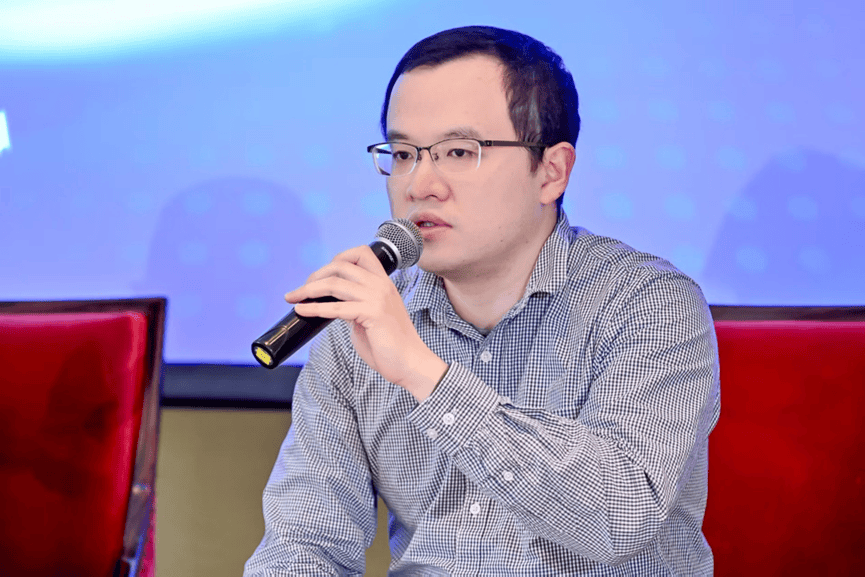
施罗德基金谢恒:均衡配置下的价值成长
Sou Hu Cai Jing· 2026-02-09 11:53
Core Viewpoint - The forum titled "Return of Active Equity" highlighted discussions on how active equity can generate excess returns, featuring insights from prominent fund managers in the industry [1]. Group 1: Active Equity Insights - The forum included a roundtable discussion with fund managers from Morgan Asset Management, Allianz Fund, and Schroders, focusing on investment strategies such as "old vs. new economy," "growth vs. value," and "technology vs. quality" [1]. - Fund manager Xie Heng emphasized a balanced approach to investment, avoiding concentration in specific sectors while recognizing opportunities in domestic and overseas computing power [1][3]. Group 2: Investment Strategies - Xie Heng noted that the active equity products managed by the company are benchmarked against a composite of the CSI 800 Index (80%), the Hang Seng Index (10% adjusted for RMB), and a one-year fixed deposit rate (10%) [3][7]. - The company maintains strict risk control mechanisms to prevent fund managers from overly concentrating investments in a few sectors, adhering to a long-standing investment principle [3]. Group 3: Technology and Market Trends - The company has identified significant opportunities in the AI sector, particularly in the supply chains of technology giants and upstream metal sectors, which are expected to benefit from supply constraints and increasing demand [1][10]. - Xie Heng highlighted the importance of closely tracking industry and technological changes, advocating for a diversified investment approach in early-stage tech sectors and a more focused strategy in mature stages [5][6]. Group 4: Future Outlook - Looking ahead to 2026, the company is optimistic about two main areas: the AI sector, particularly related to Google, and upstream resources, where supply shortages are likely to persist [8][10]. - The company believes that the current AI trend differs fundamentally from past internet bubbles, as AI operates on a centralized model rather than a decentralized network effect [10].

外资公募基金:高仓位运作、加仓港股
Zhong Guo Ji Jin Bao· 2025-04-27 08:20
Group 1 - Foreign-funded public funds have maintained a high position in equity products, with some increasing their allocation to Hong Kong stocks in Q1 2025 [3][4] - Notable funds with over 90% equity positions include BlackRock, Fidelity, Morgan Stanley, and Schroders, among others [3] - Schroders significantly increased its Hong Kong stock allocation from 15.08% in Q4 2024 to 32.31% in Q1 2025 [3] Group 2 - Funds are diversifying their investments across technology, energy, and consumer sectors, with a focus on TMT (Technology, Media, and Telecommunications) and high-dividend stocks [6][7] - BlackRock's Hong Kong Stock Connect fund increased its holdings in Alibaba and reduced its stake in Tencent by nearly 50% [6] - Fidelity's fund adjusted its bank stock allocations, increasing its position in Industrial and Commercial Bank of China while reducing its holdings in China Merchants Bank and China Construction Bank [7] Group 3 - Fund managers are optimistic about quality technology assets and sectors that are expected to benefit from domestic demand policies [8] - Key sectors of interest include TMT, machinery, automotive, and chemical industries, as well as new consumption and defense industries [8] - Morgan Stanley is focusing on investment opportunities in intelligent computing infrastructure and AI applications [8]