
无糖蛋糕

Search documents
无糖饮料真的不含糖吗?
Xin Lang Cai Jing· 2025-12-30 17:06
Core Viewpoint - The article highlights the misconception surrounding "sugar-free" beverages, emphasizing that they may still contain low levels of sugar or sugar substitutes, which can pose health risks, particularly for certain populations [2][4][5]. Group 1: Health Risks of Sugar-Free Beverages - A case of an 18-year-old diabetes patient hospitalized due to long-term consumption of sugar-free drinks illustrates the potential dangers of these products [2]. - Sugar-free beverages are not completely devoid of sugar; they may contain low levels of sugar and often use artificial or natural sweeteners, which can be unsuitable for certain individuals [4][5]. - A study from Australia indicates that daily consumption of sugar-free sweetened beverages increases the risk of developing type 2 diabetes by 38% [4]. Group 2: Consumer Awareness and Behavior - Consumers are increasingly choosing sugar-free options under the impression that they contain no sugar, leading to a lack of awareness about the presence of sugar substitutes [4]. - The marketing of sugar-free products often emphasizes "0 sugar, 0 fat, 0 calories," which can mislead consumers regarding their health implications [3]. - Individuals like Mr. Zeng have begun to scrutinize ingredient lists for sugar substitutes after realizing that some sugar-free drinks do contain them [4]. Group 3: Recommendations for Specific Populations - Certain groups, including children, pregnant women, and individuals with specific health conditions, are advised against consuming sugar-free beverages due to potential health risks [5]. - Children may experience adverse effects on taste development and increased likelihood of obesity from long-term consumption of sugar substitutes [5]. - Pregnant women and individuals with a history of thrombosis or cardiovascular issues may face additional risks from consuming sugar-free drinks containing specific sweeteners [5].

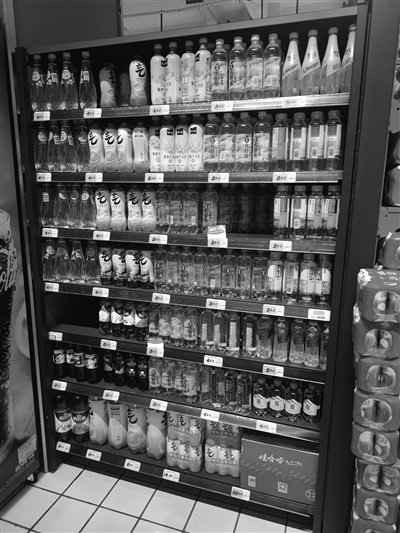
无糖食品不升血糖?胰岛素有药物依赖?都是误区
Qi Lu Wan Bao· 2025-10-04 03:27
Group 1 - The article discusses common misconceptions about "sugar-free" foods and their impact on blood sugar levels [2][4] - "Sugar-free" foods are defined as those containing no more than 0.5 grams of sugar per 100 grams or 100 milliliters, but they may still contain other ingredients that can affect blood sugar [4] - The popularity of sugar-free beverages is noted, but these may include high glycemic index additives like dextrin or maltodextrin, which can raise blood sugar levels [4] Group 2 - Concerns about insulin dependency among diabetes patients are addressed, clarifying that insulin is necessary for blood sugar regulation and does not lead to drug dependency [6] - Experts emphasize that insulin use is a response to the body's inability to produce or utilize insulin effectively, and proper dosage does not harm the body [6]
朝“问”健康丨到底什么是“无糖食品”,你了解吗?
Yang Shi Xin Wen· 2025-10-04 01:15
Core Points - The definition of "sugar-free" according to national food safety regulations indicates that solid or liquid foods must contain no more than 0.5 grams of sugar per 100 grams or 100 milliliters [1] Group 1 - The claim that "sugar-free" foods do not raise blood sugar levels is misleading, as these products can still contain carbohydrates that provide calories [1] - Sugar-free cakes, for example, may contain fats and other ingredients that can impact blood sugar levels [1] - Sugar-free beverages are popular in the market, but the term "sugar-free" primarily refers to the absence of simple sugars like sucrose, glucose, and maltose, while other high glycemic index ingredients may still be present [1]