无糖

Search documents
一场关乎1.4亿人的“甜蜜战争”:糖友饱饱、玛士撒拉、瑞吉,谁将给出终极答案?
3 6 Ke· 2026-01-08 02:11
Core Insights - The health food market, despite its potential, is facing a "difficult-to-eat - not-eating - worse" cycle, leading to consumer dissatisfaction and confusion [1][3] - The sugar-free beverage market in China reached a size of 40.16 billion yuan in 2023, with a year-on-year growth of 101.2% [2] - There are approximately 140 million diabetes patients in China, along with several hundred million individuals with elevated blood sugar levels, creating a substantial potential user base for health food products [3] Consumer Pain Points - The first core pain point is a trust crisis caused by confusing concepts in labeling, such as "0 sugar" and "no added sugar," leading to consumer skepticism [4][5] - The second pain point is the psychological conflict of wanting both taste and health, as consumers struggle to reconcile their desire for sweet flavors with health concerns [6] - The third pain point is the disappointing experience with sugar-free products, which often have poor taste or an unpleasant chemical flavor, leading to a cycle of reverting to high-sugar foods [6] Industry Challenges - The industry faces a "compensation dilemma" where removing sugar necessitates the use of multiple additives, complicating ingredient lists and conflicting with consumer desires for clean labels [7] - Labeling confusion is exacerbated by existing regulations that allow misleading terms until new standards are fully implemented in 2027 [7] - Companies are caught in a dual dilemma of either serving the limited market of diabetes patients or competing with regular tasty snacks for a broader health-conscious audience [7] Company Strategies - Three distinct strategies are emerging among companies: - Masala adopts a "medical downscaling" approach, applying rigorous medical standards to consumer food products [9][10] - Sugar Friends focuses on a vertical strategy targeting diabetes patients with low-carb staple alternatives [9][10] - Ruiji Foods employs a "traffic-driven" model, leveraging the sugar-free trend to create a diverse range of sugar-free candies [9][10] Future Trends - The industry is expected to shift from vague marketing to transparent ingredient labeling, with a focus on clear communication of sugar substitutes and their health implications [14][16] - There will be a progression from generic "sugar-free" products to those with precise health functionalities, integrating clinical nutrition into product development [14][16] - The competition will evolve from merely selling products to providing comprehensive solutions, including health data interpretation and personalized dietary plans [14][16]

一场关乎1.4亿人的“甜蜜战争”:糖友饱饱、玛士撒拉、瑞吉,谁将给出终极答案?
新消费智库· 2026-01-07 13:04
Core Insights - The article discusses the paradox in the sugar-free food market, where consumer demand for "sugar-free" products is high, yet satisfaction with these products is low, leading to a cycle of disappointment and unhealthy eating habits [2][3]. Group 1: Market Overview - The sugar-free beverage market in China reached a size of 40.16 billion yuan in 2023, showing a year-on-year growth of 101.2% [2]. - There are approximately 140 million diabetes patients in China, along with several hundred million individuals with elevated blood sugar levels, representing a significant potential user base for sugar-free products [2]. Group 2: Consumer Pain Points - The first major consumer pain point is a trust crisis caused by confusing product labels such as "0 sugar," "no added sugar," and "sugar-free," leading to consumer uncertainty about what these terms actually mean [4][8]. - The second pain point is the psychological conflict where consumers desire both taste and health, struggling to find products that satisfy both needs [4][5]. - The third pain point is the disappointing taste and texture of many sugar-free products, which often leads to a negative experience and a return to high-sugar options [6][8]. Group 3: Industry Challenges - The industry faces a "compensation dilemma" where removing sugar necessitates the use of various additives to replicate sugar's functional roles, complicating ingredient lists and conflicting with consumer desires for "clean labels" [8][9]. - The confusion surrounding product labeling is exacerbated by existing regulations that allow misleading terms until new standards are fully implemented in 2027 [9]. - Companies are caught in a dual dilemma of either serving the limited market of diabetes patients or competing with regular snacks for a broader health-conscious audience [9][10]. Group 4: Strategic Paths - Three distinct strategies are emerging among companies in the sugar-free market: 1. **Medical Trust Approach**: Companies like Masala leverage medical-grade trust to cater to diabetes patients, focusing on innovative formulations that slow sugar absorption [12][14]. 2. **Vertical Focus Approach**: Companies like Sugar Friends concentrate on specific needs of diabetes patients, providing low-carb staple alternatives and fostering community engagement through online platforms [12][14]. 3. **Traffic-Driven Approach**: Companies like Ruiji Foods capitalize on the sugar-free trend by creating a diverse range of sugar-free candies and utilizing e-commerce and social media for growth [12][16][17]. Group 5: Future Trends - The future of the sugar-free food industry will shift from vague marketing to transparent ingredient labeling, as new regulations prohibit misleading terms [18][20]. - There will be a move from generic "sugar-free" products to those with precise health benefits, integrating functional ingredients like probiotics and vitamins [21][23]. - The evolution from "traffic products" to "trust brands" will require companies to provide comprehensive solutions, including health data interpretation and personalized dietary plans [24].

无糖饮料真的不含糖吗?
Xin Lang Cai Jing· 2025-12-30 17:06
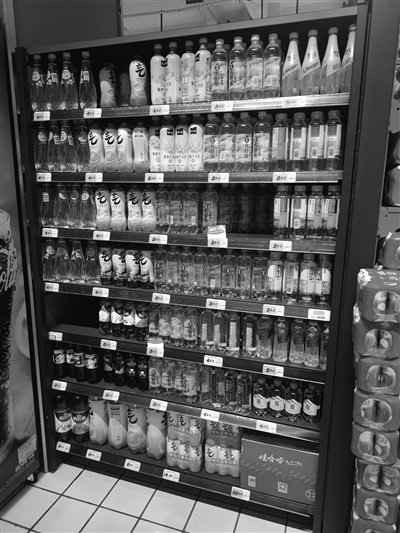
Core Viewpoint - The article highlights the misconception surrounding "sugar-free" beverages, emphasizing that they may still contain low levels of sugar or sugar substitutes, which can pose health risks, particularly for certain populations [2][4][5]. Group 1: Health Risks of Sugar-Free Beverages - A case of an 18-year-old diabetes patient hospitalized due to long-term consumption of sugar-free drinks illustrates the potential dangers of these products [2]. - Sugar-free beverages are not completely devoid of sugar; they may contain low levels of sugar and often use artificial or natural sweeteners, which can be unsuitable for certain individuals [4][5]. - A study from Australia indicates that daily consumption of sugar-free sweetened beverages increases the risk of developing type 2 diabetes by 38% [4]. Group 2: Consumer Awareness and Behavior - Consumers are increasingly choosing sugar-free options under the impression that they contain no sugar, leading to a lack of awareness about the presence of sugar substitutes [4]. - The marketing of sugar-free products often emphasizes "0 sugar, 0 fat, 0 calories," which can mislead consumers regarding their health implications [3]. - Individuals like Mr. Zeng have begun to scrutinize ingredient lists for sugar substitutes after realizing that some sugar-free drinks do contain them [4]. Group 3: Recommendations for Specific Populations - Certain groups, including children, pregnant women, and individuals with specific health conditions, are advised against consuming sugar-free beverages due to potential health risks [5]. - Children may experience adverse effects on taste development and increased likelihood of obesity from long-term consumption of sugar substitutes [5]. - Pregnant women and individuals with a history of thrombosis or cardiovascular issues may face additional risks from consuming sugar-free drinks containing specific sweeteners [5].
基础化工行业2025年中期投资策略:拨云见日终有时,关注细分领域结构性机会
Dongguan Securities· 2025-06-10 09:22
Group 1 - The report emphasizes the improvement in supply-demand dynamics within the basic chemical industry, highlighting structural opportunities in specific sub-sectors such as refrigerants, sweeteners, lubricating oil additives, and modified plastics [5][6][61] - The first quarter of 2025 saw a decline in the scale of ongoing projects in the basic chemical sector, indicating a rationalization of supply as the industry moves away from "involution" competition [18][22] - The basic chemical sector's revenue for Q1 2025 was 605.93 billion yuan, a year-on-year increase of 6.49%, while net profit reached 36.91 billion yuan, up 5.18% year-on-year [21][29] Group 2 - In the refrigerant sector, the supply of second-generation refrigerants is being significantly reduced, while third-generation refrigerants remain under quota restrictions, leading to a favorable demand outlook driven by strong performance in air conditioning and automotive sectors [42][53] - The sweetener market is expected to benefit from the trend towards reduced sugar consumption, with potential growth in demand for products like sucralose and allulose, particularly if domestic approval for allulose is granted [4][6][4] - The lubricating oil additive market is poised for growth due to the increasing emphasis on domestic substitution, as the industry currently relies on significant imports, with 200,000 to 300,000 tons needed annually [6][5][6] Group 3 - The modified plastics sector is projected to grow as the government implements policies to encourage the replacement of old consumer goods, particularly in the automotive and home appliance markets [6][6][6] - The report indicates that the average price of refrigerants such as R134a and R32 has seen significant year-on-year increases, reflecting a high demand environment [59][63] - The overall market sentiment in the basic chemical industry is positive, with expectations of continued demand growth supported by government policies aimed at stabilizing the economy and boosting consumption [38][39][41]