
无糖面包

Search documents
一场关乎1.4亿人的“甜蜜战争”:糖友饱饱、玛士撒拉、瑞吉,谁将给出终极答案?
3 6 Ke· 2026-01-08 02:11
Core Insights - The health food market, despite its potential, is facing a "difficult-to-eat - not-eating - worse" cycle, leading to consumer dissatisfaction and confusion [1][3] - The sugar-free beverage market in China reached a size of 40.16 billion yuan in 2023, with a year-on-year growth of 101.2% [2] - There are approximately 140 million diabetes patients in China, along with several hundred million individuals with elevated blood sugar levels, creating a substantial potential user base for health food products [3] Consumer Pain Points - The first core pain point is a trust crisis caused by confusing concepts in labeling, such as "0 sugar" and "no added sugar," leading to consumer skepticism [4][5] - The second pain point is the psychological conflict of wanting both taste and health, as consumers struggle to reconcile their desire for sweet flavors with health concerns [6] - The third pain point is the disappointing experience with sugar-free products, which often have poor taste or an unpleasant chemical flavor, leading to a cycle of reverting to high-sugar foods [6] Industry Challenges - The industry faces a "compensation dilemma" where removing sugar necessitates the use of multiple additives, complicating ingredient lists and conflicting with consumer desires for clean labels [7] - Labeling confusion is exacerbated by existing regulations that allow misleading terms until new standards are fully implemented in 2027 [7] - Companies are caught in a dual dilemma of either serving the limited market of diabetes patients or competing with regular tasty snacks for a broader health-conscious audience [7] Company Strategies - Three distinct strategies are emerging among companies: - Masala adopts a "medical downscaling" approach, applying rigorous medical standards to consumer food products [9][10] - Sugar Friends focuses on a vertical strategy targeting diabetes patients with low-carb staple alternatives [9][10] - Ruiji Foods employs a "traffic-driven" model, leveraging the sugar-free trend to create a diverse range of sugar-free candies [9][10] Future Trends - The industry is expected to shift from vague marketing to transparent ingredient labeling, with a focus on clear communication of sugar substitutes and their health implications [14][16] - There will be a progression from generic "sugar-free" products to those with precise health functionalities, integrating clinical nutrition into product development [14][16] - The competition will evolve from merely selling products to providing comprehensive solutions, including health data interpretation and personalized dietary plans [14][16]

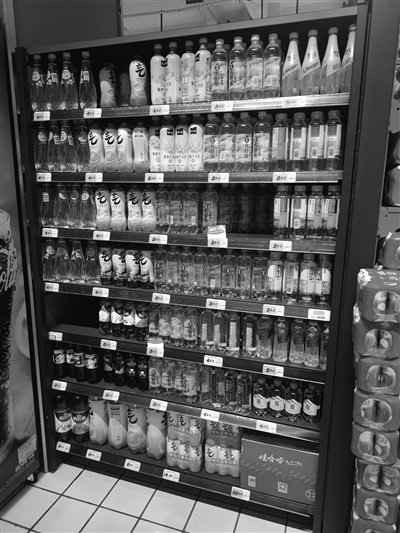
无糖饮料真的不含糖吗?
Xin Lang Cai Jing· 2025-12-30 17:06
Core Viewpoint - The article highlights the misconception surrounding "sugar-free" beverages, emphasizing that they may still contain low levels of sugar or sugar substitutes, which can pose health risks, particularly for certain populations [2][4][5]. Group 1: Health Risks of Sugar-Free Beverages - A case of an 18-year-old diabetes patient hospitalized due to long-term consumption of sugar-free drinks illustrates the potential dangers of these products [2]. - Sugar-free beverages are not completely devoid of sugar; they may contain low levels of sugar and often use artificial or natural sweeteners, which can be unsuitable for certain individuals [4][5]. - A study from Australia indicates that daily consumption of sugar-free sweetened beverages increases the risk of developing type 2 diabetes by 38% [4]. Group 2: Consumer Awareness and Behavior - Consumers are increasingly choosing sugar-free options under the impression that they contain no sugar, leading to a lack of awareness about the presence of sugar substitutes [4]. - The marketing of sugar-free products often emphasizes "0 sugar, 0 fat, 0 calories," which can mislead consumers regarding their health implications [3]. - Individuals like Mr. Zeng have begun to scrutinize ingredient lists for sugar substitutes after realizing that some sugar-free drinks do contain them [4]. Group 3: Recommendations for Specific Populations - Certain groups, including children, pregnant women, and individuals with specific health conditions, are advised against consuming sugar-free beverages due to potential health risks [5]. - Children may experience adverse effects on taste development and increased likelihood of obesity from long-term consumption of sugar substitutes [5]. - Pregnant women and individuals with a history of thrombosis or cardiovascular issues may face additional risks from consuming sugar-free drinks containing specific sweeteners [5].
甜味剂会让人越吃越胖?专家带你粉碎那些关于代糖的“甜蜜谣言”
Bei Ke Cai Jing· 2025-07-16 07:19
Core Viewpoint - The increasing consumer awareness of sugar control has led to a growing preference for sugar-free and low-sugar beverages that use sweeteners, despite ongoing safety concerns regarding these sweeteners [1][2]. Group 1: Understanding Sugar-Free Beverages - "Sugar-free" does not necessarily mean "no sugar" as it can still contain other types of sugars; products labeled as "sugar-free" must have sugar content less than or equal to 0.5g/100ml [2]. - Products claiming to be "sugar-free" may still contain other sugars like fructose or glucose syrup, which can lead to confusion among consumers [2]. Group 2: Sweeteners and Weight Management - Most sweeteners do not contribute to metabolism and are low in calories, which can help reduce overall energy intake when replacing sugar, aiding in weight management [4]. - However, consuming sweeteners alongside high-calorie foods can still lead to excessive energy intake and potential weight gain, emphasizing the importance of a balanced diet and exercise [4]. Group 3: Sweeteners and Diabetes - Diabetes is a metabolic disease not directly caused by sugar or sweeteners; maintaining a healthy lifestyle is crucial for prevention [6]. - Sweeteners do not significantly affect blood sugar levels and are safe for inclusion in the diets of diabetic patients [7].