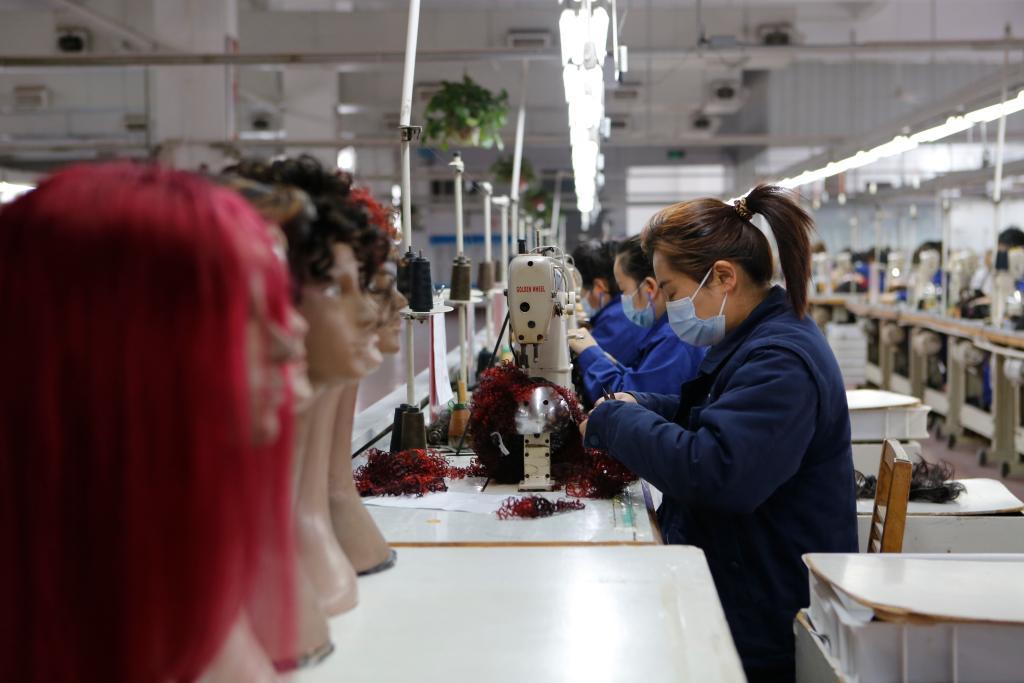
无胶头套假发

Search documents
从代工到品牌,被内容电商重塑的跨境生意
晚点LatePost· 2026-01-30 11:16
Core Viewpoint - The article discusses the evolution of cross-border e-commerce driven by content, highlighting how platforms like TikTok Shop are transforming traditional sales models into more dynamic, content-driven approaches that enhance consumer engagement and brand visibility [3][17]. Group 1: Case Studies of Brands - The large-size women's clothing brand Ruimin experienced a significant sales spike through a TikTok Shop live stream, achieving approximately 1,700 orders in a few hours, showcasing the explosive potential of content e-commerce [2][3]. - The 3D printer brand Creality also benefited from content-driven sales, with a non-professional influencer generating nearly $40,000 in sales during a live stream, demonstrating the effectiveness of user-generated content [2][3]. - Both brands represent different types of Chinese merchants: traditional foreign trade factories seeking brand premium and tech brands aiming to break into niche markets [3]. Group 2: Changes in Consumer Demand - Traditional e-commerce relies on explicit demand expression, where consumers must know what they want before searching, often leaving unrecognized needs unaddressed [4]. - Content e-commerce shifts this paradigm by using short videos and live streams to convert latent consumer pain points into visible purchasing decisions, allowing brands to showcase products in relatable contexts [4][5]. - For example, TYMO Beauty used a short video to demonstrate the effectiveness of their hair straightening brush, significantly enhancing consumer awareness and driving sales [5][7]. Group 3: Supply Chain Evolution - Content e-commerce not only alters demand but also reshapes supply chain dynamics, enabling a more resilient and flexible production process [9]. - Brands like Ruimin have transitioned to a model that allows for year-round production stability, reducing reliance on seasonal demand fluctuations and improving worker income stability [9][11]. - The integration of TikTok Shop's logistics services has improved order fulfillment times for brands like TYMO, enhancing their ability to manage sudden spikes in demand [12]. Group 4: Brand Building and Market Positioning - Content e-commerce allows brands to establish trust before recognition, fundamentally changing the brand-building process [14]. - Traditional manufacturers like Ruimin and OQ Hair are regaining pricing power and market voice by directly engaging with consumers through content, bypassing intermediaries [15][16]. - Brands like TYMO and Creality are leveraging content to break into broader consumer markets, transforming niche products into mainstream offerings [16][17]. Group 5: Consumer Insights and Feedback - The real-time feedback mechanism of content e-commerce enables brands to iterate products based on consumer insights, reducing the risk associated with new product launches [13]. - Brands can quickly adapt to consumer preferences, as seen with OQ Hair's rapid redesign of their product based on user feedback [13]. - This shift from a predictive to a feedback-driven supply chain model enhances the agility and responsiveness of brands in the market [13].


假发出海,征服老外
36氪· 2025-07-17 12:33
Core Viewpoint - The article discusses how the traditional wig industry, particularly in Xuchang, China, is experiencing a transformation driven by the rise of TikTok Shop, which has enabled new marketing strategies and product innovations, particularly with the introduction of glue-free wigs [3][41][55]. Group 1: Industry Overview - The wig industry in Xuchang has a long history, with 60% of the world's wigs produced there, and over 300,000 people involved in the industry [8][5]. - The industry has evolved through two main phases: first through platforms like Amazon and AliExpress, and now through independent B2C channels [10][12]. - Traditional e-commerce models have led to high costs and low margins due to price competition and product homogeneity [14][15]. Group 2: TikTok Shop's Impact - TikTok Shop has significantly boosted sales for Xuchang wig sellers, with a 194% increase in GMV during the 2022 Black Friday event [23]. - The introduction of glue-free wigs has become a viral product on TikTok, with brands like OQ Hair leveraging influencer marketing to showcase the ease of use [29][31]. - TikTok Shop allows for real-time data feedback, enabling brands to quickly adapt to consumer preferences and innovate their product offerings [40][46]. Group 3: Consumer Behavior and Trends - The rise of interest-based e-commerce has shifted consumer focus towards personalized and unique products, which traditional retail models often overlook [44][46]. - The success of glue-free wigs illustrates how consumer needs can rapidly evolve, driven by social media influence [47]. - The article highlights a broader trend where low-tech, high-context products can be revitalized through content-driven marketing strategies [53][55].
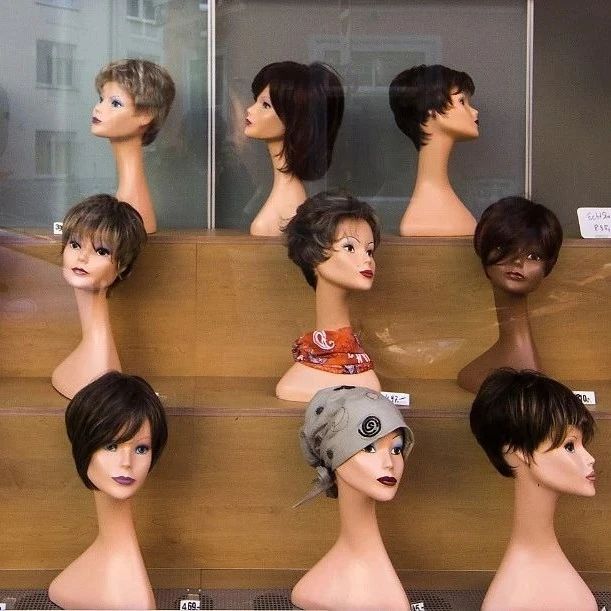
许昌假发征服了多少老外?
3 6 Ke· 2025-07-16 23:40
Core Insights - The article highlights the explosive growth of the Labubu brand and the broader trend of traditional products, such as wigs, gaining popularity on TikTok Shop, indicating a shift in consumer behavior and marketing strategies [1][10][24] Group 1: TikTok's Impact on Traditional Products - Labubu-related videos have amassed over 28.5 billion views in the UK and 23.6 billion in the US on TikTok, showcasing the platform's significant reach [1] - The wig category, particularly the no-glue wig, has seen a surge in popularity, with OQ Hair becoming a top seller on TikTok Shop shortly after its launch [11][15] - TikTok Shop has enabled brands to leverage content-driven marketing, allowing for rapid product iteration based on real-time consumer feedback [21][24] Group 2: The Wig Industry in Xuchang - Xuchang, known as the "Wig Capital," produces 60% of the world's wigs, with over 300,000 people employed in the industry [2][10] - The industry has evolved through two main phases: initial sales through platforms like Amazon and AliExpress, followed by the establishment of independent B2C channels [2][4] - Despite the growth, challenges such as high channel costs and intense price competition have persisted, leading to a search for new growth avenues [4][5][10] Group 3: Innovations and Consumer Trends - The introduction of no-glue wigs addresses consumer pain points related to traditional wig application methods, leading to increased sales and brand visibility [11][15] - TikTok's format allows for the effective demonstration of product features, which is crucial for products like wigs that rely heavily on user experience [18][21] - The shift towards content-driven commerce has encouraged wig manufacturers to innovate and diversify their product offerings, moving away from a low-price competition model [21][25]