女装

Search documents
十年电商女装店主:不再追流量,把线下店开稳|在春天许一个愿望
Sou Hu Cai Jing· 2026-02-18 02:28
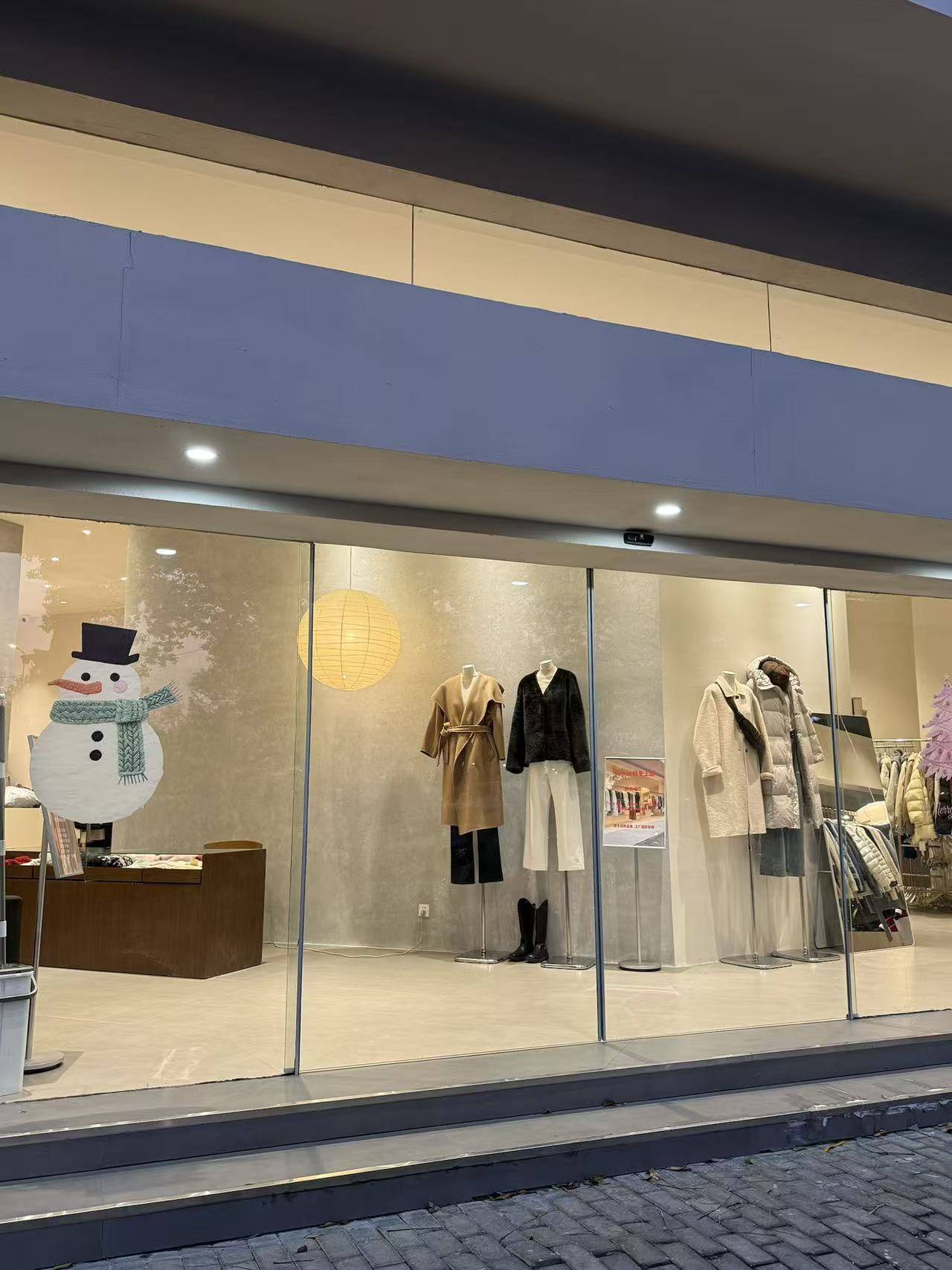
Core Insights - The article discusses the challenges faced by a women's clothing retailer, Jiangling, who transitioned from e-commerce to a physical store, highlighting the impact of high return rates and changing consumer behavior on the business model [1][2][7]. Group 1: E-commerce Challenges - The return rate for women's clothing has significantly increased, rising from around 20% before 2024 to as high as 70-80%, making it difficult for non-branded retailers to remain profitable [2][12]. - Many consumers report dissatisfaction with online purchases due to discrepancies between the product received and the images displayed, contributing to the high return rates [7][8]. - Jiangling's store has a relatively lower return rate compared to larger brands, but the overall trend in the industry poses a significant challenge [8]. Group 2: Consumer Behavior Changes - The pandemic has altered consumer shopping habits, leading to increased impulsive purchases and a higher likelihood of returns as consumers buy items they may not need [9][10]. - The rise of short video platforms has diversified shopping channels, causing a fragmentation of traffic and making it harder for traditional e-commerce platforms to maintain their previous promotional advantages [10][12]. Group 3: Operational Adjustments - Jiangling has adapted by using real photos of her products instead of relying on factory images, which often lead to discrepancies [8][9]. - The need to comply with changing e-commerce platform rules has added pressure on retailers, requiring constant adaptation to new promotional strategies [11][12]. - Jiangling's experience in e-commerce has informed her approach to physical retail, allowing her to leverage social media for local customer engagement [16][17]. Group 4: Transition to Physical Retail - Jiangling opened a physical store in 2025, recognizing the differences in customer preferences between online and offline shopping [1][16]. - The store's location is not ideal, relying on foot traffic, but Jiangling has utilized her understanding of customer preferences to create a stable customer base [16][18]. - The physical store allows for a more personalized shopping experience, which can mitigate some of the challenges faced in e-commerce [17][18]. Group 5: Future Outlook - Jiangling acknowledges that while her current model may not return to the peak profitability of e-commerce, it offers stability in a challenging market [18]. - The potential emergence of more internet-savvy competitors in the physical retail space poses a future challenge for Jiangling's business model [18].

“逛一次街仿佛进山了”,贵到看不懂的冲锋衣刺客正在占领商场一楼
创业邦· 2026-02-13 14:13
Core Viewpoint - The article discusses the rising trend of outdoor brands in high-end shopping malls across China, highlighting their increasing presence and consumer interest, as well as the implications for both brands and the retail environment [6][10][15]. Group 1: Outdoor Brand Expansion - Major shopping malls in first and second-tier cities are increasingly featuring outdoor brands, with a notable shift from traditional luxury brands to these new entrants [6][10]. - The opening of new stores for outdoor brands like Kailas and Norrøna in prominent locations indicates a strategic move to capture the growing consumer interest in outdoor activities [10][18]. - By 2026, many high-end malls are expected to see a surge in outdoor brand openings, with brands competing for visibility and consumer engagement through promotional events [17][18]. Group 2: Consumer Perception and Market Dynamics - Consumers are surprised by the rapid expansion and high pricing of outdoor brands, with some items priced as high as 7,000 yuan, indicating a shift in market perception [20][25]. - The article notes that while outdoor brands are gaining popularity, they are also facing challenges such as rising prices and the need for professional staff training to meet consumer expectations [53][55]. - The trend reflects a broader shift in consumer behavior, where outdoor brands are becoming synonymous with lifestyle choices, appealing to a demographic that values quality and experience [64][66]. Group 3: Retail Strategy and Challenges - Brands are increasingly focusing on establishing physical stores in high-end malls as a response to rising online marketing costs, with the cost of customer acquisition on platforms like Alibaba increasing significantly [67][68]. - The article highlights that outdoor brands are leveraging their appeal to affluent consumers, which allows them to negotiate favorable terms with shopping malls [68][69]. - Despite the growth, there are concerns about the sustainability of this trend, as the luxury market faces challenges, and the long-term loyalty of new customers remains uncertain [55][71].
抓住新春趋势红利小红书女装新春市集全链路攻略
Xiao Hong Shu· 2026-01-31 09:44
Investment Rating - The report indicates a strong growth potential in the women's apparel industry, with a year-to-date (YTD) growth rate in women's fashion reaching three digits, and the emergence of merchants achieving monthly sales exceeding 100 million, with some experiencing over 200% growth in monthly sales [14]. Core Insights - The women's apparel industry is experiencing significant sales growth, driven by various operational strategies including KOL (Key Opinion Leader) broadcasts, store broadcasts, and content notes, which have collectively refreshed peak sales figures [15][18]. - The report highlights the importance of seasonal trends, particularly around the Spring Festival, and suggests that merchants should leverage thematic products and marketing strategies to enhance consumer engagement and sales [46][47]. - The report emphasizes the need for merchants to create a sense of urgency and exclusivity through limited-time offers and engaging marketing campaigns, such as "New Year wardrobe refresh" topics, to stimulate consumer purchasing behavior [43][44]. Industry Trends - The women's apparel sector has seen a significant increase in search volume and growth rates for specific product categories, such as down jackets and knitted garments, indicating a shift in consumer preferences towards seasonal and functional clothing [21][22]. - The report outlines the evolving consumer behavior, with a focus on the importance of creating emotional connections through storytelling and thematic product offerings that resonate with consumers' identities and experiences [46][47]. - The report identifies key operational strategies for merchants, including the establishment of "in-stock zones" and the implementation of promotional tactics like limited-time discounts and flash sales to drive inventory turnover and enhance customer engagement [43][44]. Key Product Lines - The report suggests that early spring product lines should focus on knitted tops, denim, T-shirts, casual pants, and shirts, with an emphasis on quality materials and unique designs to attract consumers [53][55]. - It highlights the importance of offering a diverse range of products, including plus-size dresses and skirts, to cater to a broader audience and meet varying consumer needs [56][57]. - The report recommends that merchants should prioritize high-quality, unique items such as silk suits and textured outerwear to differentiate themselves in a competitive market [61]. Marketing Strategies - The report outlines effective marketing strategies, including the use of social media platforms like Xiaohongshu to create engaging content that drives consumer interest and enhances brand visibility [70][71]. - It emphasizes the significance of user-generated content and community engagement through group chats and interactive campaigns to foster brand loyalty and encourage repeat purchases [150][156]. - The report suggests that merchants should implement a structured approach to live streaming and promotional events, ensuring a consistent rhythm and clear communication of product offerings to maximize consumer engagement and sales conversion [189][192].
从代工到品牌,被内容电商重塑的跨境生意
晚点LatePost· 2026-01-30 11:16
Core Viewpoint - The article discusses the evolution of cross-border e-commerce driven by content, highlighting how platforms like TikTok Shop are transforming traditional sales models into more dynamic, content-driven approaches that enhance consumer engagement and brand visibility [3][17]. Group 1: Case Studies of Brands - The large-size women's clothing brand Ruimin experienced a significant sales spike through a TikTok Shop live stream, achieving approximately 1,700 orders in a few hours, showcasing the explosive potential of content e-commerce [2][3]. - The 3D printer brand Creality also benefited from content-driven sales, with a non-professional influencer generating nearly $40,000 in sales during a live stream, demonstrating the effectiveness of user-generated content [2][3]. - Both brands represent different types of Chinese merchants: traditional foreign trade factories seeking brand premium and tech brands aiming to break into niche markets [3]. Group 2: Changes in Consumer Demand - Traditional e-commerce relies on explicit demand expression, where consumers must know what they want before searching, often leaving unrecognized needs unaddressed [4]. - Content e-commerce shifts this paradigm by using short videos and live streams to convert latent consumer pain points into visible purchasing decisions, allowing brands to showcase products in relatable contexts [4][5]. - For example, TYMO Beauty used a short video to demonstrate the effectiveness of their hair straightening brush, significantly enhancing consumer awareness and driving sales [5][7]. Group 3: Supply Chain Evolution - Content e-commerce not only alters demand but also reshapes supply chain dynamics, enabling a more resilient and flexible production process [9]. - Brands like Ruimin have transitioned to a model that allows for year-round production stability, reducing reliance on seasonal demand fluctuations and improving worker income stability [9][11]. - The integration of TikTok Shop's logistics services has improved order fulfillment times for brands like TYMO, enhancing their ability to manage sudden spikes in demand [12]. Group 4: Brand Building and Market Positioning - Content e-commerce allows brands to establish trust before recognition, fundamentally changing the brand-building process [14]. - Traditional manufacturers like Ruimin and OQ Hair are regaining pricing power and market voice by directly engaging with consumers through content, bypassing intermediaries [15][16]. - Brands like TYMO and Creality are leveraging content to break into broader consumer markets, transforming niche products into mainstream offerings [16][17]. Group 5: Consumer Insights and Feedback - The real-time feedback mechanism of content e-commerce enables brands to iterate products based on consumer insights, reducing the risk associated with new product launches [13]. - Brands can quickly adapt to consumer preferences, as seen with OQ Hair's rapid redesign of their product based on user feedback [13]. - This shift from a predictive to a feedback-driven supply chain model enhances the agility and responsiveness of brands in the market [13].

投资若羽臣赚了9.7亿元后 朗姿股份老板还在质押股票融资
Guo Ji Jin Rong Bao· 2026-01-29 15:18
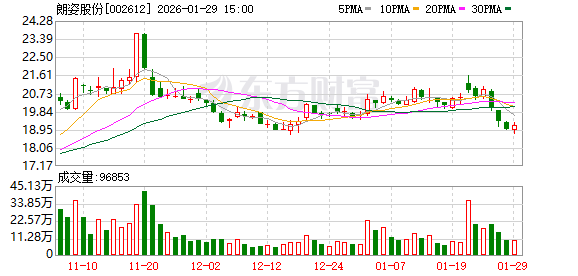
Core Viewpoint - The controlling shareholder of Langzi Co., Ltd., Shen Dongri, has pledged 20.77 million shares of the company due to personal funding needs, raising concerns about the company's financial stability and operational performance [2][4]. Share Pledge Details - Shen Dongri pledged 9.5 million shares to China International Capital Corporation and 11.27 million shares to CITIC Securities, with the pledge starting on January 27, 2026, for one year [2][3]. - The pledged shares represent 36.61% of Shen's total holdings and 17.5% of the company's total equity [4]. Financial Performance - Langzi Co., Ltd. expects a net profit of 900 million to 1.05 billion yuan for 2025, a year-on-year increase of 245.25% to 302.8%, primarily due to investments in the listed company Ruoyuchen [4]. - The company reported a revenue of 4.328 billion yuan for the first three quarters of 2025, remaining stable year-on-year, while the net profit excluding non-recurring items is projected to be between 220 million and 290 million yuan, reflecting a modest increase of 1.09% to 33.25% [5]. Business Segment Performance - The medical beauty segment generated approximately 2.237 billion yuan in revenue, a year-on-year increase of 2.49%, but the corresponding net profit decreased by 33.49% to 77.198 million yuan [6]. - The women's clothing segment achieved revenue of 1.407 billion yuan, with a slight net profit increase of 1.62% to 99.143 million yuan, while online sales grew by 22.55% [6]. - The infant and child segment reported revenue of 674 million yuan, with net profit declining significantly compared to the previous year [6]. Inventory and Financial Health - As of September 2025, the company's inventory for women's clothing reached approximately 630 million yuan, a 13.84% increase from the end of 2024, indicating rising inventory levels [6]. - The company faces financial pressure, with cash reserves of 505 million yuan insufficient to cover short-term borrowings of 1 billion yuan [10]. Strategic Moves - Langzi Co., Ltd. is accelerating its investment in the medical beauty sector, including a recent acquisition of a 67.5% stake in a cosmetic surgery hospital for 92.475 million yuan [7][8].

指数显示消费者购买品牌商品趋势持续增强
Xin Hua Cai Jing· 2025-12-25 13:57
Core Insights - The "China Online Consumption Brand Index" (CBI) for Q3 2025 was officially released, showing a value of 62.65, which represents a 0.92% increase compared to the same period last year, indicating a sustained growth trend in consumer emphasis on quality and brand during online shopping [1][2] Industry Performance - There are significant differences in CBI scores across various industries, with higher scores indicating fewer non-branded products and a concentration of sales among leading brands, while lower scores suggest greater competition for brand recognition [1] - The industries with the highest CBI scores include 3C digital products, home appliances, beauty products, and sports outdoor goods, reflecting a higher consumer demand for product quality, functionality, and brand recognition in these sectors [1] Brand Purchasing Power - Several industries, including women's clothing, 3C smart products, daily beauty products, sports outdoor goods, pet supplies, men's clothing, and home furnishings, have shown growth in their CBI scores compared to the previous year [2] - First-tier cities continue to lead in brand purchasing power rankings, emphasizing the importance of quality competition over mere cost competition [2] Consumer Trends - The CBI results indicate a growing trend among Chinese consumers towards preferring high-quality and branded products when shopping online [2] - Despite discussions around the rise of "white-label" products, the overall trend of the CBI suggests that brand consumption is still in an expansion phase, with many brands facing strategic dilemmas between low-cost customer acquisition and value innovation [2]
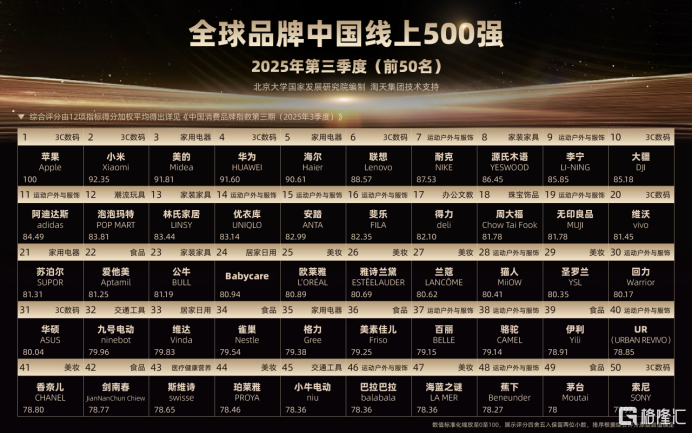
最新"全球品牌中国线上500强"季度榜单出炉,大疆首次进入前10、泡泡玛特上升显著
Ge Long Hui· 2025-12-25 06:54
Core Insights - The latest quarterly "China Online Consumption Brand Index" (CBI) and "Global Brand China Online Top 500" (CBI500) indicate a continued rise in consumer preference for brand goods, with the CBI reaching 62.65, a year-on-year increase of 0.92% [1] - DJI and Pop Mart have shown rapid growth, with DJI entering the top 10 of the CBI500 for the first time, and Pop Mart ranking 12th [1] Industry Trends - The CBI series indices reflect a macroeconomic trend of consumption recovery and a shift towards high-quality development, with a notable increase in the core CPI by 0.6% year-on-year in the first three quarters [1][4] - Significant growth in the CBI index was observed in sectors such as women's clothing, 3C smart products, daily beauty products, outdoor sports, pet supplies, men's clothing, and home furnishings, indicating a heightened consumer focus on quality and brand [4][5] - The women's clothing sector saw a notable increase of over 5 points in its index, driven by intensified competition and a focus on quality upgrades [4] Brand Performance - The top five brands in the CBI500 remain consistent with previous quarters: Apple, Xiaomi, Midea, Huawei, and Haier [6] - Brands like DJI and Pop Mart have improved their rankings significantly due to product innovation and seasonal demand, with DJI leveraging unique features in its products and Pop Mart capitalizing on its original IP [6][7] - New entrants in the food category, such as Guangzhou Restaurant and Crab Taotai, benefited from seasonal demand for mooncake gift boxes, while educational brands like Deli and Morning Glory also saw significant improvements [6] Consumer Behavior - The CBI500 rankings are based on real consumer purchasing behavior, utilizing 12 metrics including sales, price, search volume, and positive reviews to assess brand competitiveness [7] - The emphasis on quality and innovation is seen as a key driver for brand strength, moving away from cost-based competition towards a focus on quality, brand differentiation, and value [8]





广州设计师卖女装,年销30个亿
Xin Lang Cai Jing· 2025-12-22 01:20
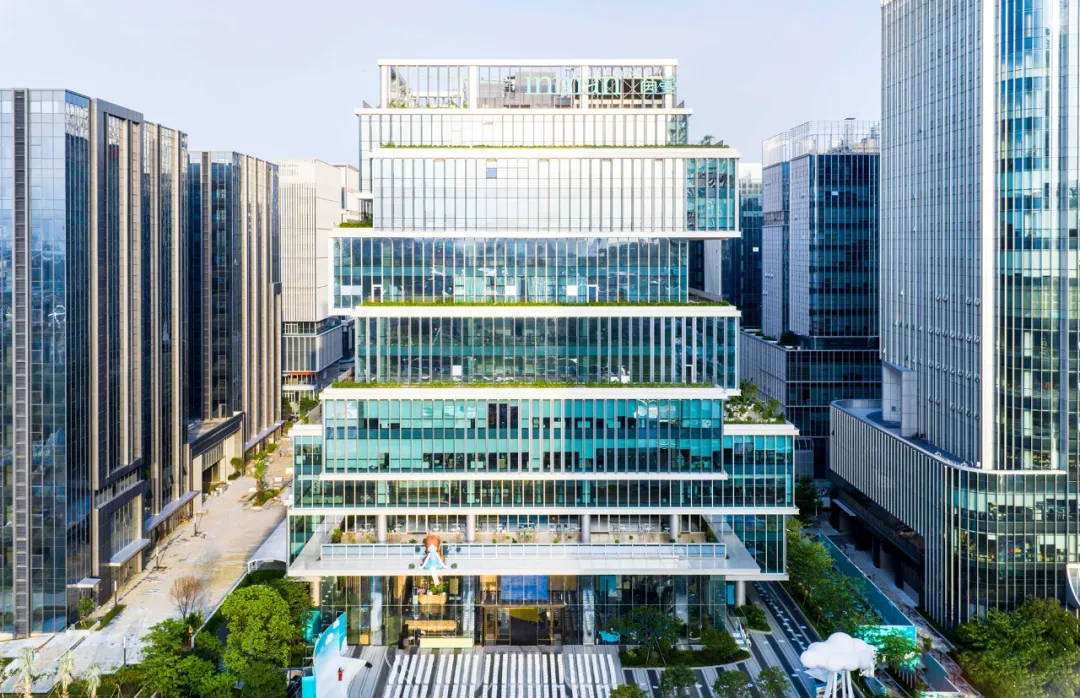
Core Insights - In August 2023, Inman opened its new headquarters in Guangzhou, marking a significant milestone for the company founded by Fang Jianhua 27 years ago [2][31] - Inman, which initially thrived on Taobao, has evolved into a comprehensive new retail brand, moving beyond the "Double 11" sales concept [2][31] Group 1: Company Growth and Strategy - In 2024, Huimei Group's sales are projected to reach 3 billion yuan, with Inman contributing approximately 70%, equating to over 2 billion yuan from a single brand [5][33] - Fang Jianhua aims for Inman to achieve 10 billion yuan in sales within five years, while Huimei Group plans to restart its IPO process when the timing is right [5][34] - Inman has maintained its presence in the market while many early "Taobao brands" have faded away [5][34] Group 2: Retail Expansion - Inman has over 600 stores, with around 60 being directly operated, and is planning to increase the proportion of sales from offline channels from 20% to 40%-50% [9][42] - The company is cautious about its expansion pace, focusing on sales growth per store rather than just the number of new openings [9][42] - Inman is adopting a "zero franchise fee, zero inventory, zero soft decoration" model to alleviate inventory pressure for its partners [9][38] Group 3: Product Differentiation and Target Market - Inman has established a unique market position by emphasizing comfort and aesthetic appeal, with a focus on a relaxed style [15][44] - The brand targets women aged 25 to 40, including teachers, civil servants, healthcare workers, and refined mothers [19][48] - Inman collaborates with designers from renowned brands like Coach and Chanel to create exclusive products, aiming to develop a network of co-branded brands [19][48] Group 4: Multi-Brand Strategy and Financial Performance - After facing financial challenges with multiple brands, Huimei Group has streamlined its focus to three main brands: Inman, Chuyue, and Living on the Left [21][52] - The brand "Living on the Left" has shifted to a high-end market, focusing on traditional craftsmanship, while "Chuyue" has turned profitable after restructuring [21][53] - Huimei Group's IPO plans remain on hold, with a focus on improving financial performance before proceeding [21][58]
纺织品和服装行业研究:耐克仍处于复苏中期;关注美护品牌多渠道建设
SINOLINK SECURITIES· 2025-12-21 09:57
Investment Rating - The report indicates a recovery phase for Nike, with a stable revenue growth of 1% year-on-year in FY26Q2, despite challenges in certain markets [1][11]. Core Insights - Nike is currently in a mid-recovery phase, focusing on strategic adjustments and product innovation. The performance in key markets will depend on the rollout of core sports products and the strategic reset in major markets [1][17]. - The North American market shows strong performance with a 9% year-on-year revenue increase, while the Greater China region faces a 16% decline as it undergoes a strategic reset [1][13]. - The report highlights a mixed performance in the beauty and personal care sector, with online skincare sales growing by 4.8% year-on-year, while makeup sales increased by 10% [2][18]. Summary by Sections Nike Performance - FY26Q2 revenue reached $124.27 billion, with a 1% year-on-year growth. Wholesale channels grew by 8%, while NIKEDirect saw a decline of 9% [1][11]. - The North American market's revenue increased by 9%, driven by strong demand in running, children's apparel, and basketball categories [1][13]. - The Greater China market's revenue decreased by 16%, impacted by reduced foot traffic and inventory issues [1][13]. Beauty and Personal Care Sector - Online skincare sales in November grew by 4.8%, with Tmall and Douyin showing contrasting performance [2][18]. - Makeup sales increased by 10%, with Tmall and Douyin also reflecting varied growth rates [2][18]. - Brands are shifting focus to Tmall as ROI on Douyin advertising declines [2][18]. Retail Trends - November clothing retail sales grew by 3.5% year-on-year, but the growth rate has slowed compared to October [3][25]. - Jewelry retail sales saw a decline of 8.5% year-on-year, while gold prices supported demand [3][25]. - The cosmetics sector experienced a 6.1% year-on-year growth, but the growth rate has decreased compared to previous months [3][32]. Investment Recommendations - For apparel brands, Hai Lan's Home is recommended for its strong profitability and expansion potential, while Li Ning is seen as having a potential turning point [4]. - In the beauty sector, companies like Juzi Biotechnology and Jinbo Biological are highlighted for their resilience and product launches [4]. - The jewelry sector remains attractive due to rising gold prices, with recommendations for brands like Laoputang [4].

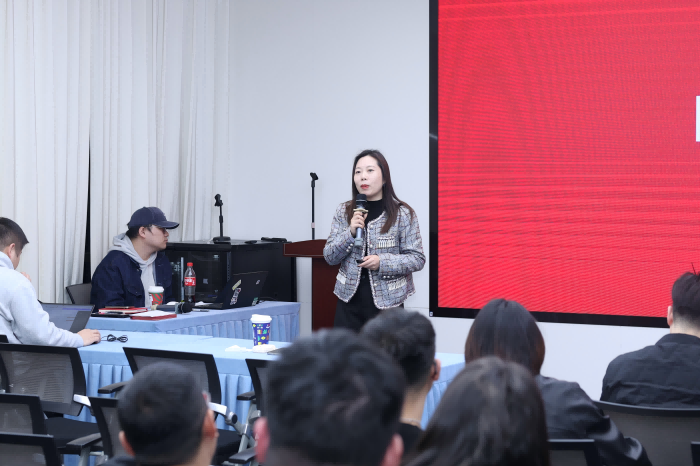
解锁2026私域增长密码,梦饷科技举办女装类目商家大会
Sou Hu Wang· 2025-12-16 02:18
Core Insights - The conference held by DreamX Technology focused on the women's apparel category, highlighting the company's achievements and strategic planning for 2026, emphasizing industry trends and private domain growth paths [1][3] Industry Trends - The women's apparel market is characterized by a clear structural trend, with dresses, down jackets, and casual pants being the top three categories, while pants, suits, and jeans have emerged as market dark horses [3] - Consumer preferences are shifting towards styles like "denim," "patchwork," and "new Chinese style," reflecting the demand for commuting and vacation scenarios [3] - The new Chinese style women's apparel market is projected to exceed 250 billion yuan by the end of 2025, indicating significant growth potential [3] Company Strategy - DreamX Technology's 2026 strategy includes a dual approach of "node marketing + scenario operation," focusing on key shopping periods and seasonal changes to enhance user experience and emotional connection [4] - The company introduced an "all-goods operation" strategy, creating a product matrix that includes bestsellers, new arrivals, and exclusive items to meet diverse merchant needs and consumer preferences [4] Performance Highlights - The brand "Qiu Shui Yi Ren" reported a 116% year-on-year increase in GMV and a 145% increase in content shares since 2025, showcasing effective brand trust-building strategies [5] - DreamX Technology's senior vice president outlined the company's commitment to core strategies of "quality goods, content upgrade, AI empowerment, and sustainable growth" to foster an ecosystem of mutual benefit with merchants [5][7] Future Outlook - The company aims to enhance supply chain capabilities and create differentiated products while upgrading private domain live streaming tools to improve operational efficiency [7] - DreamX Technology plans to leverage its core advantages in private domain e-commerce to drive high-quality and sustainable growth in the women's apparel industry [7]