日式拉面

Search documents
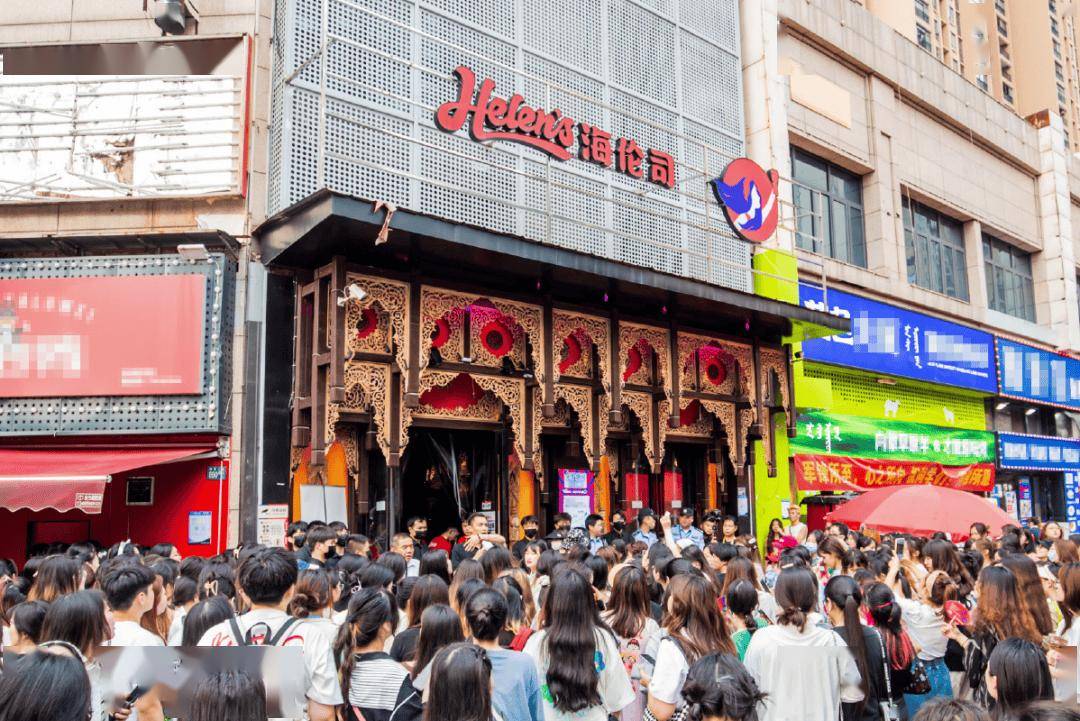
日本餐饮品牌,在中国市场猛猛赚钱?
虎嗅APP· 2025-11-21 14:04
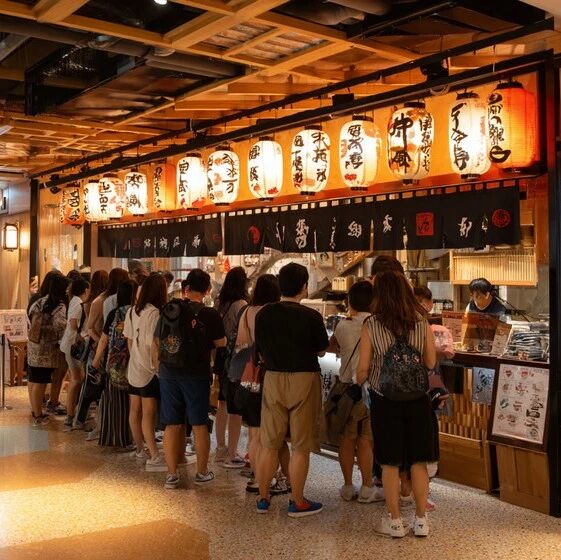
Core Viewpoint - Japanese restaurant brands are experiencing significant success in the Chinese market, with Sushi Ramen's parent company reporting record sales and operating profits, increasing by 19% and 54.4% respectively [4][5]. Group 1: Market Performance - Sushi Ramen and Bin Sushi have become extremely popular, often leading to long queues in shopping malls, indicating a surge in consumer interest in Japanese cuisine [5][9]. - Sushi Ramen's new stores in Shanghai are fully booked for two weeks in advance, showcasing the high demand for affordable sushi chains [7][9]. - The rapid expansion of local sushi brands and the entry of more Japanese brands into China have intensified competition in the Japanese cuisine sector [5][10]. Group 2: Competitive Landscape - Several Japanese brands are setting ambitious goals for expansion in China, with some aiming for "hundred-store" targets [11]. - Local restaurant giants, such as Haidilao, are entering the sushi market, indicating a trend towards localization in the Japanese cuisine sector [22]. - The competitive landscape is expected to become more intense as local brands adopt similar pricing strategies to attract consumers [21][22]. Group 3: Consumer Trends - The perception of Japanese cuisine has shifted, with consumers now more focused on price and value rather than just the origin of ingredients [17][25]. - The trend of "localization" in Japanese cuisine is growing, with domestic suppliers increasingly providing ingredients, reducing reliance on Japanese imports [23][25]. - The market for Japanese cuisine in China is projected to continue growing, with estimates suggesting a market size of 70 billion yuan by 2025 [24].

餐饮IPO热潮下,半数上市餐企利润下滑,增长难题待解!
Sou Hu Cai Jing· 2025-05-06 09:35
Core Insights - The recent developments in the restaurant industry indicate a potential increase in IPO activity, with companies like Hu Shang A Yi and Green Tea Group moving towards public listings, suggesting a competitive landscape ahead for 2025 [1] - Despite the IPO enthusiasm, the financial performance of many listed restaurant companies has been disappointing, with over half reporting a decline in net profits for 2024 [1][2] - Notably, companies like Nayuki and Xiaobawang have faced significant losses, with Nayuki's net profit plummeting from a profit of 0.21 billion in 2023 to a loss of 9.19 billion in 2024, marking its largest loss since going public [1][2] Industry Performance - The restaurant IPO market has seen a surge, with brands like Lao Xiang Ji and Yu Jian Xiao Mian also preparing for listings, indicating a robust interest in capital markets [1] - However, the overall financial health of the industry is concerning, as a report on 20 listed restaurant companies revealed that more than half experienced a decline in net profits, with six companies reporting losses exceeding 100% [1] - Specific companies like Wei Qian (China) and Helen's have also reported significant losses, with Wei Qian's net loss reaching 0.2 billion, a 111.17% decline year-on-year [2] Company Strategies - In response to the challenging market conditions, many restaurant companies are adjusting their expansion strategies, slowing down new store openings, and closing underperforming locations [6] - For instance, Jiao Bu Jiao has reduced its new store openings to 150 in 2024, closing 69 stores, resulting in a net increase of only 81 stores, significantly lower than the previous year's 170 [6] - Similarly, Jiao Bu Jiao closed 138 stores while opening only 65, leading to a reduction in total stores from 833 to 760 [6] Market Challenges - The restaurant industry is facing challenges such as shrinking consumer demand and oversupply, leading to increased competition and price wars [4] - Companies like Jiao Bu Jiao have attempted to adjust their pricing strategies, but these efforts have not resulted in sustained growth, as evidenced by a 23.3% decline in same-store sales despite a reduction in menu prices [4] - The tea beverage segment is also experiencing difficulties, with brands like Gu Ming and Cha Bai Dao seeing significant reductions in new store openings and increased closures, indicating a cautious approach from franchisees [7]