
智能体技术

Search documents
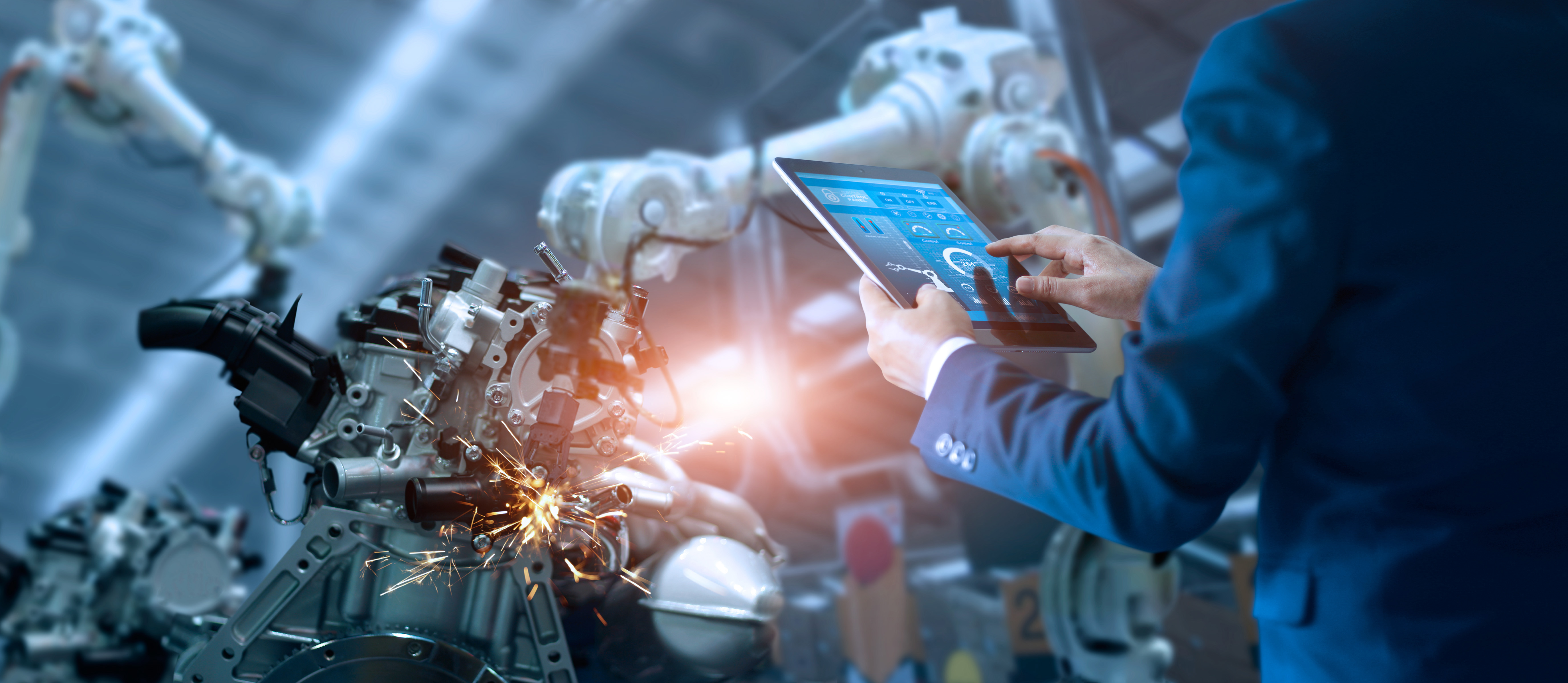
2030年机器人汽车工厂有望诞生,会全部代替人工吗?
Zhong Guo Qi Che Bao Wang· 2026-01-22 08:13
Core Insights - The automotive industry is on the brink of a significant transformation with the potential for fully automated robot-driven factories by 2030, particularly in China and the U.S. [3][4] - Major automotive manufacturers are increasingly piloting advanced robotic technologies in their production lines, with nearly half of the top 25 global carmakers already engaged in such initiatives [3] - The integration of humanoid robots in manufacturing processes is expected to enhance efficiency and sustainability in automotive production [5][6] Group 1: Industry Trends - The timeline of 2030 is projected as a critical turning point for the automotive manufacturing sector, with predictions of achieving 100% automation in assembly lines [3][4] - Consulting firms predict that the U.S. and China will lead the development of fully automated robotic assembly lines, significantly altering the manufacturing landscape [3][4] - Hyundai plans to deploy humanoid robots in its Georgia manufacturing plant starting in 2028, aiming for a production capacity of 30,000 robots annually [4] Group 2: Technological Advancements - The combination of generative AI, intelligent agent technology, digital twins, and robotics is expected to revolutionize automotive manufacturing, enhancing operational efficiency and reducing costs [6][7] - Humanoid robots are becoming integral to various production stages, capable of performing tasks that traditional robots struggle with, such as intricate assembly operations [7] - The potential economic value released by the accelerated adoption of advanced robotic technologies in large automotive enterprises could reach up to $150 billion annually [7] Group 3: Challenges and Human Role - Despite advancements, significant challenges remain in achieving fully automated factories, particularly in complex tasks like wiring harness installation and cockpit assembly [6][8] - Experts argue that human oversight will remain essential in automotive manufacturing, as robots require maintenance and cannot replicate the creative and strategic thinking of human workers [8][9] - The future of automotive manufacturing is expected to be characterized by human-robot collaboration, where robots handle repetitive tasks while humans focus on innovation and quality control [9]


中国联通软件研究院入选“智能体创新推进计划”成员单位
Ke Ji Ri Bao· 2025-12-08 12:29
Core Insights - The 2025 "Artificial Intelligence+" Industry Ecosystem Conference was held in Beijing, focusing on the theme "Together to Unveil a New Era of Intelligent Applications" [1] - The China Unicom Software Research Institute was recognized as a member of the "Intelligent Innovation Promotion Plan," showcasing its core strengths in intelligent technology [1][2] - The plan aims to create a collaborative platform among government, industry, academia, and research institutions to promote the large-scale application of intelligent technology [1] Group 1 - The "Intelligent Innovation Promotion Plan" is led by the China Internet Association and includes 12 key organizations, focusing on technology exploration, standard formulation, and ecosystem collaboration [1] - The Software Research Institute's inclusion reflects industry recognition of its technical capabilities and expectations for its leadership role in the intelligent industry [2] - The institute plans to invest in key areas such as industry standards, core technology breakthroughs, and the transformation of innovative results [2] Group 2 - The Software Research Institute aims to optimize algorithm models and application frameworks while expanding scenario-based applications in sectors like smart resources, government services, and intelligent manufacturing [2] - The institute will collaborate with member organizations to build an open and collaborative intelligent industry ecosystem, promoting the integration of intelligent technology with the real economy [2] - The initiative supports the "Artificial Intelligence+" action plan and aims to contribute to the high-quality development of the digital economy and the construction of a strong networked nation [2]
