
智能排产系统

Search documents
聚焦人工智能2026武汉国际智能制造数字化转型创新展览会制造融合新趋势
Sou Hu Cai Jing· 2026-01-27 05:38
2026武汉国际智能制造数字化转型创新博览会即将启幕 在制造业转型升级的关键时期,一场全球瞩目的盛会即将拉开帷幕——2026年武汉国际智能制造数字化转型创新博览会(以下简称"武汉智造展")将于9月 22日至24日在武汉国际博览中心盛大举办。作为连接产业链上下游的桥梁,这场为期三天的行业盛会将汇聚全球顶尖技术成果,聚焦智能制造与数字化转型 的核心议题,为行业从业者提供深度交流与合作的平台。 武汉智造展以"智能制造·数字未来"为主题,围绕工业互联网、人工智能、5G通信等前沿领域,搭建集技术展示、场景应用、政策解读于一体的综合平台。 展会不仅涵盖装备制造、汽车工业等传统行业,还延伸至新能源、航空航天等新兴赛道,全面呈现数字化转型的全链条解决方案。 展会核心展区将分为三大板块:工业互联网赋能区、智能制造技术应用区、绿色低碳创新区。其中,工业互联网赋能区重点展示龙头企业培育的行业型平 台,通过数字化园区、智能工厂等标杆案例,解析如何构建高效协同的产业链生态;智能制造技术应用区则聚焦机器人协作、机器视觉检测、数字孪生设计 等核心技术,展现AI与制造深度融合的实践路径;绿色低碳创新区则集中呈现增材制造、碳中和解决方案等可持 ...

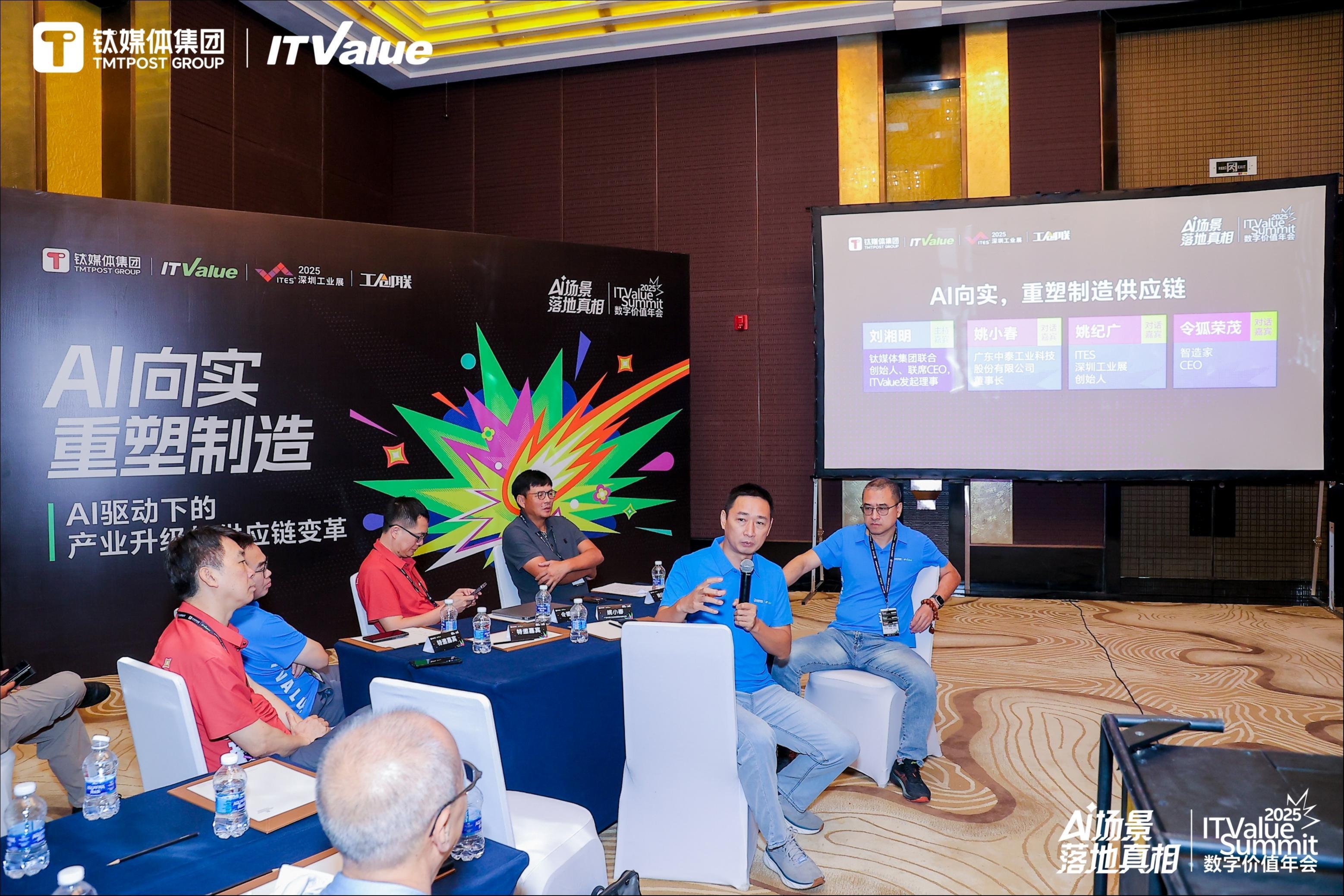
从“人拉肩扛”到“数据驱动”:供应链为何成为数字化的关键战场?|2025 ITValue Summit 数字价值年会
Tai Mei Ti A P P· 2025-09-18 08:10
Core Insights - Many small and medium-sized enterprises (SMEs) face challenges in realizing the return on investment (ROI) from their digital transformation efforts, despite having implemented various systems and automation equipment [3] - Approximately 90% of manufacturing enterprise data remains "asleep," particularly in SMEs, due to a lack of unified data and business process standards, leading to data silos and inefficient business collaboration [3][4] - The digitalization of supply chains is evolving from merely moving procurement processes online to achieving end-to-end collaboration and optimization through data integration [3] Group 1: Challenges in Digital Transformation - Enterprises often have multiple systems (e.g., SAP, PLM, MES) but struggle with data integration, resulting in data silos that hinder effective decision-making [4] - The absence of standardized business and data processes is a fundamental issue, as many companies jump into system implementation without proper design [4] - The "sleeping data" problem is exacerbated by the lack of a centralized data management system and effective edge data processing capabilities [5] Group 2: Solutions and Innovations - Companies are leveraging AI technologies to break down data barriers and enhance data sharing and value realization [4][5] - AI is being applied to improve supply chain transparency, responsiveness, and risk management, with successful case studies demonstrating proactive measures against price increases and stock shortages [6] - The development of platforms like "Procurement Butler" aims to streamline non-standard procurement processes, making them as simple and controllable as online shopping [6] Group 3: Future of AI in Manufacturing - 2025 is anticipated to be a pivotal year for AI applications, particularly in generative AI and large model technologies, although the manufacturing sector's approach differs from that of the internet industry [7] - The focus in manufacturing AI is on "small data" and "scenario closure," rather than the pursuit of large models, emphasizing practical applications over theoretical advancements [7] - Ultimately, the effectiveness of systems and AI in manufacturing will be measured by improvements in supply chain stability, speed, and intelligence [7]

武汉民营企业勇立潮头数量突破百万
Chang Jiang Ri Bao· 2025-05-29 00:27
Group 1 - The core viewpoint emphasizes the importance of entrepreneurial spirit in Wuhan's private enterprises, characterized by resilience, innovation, and collaboration [1] - The success of Sifang Optoelectronics in breaking international monopolies with its PM2.5 sensors and high-sensitivity methane sensors highlights the significance of self-reliance in high-end manufacturing [1] - High-performance chip development by Gaode Infrared showcases how core technologies can enhance competitive advantages and contribute to national security [1] Group 2 - The entrepreneurial spirit is described as being rooted in listening to community needs rather than chasing trends, as illustrated by Lichu Business Service's focus on essential services [1] - Wuhan Yimo Technology's significant growth, with a 300% increase in order volume and a projected 50% revenue growth, reflects the long-term commitment to industrial software development [1] - By the end of 2024, the number of private enterprises in Wuhan is expected to exceed one million, with over 90% of high-tech companies being privately owned, indicating a strong trend towards innovation and economic development [2]

