机电和音像设备

Search documents
美国出口商品狂飙125%,多元化市场破局,中国深耕东盟市场见成效
Sou Hu Cai Jing· 2025-11-19 11:42
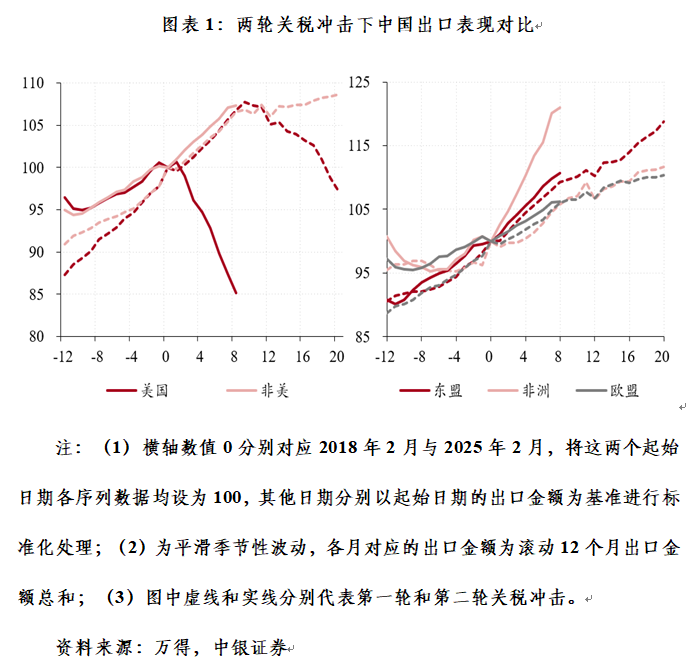
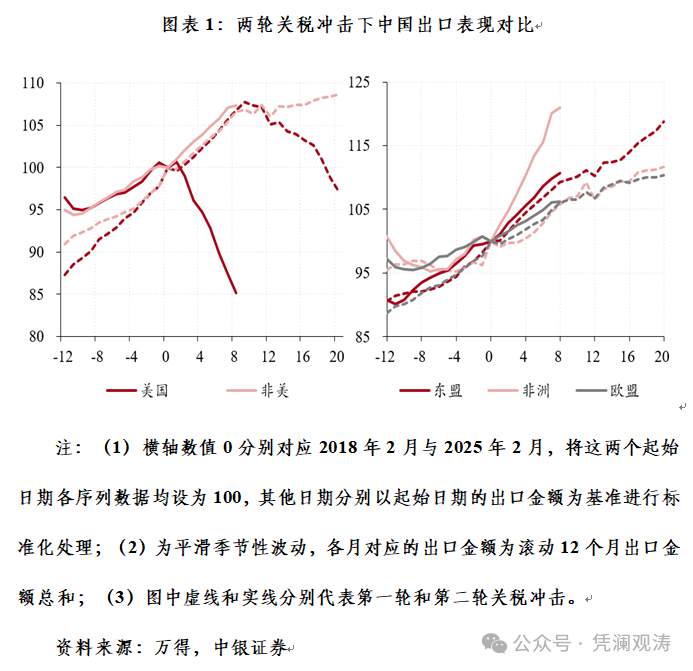
Core Viewpoint - The article highlights the resilience of China's exports amid the ongoing trade tensions and tariff increases initiated by the Trump administration, with China's global export share reaching a historical high of 14.2% in the first half of the year despite a significant rise in tariffs on Chinese goods [2]. Market Diversification - China's reliance on the U.S. market has decreased from around 20% during the previous trade conflict to approximately 10%, significantly mitigating the impact of current tariff shocks [5]. - In the first ten months of the year, China's exports to the U.S. fell by 17.8%, contributing to a 2.6 percentage point decline in overall export growth, yet the overall export performance remained stable due to effective market diversification strategies [5]. - China's exports to ASEAN increased by 14.3%, contributing 2.3 percentage points to overall export growth, while exports to Africa surged by 26.1%, adding 1.3 percentage points [7]. - Exports to the EU grew by 7.5%, contributing 1.1 percentage points to overall export growth, indicating a positive response to demand recovery and enhanced cooperation [7]. Product Structure Optimization - The optimization of product structure is a core support for the resilience of China's exports, with industrial products dominating exports and a continuous shift towards higher-value products [9]. - In September 2023, the share of high-end products in exports reached a record high of 53.3%, with machinery and audio-visual equipment contributing 42.6% and transport equipment 8.5% to the export mix [11]. - High-end product exports grew by 9.0%, directly boosting overall export growth by 4.8 percentage points, showcasing strong growth dynamics [11]. - The competitiveness of Chinese industrial products, measured by the Revealed Comparative Advantage (RCA) index, remains above 1, indicating a competitive edge over the global average [11][13]. Currency Exchange Rate Impact - The real effective exchange rate of the RMB fell by 4.6% in the first nine months of the year, enhancing the price competitiveness of Chinese goods in international markets [17]. - This price advantage has helped alleviate cost pressures from tariffs and has been a crucial factor in maintaining export orders [19]. Future Outlook - The resilience of China's exports is attributed to a combination of government and market responses to external shocks, including market diversification, manufacturing upgrades, and favorable currency movements [21]. - To sustain export resilience and achieve higher quality growth, China must strengthen its domestic economic cycle and continue to enhance manufacturing capabilities [22][24]. - The ongoing diversification of export markets and deepening cooperation with Belt and Road Initiative countries and emerging markets are essential for maintaining stable trade partnerships [24]. - The article emphasizes the need for continuous reform and innovation to navigate complex external environments and ensure sustained healthy development of export trade [26].

管涛:中国出口韧性从何而来|立方大家谈
Sou Hu Cai Jing· 2025-11-17 05:38
Core Viewpoint - Despite the challenges posed by Trump's tariff policies, China's export resilience has exceeded market expectations, with its global export share reaching a historical high of 14.2% in the first half of the year [1] Group 1: Export Market Diversification - The trade conflict initiated by Trump has led to a significant increase in tariffs on Chinese goods, with rates rising from 34% to as high as 125% [2][3] - China's reliance on the U.S. for exports has decreased, with its share of exports to the U.S. dropping from around 20% at the end of 2018 to approximately 10% [3] - In response to tariff pressures, China has diversified its export markets, with exports to ASEAN and Africa growing by 14.3% and 26.1% respectively in the first ten months of the year [4] Group 2: Export Product Structure Optimization - China's export product structure has improved, with high-tech industrial products accounting for 53.3% of exports in September, marking a historical high [5][7] - The export growth of high-tech products has contributed significantly to overall export growth, with a 9.0% increase in the first nine months of the year [5][7] - The competitiveness of Chinese products has been bolstered by a stable RCA index above 1 for various industrial products, indicating a strong comparative advantage [9][11] Group 3: Concerns Behind Export Resilience - A significant portion of China's exports consists of intermediate goods, which are often processed in other countries before reaching final markets, raising concerns about the sustainability of this export model [13][15] - The decline in export prices due to domestic demand issues and increased competition has led to a trend of "trading at lower prices for volume," impacting overall export value [15] - The IMF has highlighted that the long-term support for China's export resilience from diversifying markets may be uncertain, as demand from major economies remains crucial [15][17]
管涛:中国出口韧性从何而来
Di Yi Cai Jing· 2025-11-16 13:21
Core Viewpoint - China needs to be vigilant about the weakening momentum of global economic growth and the recurring external trade conflicts that may disrupt external demand in the coming year [1] Group 1: Export Market Diversification - The trade conflict initiated by Trump has led to a significant increase in tariffs on Chinese exports, with rates rising from 34% to as high as 125% [2][3] - Despite the intensified trade conflict, China's reliance on the U.S. for exports has decreased, with the share of exports to the U.S. dropping from around 20% at the end of 2018 to about 10% [3][4] - China's exports to ASEAN and Africa have seen significant growth, with year-on-year increases of 14.3% and 26.1% respectively, contributing positively to overall export growth [4] Group 2: Export Product Structure Optimization - The structure of China's export products has improved, with the share of high-tech industrial products rising to 53.3% in September 2023, marking a historical high [5][7] - The growth in high-tech industrial exports has been driven by machinery and audio-visual equipment, which saw their export shares increase to 42.6% and 8.5% respectively [5][7] - The RCA index for various industrial products indicates that while labor and resource-intensive products have seen a decline in comparative advantage, other categories have shown significant improvement [9][12] Group 3: Concerns Behind Export Resilience - A significant portion of China's exports consists of intermediate goods, with 51.1% of total exports being intermediate products, indicating a reliance on further processing in other countries like Vietnam [13][15] - The IMF report highlights that while China's intermediate goods trade has increased, the export of final goods remains primarily directed towards Europe and North America, raising concerns about the sustainability of this trade structure [15] - The continuous decline in export prices since 2023 has led to a trend of "trading price for volume," which may provoke increased trade protectionism against China [15][17]