松糕

Search documents
光影年味醉申城
Xin Lang Cai Jing· 2026-02-17 15:25
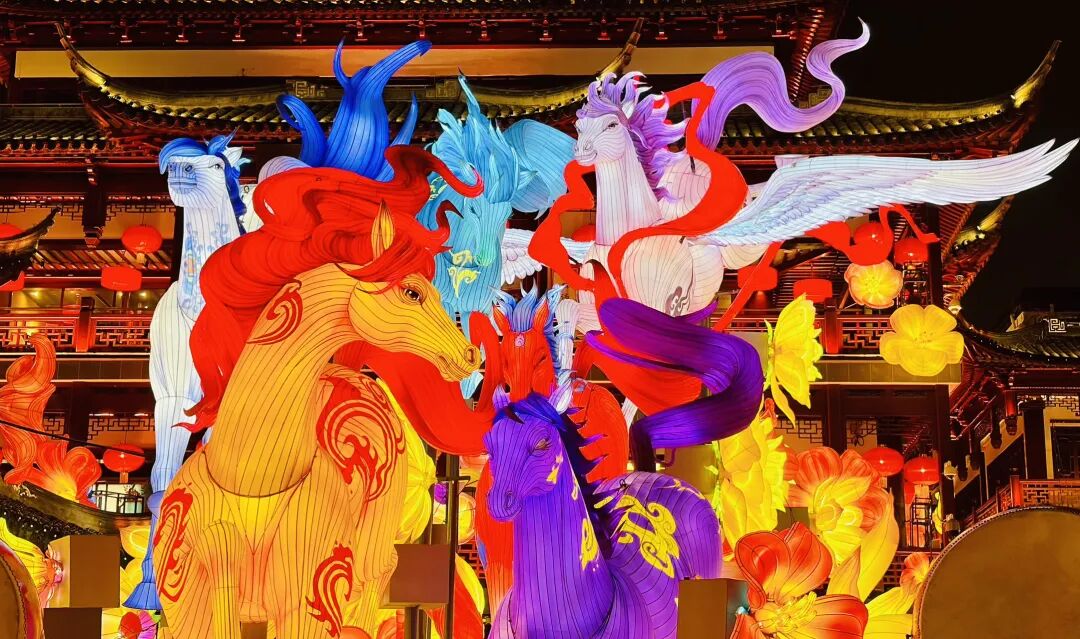
Core Viewpoint - The article highlights the vibrant and festive atmosphere of the Chinese New Year celebrations in Shanghai, particularly focusing on the Yuyuan Lantern Festival, which showcases a blend of traditional customs, modern creativity, and culinary delights. Group 1: Yuyuan Lantern Festival - The Yuyuan Lantern Festival has been upgraded this year, extending its reach beyond traditional boundaries to include six areas, creating a new integrated layout [2][4]. - The festival features a three-story tall giant lantern and various themed light displays that narrate traditional New Year stories, enhancing the cultural experience for visitors [2][4]. - Interactive performances and activities, such as the "Festival Parade," allow visitors to engage with traditional arts and crafts, making the experience more immersive and enjoyable [7]. Group 2: Commercial District Celebrations - Major commercial centers in Shanghai are competing creatively to showcase their New Year decorations, with installations that blend traditional aesthetics with modern design [8][10]. - The International Financial Center has transformed its entrance with vibrant floral decorations and a large "Fu" character, symbolizing good fortune [10][11]. - Various shopping malls are featuring unique installations and interactive experiences, such as the "Copper Galloping Horse" display, which celebrates the Year of the Horse through artistic representations [11][14]. Group 3: Culinary Traditions - The Nanjing Road pedestrian street serves as a hub for traditional Shanghai snacks, attracting both locals and tourists eager to experience authentic flavors [15][19]. - Iconic food establishments like Shen Da Cheng and Zhen Lao Da Fang are seeing increased foot traffic as they offer popular seasonal treats, contributing to the festive atmosphere [19][20]. - The First Food Store provides a convenient option for visitors to sample a variety of local delicacies, encapsulating the essence of Shanghai's culinary heritage [20]. Group 4: Cultural Events and Activities - The inaugural Pudong Chinese New Year Festival at the Pudong Art Museum features traditional performances and interactive experiences, enhancing the festive spirit in the urban landscape [22][24]. - The festival includes traditional crafts and activities, such as making rice cakes and drawing sugar paintings, allowing visitors to engage with cultural practices [22][24]. - The nightly intangible cultural heritage fire performance captivates audiences, blending traditional artistry with the modern cityscape, creating a memorable visual experience [24].

温州空港贵宾服务有限公司推出“瓯味暖冬·禧悦同行”活动
Zhong Guo Min Hang Wang· 2026-02-04 05:58
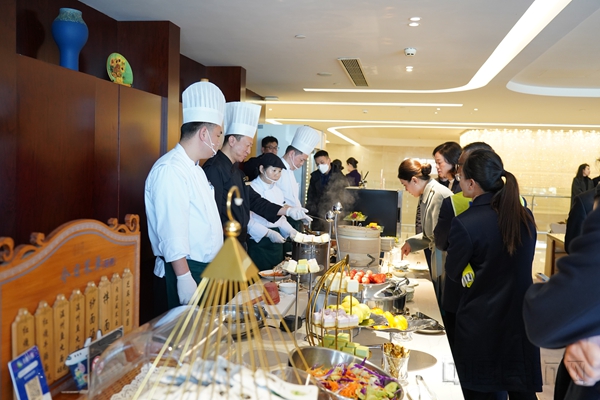
Group 1 - The core theme of the event is "Traditional Ouyue Flavor with a New Look, Warm Winter Service Touching Hearts," focusing on providing a unique culinary experience for travelers at Wenzhou Airport [1][3] - The event features a variety of traditional Wenzhou snacks such as hand-made shrimp, meat wontons, and lard cakes, prepared on-site to evoke the warmth of home-cooked meals [1][3] - A special "Warm Winter Cocktail Zone" is set up, offering both alcoholic and non-alcoholic drinks, including custom cocktails to enhance the winter travel experience [3] Group 2 - The event is part of the company's efforts to deepen the Ouyue culture and upgrade VIP services, building on the success of last year's "Ouyue Nostalgia, Intangible Cultural Heritage New Year" event [3] - The company plans to continue exploring the cultural connotations of Ouyue and introduce more themed activities that blend traditional charm with modern innovation, ensuring travelers feel the warmth and care of Wenzhou's hospitality [3]
视频丨台北街头的“乡愁地图” 每条路都指向家的方向
Yang Shi Xin Wen Ke Hu Duan· 2025-10-27 07:30
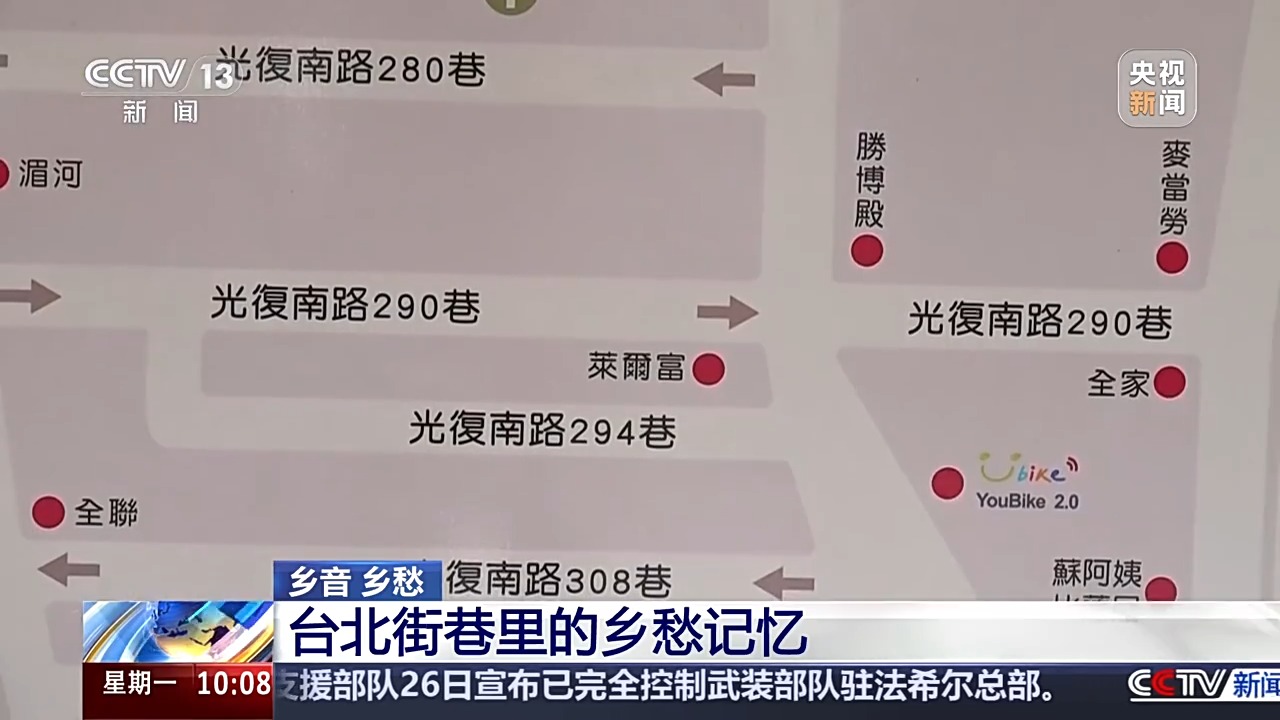
Core Viewpoint - The article explores the cultural and historical connections between Taiwan and mainland China through street names and local cuisine in Taipei, highlighting the shared memories and nostalgia among the Taiwanese people [2][6][8]. Group 1: Street Names and Historical Significance - Taipei features numerous streets named after places in mainland China, reflecting a systematic naming convention based on geographical locations [6]. - After Taiwan's return to China in 1945, many streets were named to eliminate colonial influences, with a notable architect using a map of China to guide the naming process [6][8]. - There are currently 151 streets in Taiwan named "光复" (Restoration), which carry historical significance and are integrated into daily life [4]. Group 2: Culinary Heritage and Market Culture - The South Gate Market in Taipei, with nearly 120 years of history, serves as a hub for traditional mainland Chinese snacks and goods, showcasing the culinary nostalgia of the Taiwanese people [8][9]. - The market features long-standing businesses, such as "合兴糕团店," which has been operating for almost 80 years, offering traditional foods that evoke memories of home [9][11]. - The connection to mainland China is emphasized through the experiences of business owners who maintain their culinary traditions while expressing pride in their heritage [11].
台北街头的“乡愁地图” 每条路都指向家的方向
Yang Shi Xin Wen Ke Hu Duan· 2025-10-27 06:04
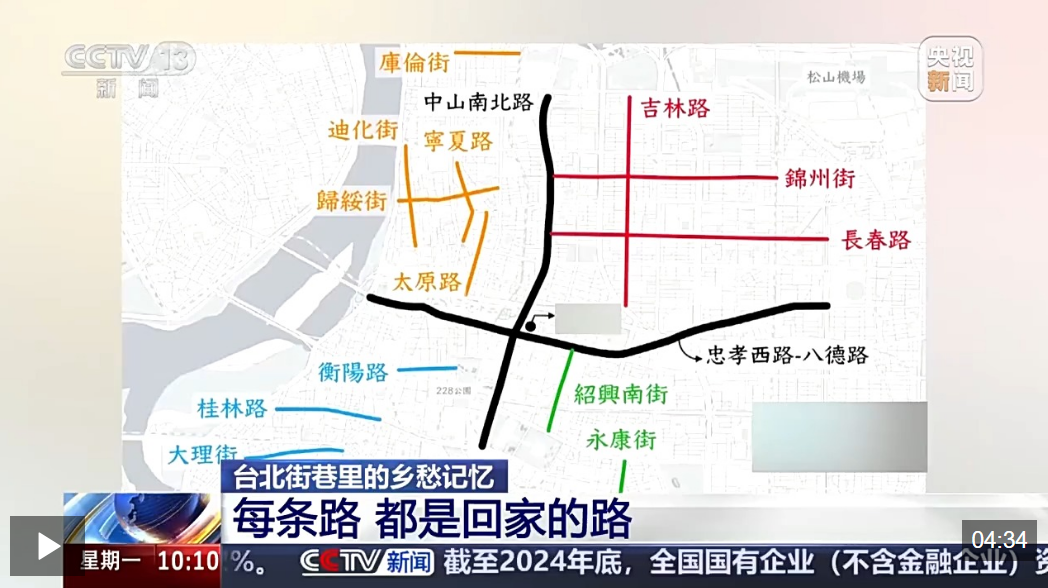
Core Insights - The article explores the cultural and historical significance of street names in Taipei, reflecting a connection to mainland China and the shared memories of the Taiwanese people [7][10][13] - It highlights the culinary heritage found in markets like the South Gate Market, showcasing traditional foods that evoke nostalgia among the Taiwanese population [11][13] Group 1: Street Names and Cultural Significance - Taipei features numerous streets named after locations in mainland China, allowing residents to feel a connection to their heritage [6][7] - The naming of streets in Taipei was influenced by a systematic approach, aligning with geographical locations in mainland China, which was initiated after Taiwan's return to Chinese sovereignty in 1945 [7][10] - There are currently 151 streets in Taiwan named "光复" (Restoration), reflecting historical memories and cultural identity [4] Group 2: Culinary Heritage - The South Gate Market, with nearly 120 years of history, serves as a hub for traditional snacks and goods from mainland China, catering to the nostalgia of the Taiwanese people [10][11] - The market features long-standing businesses, such as the He Xing Cake Shop, which has been operating for almost 80 years, emphasizing the continuity of culinary traditions [11][13] - The connection to mainland China is further reinforced by the experiences of business owners who maintain ties to their ancestral homes, showcasing pride in their heritage [13]