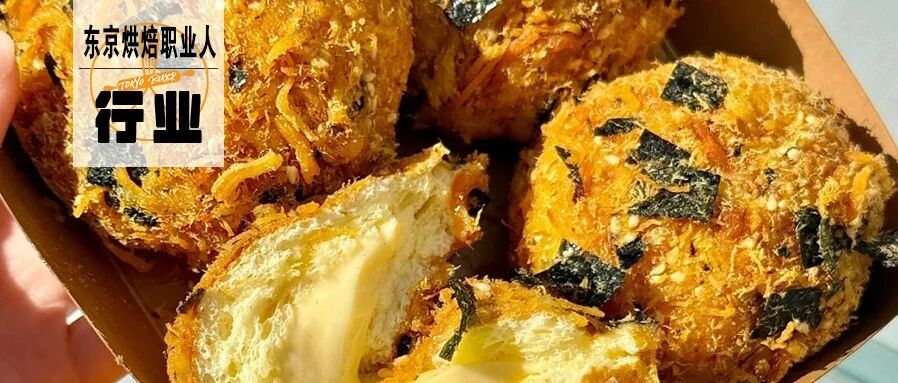
蝴蝶酥

Search documents
展示上海温度 夯实友好关系 一个月间4位外国政要到访 在沪经历让政要期待“何时能再来”
Jie Fang Ri Bao· 2026-02-25 01:24
Group 1 - The article highlights the significance of recent high-level visits to Shanghai, with four foreign leaders visiting within a month, emphasizing the city's role in strengthening international relations [1] - The welcoming details, such as playing local music and personalized experiences, reflect Shanghai's sincerity and effort to create a positive impression on visiting dignitaries [2] - The presence of foreign journalists during these visits has led to increased media coverage of Shanghai's urban landscape and local life, showcasing the city as a window to observe China [3] Group 2 - The city has implemented strategies to minimize disruptions during high-level visits, ensuring smooth operations while accommodating foreign guests [4] - The aftermath of these visits has resulted in a surge in local business, with increased sales and interest in products associated with the visiting leaders [5] - The visits have also facilitated discussions on enhancing bilateral trade and cooperation, with leaders expressing intentions to strengthen economic ties [6]
申城消费市场热气腾腾 老字号新品牌吸引中外消费者驻足打卡 新潮活动沉浸体验“磁吸力”十足
Jie Fang Ri Bao· 2026-02-20 01:27
Core Insights - The article highlights the resurgence of traditional food brands and the emergence of new popular dining spots in Shanghai during the Spring Festival, showcasing a vibrant consumer atmosphere and increased foot traffic in commercial areas [2][3][4]. Group 1: Traditional Brands - Established brands like Xiao Shao Xing and De Xing Guan have successfully attracted large crowds, with long queues forming outside their locations on Shanxi South Road, which has become a new hotspot for dining [2][3]. - Xiao Shao Xing has adapted to modern consumer preferences by introducing new menu items such as baked crème brûlée and osmanthus rice milk, appealing to younger customers and international tourists [2]. - De Xing Guan experienced a surge in popularity due to a mention in a popular drama, leading to increased customer traffic and adjustments in operating hours to accommodate demand [3]. Group 2: New Consumption Scenes - New consumption brands in Shanghai are creating innovative shopping experiences, such as the themed pop-up events at BFC Financial Center, which combine traditional elements with modern trends to attract consumers [4]. - The introduction of pop-up stores, like the one by Lao Pu Huang Jin, has significantly increased foot traffic, with customers often waiting hours to enter, benefiting surrounding shops as well [5][6]. - The LV giant "Louis" continues to draw crowds, with all reservation slots for its exhibition fully booked during the Spring Festival, indicating strong interest from both local and international visitors [6]. Group 3: Consumer Behavior - The festive atmosphere and new shopping experiences have encouraged local residents to stay in Shanghai for the holiday, contributing to a vibrant local economy [4]. - Consumers are increasingly engaging with new brands and experiences, leading to a shift in shopping habits and preferences during the festive season [5][6].

光影年味醉申城
Xin Lang Cai Jing· 2026-02-17 15:25
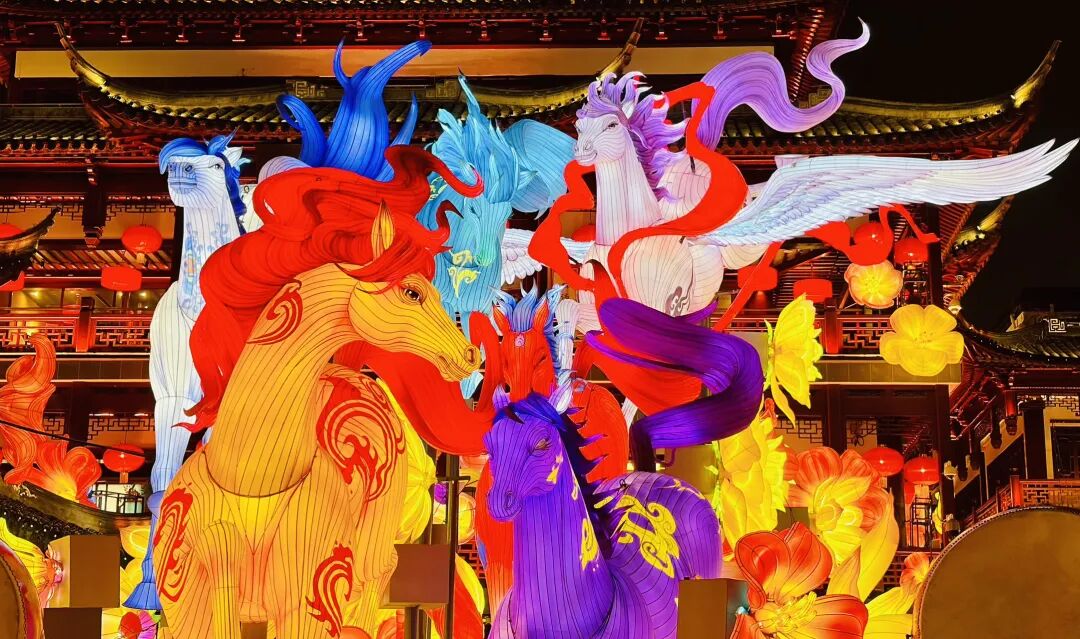
Core Viewpoint - The article highlights the vibrant and festive atmosphere of the Chinese New Year celebrations in Shanghai, particularly focusing on the Yuyuan Lantern Festival, which showcases a blend of traditional customs, modern creativity, and culinary delights. Group 1: Yuyuan Lantern Festival - The Yuyuan Lantern Festival has been upgraded this year, extending its reach beyond traditional boundaries to include six areas, creating a new integrated layout [2][4]. - The festival features a three-story tall giant lantern and various themed light displays that narrate traditional New Year stories, enhancing the cultural experience for visitors [2][4]. - Interactive performances and activities, such as the "Festival Parade," allow visitors to engage with traditional arts and crafts, making the experience more immersive and enjoyable [7]. Group 2: Commercial District Celebrations - Major commercial centers in Shanghai are competing creatively to showcase their New Year decorations, with installations that blend traditional aesthetics with modern design [8][10]. - The International Financial Center has transformed its entrance with vibrant floral decorations and a large "Fu" character, symbolizing good fortune [10][11]. - Various shopping malls are featuring unique installations and interactive experiences, such as the "Copper Galloping Horse" display, which celebrates the Year of the Horse through artistic representations [11][14]. Group 3: Culinary Traditions - The Nanjing Road pedestrian street serves as a hub for traditional Shanghai snacks, attracting both locals and tourists eager to experience authentic flavors [15][19]. - Iconic food establishments like Shen Da Cheng and Zhen Lao Da Fang are seeing increased foot traffic as they offer popular seasonal treats, contributing to the festive atmosphere [19][20]. - The First Food Store provides a convenient option for visitors to sample a variety of local delicacies, encapsulating the essence of Shanghai's culinary heritage [20]. Group 4: Cultural Events and Activities - The inaugural Pudong Chinese New Year Festival at the Pudong Art Museum features traditional performances and interactive experiences, enhancing the festive spirit in the urban landscape [22][24]. - The festival includes traditional crafts and activities, such as making rice cakes and drawing sugar paintings, allowing visitors to engage with cultural practices [22][24]. - The nightly intangible cultural heritage fire performance captivates audiences, blending traditional artistry with the modern cityscape, creating a memorable visual experience [24].

两会对话|如何承接英国首相“带货”热度?黄震委员:将上海豫园打造成“国际友好”消费新地标
Xin Lang Cai Jing· 2026-02-02 23:54
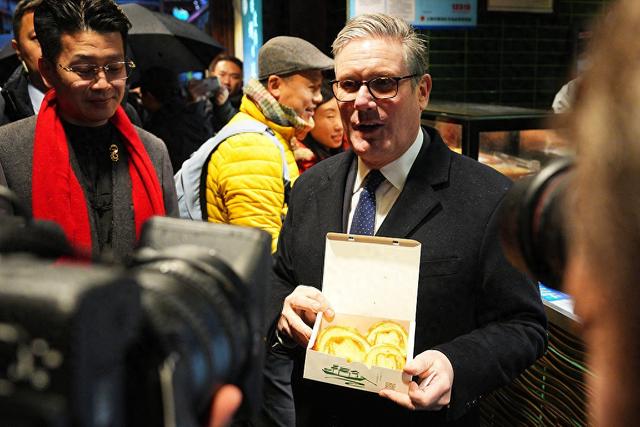
Core Viewpoint - The visit of UK Prime Minister Starmer to Yuyuan Garden and his purchase of the butterfly crisp signifies recognition of the Yuyuan brand and Chinese cultural influence, highlighting the need for Yuyuan to maximize its cultural value and promote Chinese culture globally [1] Group 1: Yuyuan's Role in International Consumption - Yuyuan Garden is a key player in Shanghai's development as an international consumption center, focusing on upgrading the jewelry fashion industry and enhancing urban consumption capabilities [1] - Yuyuan plans to enhance its appeal to international tourists by improving payment convenience and language services, aiming to create a welcoming experience for overseas visitors [3] Group 2: Brand Expansion and Cultural Promotion - Yuyuan has initiated cultural and brand expansion through events like the "Lantern Festival," with plans to open its first flagship store in London by 2025 and expand its presence in Southeast Asia [5] - The company emphasizes the importance of a solid business model and industry chain layout for successful international expansion, with a focus on key regions and replicable business models by 2026 [5] Group 3: Lantern Festival Enhancements - The Lantern Festival this year will see significant upgrades, including an expanded geographical area and the introduction of a "ticket root economy" model, where tickets serve as both entry passes and redeemable vouchers at local merchants [6] - The expected visitor count for this year's festival is projected to exceed 4 million, with a focus on enhancing the overall experience rather than just increasing numbers [6] Group 4: Jewelry Fashion Functional Zone Development - The establishment of the International Jewelry Fashion Functional Zone is seen as a significant opportunity for Yuyuan, aiming to enhance the cultural and aesthetic appeal of jewelry products [6] - The company is working on integrating the jewelry industry with cultural elements, focusing on reducing the financial attributes of gold products while enhancing their wearable and aesthetic qualities [7] Group 5: Revitalizing Traditional Brands - To invigorate the consumption vitality of traditional brands, Yuyuan suggests enhancing product cultural integration, creating immersive cultural consumption experiences, and establishing a robust system for Shanghai's signature gifts [8][9] - The company advocates for collaborative efforts between market entities and government to ensure the jewelry fashion functional zone becomes a hub for top brands and consumer experiences [7]

从年货大街到春运暖途,大润发联合蒙牛诠释品牌温度
Yang Zi Wan Bao Wang· 2026-02-02 04:35
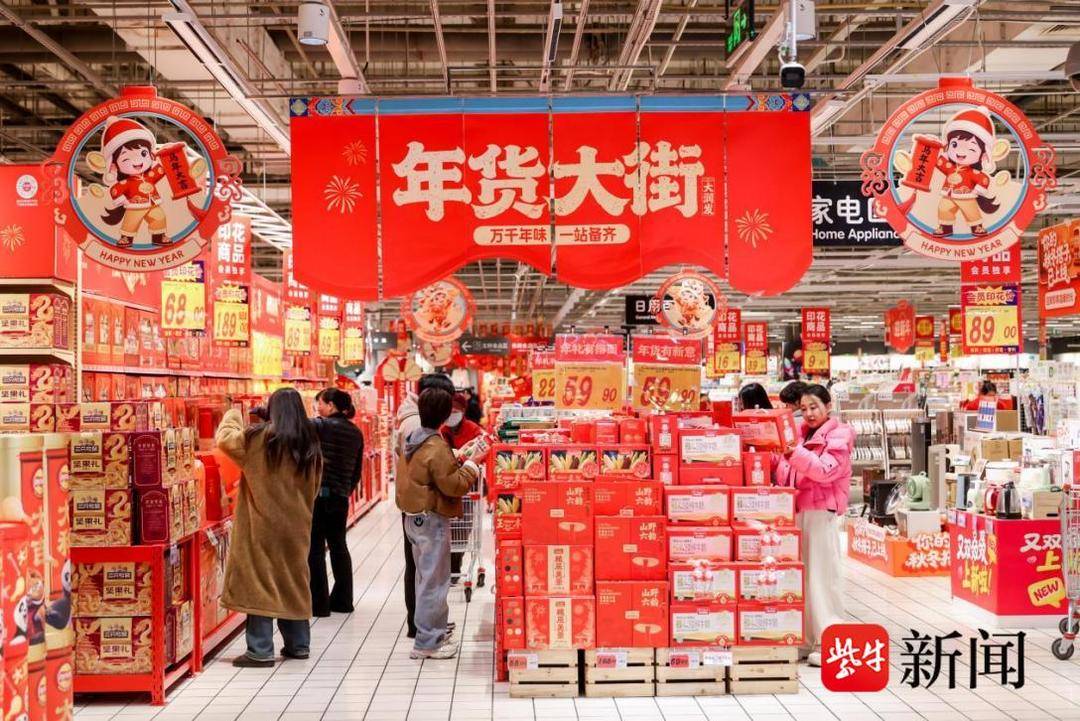
Group 1 - The core initiative is a collaboration between retail brand RT-Mart and dairy brand Mengniu, launching a special campaign called "Spring Festival Return Journey Gifts" to warm the journey of returning home for consumers [1][2] - Starting from February 1, 2026, consumers can exchange their transportation tickets from Shanghai for a unique "Homecoming Gift Package" at designated RT-Mart stores, which includes Mengniu milk and selected butterfly pastries [1] - RT-Mart has also fully launched its New Year goods season, offering customized gift boxes and a variety of products including snacks, seafood, and beverages to meet consumer needs for festive purchases [2] Group 2 - The collaboration with Mengniu represents a practical implementation of RT-Mart's brand youthfulness strategy, aiming to refresh its brand image by engaging consumers emotionally through innovative interactions [2] - By linking the "ticket" as an emotional carrier and designing interactive ways to "unlock" the gift package, RT-Mart is transforming from a traditional retail space into a modern lifestyle space that creates surprises and participates in significant moments [2]

“菜肉馄饨”里满载娘家人的爱!闵行举办工会职工送温暖、促消费活动
Xin Lang Cai Jing· 2025-12-28 05:00
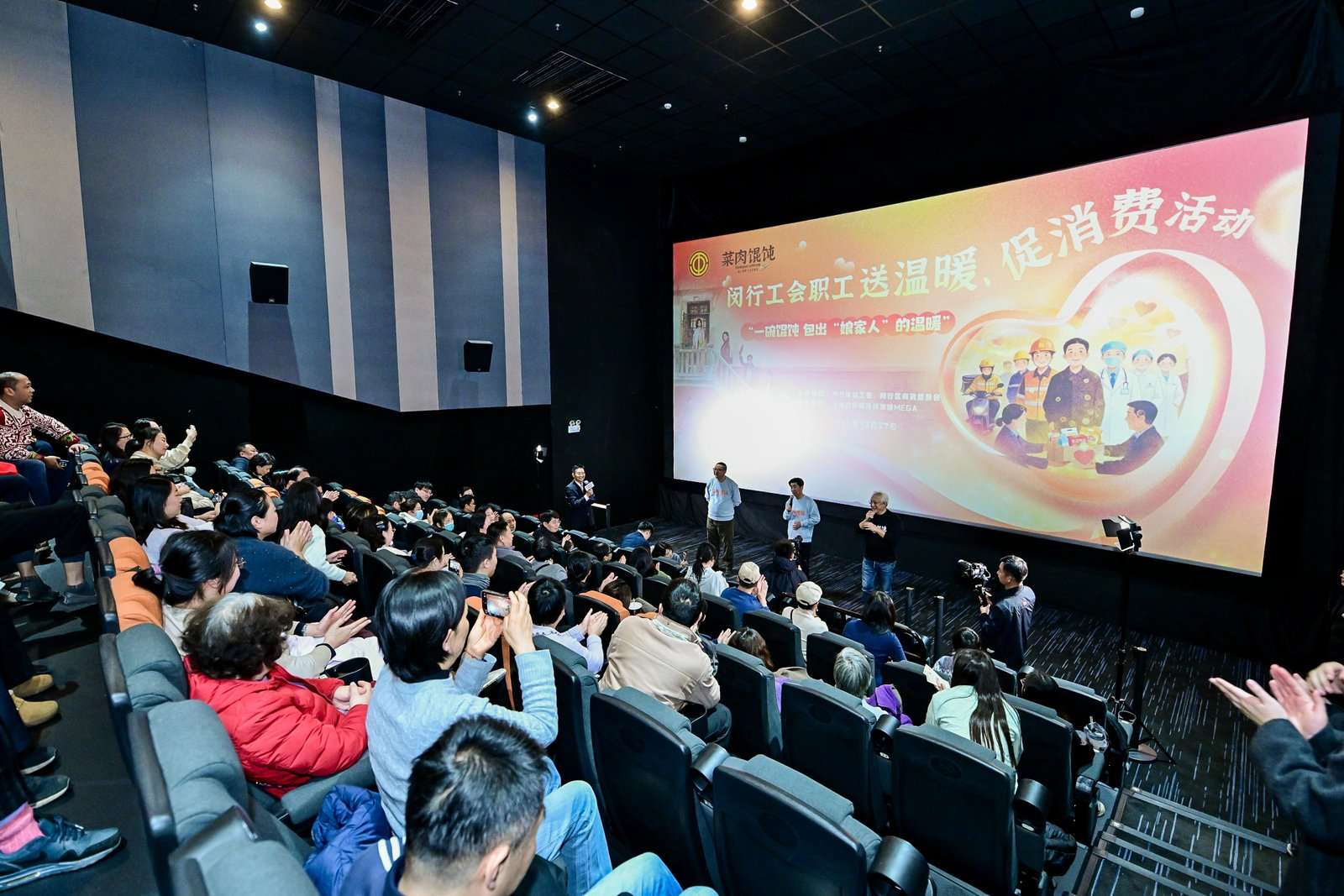
Core Viewpoint - The event organized by the Minhang District Trade Union and the District Commerce Committee aims to promote warmth and consumption among workers, featuring a film screening and various benefits for attendees [1][5]. Group 1: Event Overview - The "Minhang Trade Union Workers' Warmth and Consumption Promotion Activity" took place at Shanghai Hongqiao Qianwan Impression City MEGA, gathering over 300 workers and their families [1]. - The event coincided with the nationwide release of the film "Cai Rou Huan Tun," allowing workers to enjoy a culturally significant film while engaging in community bonding [3]. Group 2: Benefits and Services - Attendees received benefits such as free food and shopping vouchers, with workers able to exchange movie ticket stubs for a complimentary dish and a 50 yuan shopping voucher valid at over 100 participating brands [5]. - The event featured a "Minhang Happiness Market" showcasing local brands and provided various services, including mutual assistance consultations and cultural experiences [7]. Group 3: Future Initiatives - The Minhang District Trade Union plans to continue enhancing its "Warm Service" brand and improve the "Minhang Benefits" service system, focusing on the well-being of workers [11]. - Upcoming initiatives include the "Happiness Life in Minhang" theme activities, the establishment of a "Minhang Benefits" alliance, and the organization of the "2025 Shanghai Workers' Leisure and Rehabilitation Expo" [9].
看好影片《菜肉馄饨》,吃一碗菜肉馄饨……闵行开展工会职工送温暖、促消费活动
Xin Lang Cai Jing· 2025-12-27 12:31
Core Viewpoint - The event organized by the Minhang District Trade Union and the District Commerce Committee aims to promote warmth and consumption among workers, enhancing their cultural and spiritual lives through activities like film screenings and community engagement [6][10]. Group 1: Event Overview - The "Minhang Trade Union Workers' Warmth and Consumption Promotion Activity" took place on December 27, gathering over 300 workers and their families to enjoy the film "Cai Rou Huan Tun" [4]. - The film's creative team attended the event, engaging with workers and sharing experiences related to labor and craftsmanship [4]. Group 2: Benefits and Services - The event introduced a "Viewing Benefits" program, allowing workers to exchange movie ticket stubs for free food and vouchers, enhancing the consumer experience [6]. - A "Minhang Happiness Market" was set up, featuring local brands and providing various services such as mutual assistance consultations and cultural experiences [8]. Group 3: Future Initiatives - By 2025, the Minhang District Trade Union plans to launch the "Happiness Life in Minhang" initiative, which includes ten welfare projects and the establishment of a business alliance to improve workers' quality of life [10]. - The district has implemented various programs, including public services and discounts, benefiting over 14,000 workers [10][12]. Group 4: Commitment to Workers - The Minhang District Trade Union emphasizes a worker-centered approach, aiming to enhance the "Warm Service" brand and improve the welfare service system for workers [12].
上海烘焙,怎么就成了全国最卷市场No.1?
东京烘焙职业人· 2025-11-03 09:29
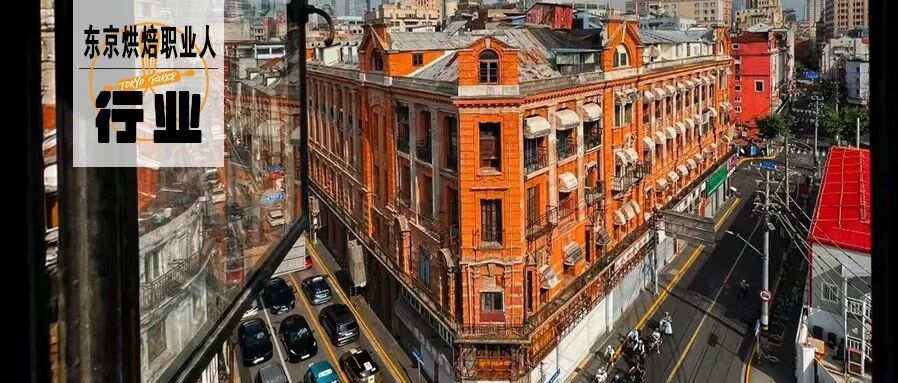
Core Insights - Shanghai is the leading city in China's baking industry, with over 8,000 baking stores, accounting for a significant portion of the 338,000 nationwide [1][4] - The city's baking culture has evolved through distinct phases, each reflecting changes in consumer preferences and market dynamics [6][8] Group 1: Historical Development of Baking in Shanghai - The baking industry in Shanghai can be divided into four key phases, each marked by unique characteristics and consumer trends [8][10] - The first phase (1990s) saw the emergence of local brands and a mix of traditional and modern baking styles, with brands like 凯司令 and local shops gaining popularity [8][10] - The second phase (late 1990s to early 2000s) marked the entry of foreign and Taiwanese brands, leading to a brand-centric market with chains like 面包新语 and 克莉丝汀 becoming household names [12][14] - The third phase (mid-2000s) introduced boutique bakeries focusing on artisanal products, emphasizing quality ingredients and craftsmanship, with brands like Sunflour and 百丘 leading the way [17][20] - The fourth phase (late 2010s to early 2020s) saw a resurgence of local flavors and innovative concepts, blending traditional Chinese elements with Western baking techniques [22][24] Group 2: Factors Contributing to Shanghai's Dominance - Shanghai's unique consumer base, characterized by a willingness to experiment and a high aesthetic standard, has fostered a vibrant baking culture [32][34] - The city's dense urban structure and strong social media presence facilitate rapid brand visibility and consumer engagement, making it a trendsetter in the baking industry [35][37] - The evolution of baking entrepreneurs, often with international experience, has led to a focus on brand storytelling and lifestyle integration, enhancing product differentiation [38][40] - The discerning nature of Shanghai consumers drives continuous innovation among baking brands, ensuring that they remain at the forefront of market trends [41][46] Group 3: Current Trends and Consumer Behavior - The current baking landscape in Shanghai is marked by a diverse range of offerings, catering to various consumer segments and preferences [27][29] - The rise of health-conscious consumers has led to an emphasis on ingredient transparency, with terms like "French flour" and "natural yeast" becoming essential in brand positioning [48][50] - A shift in aesthetic preferences has emerged, with consumers favoring simplicity and authenticity over ostentation, reflecting a broader cultural trend towards minimalism [51][53] - The concept of baking as a lifestyle and cultural expression has solidified, with products serving as social currency and identity markers among consumers [55][57]
看馋了!这些电影同款美食不可错过
Sou Hu Cai Jing· 2025-10-08 03:26
Core Insights - The Chinese film industry is thriving, with successful films achieving both critical acclaim and box office success, exemplified by titles like "The Wandering Earth" and "Ne Zha" [1][3] - The integration of film with food and cultural experiences is gaining momentum, as seen in initiatives like "Follow the Movie to Taste Food," which promotes collaboration between the film and restaurant industries [1][11] Film and Food Integration - The "Follow the Movie to Taste Food" initiative has been launched, promoting local culinary experiences tied to popular films, enhancing consumer engagement in regions like Beijing, Jiangsu, and Zhejiang [1][11] - Specific films are highlighted for their culinary connections, such as "Outside is the Blue Star," which features Shandong's fish dumplings, and "Ne Zha," which showcases Sichuan hot pot [3][4][11] Regional Culinary Highlights - Shandong's fish dumplings are celebrated for their quality, made from fresh fish from the Bohai Sea, reflecting local culinary traditions [1][3] - Sichuan hot pot is described as a cultural staple, with a variety of ingredients that cater to diverse tastes, emphasizing the communal aspect of dining [6][8] - Guangdong's dim sum, particularly rice rolls, is noted for its delicate preparation and rich flavors, showcasing the region's culinary finesse [12][13][16] Film Box Office Performance - "Outside is the Blue Star," China's first space film, has grossed over 46 million yuan, marking a significant achievement in the industry [3] - The film's unique aesthetic and storytelling have contributed to its popularity during the National Day holiday [3] Cultural Significance - The integration of food and film reflects broader cultural narratives, with each dish representing regional identities and traditions, enhancing the viewer's experience [1][12][16]
新中式烘焙十年,为什么再没出下一个肉松小贝?
东京烘焙职业人· 2025-09-29 08:33
Core Viewpoint - The article discusses the evolution of the new Chinese baking industry over the past decade, highlighting the challenges in creating new "blockbuster" products like the "Meat Floss Little Cake" that once captivated the market. It emphasizes the need for a shift from short-lived trends to sustainable, long-term products that resonate with consumers' memories and experiences [5][38]. Group 1: Historical Context and Market Dynamics - The "Meat Floss Little Cake," developed by Bao Caisheng in 2004, became a nationwide sensation in 2014, marking a significant moment in the Chinese baking industry [3][4]. - This product represented a fusion of Chinese and Western flavors, breaking traditional boundaries and creating a new taste experience that appealed to consumers [6][11]. - The rapid expansion of bakery stores and the maturation of supply chain logistics in 2015 facilitated the widespread distribution of the "Meat Floss Little Cake," which was easy to standardize and replicate [8][9]. Group 2: Evolution of Product Categories - The new Chinese baking industry has undergone a transformation from "blockbuster" products to "evergreen" and "daily" products over the past decade [14]. - The "blockbuster phase" (2016-2018) was characterized by products that gained popularity through novelty and rapid social media sharing, such as salted egg yolk pastries and mochi [15]. - The "evergreen phase" saw products like egg yolk pastries become stable choices for consumers, focusing on long-term repeat purchases rather than short-term spikes in sales [17][20]. - The "daily phase" post-2020 integrated new Chinese baked goods into everyday consumer life, making them standard offerings in bakeries [22][23]. Group 3: Challenges and Market Saturation - The article notes that the market for new Chinese baked goods has become saturated, with the emergence of numerous similar products leading to intense competition and reduced profit margins [31][32]. - The rise of short video platforms has changed consumer behavior, making it difficult for any single product to achieve the same level of widespread attention as the "Meat Floss Little Cake" did in its heyday [26][29]. - Consumers are experiencing "taste fatigue," as the novelty of new flavors diminishes, leading to higher expectations for unique and memorable taste experiences [35][37]. Group 4: Future Directions - The industry must transition from a focus on one-time blockbusters to creating products that foster long-term consumer loyalty and repeat purchases [38]. - Emphasizing "scene economy" will be crucial, integrating baked goods into everyday life scenarios such as breakfast and celebrations to build consumer attachment [39]. - Establishing a "taste memory" rather than relying solely on trendy symbols will be essential for creating enduring products that resonate with consumers [42]. - A shift from "single product logic" to a "systematic logic" that combines product matrices and brand value is necessary for sustainable growth [44]. - Brands must develop self-sustaining cycles that focus on community engagement and long-term reputation rather than short-term viral marketing [45].