青团

Search documents
浙江海盐“亏本”餐馆的“生意经”:一顿热饭暖人心
Xin Lang Cai Jing· 2026-02-26 04:14
Core Viewpoint - The article highlights the efforts of Gu Weixing, who runs a free vegetarian restaurant in Haiyan County, Zhejiang Province, aimed at providing warm meals to those in need, particularly during the Chinese New Year, despite incurring significant financial losses [2][5]. Group 1: Restaurant Operations - The vegetarian restaurant has been operational for over four years, serving over 100,000 people for free, with no cashiers or identity checks, allowing anyone to eat as much as they need [2][5]. - Gu Weixing has invested over 100,000 yuan in renovations and operates the restaurant with a daily capacity of 40 meals, often working long hours alone to manage all aspects of the restaurant [5][6]. - The restaurant incurs monthly losses of nearly 10,000 yuan due to expenses such as utilities and food waste, yet Gu remains committed to keeping it open, especially during the festive season [5][6]. Group 2: Community Support and Initiatives - Over time, community support has grown, with individuals stepping in to help cover rent and provide food supplies, such as a local supermarket donating vegetables [8][10]. - Gu Weixing has expanded her charitable efforts beyond the restaurant, organizing community events like distributing porridge during the Laba Festival and providing services to the elderly during Qingming and Chongyang festivals [10]. - The future vision for the restaurant is to continue operating and spreading warmth to the community, reflecting a commitment to social responsibility [10].

春节这种美食,稍不留神就成了“舌尖上的杀手”!紧急提醒
Xin Lang Cai Jing· 2026-02-20 11:26
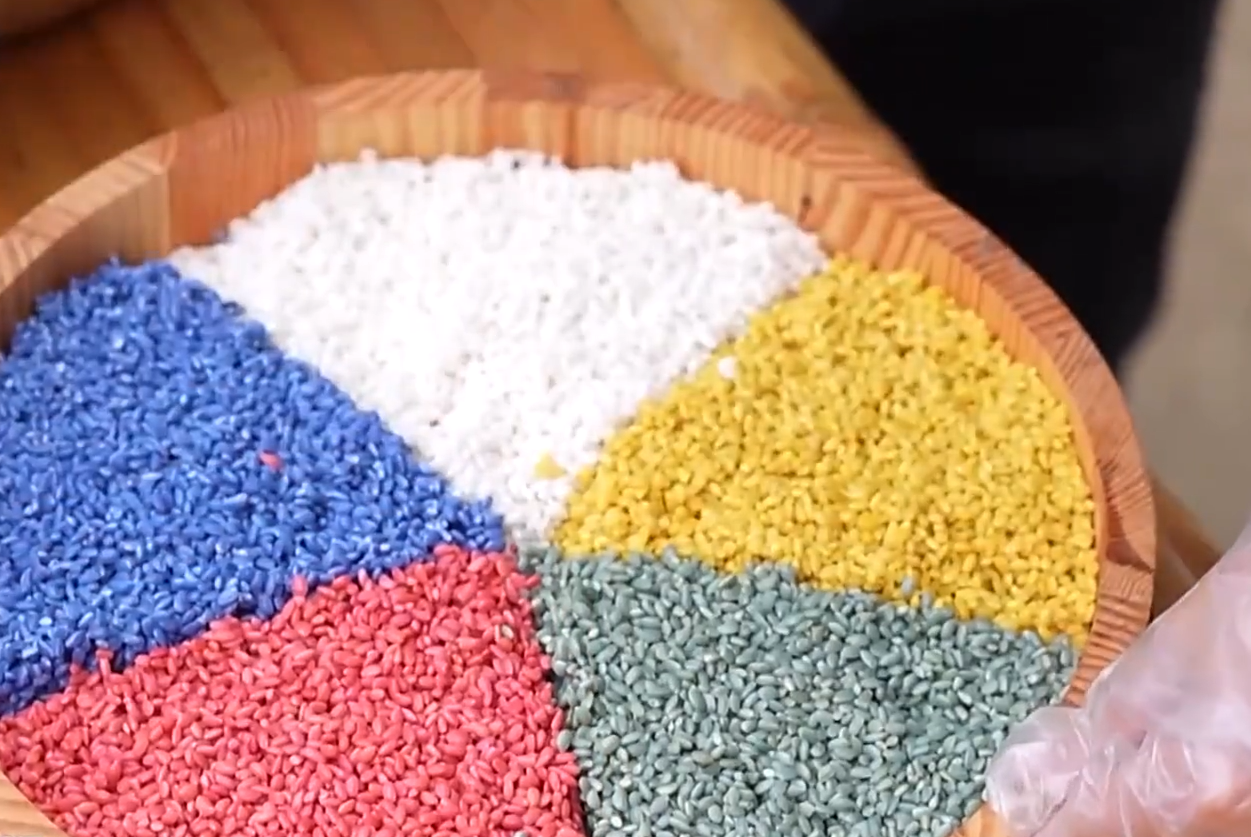
Core Viewpoint - The article discusses the cultural significance and potential health risks associated with consuming glutinous rice, particularly during festive occasions like the Spring Festival. It highlights the unique properties of glutinous rice and provides insights into its digestion and consumption. Group 1: Characteristics of Glutinous Rice - Glutinous rice is sticky due to its high content of amylopectin, a type of starch, which constitutes over 80% of its starch composition [3] - The difference in stickiness between glutinous rice and regular rice is attributed to the types of starch they contain: glutinous rice has a higher proportion of branched starch, making it softer and stickier [2][3] Group 2: Digestion and Consumption - There is a common misconception that glutinous rice is hard to digest; however, studies show that freshly cooked glutinous rice is digested quickly, while cooled rice becomes more difficult to digest due to increased stickiness [4] - The delayed feeling of fullness after consuming glutinous rice can lead to overeating, as the satiety peak occurs about 30 minutes after consumption [5] Group 3: Consumption Guidelines - It is advised to consume glutinous rice in moderation and to be mindful of its caloric content, especially when it contains additional ingredients like meat or sweet fillings [6][7] - Individuals should consider reducing their intake of other staple foods when consuming glutinous rice to avoid health issues such as obesity and high blood sugar [8] - Special attention should be given to vulnerable populations, including the elderly, children, and those with digestive issues, who should limit their intake of glutinous rice [10]
老人孩子尤其注意!春节这种美食藏隐患
Yang Shi Xin Wen· 2026-02-19 06:09
Core Viewpoint - The article discusses the cultural significance and potential health risks associated with consuming glutinous rice products, particularly during festive occasions like the Spring Festival. It highlights the unique properties of glutinous rice and provides guidance on safe consumption practices. Group 1: Characteristics of Glutinous Rice - Glutinous rice is sticky due to its high content of amylopectin, which constitutes over 80% of its starch, compared to regular rice that has a higher proportion of amylose [5] - The stickiness of glutinous rice makes it different from regular rice, which is less sticky due to a higher amylose content [3] Group 2: Consumption Guidelines - It is recommended to consume glutinous rice products while they are hot, as cooling increases their stickiness and can make them harder to digest [6] - Many glutinous rice dishes contain additional ingredients like meat and oils, which can further complicate digestion for individuals with sensitive stomachs [6][9] - Glutinous rice products can lead to delayed satiety, causing individuals to feel less full initially but experience fullness later, which may lead to overeating [8] Group 3: Nutritional Considerations - Glutinous rice has a similar nutritional profile to regular rice, primarily providing energy, so it is advised to reduce the intake of other staple foods when consuming glutinous rice to avoid excess calorie intake [11] - Special populations, such as diabetics, should consume glutinous rice in moderation and be mindful of the types of fillings used in products like dumplings [14]
新春走基层|连续九年分红!小岗村晒出“幸福账本”
Xin Hua She· 2026-02-12 14:46
Core Viewpoint - The annual dividend distribution in Xiaogang Village, Anhui Province, has increased from 350 yuan per member in 2017 to 730 yuan in 2025, reflecting the growth of the collective economy and the benefits of ongoing rural reforms [2][4]. Group 1: Economic Growth and Reforms - Xiaogang Village has experienced continuous dividend increases for nine years, with a collective economic income reaching 15.1 million yuan in 2025, a 120% increase from 2016 [4]. - The village's reforms, initiated in 1978, have evolved to include collective property rights reform and the "three transformations" approach, which converts resources into assets, funds into shares, and farmers into shareholders [4][5]. - The village has successfully revitalized idle land and assets, generating approximately 500,000 yuan from leasing low-efficiency land [5][8]. Group 2: Social Welfare and Community Benefits - Two-thirds of the collective economic net income is distributed to villagers, alongside full coverage of urban and rural residents' pension and medical insurance [9]. - The per capita disposable income in Xiaogang Village reached 37,300 yuan in 2025, an increase of over 20,000 yuan since 2016 [9]. - The village has established educational rewards to support local students, enhancing overall community welfare [9].

新春走基层丨连续九年分红!小岗村晒出“幸福账本”
Xin Hua She· 2026-02-10 13:15
Core Viewpoint - The annual dividend distribution meeting of the collective economic cooperative in Xiaogang Village, Fengyang County, Anhui Province, highlights the continuous growth of collective economic income and the benefits enjoyed by villagers, reflecting the success of rural reforms initiated in 1978 [1][3]. Group 1: Dividend Growth - The per capita dividend in Xiaogang Village increased from 350 yuan in 2017 to 730 yuan in 2025, marking nine consecutive years of dividend growth [1][3]. - In 2025, the collective economic income of Xiaogang Village reached 15.1 million yuan, a 1.2 times increase compared to 2016 [3]. Group 2: Reform and Development - The village's reforms, including the rural collective property rights system reform and the "three transformations" reform, have allowed resources to be converted into assets, funds into shares, and farmers into shareholders [3]. - The village has successfully revitalized idle land and generated approximately 500,000 yuan in profit from leasing low-efficiency land [4]. Group 3: Economic and Social Benefits - Two-thirds of the collective economic net income is distributed to villagers, alongside benefits such as full coverage of urban and rural residents' medical insurance and educational rewards for students [4]. - By 2025, the per capita disposable income of Xiaogang Village reached 37,300 yuan, an increase of over 20,000 yuan since 2016 [4].

千人年猪宴,热闹!
Xin Lang Cai Jing· 2026-01-05 23:52
Core Viewpoint - The "Thousand-Person Year Pig Feast" event in Ren Dong Village, South Taihu New District, aims to revive traditional New Year customs and celebrate local culture through food and festivities [1] Group 1: Event Highlights - The event featured a lively dragon dance performed by villagers, which captivated the audience and evoked nostalgic feelings associated with the New Year celebrations [1] - A parade showcasing traditional customs, including the year pig, was a central attraction, drawing cheers and excitement from attendees [1] - The local market was bustling with visitors purchasing unique agricultural products such as Taihu free-range chicken, antibiotic-free eggs, grass-fed pork, rice cakes, and green dumplings [1] Group 2: Visitor Engagement - The event attracted international tourists from countries including Italy, the UK, Iran, Russia, and India, who actively participated in the festivities and enjoyed the dragon dance and traditional activities [1] - Attendees engaged in tasting over ten carefully prepared auspicious dishes, fostering a communal atmosphere filled with laughter and conversation about the past year [1]
食蕴匠心,品舌尖绽放的记忆滋味
Xin Lang Cai Jing· 2025-12-23 23:14
Group 1 - The article highlights the cultural significance of traditional food in the Xiangjiadang area, emphasizing how local delicacies like cakes and dumplings evoke a sense of home for many who study or work away from their hometowns [1][2] - The Xiangjiadang area has been revitalizing cultural heritage through food, organizing traditional food exhibitions during holidays to create a platform for locals and tourists to experience regional culinary culture [2][3] - Local specialties such as soy duck, yellow wine, and rice dumplings are not only essential components of the culinary landscape but also serve as distinct markers of regional culture [2] Group 2 - The Xiangjiadang area is transforming cultural spaces into platforms for promoting local culture, utilizing modern agricultural parks and museums to attract more visitors and showcase the unique charm of the region [3]
煌上煌:冻干食品板块业务渠道以ToB端为主,已与山姆等品牌建立合作
Cai Jing Wang· 2025-11-28 09:34
Core Viewpoint - The company emphasizes its three main business segments: the sauce and marinated products segment as the core pillar, the rice products segment operated by its subsidiary, and the freeze-dried food segment acquired from Fuzhou Lixing Food, which will be launched by September 2025 [1][2]. Business Segments - The sauce and marinated products segment is identified as the company's core pillar [1]. - The rice products segment is managed by the subsidiary Zhenzhen Laolao [1]. - The freeze-dried food segment includes products like freeze-dried chocolate, tea drinks, and yogurt cubes, primarily targeting B2B channels, with partnerships established with brands such as Sam's Club, Yili, and Meiji Black Chocolate [1]. Offline and Online Integration - The company's offline store layout is primarily concentrated in Jiangxi (approximately 40% share), Guangdong, and Fujian, while it is adapting to new retail and media trends to enhance online and offline integration [2]. - A diverse online channel matrix has been established, covering delivery platforms, group buying, live streaming, and community e-commerce, as well as sales platforms like Taobao, Tmall, JD, and Pinduoduo [2]. - The company aims to drive sales through a comprehensive model combining stores, delivery, community, and Douyin, with online orders accounting for about 35% of total sales [2]. Future Promotion Strategies - Future brand promotion will focus on three main directions: collaborative promotion to break regional blind spots, innovative low-cost marketing strategies, and deepening customer engagement to enhance brand youthfulness [3]. - The company plans to leverage online platforms for content virality and explore the establishment of a membership rights system to strengthen long-term competitiveness [3].

上海烘焙,怎么就成了全国最卷市场No.1?
东京烘焙职业人· 2025-11-03 09:29
Core Insights - Shanghai is the leading city in China's baking industry, with over 8,000 baking stores, accounting for a significant portion of the 338,000 nationwide [1][4] - The city's baking culture has evolved through distinct phases, each reflecting changes in consumer preferences and market dynamics [6][8] Group 1: Historical Development of Baking in Shanghai - The baking industry in Shanghai can be divided into four key phases, each marked by unique characteristics and consumer trends [8][10] - The first phase (1990s) saw the emergence of local brands and a mix of traditional and modern baking styles, with brands like 凯司令 and local shops gaining popularity [8][10] - The second phase (late 1990s to early 2000s) marked the entry of foreign and Taiwanese brands, leading to a brand-centric market with chains like 面包新语 and 克莉丝汀 becoming household names [12][14] - The third phase (mid-2000s) introduced boutique bakeries focusing on artisanal products, emphasizing quality ingredients and craftsmanship, with brands like Sunflour and 百丘 leading the way [17][20] - The fourth phase (late 2010s to early 2020s) saw a resurgence of local flavors and innovative concepts, blending traditional Chinese elements with Western baking techniques [22][24] Group 2: Factors Contributing to Shanghai's Dominance - Shanghai's unique consumer base, characterized by a willingness to experiment and a high aesthetic standard, has fostered a vibrant baking culture [32][34] - The city's dense urban structure and strong social media presence facilitate rapid brand visibility and consumer engagement, making it a trendsetter in the baking industry [35][37] - The evolution of baking entrepreneurs, often with international experience, has led to a focus on brand storytelling and lifestyle integration, enhancing product differentiation [38][40] - The discerning nature of Shanghai consumers drives continuous innovation among baking brands, ensuring that they remain at the forefront of market trends [41][46] Group 3: Current Trends and Consumer Behavior - The current baking landscape in Shanghai is marked by a diverse range of offerings, catering to various consumer segments and preferences [27][29] - The rise of health-conscious consumers has led to an emphasis on ingredient transparency, with terms like "French flour" and "natural yeast" becoming essential in brand positioning [48][50] - A shift in aesthetic preferences has emerged, with consumers favoring simplicity and authenticity over ostentation, reflecting a broader cultural trend towards minimalism [51][53] - The concept of baking as a lifestyle and cultural expression has solidified, with products serving as social currency and identity markers among consumers [55][57]

视频丨台北街头的“乡愁地图” 每条路都指向家的方向
Yang Shi Xin Wen Ke Hu Duan· 2025-10-27 07:30
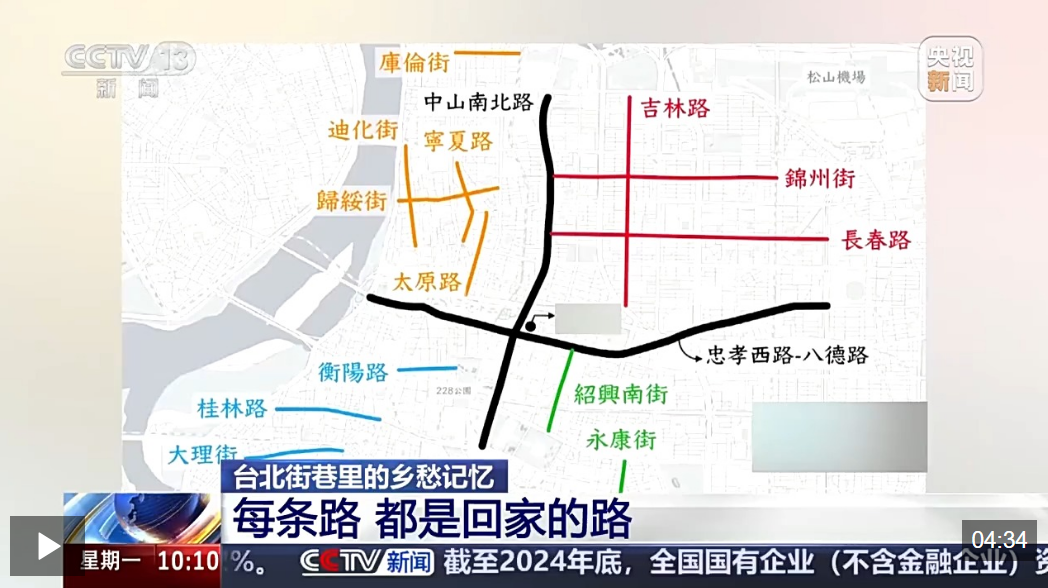
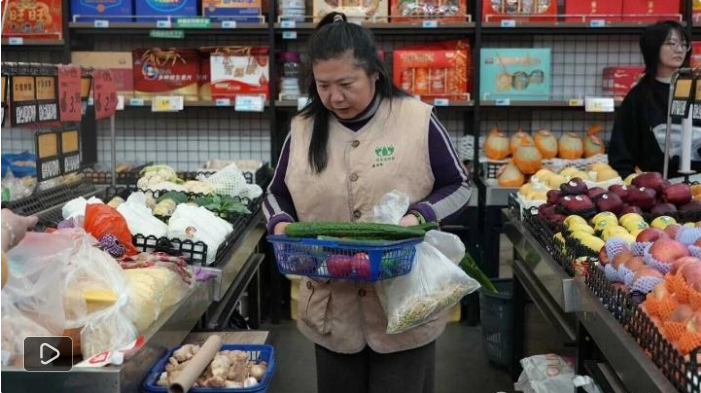
Core Viewpoint - The article explores the cultural and historical connections between Taiwan and mainland China through street names and local cuisine in Taipei, highlighting the shared memories and nostalgia among the Taiwanese people [2][6][8]. Group 1: Street Names and Historical Significance - Taipei features numerous streets named after places in mainland China, reflecting a systematic naming convention based on geographical locations [6]. - After Taiwan's return to China in 1945, many streets were named to eliminate colonial influences, with a notable architect using a map of China to guide the naming process [6][8]. - There are currently 151 streets in Taiwan named "光复" (Restoration), which carry historical significance and are integrated into daily life [4]. Group 2: Culinary Heritage and Market Culture - The South Gate Market in Taipei, with nearly 120 years of history, serves as a hub for traditional mainland Chinese snacks and goods, showcasing the culinary nostalgia of the Taiwanese people [8][9]. - The market features long-standing businesses, such as "合兴糕团店," which has been operating for almost 80 years, offering traditional foods that evoke memories of home [9][11]. - The connection to mainland China is emphasized through the experiences of business owners who maintain their culinary traditions while expressing pride in their heritage [11].