
格库铁路

Search documents
格库铁路茫崖站:戈壁深处暖归途
Xin Lang Cai Jing· 2026-02-16 12:59
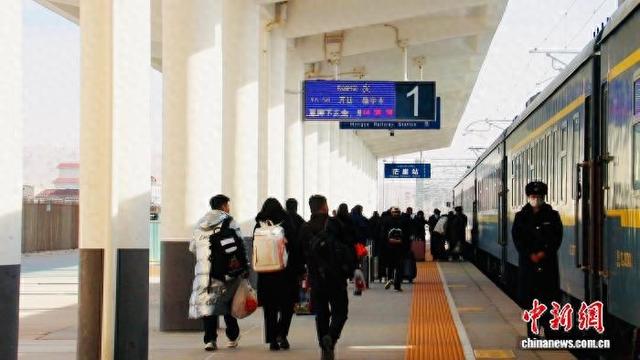
中新网青海茫崖2月16日电 题:格库铁路茫崖站:戈壁深处暖归途 作者 范宗文 李颖红 旦正公吉力 凌晨三点,零下17摄氏度的戈壁寒风呼啸,K4531次列车缓缓停靠在格库铁路茫崖站。 助理工程师贾长喜快步走上站台,引导、帮扶、答疑,六分钟的停靠时间,他的脚步从未停歇。列车驶 远,夜色中的小站灯火依旧,温暖着每一段归途。 2020年,格库铁路青海段开通后,茫崖站便成为连接青藏高原与河西走廊的关键节点之一。这座坐落于 青海最西端的四等小站,拥有6股线路,日均客流300余人。 格库铁路是中国第三条入疆铁路大动脉,小站虽小,却肩负着保障民众出行、助力资源外运的重要使 命。 深夜天窗期间,线路检修工作准时启动。"格方无车、库方无车,上道作业!"工长陈喜平带领工友顶着 严寒开展巡检、调轨、养护。1435毫米的标准轨距,是他们刻在心中的准则。 "道岔差一点都不行,安全容不得半分马虎。""我们就是列车安全的守门人,必须眼到、手到、心 到。""只要列车能平安驶过,再辛苦都值得。"一句句朴实的话语,是小站铁路人坚守的最好见证。 寒来暑往,茫崖站的铁路人以站为家、默默坚守,用责任与温情守护格库铁路平安畅通,让这座戈壁小 站,成为春运 ...

【新春走基层】格库铁路清灰人 我在高原保畅通
Yang Shi Wang· 2026-02-16 12:05
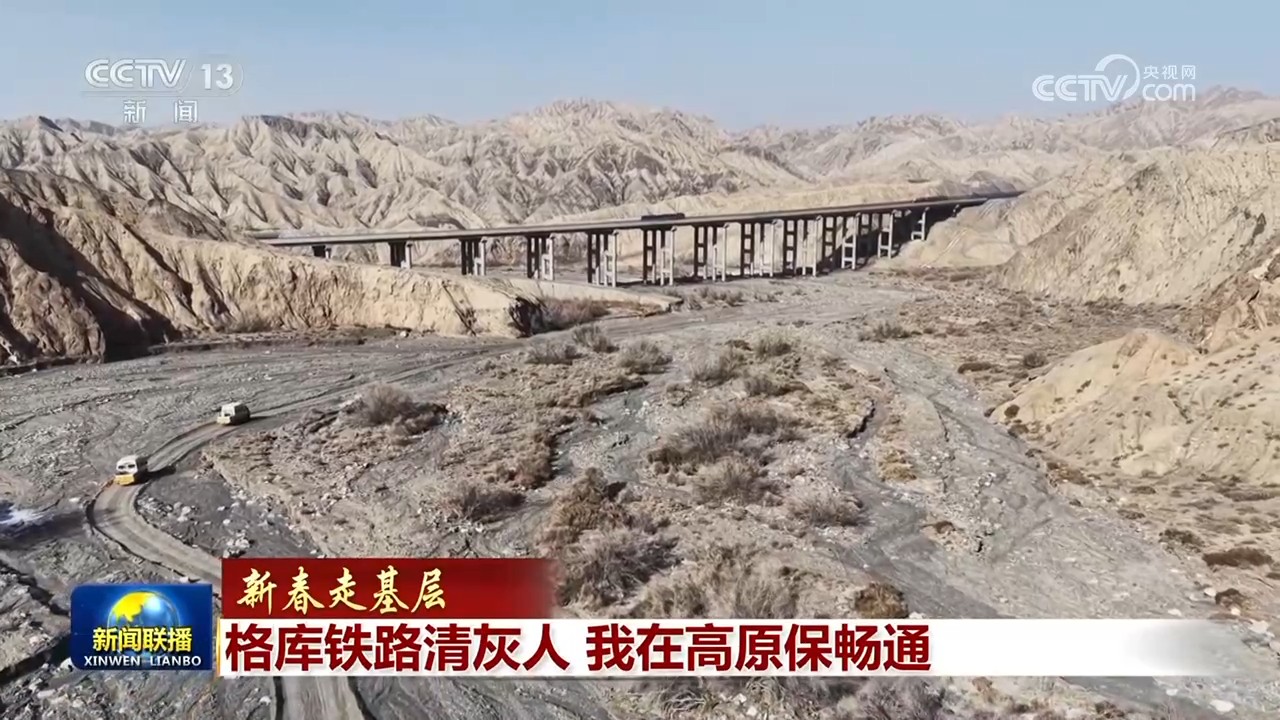
央视网消息(新闻联播):全长1206公里的格库铁路横跨塔里木河,穿越塔克拉玛干沙漠和阿尔金山无人区,一路向东驶往格尔木。铁路最高海拔差达 到2510米,相当于800层楼的高度。在那里常年有一批铁路人,定期清理隧道内、轨道上的煤灰、土渣,保铁路畅通。2月16日的《新春走基层》,总台记者 跟随铁路工人一起进入阿尔金山,去体验高原上的清灰作业。 格库铁路是我国西煤东运的重要通道。乔济源和同事们负责格库铁路在阿尔金山无人区174公里线路的抢修维护工作,包括107座桥梁、338个涵洞和13 座隧道。这天的任务是清理阿尔金山隧道内的灰渣,作业必须要赶在没有列车通行的"窗口期",这次窗口期只有两个半小时。 参加这次清灰作业的有26人,最年轻的只有22岁。阿尔金山特长隧道全长13.195公里,是格库铁路海拔最高、长度最长的一个隧道。厚厚的灰渣堆积在 铁轨旁,只能靠人力用铁锨一锨锨清理。 田洋凯和施弘历是2025年刚参加工作的,这次也是第一次进隧道清灰。两人一边干,一边给自己计数。 在空气稀薄的隧道里,27岁的韩文杰出现了高原反应。 工人们告诉记者,格库铁路运出的煤炭大多转化为中西部的电能,点亮千家万户,而清出的每一锹灰渣,都 ...
新春走基层丨穿行茫茫戈壁 他们为“天梯”清理尘埃
Yang Shi Xin Wen Ke Hu Duan· 2026-02-15 07:00
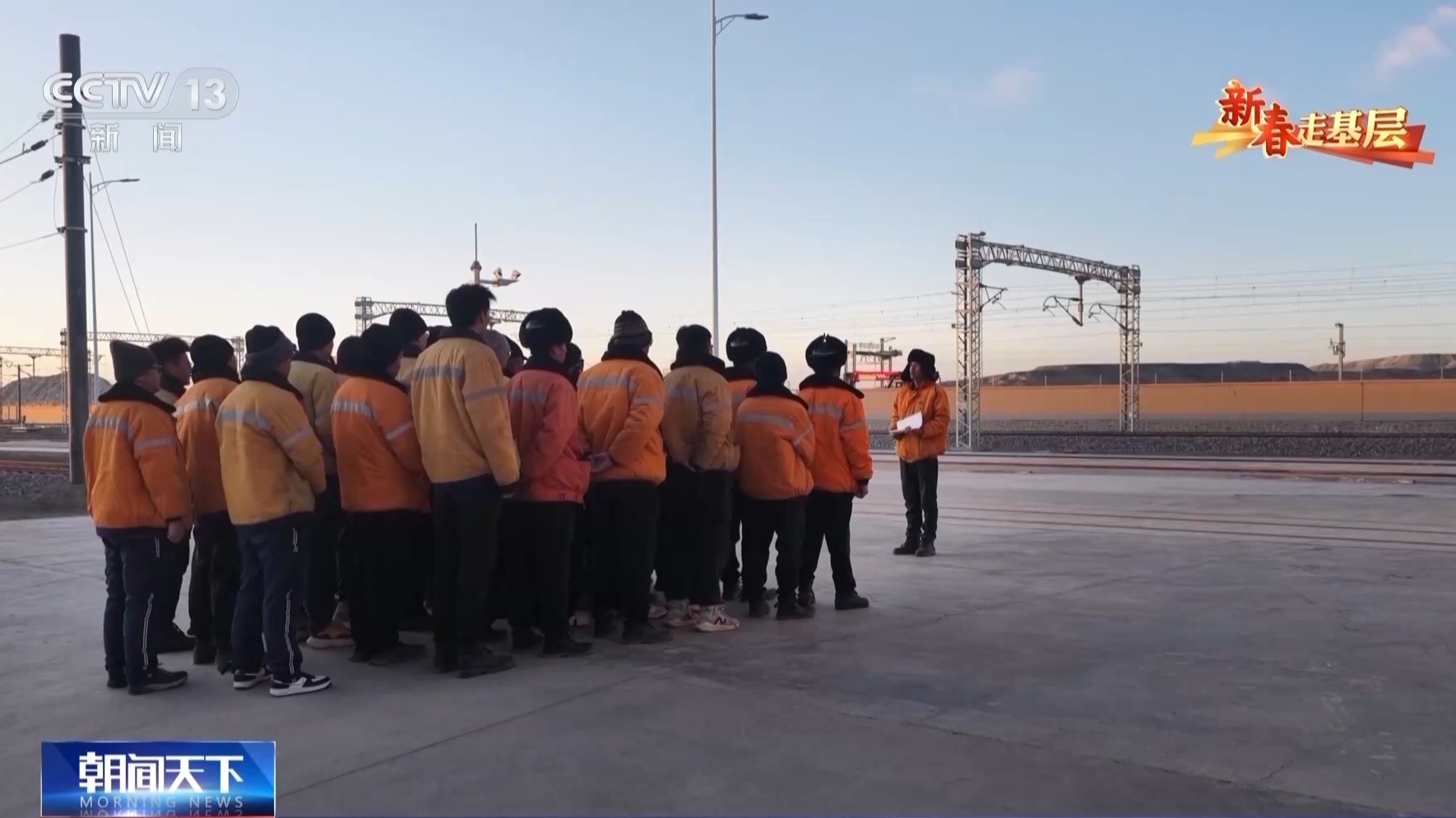
新春走基层,记者来到格库铁路在新疆境内的最后一个有人值守站区——依吞布拉克,跟随维修车间的铁路工人一起进入阿尔金山,体验高原上的清灰作 业,也感受着这里不一样的新年。 格库铁路清灰人 我为"天梯"拭尘埃 依吞布拉克位于新疆与青海省交界的阿尔金山南部,是格库铁路全线海拔最高的站区。2月6日是天窗作业时间,一大早,车间食堂的师傅们就开始准备大家 外出要带的午饭,每人都有一份额外的煎蛋。 乔济源是格库铁路依吞布拉克车间的主任。今年41岁的他,是这些年轻职工的老大哥。这次的任务是带着大家清理阿尔金山隧道的灰渣。 清灰是一项很辛苦的工作,从工具到防护,每个细节都大意不得。 乔济源所在的依吞布拉克车间和附近的巴什考贡车间负责格库铁路在阿尔金山无人区174公里线路的抢修维护工作,包括107座桥梁、338个涵洞和13座隧 道。每次清灰,两个车间的工人都会一起完成。这次参加清灰作业的共有26个人,其中"00 后"占到50%,最年轻的只有22岁。 乘坐工作车,一路穿行在茫茫戈壁、群山之中,两个小时之后,才到达阿尔金山特长隧道。阿尔金山隧道群由15座隧道组成,大多数隧道口都位于山腰处, 大家需要带上所有的工具,徒步上山。 无论是清 ...
新疆综合立体交通网日益完善
Xin Lang Cai Jing· 2025-12-19 18:23
Core Insights - Xinjiang's transportation infrastructure has significantly improved since the 14th Five-Year Plan, with a comprehensive and efficient transportation network being developed to enhance connectivity within and outside the region [1][2] - Major projects such as the G7 Beijing-Xinjiang Expressway and Urumqi Tianshan International Airport have been completed, contributing to a historical achievement in transportation since the 18th National Congress of the Communist Party [1] - By the end of 2025, Xinjiang's total road mileage is expected to reach 237,000 kilometers, with over 8,000 kilometers of expressways and 13,000 kilometers of first-class highways [1] Infrastructure Development - Xinjiang's railway network has reached 9,557 kilometers, connecting all prefecture-level cities and covering over 80% of county-level administrative regions [1] - The region has 28 operational airports, the highest in the country, with a total of 665 flight routes [1] - A postal and express service network has been established with 17,265 service points, achieving full coverage of urban and rural areas [1] Service Enhancement - The "Xinjiang Transportation Yakeshi" service brand has been developed to improve service quality, integrating fast and slow transportation networks [1] - The transportation structure is being adjusted to enhance multi-modal transport and improve service quality continuously [1] International Connectivity - Xinjiang is enhancing its connectivity for western openness, with stable operations of the China-Europe Railway Express and an expanding international road transport network [2] - The "Air Silk Road" is becoming denser, and cross-border postal services are achieving full coverage through rail, land, and air [2] - The transportation department aims to build a modern comprehensive transportation system to support domestic and international dual circulation [2]
新疆交通巨变谱写向西开放新篇章
Zhong Guo Xin Wen Wang· 2025-09-24 09:00
Core Viewpoint - The approval of the environmental impact assessment report for the G3033 Kuitun to Dushanzi to Kuqa expressway project marks the initiation of another major infrastructure project in Xinjiang, enhancing connectivity across the Tianshan Mountains [1][2]. Infrastructure Development - Xinjiang's road network has expanded significantly since the founding of New China, with total road mileage surpassing 230,000 kilometers by the end of 2024, representing a nearly 70-fold increase from the initial 3,361 kilometers [5][6]. - The modern transportation infrastructure in Xinjiang has transformed the region, with all prefectures and cities now fully integrated into the expressway era, creating a comprehensive network across 1.66 million square kilometers [6]. - Technological advancements in road construction have addressed various challenges, such as sandstorm resistance and frost heave design, exemplified by the use of grass grid technology on desert roads and the "smart sentinel" system on the G217 Duku Highway [6]. Rail and Air Connectivity - Xinjiang's railway network has reached over 9,557 kilometers, covering more than 80% of county-level administrative regions, with key projects like the Lanzhou-Xinjiang high-speed railway enhancing national connectivity [8]. - The region's rail freight volume reached 237 million tons in 2024, a year-on-year increase of 10.6%, with significant growth in the number of China-Europe (Central Asia) freight trains [9]. - Xinjiang boasts 28 civil airports, ranking high among provinces in China, facilitating rapid air transport and logistics [6]. Economic Transformation - The transportation revolution is reshaping Xinjiang's economic geography, creating a "5-hour economic circle" that connects previously isolated regions and promotes industrial collaboration [9]. - The planned investment in transportation infrastructure for 2025 is set at 80 billion yuan, reflecting a 13.5% increase year-on-year, indicating ongoing commitment to enhancing connectivity [10]. - As a core area of the Silk Road Economic Belt, Xinjiang is developing an open economic structure that integrates land and sea, with projects like the China-Kyrgyzstan-Uzbekistan railway and the China-Pakistan Economic Corridor progressing [10].