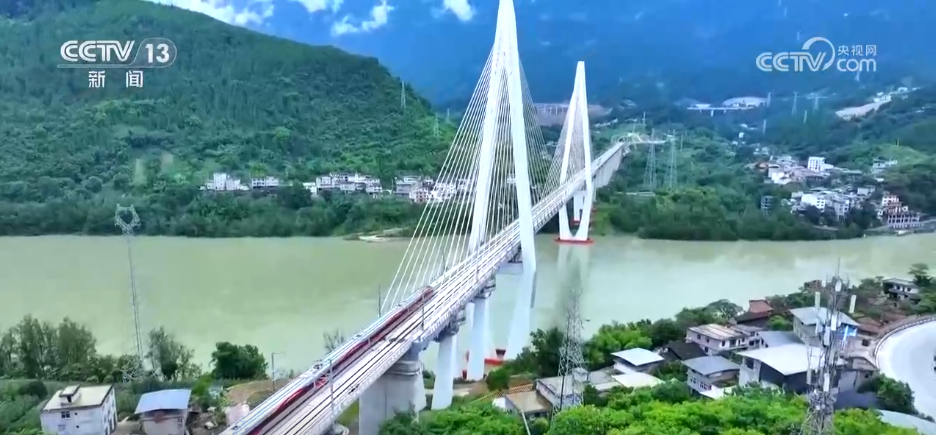
综合立体交通网

Search documents
【省交通运输厅】立体交通网激活发展动能
Shan Xi Ri Bao· 2026-02-05 00:46
Group 1 - The first cross-Caspian China-Europe freight train departed from Xi'an on January 1, 2026, reducing transit time from 15-23 days in 2019 to approximately 11 days [1] - In 2025, Shaanxi's comprehensive transportation investment reached 84.5 billion yuan, achieving 120.7% of the annual plan, with the annual operation of China-Europe freight trains exceeding 6,000 for the first time [1] - The opening of the high-speed rail from Yan'an to Beijing on January 26, 2026, marks a significant improvement in transportation for the revolutionary area of northern Shaanxi [1][2] Group 2 - The transportation network is reshaping the spatial structure of Shaanxi, enhancing economic activity and reducing the loss rate of apple transportation from 15% to below 2% [2] - The return freight train volume reached 3,451 in 2025, accounting for 57.2% of the total annual operation, indicating a significant improvement in the international corridor [2] - The high-speed rail construction in Shaanxi will continue with five lines progressing simultaneously, aiming to exceed 1,600 kilometers of operational high-speed rail by 2026 [3] Group 3 - The highway network is set to expand towards a target of 7,000 kilometers, with new highways and airport constructions planned for completion in 2026 [3] - The provincial transportation department emphasizes the commitment to high-quality development and the importance of a comprehensive transportation network for Shaanxi's growth [3]
广州市市长:力争地铁运营里程突破800公里
Zhong Guo Xin Wen Wang· 2026-01-28 06:26
Group 1 - Guangzhou aims to expand its metro operation mileage to over 800 kilometers by advancing multiple ongoing projects, including 4 national railways, 7 intercity railways, and 8 metro lines [1] - The city plans to enhance its comprehensive transportation network by accelerating the construction of 11 highway projects, including the Shiziyang Tunnel [1] - Guangzhou is focused on developing a "multi-dimensional transportation network" that integrates air, rail, and maritime transport, enhancing its global resource aggregation and radiation capabilities [2] Group 2 - In the air economy sector, Guangzhou is actively seeking policy support for the expansion of Baiyun Airport's peak hour capacity and air rights allocation [2] - The city is fostering the development of key platforms like the Greater Bay Area (Nansha) port industrial cluster and is initiating major projects such as the Nansha Port International General Terminal and the 200,000-ton channel project [2] - Guangzhou aims to strengthen logistics hub functions at Baiyun Airport, Nansha Port, and Guangzhou International Port, creating an integrated platform for trade data and logistics [2] Group 3 - The city plans to implement a comprehensive development plan for Nansha, focusing on creating a modern city that is livable, workable, and touristic [3] - Guangzhou is enhancing cooperation with Hainan Free Trade Port and implementing a high-level strategy for the Free Trade Zone, aiming to support Chinese enterprises in international expansion [3] - The city is also working on improving investment and trade facilitation systems, expanding policies related to medical, financial, and professional services, and ensuring effective support for the upcoming 139th and 140th Canton Fairs [3]

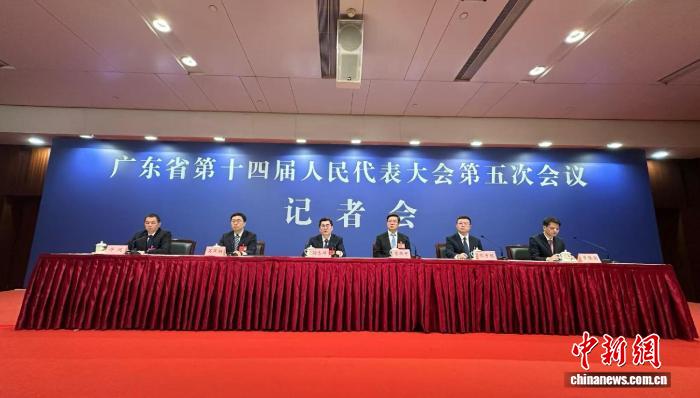
新疆综合立体交通网日益完善
Xin Lang Cai Jing· 2025-12-19 18:23
Core Insights - Xinjiang's transportation infrastructure has significantly improved since the 14th Five-Year Plan, with a comprehensive and efficient transportation network being developed to enhance connectivity within and outside the region [1][2] - Major projects such as the G7 Beijing-Xinjiang Expressway and Urumqi Tianshan International Airport have been completed, contributing to a historical achievement in transportation since the 18th National Congress of the Communist Party [1] - By the end of 2025, Xinjiang's total road mileage is expected to reach 237,000 kilometers, with over 8,000 kilometers of expressways and 13,000 kilometers of first-class highways [1] Infrastructure Development - Xinjiang's railway network has reached 9,557 kilometers, connecting all prefecture-level cities and covering over 80% of county-level administrative regions [1] - The region has 28 operational airports, the highest in the country, with a total of 665 flight routes [1] - A postal and express service network has been established with 17,265 service points, achieving full coverage of urban and rural areas [1] Service Enhancement - The "Xinjiang Transportation Yakeshi" service brand has been developed to improve service quality, integrating fast and slow transportation networks [1] - The transportation structure is being adjusted to enhance multi-modal transport and improve service quality continuously [1] International Connectivity - Xinjiang is enhancing its connectivity for western openness, with stable operations of the China-Europe Railway Express and an expanding international road transport network [2] - The "Air Silk Road" is becoming denser, and cross-border postal services are achieving full coverage through rail, land, and air [2] - The transportation department aims to build a modern comprehensive transportation system to support domestic and international dual circulation [2]
1至10月青海公路交通固定资产投资同比增长39.6%
Zhong Guo Xin Wen Wang· 2025-12-02 12:28
Group 1 - The core viewpoint of the article highlights that from January to October, Qinghai Province's fixed asset investment in road transportation reached 14.58 billion yuan, marking a year-on-year increase of 39.6% [1][2] - The province's public transport turnover reached 4.2 billion person-kilometers, while freight volume was 1.7 million tons, with a total cargo turnover of 19.78 billion ton-kilometers [1][2] - Qinghai is accelerating the construction of inter-provincial transportation corridors and enhancing the internal transportation network to establish a comprehensive and multi-dimensional transportation framework [1][2] Group 2 - By the end of the year, Qinghai is expected to meet all targets set in the 14th Five-Year Plan, including achieving 5,000 kilometers of operational expressways and a total road network of 90,000 kilometers ahead of schedule [3] - In the past two years, Qinghai has reconstructed and built 8,628 kilometers of rural roads, improved access to 197 natural villages, and completed upgrades in 16 townships [3] - The province has implemented differentiated tolls on 8 expressway sections, benefiting 3.9 million vehicles and reducing toll fees by 140 million yuan [3] Group 3 - Currently, 99% of public buses and 83% of taxis in the province are powered by new energy and clean energy, reflecting ongoing efforts to promote energy conservation and carbon reduction [3] - Qinghai is advancing the "zero-carbon" service area construction and promoting green travel initiatives [3]
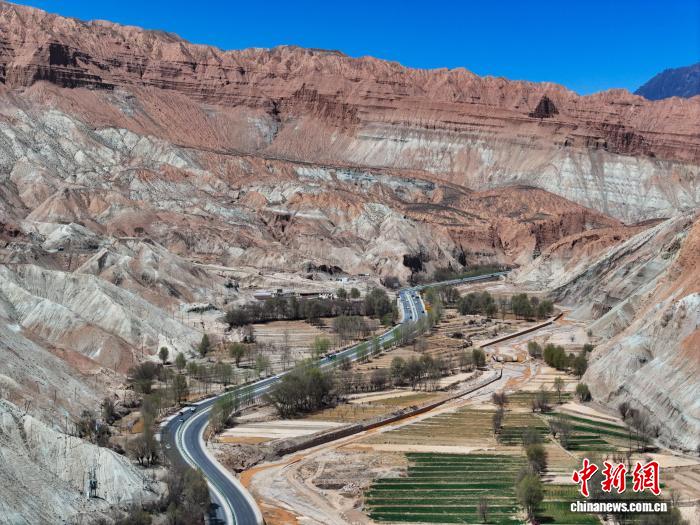
从“昔日马帮铃响”到“今日坦途如歌”——云南交通巨变纪事
Xin Hua She· 2025-12-01 00:38
Core Viewpoint - Yunnan has made significant progress in infrastructure development over the past decade, enhancing its transportation network to support economic growth and better serve national strategies [3][5][19]. Transportation Infrastructure Development - Since 2015, Yunnan has focused on building a modern comprehensive transportation system, including highways, railways, and air routes, creating a network that connects the region to the world [3][11]. - As of now, Yunnan's total road mileage has reached 340,000 kilometers, with over 10,000 kilometers of expressways [7][11]. - The railway network has also expanded, with a total operational mileage exceeding 5,200 kilometers, including over 1,200 kilometers of high-speed rail [7][11]. - Yunnan has 15 operational airports, with 186 domestic and international air routes, including 31 connecting to South and Southeast Asia [9][11]. Economic Impact - Improved transportation has facilitated the movement of agricultural products, allowing farmers to sell goods nationwide, thus enhancing local economies [12][15]. - The establishment of rural roads and logistics systems has significantly reduced transportation costs, saving approximately 72 million yuan in 2024 [15][16]. - The completion of the Lijiang to Shangri-La railway has integrated previously isolated regions into the national market, boosting local industries [15][16]. International Connectivity - Yunnan's infrastructure improvements have established it as a key player in international trade, with the completion of highways connecting to neighboring countries [20][22]. - The China-Laos Railway has facilitated cross-border trade, with over 7 million tons of goods transported since its opening, enhancing economic cooperation with Southeast Asia [22][24]. - The province has hosted significant investment events, with a total investment of 13.6 billion yuan in projects signed during the South Asia Expo, reflecting growing international interest [24].

辽宁台黑高速公路全线通车,实现高质量“县县通高速”
Ren Min Wang· 2025-11-03 07:07
Core Points - The Taihei Expressway has officially opened, achieving Liaoning's goal of high-quality "county-to-county" expressway connectivity [1] - The project enhances transportation links between the northwestern Liaoning region and the Liaoning coastal economic belt, contributing to the construction of a comprehensive transportation network [1] Project Overview - The Taihei Expressway spans 33.9 kilometers, built to a dual four-lane highway standard with a design speed of 120 km/h and a roadbed width of 27 meters [1] - The project includes one hub interchange, two general interchanges, three toll stations, and one maintenance work area [1] Construction Timeline - The project took only 22 months from commencement to completion, showcasing a new speed in expressway construction in Liaoning [2] - Key construction techniques included the use of impact compaction and hydraulic tamping to ensure safety and quality, allowing for the project to be completed a year ahead of schedule [2] Broader Impact - In the past month, four expressways in Liaoning have been completed a year ahead of schedule, totaling over 600 kilometers [2] - Since the start of the 14th Five-Year Plan, Liaoning has implemented 14 expressway projects, covering a total of 1,385 kilometers, with significant growth in transportation infrastructure investment [2] - The provincial transportation authority plans to continue focusing on major projects to support high-quality development and improve public transportation [2]
【省交通运输厅】铺就三秦幸福路 奋楫笃行新征程
Shan Xi Ri Bao· 2025-10-20 22:43
Core Viewpoint - The transportation system in Shaanxi is undergoing significant development, focusing on high-quality growth and the establishment of a modern comprehensive transportation network that enhances economic and social development in the province [1][2][3]. Investment and Infrastructure Development - Shaanxi's transportation investment reached 591 billion yuan in the first nine months of the year, laying a solid foundation for the annual target of 700 billion yuan [2]. - Five major high-speed rail lines are advancing simultaneously, with a total investment of 1,174.5 billion yuan completed by the end of September [2]. Comprehensive Transportation Network - The total length of highways in Shaanxi has surpassed 6,750 kilometers, with ongoing projects expected to further enhance connectivity [3]. - The expansion of Xi'an Xianyang International Airport and the construction of new airports are solidifying Shaanxi's position as a national aviation hub [3]. International Trade and Logistics - The Xi'an International Port Station has become the first in the country to exceed 30,000 trips for the China-Europe Railway Express, significantly contributing to international freight transport [5][6]. - Shaanxi's exports to Central Asian countries increased by 48.1% in 2024, reflecting the positive impact of improved transportation links [6]. Urban and Rural Integration - The construction of over 600 kilometers of upgraded national and provincial highways and the development of rural roads have improved connectivity and supported rural revitalization [8][9]. - The integration of postal services and logistics in rural areas has enhanced the delivery of goods, benefiting local communities [9]. Smart and Green Transportation - Shaanxi is advancing smart transportation initiatives, including the development of a comprehensive traffic management system and the promotion of low-carbon transport solutions [10][12]. - The province aims to achieve full coverage of charging facilities in highway service areas, supporting the transition to green transportation [12]. Safety and Regulatory Framework - The transportation system is focusing on safety improvements through enhanced monitoring and response mechanisms, ensuring the safety of public travel [13].
山东航空枢纽从“单极”走向“双子星”
Qi Lu Wan Bao· 2025-09-18 09:50
Group 1 - The concept of "zero transfer" in integrated transportation centers reflects the modernization and internationalization of cities, with many airports across the country adopting this model [1] - Several airports, including Changsha Huanghua, Zhengzhou Xinzheng, Chengdu Tianfu, Nanning Wuxu, Nanchang Changbei, and Lanzhou Zhongchuan, are either under construction or have completed integrated transportation centers, while Shandong stands out with two such centers [1] - Qingdao Jiaodong Airport is developing an integrated transportation center, enhancing the connectivity between Qingdao and Jinan airports, which is crucial for the development of the Jinan metropolitan area and the coordination of the Jinan-Qingdao metropolitan area [1] Group 2 - The Shandong Provincial Committee emphasized the importance of supporting the collaborative development of international air cargo hubs at Jinan and Qingdao airports [2] - The expansion of Jinan Airport is a key project for establishing it as a modern integrated transportation hub, combining air, rail, and land transport [2] - Jinan is set to become a strategic point in the northern region, connecting air corridors and rail networks, following the examples of Beijing-Tianjin-Hebei, the Yangtze River Delta, and the Central Plains [2]
江西综合交通网络里程超22万公里
Zhong Guo Xin Wen Wang· 2025-08-29 08:29
Core Points - Jiangxi Province has built a comprehensive transportation network with a total length of 220,600 kilometers, ranking sixth in the country in terms of network density [1][3] - The province is focusing on constructing a multi-dimensional transportation network that includes high-speed railways, highways, conventional railways, ordinary roads, water transport, and aviation, leveraging its geographical advantages [3][4] - Significant projects include the Chang-Jiu and Gan-Shen high-speed railways, upgrades to major highways, and improvements to river navigation channels, with plans for 800 kilometers of eight-lane highways and 32 provincial highway access points [3][4] Investment and Development - During the first four years of the 14th Five-Year Plan, Jiangxi's fixed asset investment in comprehensive transportation reached 450 billion yuan, representing a 36.6% increase compared to the same period in the 13th Five-Year Plan [4]
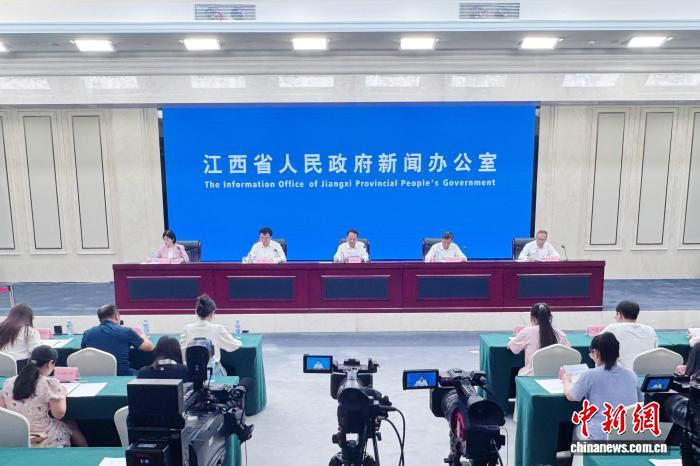
“人享其行、货畅其流”的背后是中国交通的“硬核”实力
Yang Shi Wang· 2025-08-01 06:01
Group 1 - The article highlights the significant increase in inter-regional mobility in China during the first half of the year, driven by an improved comprehensive transportation network [1] - The newly opened Chongqing-Xiamen high-speed railway segment from Chongqing East to Qianjiang has enhanced travel options and connected rich tourism resources in the region [4][6] - The high-speed railway has not only attracted tourists but also stimulated local economic development, with Qianjiang District seeing a tripling of investment projects compared to the previous year [10] Group 2 - The upgrade of rural roads has facilitated self-driving travel, accounting for over 80% of inter-regional mobility, and has activated rural tourism resources [11] - In Changchun's Shuangyang District, the improvement of a 20-kilometer rural road has connected various tourist attractions, leading to increased visitor numbers [13] - The development of rural roads has also enhanced e-commerce accessibility for villagers, with a reported 15% increase in mail volume in the first half of the year [15] Group 3 - The expansion of air routes, including the opening of branch lines, has made travel to less accessible small cities more efficient [18] - Guizhou's innovative air route combination model has improved travel efficiency, allowing tourists to visit multiple attractions seamlessly [20] - Dedicated shuttle buses from airports to tourist sites have been introduced to address the challenges of dispersed attractions and lengthy ground transfer times [23]