棉T恤

Search documents
一个鼓励「不买」的品牌,如何年入15亿美元?|New Look专访
36氪· 2025-12-19 13:19
Core Viewpoint - Patagonia is a unique company that integrates environmental values into its core business model, challenging the traditional profit-maximization approach while maintaining a commitment to sustainability and social responsibility [6][8]. Group 1: Company Overview - Patagonia generates approximately $1.5 billion in annual revenue and has a valuation exceeding $3 billion, with no current plans for an IPO or sale [8]. - The company donates 1% of its revenue to environmental causes and has committed to reinvesting profits into sustainability initiatives through the Holdfast Collective [8][9]. - Patagonia's founder, Yvon Chouinard, made a historic decision to donate 98% of the company's shares to a non-profit organization, ensuring the company's mission remains focused on environmental protection [8]. Group 2: Environmental Challenges - Patagonia faces a fundamental contradiction: to protect the environment, it must continue to operate as a business, which inherently produces pollution [9][10]. - The company acknowledges that growth and a reduction in carbon footprint cannot coexist without significant changes in production practices [9][10]. - Patagonia's product footprint vice president, Matt Dwyer, emphasizes the need for practical solutions rather than idealistic approaches to sustainability [9][10]. Group 3: Product Development and Sustainability - Patagonia conducts lifecycle assessments for its products, identifying that materials account for 85%-90% of its environmental impact [13][27]. - The company has implemented a rigorous evaluation process for new products, including a design quality scorecard and lifecycle assessments, to ensure environmental standards are met [27][28]. - Patagonia is focused on using natural and recycled materials, such as recycled fishing nets and organic cotton, to improve sustainability while also enhancing the livelihoods of farmers [32][34]. Group 4: Market Position and Strategy - Patagonia operates with a global product line driven from its California headquarters, without developing specific products for individual markets [52][53]. - The company prioritizes product quality and customer experience, believing that a strong product foundation is essential for any sustainability efforts [57]. - Patagonia's Worn Wear program, which focuses on repair and resale, is seen as a way to promote a culture of sustainability, despite its logistical challenges [49][50].

一个鼓励「不买」的品牌,如何年入15亿美元?|New Look 专访
36氪未来消费· 2025-12-19 02:05
Core Viewpoint - The article discusses the possibility of a modern enterprise driven by mission rather than profit, using Patagonia as a case study of a company that integrates environmental values into its core operations while navigating the challenges of profitability and sustainability [5][6]. Group 1: Patagonia's Business Model - Patagonia has a unique business model that challenges the traditional profit-maximization premise by embedding its values into the company's structure, donating 1% of revenue to environmental causes and even transferring 98% of its ownership to a nonprofit organization [5][6]. - The company generates approximately $1.5 billion in annual revenue and has a valuation exceeding $3 billion, while maintaining a commitment to environmental responsibility [6]. - Patagonia's leadership emphasizes that the company does not plan to become a multinational corporation to avoid dilution of decision-making power [6][40]. Group 2: Environmental Challenges - Patagonia faces inherent contradictions in its mission: to protect the planet while continuing to produce goods that inevitably contribute to pollution [6][7]. - The company acknowledges that growth in business operations leads to increased carbon footprints, and it is actively seeking ways to balance business growth with environmental stewardship [19][36]. - Patagonia's product footprint vice president, Matt Dwyer, highlights the difficulty of achieving sustainability goals while maintaining product demand, stating that the best environmental protection may involve reducing consumption [7][36]. Group 3: Product Development and Sustainability - Patagonia conducts lifecycle assessments for its products, evaluating greenhouse gas emissions, water usage, and waste, and is willing to cancel products that do not meet environmental standards [23][24]. - The company focuses on using recycled materials and improving supply chain practices to reduce environmental impact, with significant efforts directed towards sourcing materials like recycled fishing nets and organic cotton [28][30]. - Dwyer emphasizes that the company must consider the entire lifecycle of products, including the manufacturing process, to effectively reduce pollution [25][30]. Group 4: Market Position and Future Outlook - Patagonia's strategy includes a focus on product quality and customer experience, with a commitment to continuous improvement in sustainability practices [55][56]. - The company is cautious about expanding into new markets or product lines, preferring to concentrate on existing sports and outdoor activities to maintain product leadership [52][53]. - Patagonia's approach to environmental responsibility is seen as a complex balance of business needs and ethical considerations, with ongoing discussions about the impact of product offerings on the environment [45][46].

ESG不是选修,是必修:从一件T恤到全球气候的连锁反应
Xin Jing Bao· 2025-04-22 09:01
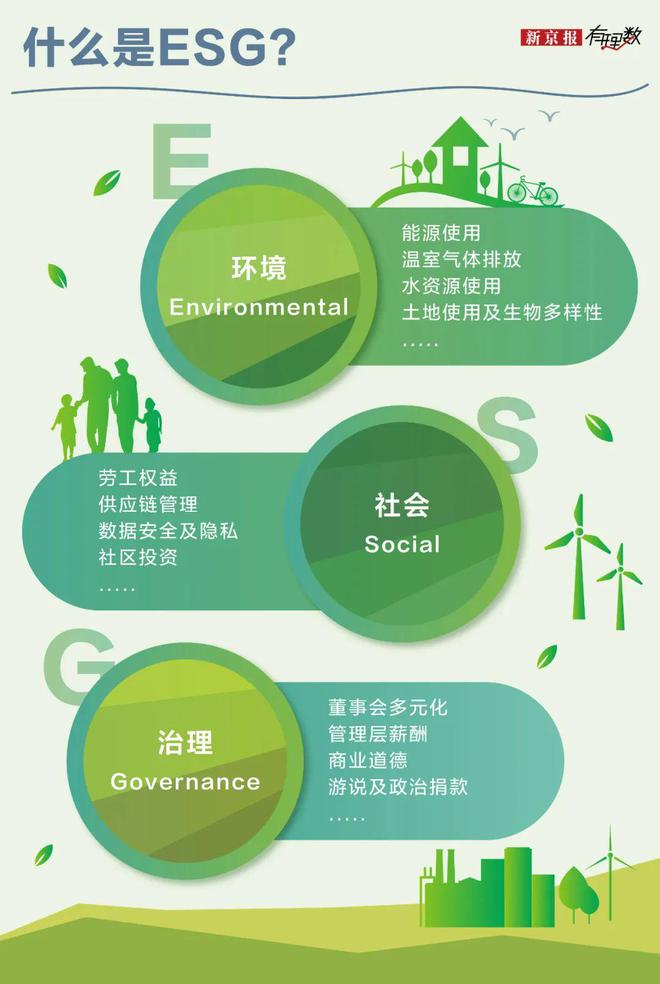
Group 1 - The core point of the article emphasizes the significant environmental impact of everyday clothing items, highlighting the water consumption associated with their production, which reflects the broader resource accountability of companies [1] - The China Securities Regulatory Commission has introduced a new regulation requiring listed companies to disclose sustainability reports, marking a shift from voluntary to mandatory ESG (Environmental, Social, and Governance) reporting, effective from July 1, 2025 [1] - Companies in various sectors, especially publicly listed ones, are now required to clarify their environmental and resource management practices, as regulatory bodies are taking action to ensure accountability [1] Group 2 - ESG stands for Environmental, Social, and Governance, serving as a crucial standard for assessing an organization's sustainability capabilities, indicating that companies must balance profit with responsibility towards stakeholders [5] - The current state of ESG reporting in China's A-share market has transitioned from voluntary to mandatory, with a notable increase in the number of companies disclosing ESG reports, reaching 700 reports for the 2024 fiscal year as of April 9, 2025 [8] - The financial sector has shown a 100% ESG reporting rate, with some banks even publishing semi-annual reports, indicating a trend towards greater transparency and accountability in this industry [11] Group 3 - Despite the increasing number of companies integrating ESG into their operations, there remains significant room for improvement in overall reporting quality and transparency, with nearly 70% of A-share companies still needing enhancement [13] - A total of 1,119 A-share companies disclosed carbon emission data for 2023, with a disclosure rate of 20.97%, revealing substantial industry disparities in carbon intensity [15] - The necessity for mandatory disclosure is underscored by the urgent need for collective action from governments, businesses, and individuals to achieve sustainability goals, as outlined in the United Nations' 17 Sustainable Development Goals [22][25]