植物牛肉糜

Search documents
欧美强推的「人造肉」,彻底败退中国
36氪· 2025-12-23 00:16
Core Viewpoint - The article discusses the rise and fall of Beyond Meat in the Chinese market, highlighting the challenges faced by plant-based meat companies in adapting to local consumer preferences and the failure of their marketing strategies [10][15][70]. Group 1: Beyond Meat's Market Performance - Beyond Meat, once a star in the plant-based meat industry, has seen its market value plummet from $20 billion to under $2 billion, losing over $10 billion in market capitalization [13][34]. - The company has closed its flagship store on Chinese e-commerce platforms and halted production at its factory in Jiaxing, Zhejiang [10][34]. - Revenue has declined from $4.19 billion in 2022 to $3.26 billion in 2024, with cumulative losses reaching $8.64 billion during the same period [34]. Group 2: Marketing Strategies and Consumer Response - Beyond Meat attempted to penetrate the Chinese market through partnerships with major brands like McDonald's and Starbucks, but these efforts did not yield the expected results [28][30]. - The company employed aggressive marketing tactics, including celebrity endorsements and campaigns promoting the health benefits of plant-based diets, but these strategies failed to resonate with Chinese consumers [31][32][70]. - A significant 74% of Chinese consumers indicated they would not repurchase plant-based meat products, primarily due to high prices and unsatisfactory taste [45][46]. Group 3: Challenges of Plant-Based Meat - The article identifies two major issues with plant-based meat: high prices and poor taste, which have hindered its acceptance in the Chinese market [39][48]. - Plant-based meat products are often priced significantly higher than traditional meat, with some products costing up to 82% more than their animal-based counterparts [41][39]. - The taste and texture of plant-based meat have been criticized, with many consumers finding them inferior to traditional meat options [44][39]. Group 4: Environmental and Health Claims - Claims regarding the environmental benefits of plant-based meat have been challenged, with studies indicating that the carbon emissions from producing plant-based meat can be significantly higher than those from traditional beef [49][48]. - The health benefits promoted by plant-based meat companies have also been questioned, as many products contain high levels of sodium and additives [48][49]. Group 5: Lessons for the Industry - The failure of Beyond Meat serves as a cautionary tale for food entrepreneurs, emphasizing the importance of aligning product offerings with genuine consumer needs rather than relying on capital-driven narratives [70][73]. - The article suggests that successful food innovations must prioritize taste, affordability, and real consumer demand rather than imposing moral or environmental arguments [66][70].


人造肉第一股,已无法搜索
盐财经· 2025-12-02 10:07
Core Viewpoint - Beyond Meat, known as the "first stock of plant-based meat," has closed its flagship stores on major e-commerce platforms in China, indicating a significant retreat from the market [2][4]. Group 1: Company Performance and Market Presence - As of November 30, 2023, Beyond Meat's official flagship store on Tmall is no longer searchable, and its Pinduoduo store is also inaccessible, suggesting a complete halt in operations in China [2]. - The company has ceased production at its factory in Jiaxing, China, and is currently selling off existing inventory and imported products from the U.S. [4]. - Financial reports indicate a decline in revenue from $419 million in 2022 to $326 million in 2024, with cumulative losses reaching $864 million [12]. Group 2: Pricing and Consumer Perception - Beyond Meat's products are priced above local alternatives, with plant-based meat costing over 60 yuan per kilogram, comparable to domestic beef prices, which has deterred potential customers [5][10]. - A significant portion of consumers (approximately 74%) reported they do not plan to repurchase plant-based meat products, primarily due to unsatisfactory taste and texture [15]. Group 3: Market Trends and Future Outlook - The plant-based meat market in China is projected to grow from approximately $760 million in 2024 to about $3.85 billion by 2033, with a compound annual growth rate of around 20% [19]. - Despite the current challenges, industry experts believe that plant-based meat can complement animal protein sources, addressing the growing demand for sustainable food options [18].
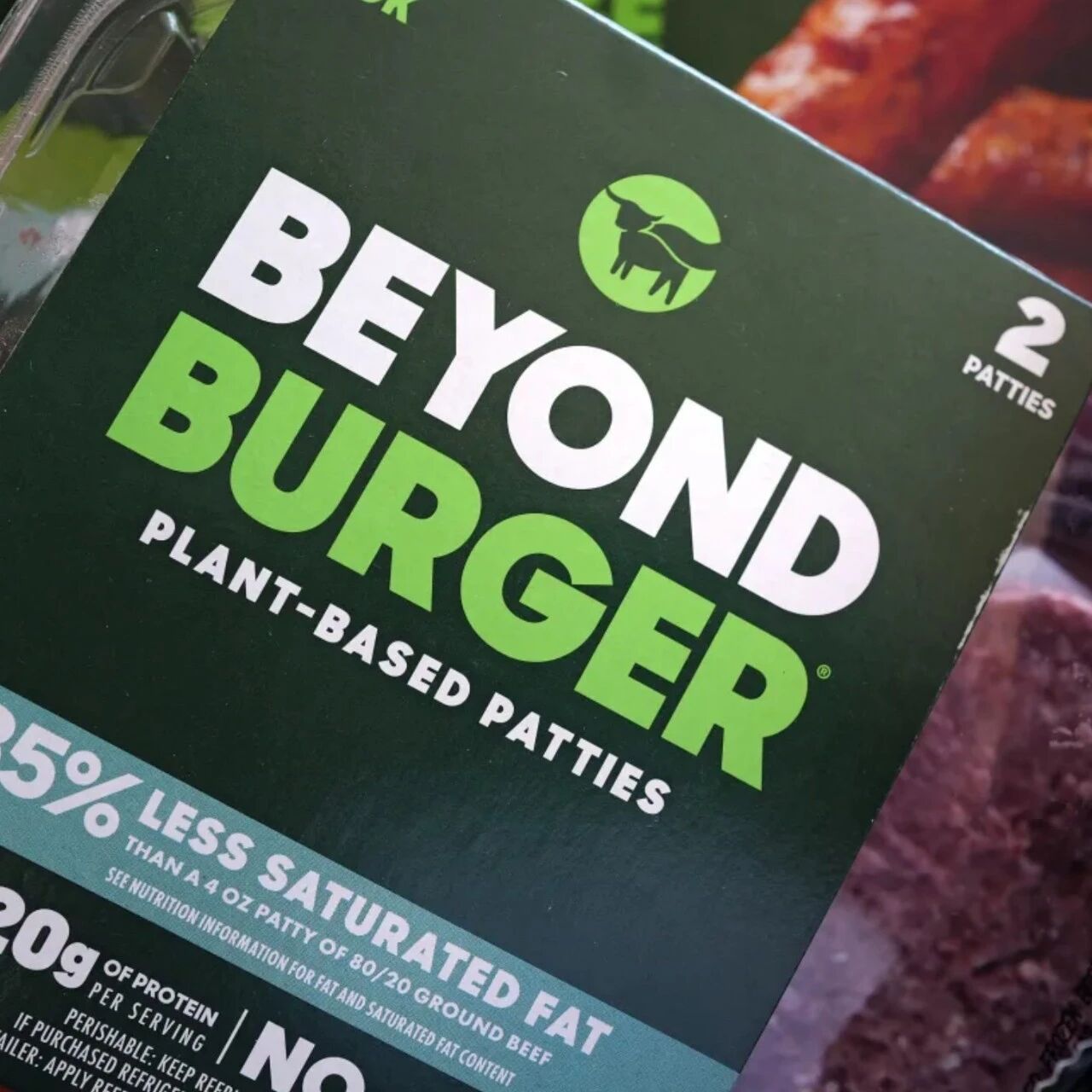
人造肉第一股关店撤退!网友:21世纪最狠假科技阴谋凉透了?
Xin Lang Cai Jing· 2025-12-01 14:32
Core Insights - The article discusses the rise and fall of the plant-based meat industry, particularly focusing on Beyond Meat, which was once a highly sought-after investment but has now faced significant challenges and market exit [1][3][5]. Industry Overview - The plant-based meat market was predicted to grow from approximately $10 billion in 2019 to over $300 billion by 2035, capturing more than 20% of the global meat market [1]. - Initial excitement around plant-based meat was fueled by significant investments from high-profile investors like Bill Gates, with Beyond Meat raising $1.69 billion and achieving a market cap exceeding $20 billion shortly after its IPO [3][5]. Company Performance - Beyond Meat has recently closed its flagship store on Tmall and ceased production in its factory in Jiaxing, China, indicating a potential exit from the Chinese market after less than five years of operation [7][9]. - The company has reported declining revenues, with a drop from $419 million in 2022 to $326 million in 2024, and a cumulative loss of $864 million during the same period [11]. - As of Q3 2025, Beyond Meat's revenue was $214 million, a 14.37% decrease year-over-year, with a net loss of $193 million [11]. Market Challenges - The plant-based meat sector is criticized for not being able to compete with traditional meat in terms of price, taste, and nutritional value, leading to consumer rejection [13][16]. - Beyond Meat's products are priced significantly higher than real meat, with a price of approximately $109 per kilogram, which is 40% more than actual beef [13]. - Consumer feedback indicates dissatisfaction with the texture and taste of plant-based products, with a repurchase rate of only 26% [15]. Consumer Sentiment - There is a growing skepticism among consumers regarding the nutritional value and safety of plant-based meats, compounded by a lack of regulatory standards in China [16]. - The marketing strategies employed by companies like Beyond Meat have faced backlash, with accusations of "moral coercion" in promoting plant-based diets over traditional meat consumption [23]. Environmental Context - The article highlights the environmental narrative that has been used to promote plant-based meats, suggesting that it is often driven by Western perspectives that overlook their own carbon footprints [20][25]. - The disparity in meat consumption between China and the U.S. is noted, with the average Chinese person consuming only 4.2 kg of beef annually compared to 26.2 kg in the U.S. [20].

太突然!曾获比尔·盖茨投资,知名品牌退出中国,浙江工厂不到5年就停产,经销商称“现在卖的是库存和美国进口品”
新浪财经· 2025-12-01 12:07
Core Viewpoint - Beyond Meat, known as the "first stock of plant-based meat," has faced significant challenges in the Chinese market, leading to the closure of its flagship stores on major e-commerce platforms and the suspension of its production facility in Jiaxing, China [2][4][8]. Company Overview - Beyond Meat was founded in 2009 and went public in 2019, experiencing a stock price surge of 163% on its debut. The company has notable investors, including Bill Gates and Leonardo DiCaprio [6]. - The company launched its products in China in 2020 through partnerships with major food chains like Starbucks, KFC, and Pizza Hut, aiming to capture the B2B market [6][8]. Market Challenges - The plant-based meat market in China has not developed as expected, with limited consumer interest beyond the vegetarian demographic. Beyond Meat's products are priced higher than local alternatives, with prices exceeding 60 yuan per kilogram, comparable to beef prices [5][12]. - The company has struggled with declining sales, reporting a drop in revenue from $419 million in 2022 to $326 million in 2024, with cumulative losses reaching $864 million [14]. Consumer Perception - Consumer feedback indicates dissatisfaction with the taste and texture of plant-based meat products, with many describing them as inferior to real meat. Approximately 74% of consumers reported they do not plan to repurchase plant-based meat products, primarily due to taste issues [15][16][21]. Future Outlook - Despite the current challenges, the plant-based meat market in China is projected to grow, with estimates suggesting a market size of approximately $760 million by 2024 and $3.85 billion by 2033, with a compound annual growth rate of around 20% [20][21]. - The lack of standardized regulations for plant-based meat in China poses a challenge for consumer trust and product acceptance, which could hinder market growth [20][21].