人造肉

Search documents
压制股价因素消除,山东赫达能否走补涨行情?
Xin Lang Cai Jing· 2026-01-13 11:27
Core Viewpoint - After a significant stock price increase of 14 times, Shandong Heda's stock has dropped by 80%, indicating a period of consolidation with potential for future growth due to recent favorable developments regarding U.S. anti-dumping tariffs [1][9]. Group 1: Stock Performance and Market Reaction - Shandong Heda's stock has been in a wide fluctuation state since the "924" market rally in 2024, with previous highs repeatedly suppressing the stock price [10]. - The stock experienced a surge with two consecutive days of trading limits due to the U.S. anti-dumping tax rate being significantly lower than expected, dropping from an initial 172.24% to 18.71%, a reduction of 153.53% [11][12]. Group 2: Business Operations and Revenue Composition - The company's main products include cellulose ether, which accounted for 72.98% of revenue, and plant-based hollow capsules, which made up 21.10% of revenue in the first half of 2025 [12]. - Export ratios for 2024 show that construction-grade cellulose ether accounted for 56.4%, pharmaceutical-grade cellulose ether for 57.3%, and plant capsules for 88.2% [12]. Group 3: Future Projects and Market Position - Shandong Heda plans to invest up to 500 million yuan in a new plant in the U.S. with a capacity of 20 billion capsules per year, with 31.92% of the project completed by mid-2025 [12]. - The company is well-positioned in the market, with a strong outlook for its plant capsule business as it expands its production capacity [12][13]. Group 4: Shareholder Composition - The latest quarterly report for 2025 shows that two funds from a private equity firm have entered the top ten shareholders, indicating increased institutional interest [4][13]. - Additionally, Hong Kong Central Clearing Limited increased its holdings by 26.68% in the third quarter of the previous year [5][14]. Group 5: Industry Trends and Applications - Shandong Heda is involved in new materials and plant-based meat concepts, with pharmaceutical-grade cellulose ether having broad applications in drug formulations and plant capsules [15][16]. - The company is also a leading producer of HEC, which is used in various applications, including improving the quality of copper plating for batteries [17].

彻底退出了中国!市值蒸发百亿,电商全关停,欧美人造肉败走中国
Sou Hu Cai Jing· 2026-01-09 21:28
Core Viewpoint - Beyond Meat, once hailed as the "savior of future food" and supported by celebrities, has faced a complete withdrawal from the Chinese market, with its flagship stores disappearing and production facilities shutting down [1][3]. Group 1: Company Performance - Beyond Meat's market value has plummeted from over $20 billion at its peak to a fraction of that, illustrating a dramatic decline in investor confidence [3][12]. - The company entered the Chinese market with high expectations, establishing two factories in Jiaxing and partnering with major brands like KFC and Starbucks, but ultimately failed to gain traction [10][12]. Group 2: Market Challenges - The pricing strategy of Beyond Meat was a significant barrier, with its plant-based chicken strips priced at 118 RMB for 225 grams, compared to 9.9 RMB for 450 grams of real chicken, creating a nearly 25-fold price difference [14][21]. - Sales figures were disappointing, with the best-selling plant-based burger patties on Tmall selling only about 400 units in a month, indicating low consumer interest and a lack of repeat purchases [16][18]. Group 3: Consumer Perception - The taste and texture of Beyond Meat products did not meet consumer expectations, leading to dissatisfaction among both meat-eaters and vegetarians [23][25]. - The perception of health benefits was undermined by the presence of numerous additives in the ingredient list, which contradicted consumer desires for natural and clean food options [25][29]. Group 4: Cultural Misalignment - Beyond Meat's products were not compatible with Chinese cooking methods, which often involve diverse preparation techniques that the plant-based meat could not withstand [27][46]. - The company failed to respect local dietary traditions and preferences, leading to a disconnect with Chinese consumers who prioritize taste, price, and health [46][50]. Group 5: Lessons Learned - The downfall of Beyond Meat serves as a cautionary tale about the importance of aligning product offerings with market demands and consumer preferences, rather than relying solely on marketing hype [39][50]. - Companies must focus on product quality and local market understanding to succeed, as ignoring these factors can lead to failure in new markets [44][48].


彻底退出了中国!市值蒸发千亿,电商全关停,欧美人造肉败走中国
Sou Hu Cai Jing· 2026-01-08 10:41
Core Viewpoint - The American plant-based meat giant, Beyond Meat, has officially announced the suspension of all operations in the Chinese market after a five-year expansion effort that ended in failure [1][3]. Group 1: Company Performance - Beyond Meat, once hailed as the "first stock of plant-based meat," saw its stock price soar by 163% on its debut in 2019, reaching a market capitalization of over $20 billion [3]. - The company's market value has since plummeted by over 99%, now standing at less than $200 million, while its debt has reached $11 billion [5]. - The withdrawal from China is part of a broader global contraction due to poor performance in various markets [5][29]. Group 2: Market Challenges - The high prices of Beyond Meat products have been a significant barrier to consumer acceptance, with a 230-gram box priced at 30 yuan, while fresh meat can be purchased for nearly half a kilogram at the same price [7]. - The taste and texture of the products have not met consumer expectations, leading to a lack of repeat purchases [11][13]. - Health concerns have arisen due to the presence of numerous additives in the products, which contradict the initial marketing claims of being "low-fat" and "healthy" [16][20]. Group 3: Consumer Preferences - The products have not adapted well to Chinese cooking methods, resulting in poor performance in local culinary contexts [13][15]. - Local consumers have shown a preference for products that align with their taste and cooking habits, which has benefited domestic plant-based brands [31][33]. - Beyond Meat's marketing strategies, which included moral appeals regarding environmental impact, have not resonated with Chinese consumers, who prioritize taste, affordability, and health [29][33]. Group 4: Industry Trends - The overall plant-based meat industry in the U.S. is facing significant challenges, with refrigerated plant-based meat sales down 22% year-on-year and over 50% of American consumers rejecting these products due to excessive additives [24][26]. - The gross margin for these companies is only 13.1%, significantly lower than traditional meat industries, leading to continued financial losses [27]. - The failure in the Chinese market reflects a broader trend of misunderstanding consumer needs and preferences in international markets [33].
PVDF概念下跌1.68%,主力资金净流出17股
Zheng Quan Shi Bao Wang· 2025-12-29 09:27
Group 1 - The PVDF concept sector experienced a decline of 1.68%, ranking among the top losers in the concept sector, with companies like Duofuduo, Shenzhen Xinxing, and Putailai showing significant declines [1] - Among the PVDF concept stocks, three companies saw price increases, with Jinming Precision Machinery rising by 0.63%, Zhejiang Zhongcheng by 0.18%, and ST Lianchuang by 0.17% [1] - The main capital outflow from the PVDF concept sector today was 1.457 billion yuan, with 17 stocks experiencing net outflows, and six stocks seeing outflows exceeding 10 million yuan [2] Group 2 - Duofuduo had the highest net capital outflow of 1.114 billion yuan, followed by Juhua Co., Shenzhen Xinxing, and Dongyangguang with net outflows of 148 million yuan, 62.397 million yuan, and 40.527 million yuan respectively [2] - The top stocks in terms of capital outflow within the PVDF concept included Duofuduo (-8.06%), Shenzhen Xinxing (-7.66%), and Putailai (-3.17%) [3] - The trading volume for Duofuduo was 20.47%, indicating significant trading activity despite the price drop [3]


人造肉行业退潮:别样肉客败走中国背后的多重困局
Xin Lang Cai Jing· 2025-12-25 10:30
Core Insights - Beyond Meat, once valued at over $15 billion and backed by Bill Gates, officially ceased its operations in China by shutting down its Tmall and Pinduoduo flagship stores and halting production at its Jiaxing factory by the end of 2025, marking a significant failure of foreign brands in localizing their business in China and reflecting the complete cycle of the once-booming plant-based meat sector from enthusiasm to bubble burst [1][7] Group 1: Company Journey - Beyond Meat entered the Chinese market in 2020, leveraging the global plant-based food trend and quickly gaining recognition through partnerships with major restaurants, including Starbucks and Yum China [2][8] - The company established its first overseas factory in Jiaxing in September 2020, and by April 2021, it launched customized products like plant-based dumplings, reducing local prices by 30% compared to imported products [2][8] - Despite aggressive market strategies, sales did not translate into sustained growth, with the highest monthly sales of its plant-based burger patties on Tmall in 2023 being only about 400 units, leading to product removal from some retail locations [2][8] Group 2: Financial Performance - From 2022 to 2024, Beyond Meat's revenue declined from $419 million to $326 million, accumulating losses of $864 million, with a net loss of $156 million in 2024 [3][9] - The company's stock price plummeted from nearly $180 to $1.02, resulting in a market capitalization drop of over 98% [3][9] - In February 2025, the brand announced plans to suspend operations in China by the end of June and cut 95% of its workforce, ultimately closing its e-commerce channels by November [3][9] Group 3: Industry Challenges - High prices are a key barrier to market acceptance, with plant-based meat averaging 82% higher than traditional meat, leading to consumer complaints about affordability [4][10] - Taste and texture issues persist, with many products being perceived as "seasoned bean products" lacking the desired meat-like qualities, causing approximately 74% of Chinese consumers to express no intention to repurchase plant-based meat due to taste concerns [4][10] - The lack of national standards for plant-based meat in China raises consumer doubts about nutritional value and safety, further diminishing purchase willingness [4][10] Group 4: Market Dynamics - The capital frenzy that once fueled the sector saw 31 out of 35 financing events in the domestic plant-based meat field from 2019 to 2022, with 2020 alone witnessing a funding scale of 8 billion yuan; however, by 2024, global investment in plant-based meat companies plummeted by 64% [5][11] - The industry is undergoing a contraction, with many startups either ceasing operations or pivoting, as evidenced by the low sales figures even for major brands like Nestlé, which reported monthly sales of only over 500 units on Tmall [6][12] - Despite the downturn, long-term prospects for plant-based meat may still exist due to the push for carbon neutrality and rising health-conscious consumer demands [6][12]
欧美强推的「人造肉」,彻底败退中国
36氪· 2025-12-23 00:16
Core Viewpoint - The article discusses the rise and fall of Beyond Meat in the Chinese market, highlighting the challenges faced by plant-based meat companies in adapting to local consumer preferences and the failure of their marketing strategies [10][15][70]. Group 1: Beyond Meat's Market Performance - Beyond Meat, once a star in the plant-based meat industry, has seen its market value plummet from $20 billion to under $2 billion, losing over $10 billion in market capitalization [13][34]. - The company has closed its flagship store on Chinese e-commerce platforms and halted production at its factory in Jiaxing, Zhejiang [10][34]. - Revenue has declined from $4.19 billion in 2022 to $3.26 billion in 2024, with cumulative losses reaching $8.64 billion during the same period [34]. Group 2: Marketing Strategies and Consumer Response - Beyond Meat attempted to penetrate the Chinese market through partnerships with major brands like McDonald's and Starbucks, but these efforts did not yield the expected results [28][30]. - The company employed aggressive marketing tactics, including celebrity endorsements and campaigns promoting the health benefits of plant-based diets, but these strategies failed to resonate with Chinese consumers [31][32][70]. - A significant 74% of Chinese consumers indicated they would not repurchase plant-based meat products, primarily due to high prices and unsatisfactory taste [45][46]. Group 3: Challenges of Plant-Based Meat - The article identifies two major issues with plant-based meat: high prices and poor taste, which have hindered its acceptance in the Chinese market [39][48]. - Plant-based meat products are often priced significantly higher than traditional meat, with some products costing up to 82% more than their animal-based counterparts [41][39]. - The taste and texture of plant-based meat have been criticized, with many consumers finding them inferior to traditional meat options [44][39]. Group 4: Environmental and Health Claims - Claims regarding the environmental benefits of plant-based meat have been challenged, with studies indicating that the carbon emissions from producing plant-based meat can be significantly higher than those from traditional beef [49][48]. - The health benefits promoted by plant-based meat companies have also been questioned, as many products contain high levels of sodium and additives [48][49]. Group 5: Lessons for the Industry - The failure of Beyond Meat serves as a cautionary tale for food entrepreneurs, emphasizing the importance of aligning product offerings with genuine consumer needs rather than relying on capital-driven narratives [70][73]. - The article suggests that successful food innovations must prioritize taste, affordability, and real consumer demand rather than imposing moral or environmental arguments [66][70].

欧美强推的“人造肉”,彻底败退中国
3 6 Ke· 2025-12-21 07:45
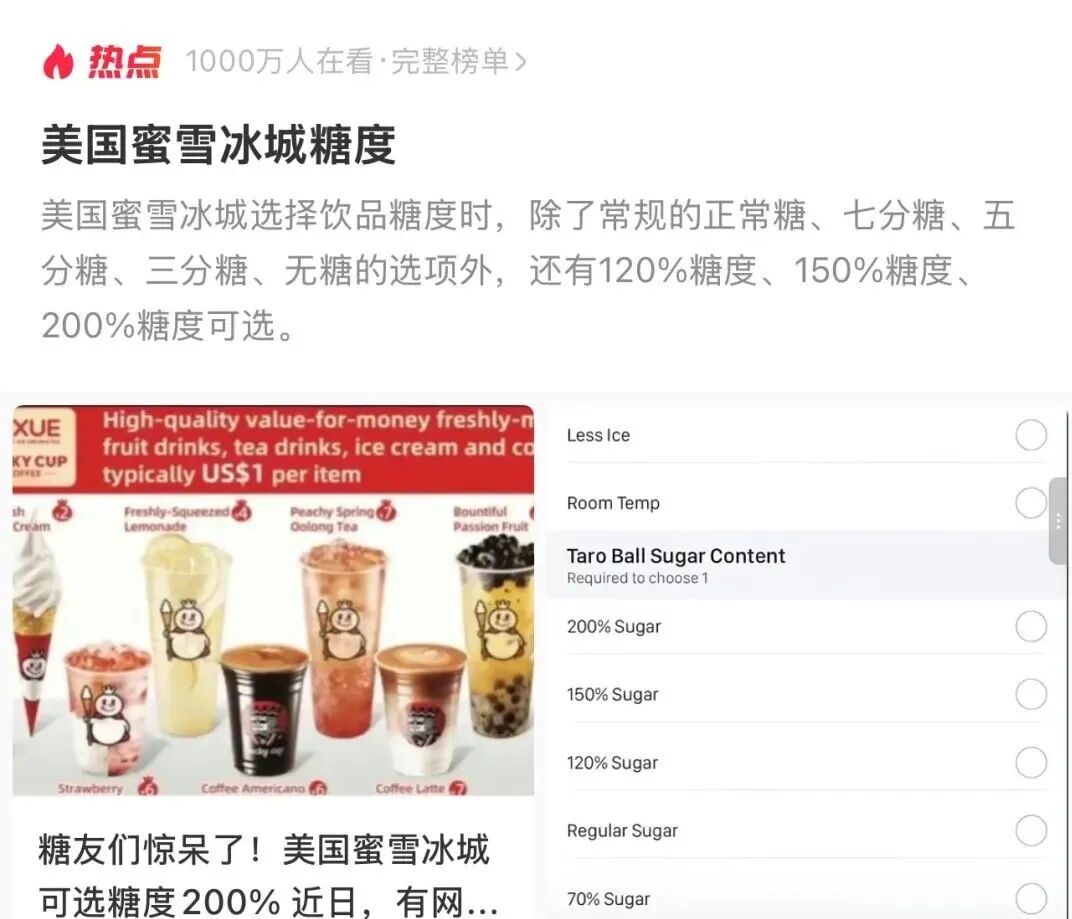
Core Viewpoint - The article discusses the contrasting fortunes of two companies in the food industry: the success of a sweet tea brand in the U.S. and the failure of the plant-based meat company Beyond Meat in China, highlighting the challenges faced by the plant-based meat sector in adapting to consumer preferences and market realities. Group 1: Success of Sweet Tea Brand - The sweet tea brand, known as "Snow King," has gained popularity in the U.S. by offering extremely sweet milk tea options, with sugar levels reaching 120%, 150%, and 200% [1][4] - This strategy has resonated with American youth, leading to viral challenges on social media platforms like TikTok [4] Group 2: Failure of Beyond Meat - Beyond Meat, once a star in the plant-based meat industry, has faced significant setbacks, including the closure of its flagship store in China and the shutdown of its factory in Jiaxing, Zhejiang [4][6] - The company's market value has plummeted from $20 billion to under $2 billion, reflecting a loss of over $10 billion in market capitalization [6] - Despite initial hype and celebrity endorsements, the company has struggled to gain traction in the Chinese market, with revenues declining from $419 million in 2022 to $326 million in 2024, resulting in cumulative losses of $864 million [27] Group 3: Challenges in the Plant-Based Meat Sector - The plant-based meat industry is experiencing a global downturn, with competitors like Impossible Foods also facing difficulties [28] - The high price and poor taste of plant-based meat products have been major barriers to consumer acceptance, with prices significantly higher than traditional meat [29][31] - A survey indicated that approximately 74% of Chinese consumers would not repurchase plant-based meat products, primarily due to concerns over price and taste [35] Group 4: Misalignment with Consumer Needs - The marketing strategies employed by plant-based meat companies, including environmental and health claims, have not resonated with Chinese consumers, leading to widespread rejection of the products [37][39] - The failure of Beyond Meat illustrates a disconnect between capital-driven innovation and actual consumer demand, emphasizing the need for food companies to align their offerings with consumer preferences for taste and affordability [45]
一家超级明星公司凉了
首席商业评论· 2025-12-19 03:44
Core Viewpoint - The artificial meat industry is experiencing a dramatic cycle from capital enthusiasm to rapid decline, exemplified by Beyond Meat's withdrawal from the Chinese market and significant operational challenges globally [4][7]. Company Overview - Beyond Meat, founded in 2009, was one of the earliest plant-based meat companies in the U.S. and gained significant capital interest, attracting high-profile investors like Bill Gates and Leonardo DiCaprio [4][10]. - The company expanded into China in 2020, establishing two factories in Jiaxing, aiming to become a leading plant-based meat producer [6][11]. Market Performance - Since 2022, Beyond Meat has faced continuous revenue declines and increasing losses, with stock prices plummeting nearly 97% from their peak [5][7]. - The company's revenue figures from 2022 to 2024 were $419 million, $343 million, and $326 million, with corresponding losses of $366 million, $338 million, and $160 million [7]. Challenges in China - Beyond Meat's initial success in China included partnerships with major brands like Starbucks and KFC, but the company has now closed its flagship e-commerce store and halted production in Jiaxing [6][7]. - The decision to exit the Chinese market was preceded by a board-approved plan to suspend operations and reduce the workforce by 95% [7]. Industry Trends - The broader plant-based meat industry is facing significant challenges, with other companies like Impossible Foods also experiencing layoffs and market struggles [13]. - The decline in interest from investors is evident, with global venture capital investment in plant-based meat companies dropping by 64% in 2024 [15]. Consumer Sentiment - A report indicated that approximately 74% of Chinese consumers do not plan to repurchase plant-based meat products, primarily due to taste and high prices, which are 82% higher than traditional meat [14][15]. - The core consumer base for plant-based meat remains limited to niche groups such as vegetarians and fitness enthusiasts, which hinders market expansion [15].
一家超级明星公司凉了
3 6 Ke· 2025-12-16 07:17
Core Insights - The plant-based meat industry is experiencing a dramatic cycle from capital enthusiasm to a rapid decline, exemplified by Beyond Meat's recent exit from the Chinese market [1][10] - Beyond Meat has closed its flagship e-commerce store in China and halted production at its factory in Jiaxing, signaling a clear withdrawal from the market [1][3] - The company's struggles reflect broader challenges within the plant-based meat sector, with significant revenue declines and a nearly 97% drop in stock price from its peak [1][4][10] Company Overview - Beyond Meat, founded in 2009, was one of the first plant-based meat companies in the U.S., attracting significant investment from high-profile figures like Bill Gates and Leonardo DiCaprio [1][8] - The company expanded into China in 2020, establishing two factories in Jiaxing, aiming to become a leading player in the plant-based meat market [3][4] - Initial success included partnerships with major brands like Starbucks and KFC, but the company has faced declining sales and increased losses since 2022 [3][4] Financial Performance - Beyond Meat's revenue from 2022 to 2024 showed a downward trend: $419 million in 2022, $343 million in 2023, and projected $326 million in 2024, with corresponding losses of $366 million, $338 million, and $160 million [4] - In the first three quarters of 2023, the company reported $214 million in revenue, a 14.37% year-over-year decline, and a net loss of $193 million [4] - As of December 15, 2023, the stock price was $1.04 per share, with a market capitalization of $472 million, down from a peak of $15.3 billion [4][10] Industry Context - The plant-based meat sector is facing widespread challenges, with many companies, including Impossible Foods, also experiencing layoffs and operational cutbacks [10][11] - The overall market for plant-based meat is small, with a limited consumer base primarily consisting of vegetarians and health enthusiasts, which hinders broader market expansion [12] - Key barriers to growth include poor taste perception among consumers, high prices (82% more expensive than traditional meat), and a lack of widespread appeal [12][13] Investment Trends - Investment in plant-based meat companies has significantly declined, with a 64% drop in 2024 and a 40% further decline in cultivated meat investments [13] - Despite the current downturn, the long-term potential for plant-based meat remains, contingent on achieving a balance between price, taste, and commercial scalability [13]
一家超级明星公司凉了
投中网· 2025-12-16 06:11
Core Viewpoint - The plant-based meat industry is experiencing a dramatic shift from capital enthusiasm to a rapid decline, exemplified by Beyond Meat's recent closure of its flagship e-commerce store in China and the shutdown of its factory in Jiaxing, signaling a potential exit from the Chinese market [3][4][9]. Company Overview - Beyond Meat, founded in 2009, was one of the earliest plant-based meat companies in the U.S. and gained significant capital interest, attracting notable investors like Bill Gates and Leonardo DiCaprio [3][16]. - The company expanded into China in 2020, establishing two factories in Jiaxing with ambitions to become a leading plant-based meat producer globally [6][7]. Financial Performance - Since 2022, Beyond Meat has faced continuous revenue declines and increasing losses, with stock prices plummeting nearly 97% from their peak [8][5]. - The company's revenues from 2022 to 2024 were reported at $419 million, $343 million, and $326 million, with corresponding losses of $366 million, $338 million, and $160 million [8][21]. Market Challenges - The closure of Beyond Meat's operations in China reflects broader struggles within the plant-based meat sector, where companies like Impossible Foods have also faced layoffs and operational challenges [19][20]. - The plant-based meat market is hindered by three main issues: poor taste perception among consumers, high prices compared to traditional meat (82% higher), and a limited consumer base primarily consisting of vegetarians and fitness enthusiasts [21][22]. Investment Trends - Investment in plant-based meat companies has significantly declined, with a reported 64% drop in 2024, following a 75% decrease in cultivated meat investments [22].