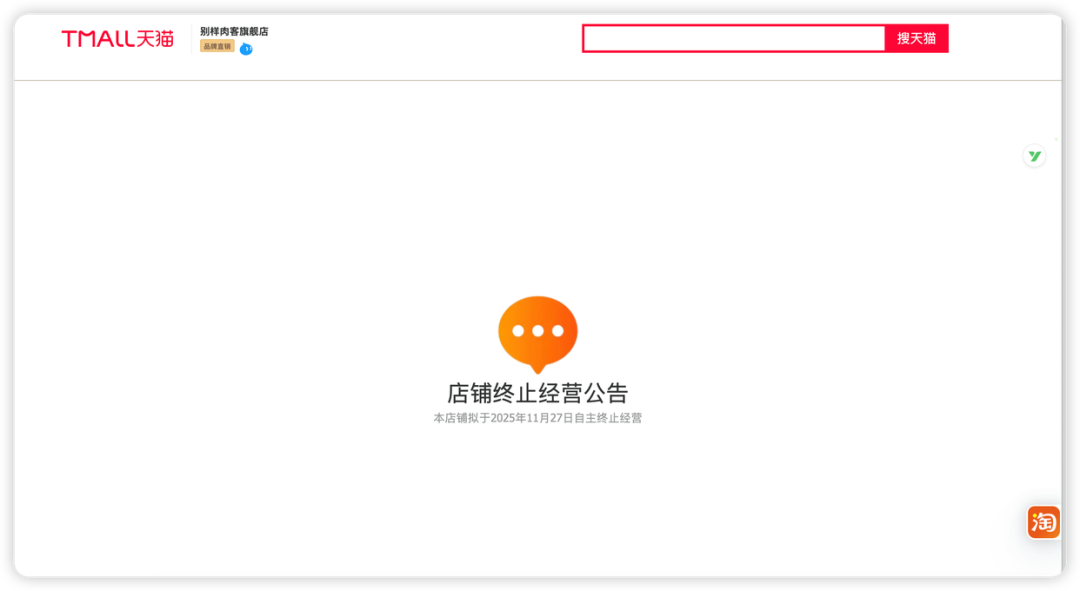
植物猪肉

Search documents
一家超级明星公司凉了
3 6 Ke· 2025-12-16 07:17
Core Insights - The plant-based meat industry is experiencing a dramatic cycle from capital enthusiasm to a rapid decline, exemplified by Beyond Meat's recent exit from the Chinese market [1][10] - Beyond Meat has closed its flagship e-commerce store in China and halted production at its factory in Jiaxing, signaling a clear withdrawal from the market [1][3] - The company's struggles reflect broader challenges within the plant-based meat sector, with significant revenue declines and a nearly 97% drop in stock price from its peak [1][4][10] Company Overview - Beyond Meat, founded in 2009, was one of the first plant-based meat companies in the U.S., attracting significant investment from high-profile figures like Bill Gates and Leonardo DiCaprio [1][8] - The company expanded into China in 2020, establishing two factories in Jiaxing, aiming to become a leading player in the plant-based meat market [3][4] - Initial success included partnerships with major brands like Starbucks and KFC, but the company has faced declining sales and increased losses since 2022 [3][4] Financial Performance - Beyond Meat's revenue from 2022 to 2024 showed a downward trend: $419 million in 2022, $343 million in 2023, and projected $326 million in 2024, with corresponding losses of $366 million, $338 million, and $160 million [4] - In the first three quarters of 2023, the company reported $214 million in revenue, a 14.37% year-over-year decline, and a net loss of $193 million [4] - As of December 15, 2023, the stock price was $1.04 per share, with a market capitalization of $472 million, down from a peak of $15.3 billion [4][10] Industry Context - The plant-based meat sector is facing widespread challenges, with many companies, including Impossible Foods, also experiencing layoffs and operational cutbacks [10][11] - The overall market for plant-based meat is small, with a limited consumer base primarily consisting of vegetarians and health enthusiasts, which hinders broader market expansion [12] - Key barriers to growth include poor taste perception among consumers, high prices (82% more expensive than traditional meat), and a lack of widespread appeal [12][13] Investment Trends - Investment in plant-based meat companies has significantly declined, with a 64% drop in 2024 and a 40% further decline in cultivated meat investments [13] - Despite the current downturn, the long-term potential for plant-based meat remains, contingent on achieving a balance between price, taste, and commercial scalability [13]
一家超级明星公司凉了
投中网· 2025-12-16 06:11
Core Viewpoint - The plant-based meat industry is experiencing a dramatic shift from capital enthusiasm to a rapid decline, exemplified by Beyond Meat's recent closure of its flagship e-commerce store in China and the shutdown of its factory in Jiaxing, signaling a potential exit from the Chinese market [3][4][9]. Company Overview - Beyond Meat, founded in 2009, was one of the earliest plant-based meat companies in the U.S. and gained significant capital interest, attracting notable investors like Bill Gates and Leonardo DiCaprio [3][16]. - The company expanded into China in 2020, establishing two factories in Jiaxing with ambitions to become a leading plant-based meat producer globally [6][7]. Financial Performance - Since 2022, Beyond Meat has faced continuous revenue declines and increasing losses, with stock prices plummeting nearly 97% from their peak [8][5]. - The company's revenues from 2022 to 2024 were reported at $419 million, $343 million, and $326 million, with corresponding losses of $366 million, $338 million, and $160 million [8][21]. Market Challenges - The closure of Beyond Meat's operations in China reflects broader struggles within the plant-based meat sector, where companies like Impossible Foods have also faced layoffs and operational challenges [19][20]. - The plant-based meat market is hindered by three main issues: poor taste perception among consumers, high prices compared to traditional meat (82% higher), and a limited consumer base primarily consisting of vegetarians and fitness enthusiasts [21][22]. Investment Trends - Investment in plant-based meat companies has significantly declined, with a reported 64% drop in 2024, following a 75% decrease in cultivated meat investments [22].

人造肉第一股别样肉客被曝关闭天猫旗舰店 热度大不如前
Xi Niu Cai Jing· 2025-12-02 05:57
Core Viewpoint - The company "Beyond Meat," known for its plant-based meat products, is facing significant operational challenges, including plans to terminate its online store in China by November 2025 and a substantial decline in revenue and increasing losses over recent years [2][4]. Group 1: Company Overview - Beyond Meat, founded in 2009 and headquartered in El Segundo, California, is one of the earliest companies focused on the research and production of plant-based meat [4]. - The company went public on NASDAQ in 2019 and offers products such as plant-based beef patties, pork, and chicken [4]. Group 2: Financial Performance - Beyond Meat's revenue has been under pressure, with reported revenues of $419 million in 2022, $343 million in 2023, and projected $326 million in 2024, alongside net losses of $366 million, $338 million, and $160 million for the same years respectively [4]. - For the third quarter of 2025, the company reported revenues of $214 million, a year-over-year decrease of 14.37%, and a net loss of $193 million, which is an increase from a net loss of $115 million in the previous year [4]. Group 3: Strategic Decisions - In response to ongoing financial pressures, Beyond Meat announced a "cost-cutting" strategy, which included suspending operations in the Chinese market and reducing its workforce by 95% [4]. - The closure of its online channels in China appears to have been part of a premeditated plan due to the declining performance in the plant-based meat sector [4].

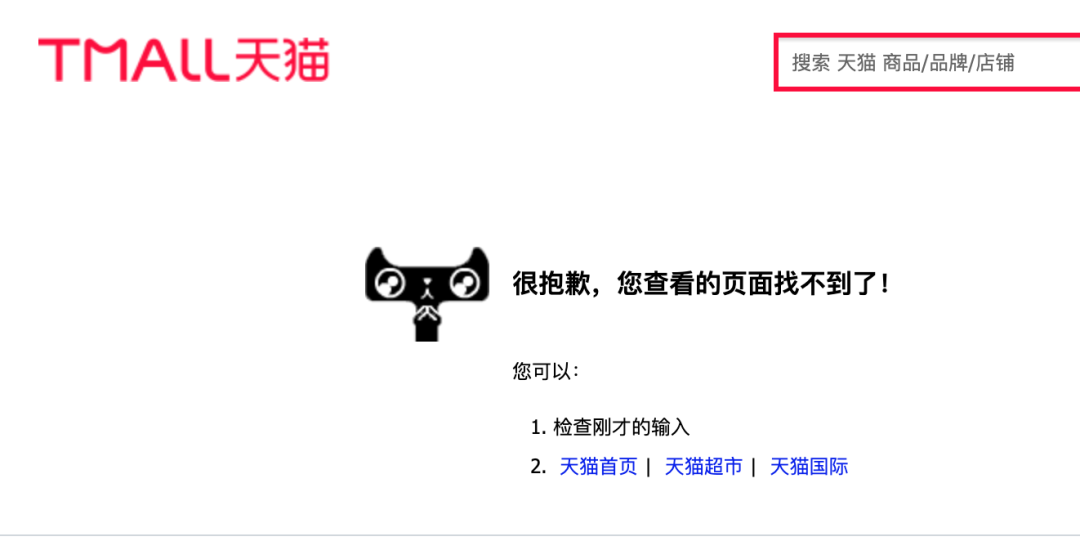
“页面找不到了”!知名品牌关店,退出中国
2 1 Shi Ji Jing Ji Bao Dao· 2025-12-02 00:51
Core Insights - Beyond Meat, known as the "first plant-based meat stock," has terminated its Tmall flagship store operations as of November 27, 2023, and its Pinduoduo store is no longer selling any products [1][11] - The company had previously announced plans to suspend its operations in China by the end of June 2023, including a significant reduction of its workforce by 95% [3][9] - The decline in interest for plant-based meat in China has led to major partners like Starbucks, KFC, and Nestlé ceasing their plant-based meat offerings [12][16] Company Operations - Beyond Meat was founded in 2009 in California and went public on NASDAQ in May 2019, with an initial stock price surge of 163%, reaching a market cap of approximately $3.83 billion [4] - The company initially viewed China as a strategic market, launching products in collaboration with Starbucks in April 2020 and expanding partnerships with KFC and other brands [6][8] - Despite early optimism, the company announced in February 2025 that it would officially pause operations in China, citing the need to improve profit margins [9] Market Trends - The plant-based meat market in China has seen a significant decline, with major brands like Starbucks and KFC no longer offering plant-based products [12][18] - Beyond Meat's revenue has been on a downward trend since 2022, with projected revenues of $465 million in 2021, dropping to $327 million in 2024, and a net loss of $193 million in the first three quarters of 2023 [12] - The company's U.S. market also experienced a decline, with retail channel revenues down 18.4% and food service revenues down 27.3% in the latest quarter [12][13] Industry Challenges - The overall demand for plant-based meat in China is weak, as consumers still prefer traditional meat options, making it difficult for plant-based alternatives to gain traction [18] - Other major companies, including Nestlé and Unilever, have also scaled back or exited their plant-based meat initiatives in China, indicating a broader trend of reduced interest in the category [16][18]
突然终止运营!曾宣布大裁员!很多深圳人吃过,有网友表示可惜
Sou Hu Cai Jing· 2025-12-02 00:36
Core Viewpoint - Beyond Meat, the first publicly traded plant-based meat company, has decided to suspend its operations in China, marking a significant retreat from a market it once viewed as strategic for growth [4][10]. Group 1: Company Operations - Beyond Meat's Tmall flagship store has ceased operations as of November 27, and its Pinduoduo store no longer sells any products [2][10]. - The company had previously announced plans to cut 95% of its workforce in China by the end of June 2023 to reduce operational costs [4][10]. - Despite inquiries about a potential return to the Chinese market, Beyond Meat has not provided any responses as of the latest report [4][10]. Group 2: Market Context - The demand for plant-based meat in China has significantly declined, with major brands like Starbucks, KFC, and Nestlé ceasing to offer plant-based products [10][11]. - Beyond Meat's revenue has been on a downward trend since 2022, with projected revenues of $4.65 billion in 2021, dropping to $3.27 billion in 2024, alongside increasing net losses [11]. - The company's U.S. market also reflects a decline, with retail channel revenues down 18.4% and food service revenues down 27.3% in the latest quarter [11][12]. Group 3: Industry Challenges - The overall market for plant-based meat in China is facing challenges, as consumer preferences lean towards traditional meat products, making it difficult for plant-based alternatives to gain traction [17]. - Other companies, including Nestlé and Unilever, have also exited or scaled back their plant-based meat operations in China, indicating a broader industry retreat [15][17].

知名品牌退出中国,曾获比尔·盖茨投资,现在卖库存和美国进口品
Mei Ri Jing Ji Xin Wen· 2025-12-01 03:03
Core Viewpoint - Beyond Meat, known as the "first stock of plant-based meat" and previously backed by Bill Gates, has quietly closed its flagship stores on major e-commerce platforms in China, indicating a significant retreat from the market [1][19]. Company Overview - Beyond Meat was founded in 2009 and went public in 2019, experiencing a stock price surge of 163% on its debut. It has notable investors including Bill Gates and Leonardo DiCaprio [3][5]. - The company launched its first end-to-end production facility outside the U.S. in Jiaxing, Zhejiang, in 2021, aiming to cater to the Chinese market with localized products [5][10]. Market Performance - As of November 30, 2023, Beyond Meat's official flagship store on Tmall is no longer searchable, and its Pinduoduo store is also non-functional, indicating a complete withdrawal from the Chinese market [1][3]. - The company has faced declining revenues, with a drop from $419 million in 2022 to $326 million in 2024, and a cumulative loss of $864 million during the same period [10]. Product Pricing and Consumer Perception - Beyond Meat's products are priced above local alternatives, with plant-based meat products costing over 60 yuan per kilogram, comparable to domestic beef prices, which has deterred consumers [3][10]. - Consumer feedback highlights dissatisfaction with the taste and texture of plant-based meat, with many describing it as inferior to real meat [11][13]. Industry Trends - The plant-based meat sector in China has seen a decline in investment and interest since late 2021, with many startups facing financial difficulties and some brands going bankrupt [11][16]. - Despite the challenges, the market for plant-based meat in China is projected to grow, with estimates suggesting a market size of approximately $7.6 billion by 2024, potentially reaching $38.5 billion by 2033 [16].
太突然!曾获比尔·盖茨投资 知名品牌退出中国 浙江工厂不到5年就停产 经销商称“现在卖的是库存和美国进口品”
Mei Ri Jing Ji Xin Wen· 2025-11-30 16:07
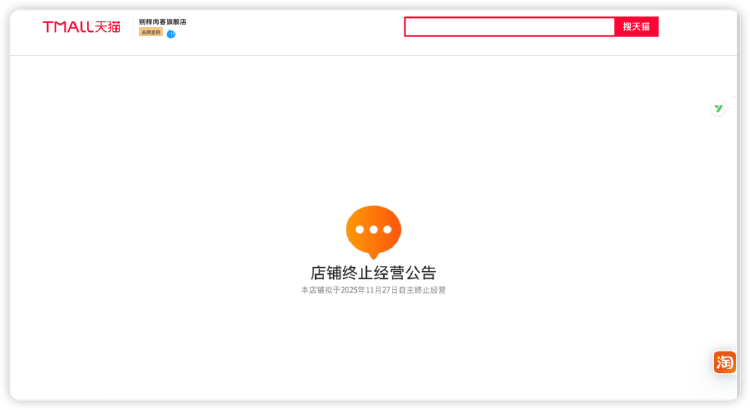
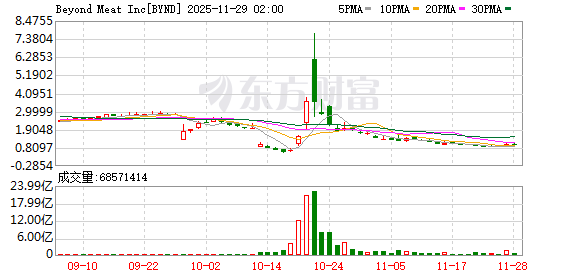
Core Viewpoint - Beyond Meat, known as the "first stock of plant-based meat," has closed its flagship stores on major e-commerce platforms in China, indicating a significant retreat from the market [2][3]. Company Overview - Beyond Meat was founded in 2009 and went public in 2019, experiencing a stock price surge of 163% on its debut. Notable investors include Bill Gates and Leonardo DiCaprio [4]. - The company initially entered the Chinese market in 2020 through partnerships with major food chains like Starbucks and KFC, aiming to capture the B2B market [4][6]. Market Performance - As of November 30, 2023, Beyond Meat's flagship stores on Tmall and Pinduoduo have ceased operations, with the Tmall store announcing plans to terminate operations by November 27, 2025 [2][3]. - The company has faced declining revenue, with a drop from $419 million in 2022 to $326 million in 2024, and a cumulative loss of $864 million during the same period [8]. - In the third quarter of 2025, Beyond Meat reported a revenue of $214 million, a year-on-year decrease of 14.37%, and a net loss of $193 million, worsening from a loss of $115 million in the previous year [8]. Product Pricing and Consumer Perception - Beyond Meat's products are priced higher than local alternatives, with plant-based meat products costing over 60 yuan per kilogram, comparable to domestic beef prices [3][7]. - Consumer feedback indicates dissatisfaction with the taste and texture of plant-based meat, with many describing it as inferior to real meat [10][12]. Industry Trends - The plant-based meat sector in China has seen a decline in investment and interest since late 2021, with many startups facing financial difficulties or shutting down [9]. - A report indicates that approximately 74% of consumers are not inclined to repurchase plant-based meat products, primarily due to taste issues [10]. - Despite challenges, the market for plant-based meat in China is projected to grow, with estimates suggesting a market size of $760 million by 2024 and $3.85 billion by 2033, maintaining a compound annual growth rate of around 20% [13]. Stock Performance - Beyond Meat's stock has significantly declined, trading at $0.982 per share as of November 28, 2023, with a total market capitalization of $445 million [14].
太突然!曾获比尔·盖茨投资,知名品牌退出中国,浙江工厂不到5年就停产,经销商称“现在卖的是库存和美国进口品”
Mei Ri Jing Ji Xin Wen· 2025-11-30 15:18
Core Viewpoint - Beyond Meat, known as the "first stock of plant-based meat," has quietly closed its flagship stores on major e-commerce platforms in China, indicating a significant retreat from the market [1][3]. Company Overview - Beyond Meat, founded in 2009 and listed on NASDAQ in 2019, has prominent investors including Bill Gates and Leonardo DiCaprio. Its main products include plant-based burgers and other meat alternatives [3][5]. - The company entered the Chinese market in 2020, establishing a factory in Jiaxing, Zhejiang, and launched products tailored for Chinese consumers [5][6]. Market Performance - As of November 30, 2023, Beyond Meat's official flagship store on Tmall is no longer searchable, and its Pinduoduo store is also non-functional [1][3]. - The company has faced declining revenue, with a drop from $419 million in 2022 to $326 million in 2024, and a cumulative loss of $864 million during the same period [11]. Product Pricing and Consumer Perception - Beyond Meat's products are priced higher than local alternatives, with plant-based beef priced over 60 yuan per kilogram, comparable to domestic beef prices [3][8]. - Consumer feedback indicates dissatisfaction with the taste and texture of plant-based meat, with many describing it as inferior to real meat [13][15]. Industry Trends - The plant-based meat sector in China has seen a decline in investment and interest since late 2021, with many startups facing financial difficulties or shutting down [12][16]. - Despite the challenges, the market for plant-based meat is projected to grow, with estimates suggesting a market size of approximately $7.6 billion by 2024, potentially reaching $38.5 billion by 2033 [16]. Financial Status - As of November 28, 2023, Beyond Meat's stock price has plummeted to $0.982 per share, with a total market capitalization of only $445 million [17].