欧盟乳制品

Search documents
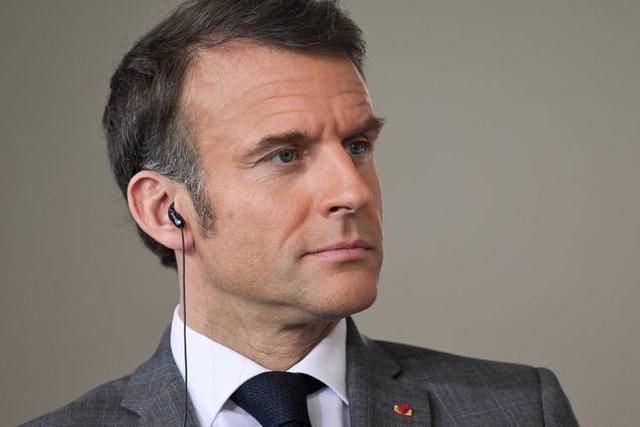
欧盟27国统一战线成真?法国加税提议遭多国暗中抵制
Sou Hu Cai Jing· 2026-02-17 17:37
Core Viewpoint - The relationship between China and Europe has dramatically shifted, with France's recent strategic report suggesting punitive tariffs on Chinese goods, indicating a move towards a unified anti-China stance among EU member states [1][4][6]. Group 1: Strategic Report and Economic Implications - The French government's strategic report proposes a 30% punitive tariff on Chinese goods and a 30% devaluation of the euro against the yuan, signaling a unilateral economic confrontation rather than a negotiation [4][6]. - This report reflects a deep-seated fear within European industries regarding competition from China, as it could artificially inflate prices of Chinese products before they even reach the market [4][6]. Group 2: Macron's Political Strategy - Macron's dual approach of welcoming Chinese investment while simultaneously advocating for tariffs reveals a zero-sum game mentality, driven by a desire to consolidate EU power against China [6][8]. - The urgency for Macron to achieve a diplomatic "victory" stems from the upcoming 2026 elections, where he seeks to rally public support amidst a bleak economic forecast of only 0.7% growth for France in 2025 [9]. Group 3: EU Member States' Diverging Interests - The proposed anti-China stance may face resistance from other EU countries, particularly Germany, which benefits significantly from trade with China and may not support France's political ambitions [14][18]. - Eastern European nations, which have profited from China's Belt and Road Initiative, are unlikely to align with France's call for an anti-China coalition, as it threatens their economic interests [15][18]. Group 4: China's Response and Strategic Positioning - China is responding strategically by initiating anti-subsidy investigations into EU dairy products, particularly targeting France, indicating a measured approach to countering potential tariffs [20][24]. - The Chinese government is maintaining a patient stance, observing whether the EU can reach a consensus on the proposed tariffs, while also holding various countermeasures in reserve [22][24]. Group 5: Long-term Implications - The ongoing tension between China and Europe is expected to evolve into a prolonged struggle, where the ability to maintain strategic composure will be crucial for both sides [25]. - Macron's reliance on political maneuvers to address industrial shortcomings may exacerbate internal EU divisions rather than resolve the underlying economic challenges [25].

27国齐上阵?马克龙通知全球,对华打响第一枪,中方反制准时执行
Sou Hu Cai Jing· 2026-02-14 12:51
Group 1 - The core issue lies within Europe itself, as France's proposal for a 30% tariff on Chinese goods has sparked internal conflict among EU member states, particularly with Germany and the Netherlands opposing the move [1][3][11] - France's urgency stems from increasing pressure on its manufacturing sector, especially in the automotive and renewable energy industries, due to competition from Asia [5][7] - The trade imbalance between China and Europe is growing, prompting French unions and politicians to call for protective measures to safeguard domestic industries [7][12] Group 2 - Germany's Chancellor emphasized that Europe's challenges are not solely external but also stem from internal inefficiencies, slow approvals, and sluggish industrial transformation [9][29] - The internal division within Europe is evident, with countries like Finland, Spain, and the Netherlands expressing opposition to France's tariff proposal, fearing it would increase costs for domestic businesses and consumers [11][12] - Germany's deep economic ties with China, particularly in key sectors like automotive and chemicals, make it reluctant to adopt policies that could jeopardize its market access [12][14] Group 3 - China's response to the EU's tariff proposal includes imposing countervailing duties on certain EU dairy products, targeting France and the Netherlands, which are vocal proponents of the tariffs [18][20] - The tax rates imposed by China are strategically set between 7% and 11%, designed to apply pressure without completely crippling trade [20][21] - China's actions highlight its understanding of the internal dynamics within Europe, as it selectively targets countries based on their economic dependencies and vulnerabilities [23][25] Group 4 - The underlying issue is Europe's slow economic growth over the past two decades, which contrasts sharply with the rapid advancements in innovation and manufacturing seen in the US and Asia [29][31] - The lengthy approval processes for industrial projects in Europe hinder competitiveness, as companies are unable to invest and adapt quickly [31][33] - The current trade tensions serve as a reminder that defensive measures may not effectively address the root causes of Europe's economic challenges, which require a more proactive and flexible approach [35][37]