江中牌肝纯片

Search documents
文化引领 创新铺路中华老字号焕新“破圈”点燃国货新潮
Xin Lang Cai Jing· 2026-01-11 21:22
Core Viewpoint - The article highlights the resurgence of traditional Chinese brands (老字号) through innovative collaborations and cultural empowerment, leading to a strong wave of domestic product enthusiasm among consumers. Group 1: Market Trends and Consumer Behavior - Traditional brands are increasingly popular among young consumers, with products like Beijing Daoxiangcun's innovative cakes and cultural merchandise gaining traction [2][3] - The "福运小马" mousse cake and "马上有钱" creative phone chain from Beijing Daoxiangcun exemplify how traditional brands are appealing to younger demographics through modern marketing strategies [2] - The overall market for traditional brands is thriving, with a reported revenue of over 2 trillion yuan and profits exceeding 350 billion yuan in 2024 [6] Group 2: Innovation and Product Development - Companies like Huaren Jiangzhong are launching health-oriented products that blend traditional Chinese medicine with modern consumer needs, showcasing the adaptability of old brands [3] - Scene innovation is a key strategy, with brands like Qingdao Beer and Chongqing's Chen Changyin Ma Hua creating immersive experiences that engage consumers [3][4] - The commitment to traditional craftsmanship and cultural heritage is crucial for maintaining brand integrity while appealing to modern consumers [5] Group 3: Policy and Ecosystem Support - Government policies are increasingly supportive of traditional brands, with initiatives aimed at fostering innovation and enhancing brand visibility [8][9] - Collaborative ecosystems involving policy, platforms, and enterprises are essential for the sustainable development of traditional brands, ensuring they remain competitive in the market [7][9] - The integration of various stakeholders in the ecosystem is seen as a way to strengthen the long-term viability of traditional brands while preserving their cultural significance [9]
护肝意识催生需求 我国肝脏健康市场今年有望突破800亿元
Bei Ke Cai Jing· 2025-06-26 13:57
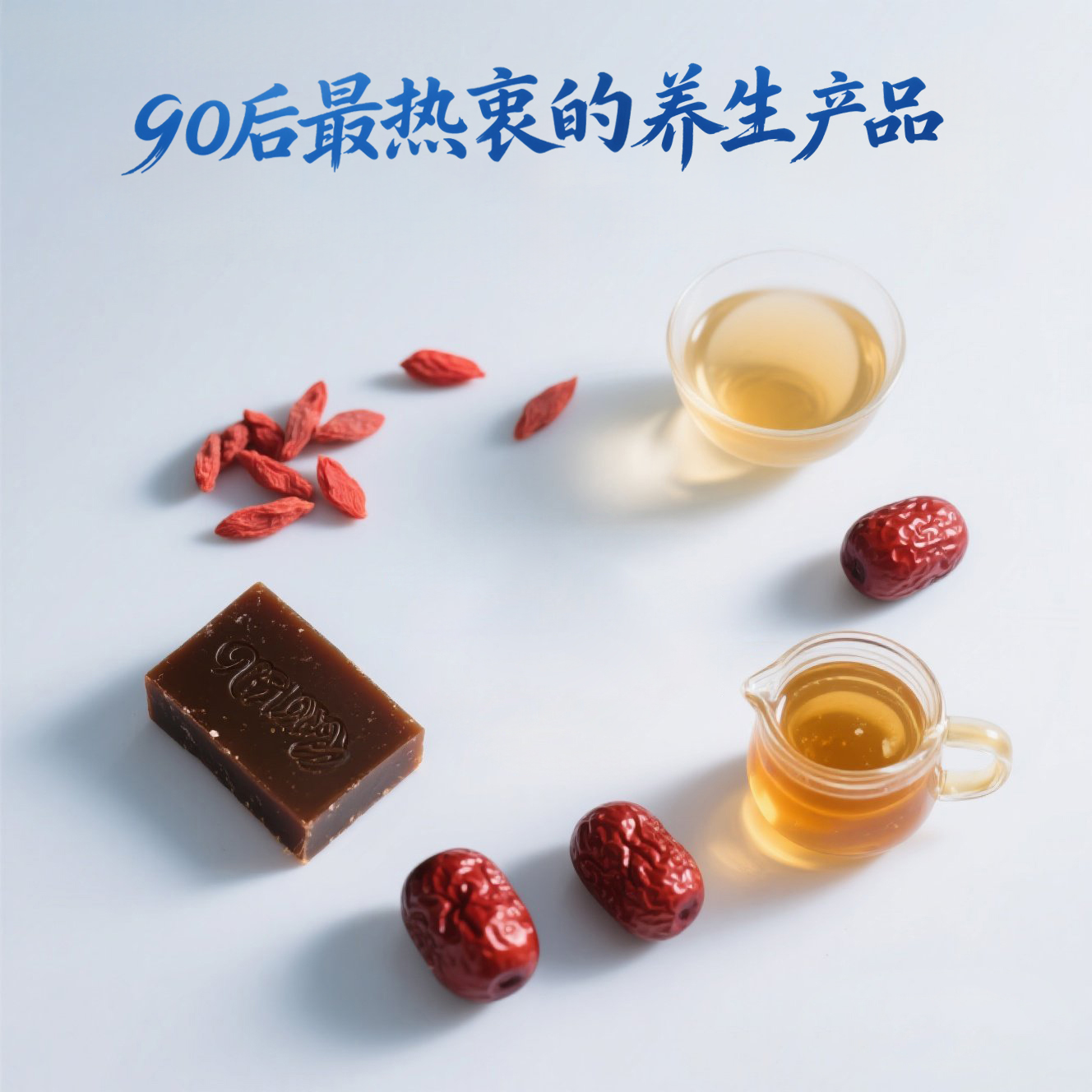
Core Insights - The report indicates that over 150 million people in China suffer from liver-related issues such as fatty liver and hepatitis, with 80% of early liver damage showing no obvious symptoms [1][2][5] - The rising awareness of health management has led to a diversified demand for health products, particularly liver health products, which are gaining traction among younger consumers [1][2][4] - The liver health market in China is projected to exceed 80 billion yuan this year, positioning it as a star segment within the broader health market [5] Market Trends - The liver health product market has been experiencing rapid growth since 2012, driven by core demands such as metabolism promotion, dietary regulation, and improvement of physical and mental states [4][6] - The demographic of liver health product consumers is shifting, with 35% of consumers in 2023 aged between 26 and 35, making this age group the largest and fastest-growing segment [4][6] Product Offerings - Various forms of liver health products are emerging, including liver tea, liver protection tablets, liver capsules, and health-enhanced gummies, catering to different age groups and health conditions [6] - Natural ingredient-rich liver health products are particularly favored by consumers [4] Sales Channels - Traditional direct sales are declining, with pharmacies, shopping malls, and online platforms becoming the primary purchasing channels, especially e-commerce, which is expected to continue growing due to the younger generation's health consciousness [6][7] - Local brands are achieving significant sales, with some health products surpassing 500 million yuan in annual sales [7]