洗漱用品

Search documents
“附近药店的卫生纸卖光了!”中东战火下日本卫生纸恐慌重现
凤凰网财经· 2026-03-23 11:58
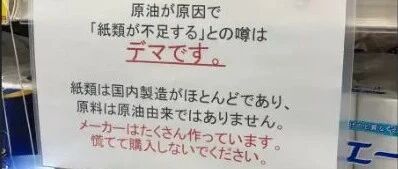
Group 1 - The core viewpoint of the article highlights a surge in consumer panic buying of essential goods in Japan due to concerns over conflicts in the Middle East, with items like toilet paper, cat food, and toiletries being hoarded [1] - A user on a social media platform reported that local pharmacies had run out of toilet paper, indicating widespread panic among the public [1] - Historical context is provided, noting that similar hoarding behaviors occurred during the 1973 oil crisis, the 2011 earthquake and tsunami, and the COVID-19 pandemic, suggesting a pattern of consumer behavior in response to crises [7] Group 2 - According to the Japan Household Paper Industry Association, approximately 97% of toilet paper is made from recycled paper and domestic pulp, indicating no reliance on Middle Eastern imports [5] - The Ministry of Economy, Trade and Industry of Japan urged consumers to refrain from panic buying and to make rational purchasing decisions based on accurate information [6]

经济回暖前,钱不好挣,这6样东西别再买了,纯属浪费钱
Sou Hu Cai Jing· 2025-05-24 03:23
Core Viewpoint - The article discusses the challenges faced by businesses and individuals in the current economic climate, emphasizing the need for cost-cutting measures due to declining profits and increased difficulty in generating income [1]. Group 1: Economic Challenges - The impact of the COVID-19 pandemic has led to a sluggish real economy, resulting in layoffs and salary cuts for many companies [1]. - Business owners express that it has become increasingly difficult to secure orders, leading to thinner profit margins [1]. Group 2: Cost-Cutting Recommendations - The article suggests six items that should not be purchased to save money until the economy improves: - **Storage Boxes**: Excessive storage boxes are unnecessary; it is better to declutter and keep only essential items [3]. - **Cosmetics**: Hoarding cosmetics is wasteful; it is recommended to buy only what is needed and use it before purchasing more [4][6]. - **Clothing**: Many young people buy excessive new clothes; it is advised to keep a limited number of versatile outfits instead [8]. - **Personal Care Products**: Expensive shampoos and body washes are not necessary; affordable alternatives can provide similar quality [8]. - **Books**: Buying numerous books is impractical; borrowing from libraries or purchasing e-books is a more economical option [9]. - **Disposable Items**: Using reusable items instead of disposables can save money and reduce waste [11].