三得利啤酒

Search documents
“附近药店的卫生纸卖光了!”中东战火下日本卫生纸恐慌重现
凤凰网财经· 2026-03-23 11:58
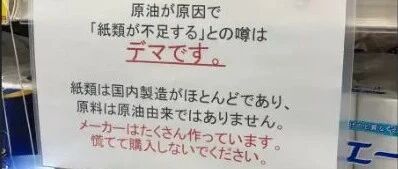
Group 1 - The core viewpoint of the article highlights a surge in consumer panic buying of essential goods in Japan due to concerns over conflicts in the Middle East, with items like toilet paper, cat food, and toiletries being hoarded [1] - A user on a social media platform reported that local pharmacies had run out of toilet paper, indicating widespread panic among the public [1] - Historical context is provided, noting that similar hoarding behaviors occurred during the 1973 oil crisis, the 2011 earthquake and tsunami, and the COVID-19 pandemic, suggesting a pattern of consumer behavior in response to crises [7] Group 2 - According to the Japan Household Paper Industry Association, approximately 97% of toilet paper is made from recycled paper and domestic pulp, indicating no reliance on Middle Eastern imports [5] - The Ministry of Economy, Trade and Industry of Japan urged consumers to refrain from panic buying and to make rational purchasing decisions based on accurate information [6]

叶国富:名创优品,是我在日本逛街逛出来的
创业家· 2025-11-19 10:13
Core Insights - The article emphasizes the importance of focusing on product quality in retail, regardless of whether the sales channel is online or offline [6][7][14] - It highlights the unique shopping experience that physical stores can provide, which often leads to impulse purchases that online platforms cannot replicate [6][14] Group 1: Retail Strategy - The company believes that the core of future offline retail lies in creating an enjoyable shopping experience, where consumers discover products they like while browsing [6][14] - The article suggests that successful retail strategies should follow consumer behavior and learn from successful models, such as Japanese stores [6][14] - It mentions that many retail brands still rely heavily on offline sales, with online sales accounting for only about 10% of total sales for some brands like Miniso [6][14] Group 2: Learning from Japanese Brands - The article discusses a learning trip to Japan to understand how Japanese brands thrive in low-growth environments, focusing on their operational strategies [10][14] - It highlights that Japanese brands have adapted to low-growth periods by focusing on customer expectations and making small innovations rather than pursuing disruptive changes [14][15] - The article emphasizes the importance of understanding consumer needs through direct engagement and observation, as demonstrated by successful Japanese brands [14][15][17] Group 3: Product Development and Innovation - The article points out that successful companies like FANCL and Suntory focus on product quality and consumer feedback to drive innovation [19][25] - It mentions that companies should not rely solely on data but should also engage with the physical product to ensure quality and consumer satisfaction [18][25] - The article illustrates how brands like Kikkoman and WORKMAN have successfully filled market gaps by understanding specific consumer needs and preferences [17][19]


比农夫山泉多赚4倍!年赚1651亿的日本饮料,正在掏空普通人钱包
Sou Hu Cai Jing· 2025-09-02 08:09
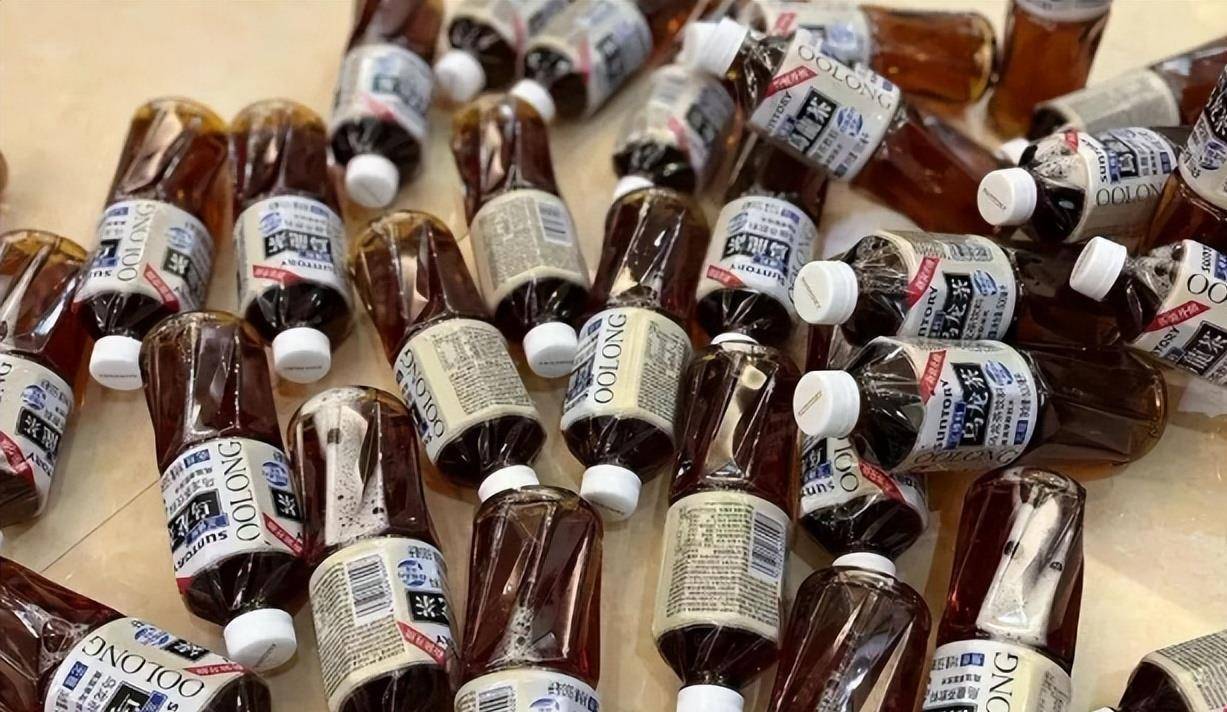
Core Insights - Suntory has established itself as a significant player in the Chinese beverage market, generating annual revenues in the hundreds of billions, despite being a Japanese brand perceived as a local product by many consumers [2][3] Historical Context - Suntory entered the Chinese market in 1984 by establishing a joint venture in Shanghai, initially focusing on beer and beverages, quickly becoming a market leader in beer sales within four years [3] - The company launched its first sugar-free tea drink in 1997, but it struggled to gain traction until the health trend emerged, leading to a significant increase in demand for sugar-free products starting in 2016 [3][5] - Suntory's sales of its Oolong tea surged by 80% in 2021, followed by 120% in 2022 and an impressive 200% in 2023, solidifying its position in the sugar-free tea market [3] Localization Strategy - Suntory has implemented a well-thought-out localization strategy, promoting its Oolong tea as sourced from Fujian and incorporating traditional Chinese cultural elements in its advertising [5][6] - The company has minimized Japanese branding in its product packaging, opting for prominent Chinese characters and traditional imagery to create a perception of being a domestic brand [5][6] Marketing and Distribution - Suntory has leveraged celebrity endorsements from popular Chinese figures to enhance its local image and has strategically placed its products in convenience stores and online platforms to maximize visibility [6] - The company has invested heavily in securing prime shelf space in stores and has established a strong online presence across major e-commerce platforms [6] Market Challenges - Despite its successes, Suntory faces challenges as its market share in China's sugar-free tea segment has declined from 21.12% to 12.04% in 2024, while local brands like Dongfang Shuye dominate with a 69.50% market share [8] - Suntory's global revenue distribution shows that the Chinese market contributes approximately 20 to 30 billion RMB, accounting for about 12.8% of its total revenue, highlighting its importance as a growth engine [9] Product Line and Future Prospects - Suntory's product line focuses on Oolong tea and has expanded to include various flavors and health-oriented beverages, tapping into the growing market for traditional Chinese health drinks [11] - The Chinese health drink market is projected to grow significantly, with a 350% increase in 2023, indicating a promising opportunity for Suntory's new product lines [11]