
海鸥文创

Search documents
内免税店多地开业 新政“满月”免税行业有了新变化
Zhong Guo Chan Ye Jing Ji Xin Xi Wang· 2025-12-05 00:00
Core Insights - The recent policy changes by the Ministry of Finance, Ministry of Commerce, and other departments aim to enhance the duty-free shopping experience and stimulate consumer spending starting from November 1, 2025 [1] Group 1: Policy Changes and Market Impact - The new duty-free store policy allows for more flexible approval processes, enabling greater autonomy in the establishment and scaling of duty-free shops [2] - The policy simplifies the approval processes for setting up and operating duty-free stores, which is expected to improve efficiency and adapt to local market conditions [2][4] Group 2: Consumer Experience and Product Offerings - Newly opened duty-free stores are incorporating local cultural elements and offering a range of domestic products, including traditional Chinese brands and cultural items [3] - The introduction of a "national trend" section in duty-free stores aims to promote Chinese products and enhance their international competitiveness [4] - The new policy encourages duty-free stores to allocate at least 25% of their sales area to domestic products, further supporting the "going global" strategy for Chinese goods [4] Group 3: Shopping Experience Enhancements - The new regulations include online reservation services for duty-free products, allowing travelers to pre-order items based on their travel itineraries [4] - This initiative aims to improve the shopping experience by ensuring that products are ready for pickup at designated locations, catering to the needs of travelers [4]
政策“满月” 多维度解锁免税行业新变化、新亮点
Sou Hu Cai Jing· 2025-12-02 03:46
Core Viewpoint - The recent policy changes regarding duty-free shops in China aim to enhance consumer spending and support the growth of the duty-free industry, with new stores opening in major cities and a focus on promoting domestic products [1][9]. Group 1: Policy Changes and Industry Impact - The Ministry of Finance, Ministry of Commerce, Ministry of Culture and Tourism, and other departments have issued a notification to improve duty-free shop policies starting November 1, 2025, to boost consumption [1]. - The new policy allows for more autonomy in the establishment and scale of duty-free shops, indicating a shift towards a more market-driven approach [9]. - The approval process for setting up and operating duty-free shops has been simplified, enhancing efficiency and allowing local governments to optimize shop layouts based on regional characteristics [11]. Group 2: New Store Openings - The first city-based duty-free shop in Tianjin has opened in a central commercial area, featuring a mix of duty-free and taxable zones, catering to travelers with outbound tickets [4]. - A new city-based duty-free shop has also opened in Xi'an, incorporating local cultural elements into its design and product offerings, creating a unique shopping experience [7]. Group 3: Promotion of Domestic Products - The new city-based duty-free shops are increasing the availability of domestic products, including traditional Chinese brands and cultural items, to enhance consumer choice [12][14]. - The customs authority has introduced measures to support the sale of domestic products in duty-free shops, with plans to include a wider range of goods such as electronics and health products [16]. - The policy encourages duty-free shops to allocate at least 25% of their sales area to domestic products, aiming to boost the market recognition and international competitiveness of Chinese goods [21]. Group 4: Enhanced Consumer Experience - The new regulations aim to improve the shopping experience by introducing online reservation services for duty-free products, allowing travelers to pre-order items based on their travel schedules [26].

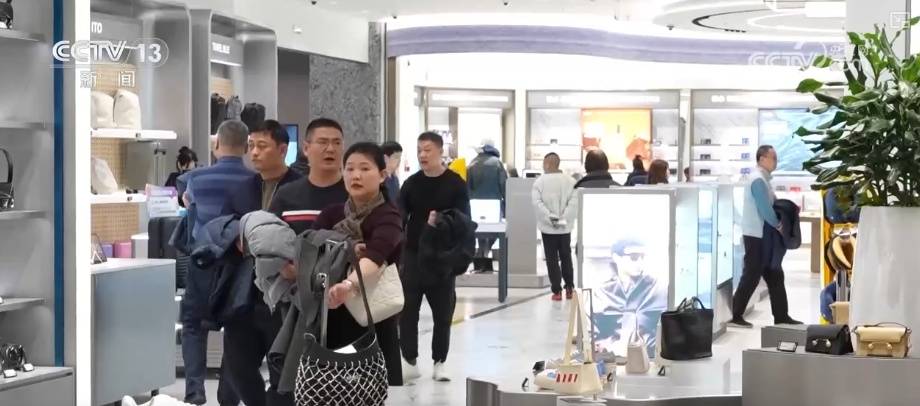
观察解读·政策“满月” 多维度解锁免税行业新变化、新亮点
Yang Shi Wang· 2025-12-02 03:06
Core Viewpoint - The recent policy changes regarding duty-free shops in China aim to boost consumer spending and enhance the shopping experience for travelers, with a focus on promoting domestic products and simplifying the establishment and operation of duty-free stores [1][7]. Group 1: Policy Changes and Impacts - The Ministry of Finance, Ministry of Commerce, Ministry of Culture and Tourism, and other departments have jointly issued a notification to improve the duty-free shop policy starting from November 1, 2025, to support consumer spending [1]. - The new policy simplifies the approval processes for establishing and operating duty-free shops, allowing for more autonomy in the market and potentially increasing the number of stores [5][7]. Group 2: New Store Openings - The first city duty-free shop in Tianjin opened in late November, located in a central commercial area, offering a range of luxury goods such as perfumes, cosmetics, watches, sunglasses, and jewelry [4]. - A new city duty-free shop also opened in Xi'an, incorporating local cultural elements into its product design and store decor, creating a unique shopping experience [5]. Group 3: Promotion of Domestic Products - The newly opened city duty-free shops have dedicated areas for domestic products, featuring traditional Chinese brands and cultural heritage items, thus providing tourists with more options [9][11]. - The policy encourages duty-free shops to allocate at least 25% of their sales area to domestic products, enhancing the market recognition and international competitiveness of Chinese goods [14]. Group 4: Enhanced Shopping Experience - The new regulations aim to improve the shopping experience by introducing online reservation services for duty-free products, allowing travelers to pre-order items based on their travel itineraries [16].
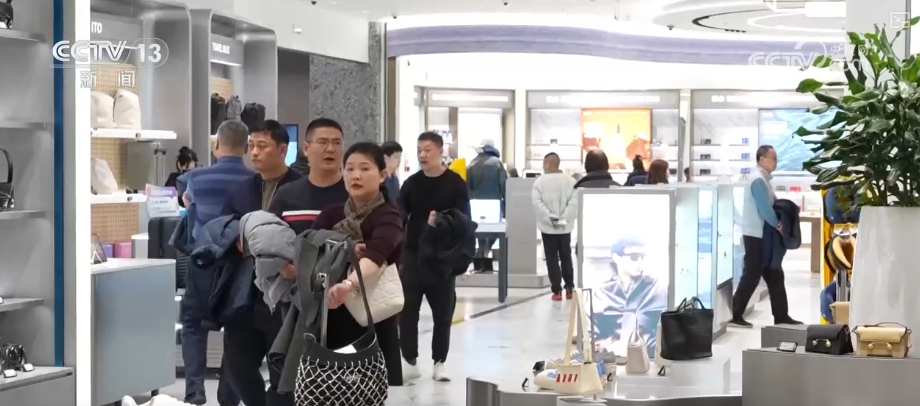
市内免税店多地开业 新政“满月”免税行业有了新变化
Yang Shi Xin Wen· 2025-12-01 23:43
Core Viewpoint - The recent policy changes regarding duty-free shops in China aim to enhance consumer spending and support the growth of domestic products in the duty-free market, with new stores opening in major cities like Tianjin and Xi'an [1][2][3]. Group 1: Policy Changes and Market Impact - The Ministry of Finance, Ministry of Commerce, and other departments have issued a notification to improve duty-free shop policies starting November 1, 2025, to boost consumption [1]. - The new policy relaxes approval processes for duty-free shops, allowing for more autonomy in establishing and scaling operations, which is expected to enhance market vitality [2]. - Duty-free shops are now required to allocate at least 25% of their sales area to domestic products, promoting the international competitiveness of Chinese goods [4]. Group 2: Consumer Experience and Product Offerings - New duty-free shops are incorporating local cultural elements and offering a variety of domestic products, including traditional Chinese brands and cultural items, to attract consumers [3][4]. - The introduction of online reservation services for duty-free products aims to improve the shopping experience for travelers, allowing them to pre-order items based on their travel schedules [4]. - The focus on domestic products in duty-free shops is part of a broader strategy to encourage the export of Chinese culture and goods, with plans to introduce more electronic products and health foods in the future [3][4].