
国潮商品

Search documents
假期首日消费市场“开门红”
Xin Lang Cai Jing· 2026-02-15 20:08
Group 1 - The sales revenue of 473 monitored commercial enterprises in the city reached 530 million yuan on the first day of the Spring Festival holiday, representing a year-on-year increase of 32.5% [1] - The number of customers visiting stores reached 2.634 million, an increase of 27.7% year-on-year [1] - Key commercial districts in the city have entered "Spring Festival mode," with sales and customer traffic both rising significantly [1] Group 2 - The sales revenue of 250 monitored catering enterprises increased by 12.1% year-on-year, indicating a peak in customer traffic during the holiday [2] - Traditional New Year's Eve dinners, innovative fusion dishes, and hot pot have become popular choices for family meals [2] - The sales revenue and customer traffic of 65 monitored chain supermarkets increased by 19.3% and 24.7% year-on-year, respectively [2] Group 3 - The demand for services such as housekeeping and car maintenance surged, with order volumes reaching over three times the normal levels [3] - The trading volume in six monitored key agricultural product wholesale markets increased by 9.4% year-on-year on the first day of the holiday [3] - Supply in agricultural markets, supermarkets, and vegetable markets is abundant, with some stores increasing their stock levels by 1.5 times compared to the same period last year [3]
珠免集团:主业聚焦、品类扩容、政策红利可期-20260214
GUOTAI HAITONG SECURITIES· 2026-02-14 13:25
Investment Rating - The report gives an "Accumulate" rating for the company with a target price of 10.75 CNY [6][22]. Core Insights - The company focuses on its duty-free core business, accelerates category expansion, and benefits from policy dividends, leading to expected high growth in performance [2]. - The company is positioned to benefit from new duty-free store openings at Hengqin Port and Sanya Island, contributing to revenue growth [4]. - The financial forecast predicts revenues of 39.70 billion CNY, 39.74 billion CNY, and 44.80 billion CNY for 2025-2027, with net profits of -1.056 billion CNY, 468 million CNY, and 628 million CNY respectively [17][19]. Summary by Sections Investment Proposal - The report suggests an "Accumulate" rating based on strong growth potential and category expansion [6][22]. - The target price is set at 10.75 CNY, reflecting a 43x PE ratio for 2026 [22]. Company Overview - The company is deepening its layout in the Greater Bay Area and aims to become a national leader in the duty-free sector [24]. - It operates 18 duty-free businesses across various ports, enhancing its national penetration strategy [24]. Financial Forecast - The company expects significant revenue growth in its duty-free segment, driven by increased passenger flow and new product categories [19]. - The financial summary indicates a projected total revenue of 6,997 million CNY for 2023, with a significant increase in gross profit margins expected in the coming years [5][21]. Duty-Free Business Growth - The company has established a strong presence in the duty-free market, with a focus on expanding its product offerings, including electronics and gold [4][34]. - The report highlights the strategic importance of the Hengqin and Gongbei ports, which are expected to drive future growth [4][28]. Policy Benefits - Recent policy changes are expected to enhance the company's competitive position in the duty-free market, particularly with the opening of new stores [29]. - The company is well-positioned to leverage its experience in various port operations to expand its market share [29].

“五九”主题消费活动即将开启 非遗和“国潮”拉满体验感
Xin Lang Cai Jing· 2026-01-25 00:45
Core Insights - The "Ninety-Nine Consumption Season" in Liaoning will launch a themed consumption event on January 26, focusing on intangible cultural heritage, "Guochao" consumption, and livelihood discounts [1] - The event aims to create new consumption scenarios and unleash winter consumption potential through multi-scenario and multi-business collaboration [1] Group 1: Event Details - The event will feature various local businesses, including traditional markets and cultural creative industries, offering discounts and cultural experience projects [1] - Key participating locations include Shenyang, Dalian, Anshan, Fushun, Dandong, Jinzhou, and Yinkou, promoting the integration of traditional customs with new consumption [1] Group 2: Participation and Promotions - Businesses across multiple sectors, including retail, dining, tourism, and automotive, will participate by offering discounts and subsidies to stimulate winter consumption [2] - Notable promotions include discounted tickets for local attractions and special offers from commercial complexes, enhancing consumer experience through cultural performances and exhibitions [2] Group 3: Financial Institution Involvement - Financial institutions, such as Postal Savings Bank of Liaoning, are actively participating by providing various consumer discounts and services, benefiting over 20,000 merchants [2]
海南“十五五”规划建议:推动“买全球精品” 促进免税购物提质升级
Mei Ri Jing Ji Xin Wen· 2025-12-10 02:37
Core Viewpoint - The Hainan Provincial Government has released suggestions for the 15th Five-Year Plan, emphasizing the enhancement of consumption strategies and promoting global premium products [1] Group 1: Consumption Strategies - The plan aims to optimize three key consumption areas, focusing on promoting "buying global premium products" [1] - It includes initiatives to upgrade duty-free shopping and explore supply options such as national trends, exclusive Hainan products, and technological innovations [1] Group 2: Supply Structure - The strategy involves the orderly construction of a multi-layered supply structure that includes "offshore duty-free + domestic residents' daily consumer goods duty-free + cross-border e-commerce" [1] - This approach is designed to enhance the overall consumer experience and product availability in Hainan [1] Group 3: Event Promotion - The plan also aims to continuously enhance the scale and influence of the China International Consumer Products Expo [1]
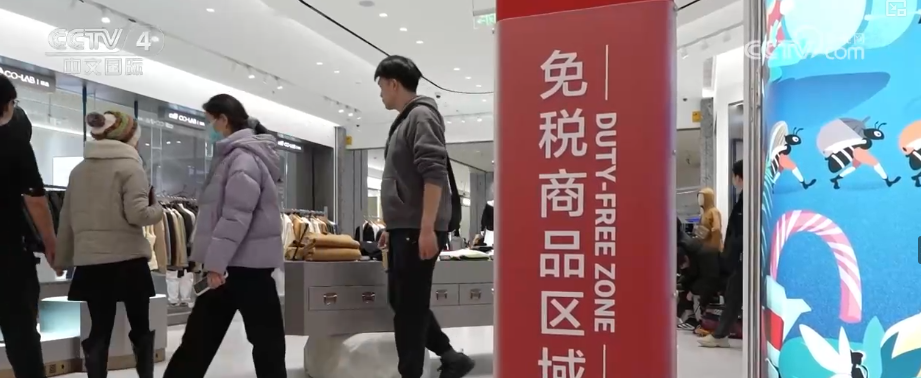
观察·国货潮品成新亮点 政策暖风创新发力激活免税经济多维活力
Yang Shi Wang· 2025-12-02 07:09
Core Viewpoint - The recent upgrade of China's duty-free shop policy, effective from November 1, aims to expand the range of products available and enhance the shopping experience for travelers, thereby boosting the duty-free economy [1] Group 1: Policy Changes - The upgraded duty-free policy broadens the scope of benefits, catering to diverse consumer shopping needs and increasing the attractiveness of duty-free shops for inbound and outbound travelers [1] - The new policy allows for more domestic products to be sold in duty-free shops, including traditional Chinese brands and cultural heritage items [8] Group 2: Store Openings and Offerings - The first city-based duty-free shop in Tianjin opened on November 28, featuring a business model that combines duty-free and taxable goods, as well as online and offline sales [5] - The duty-free shop in Xi'an incorporates local cultural elements into product design and store decoration, creating a new consumption scene [11] Group 3: Market Dynamics - The relaxation of approval processes for duty-free shops grants more autonomy in establishing and scaling operations, allowing for tailored offerings based on local market conditions [14] - The introduction of online reservation services for duty-free products enhances the shopping experience for travelers, enabling them to pre-order items based on their travel itineraries [17]

政策“满月” 多维度解锁免税行业新变化、新亮点
Sou Hu Cai Jing· 2025-12-02 03:46
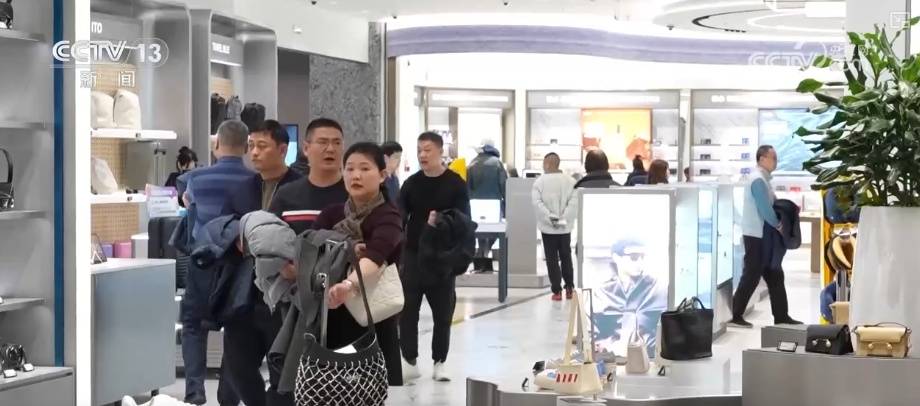
Core Viewpoint - The recent policy changes regarding duty-free shops in China aim to enhance consumer spending and support the growth of the duty-free industry, with new stores opening in major cities and a focus on promoting domestic products [1][9]. Group 1: Policy Changes and Industry Impact - The Ministry of Finance, Ministry of Commerce, Ministry of Culture and Tourism, and other departments have issued a notification to improve duty-free shop policies starting November 1, 2025, to boost consumption [1]. - The new policy allows for more autonomy in the establishment and scale of duty-free shops, indicating a shift towards a more market-driven approach [9]. - The approval process for setting up and operating duty-free shops has been simplified, enhancing efficiency and allowing local governments to optimize shop layouts based on regional characteristics [11]. Group 2: New Store Openings - The first city-based duty-free shop in Tianjin has opened in a central commercial area, featuring a mix of duty-free and taxable zones, catering to travelers with outbound tickets [4]. - A new city-based duty-free shop has also opened in Xi'an, incorporating local cultural elements into its design and product offerings, creating a unique shopping experience [7]. Group 3: Promotion of Domestic Products - The new city-based duty-free shops are increasing the availability of domestic products, including traditional Chinese brands and cultural items, to enhance consumer choice [12][14]. - The customs authority has introduced measures to support the sale of domestic products in duty-free shops, with plans to include a wider range of goods such as electronics and health products [16]. - The policy encourages duty-free shops to allocate at least 25% of their sales area to domestic products, aiming to boost the market recognition and international competitiveness of Chinese goods [21]. Group 4: Enhanced Consumer Experience - The new regulations aim to improve the shopping experience by introducing online reservation services for duty-free products, allowing travelers to pre-order items based on their travel schedules [26].
观察解读·政策“满月” 多维度解锁免税行业新变化、新亮点
Yang Shi Wang· 2025-12-02 03:06
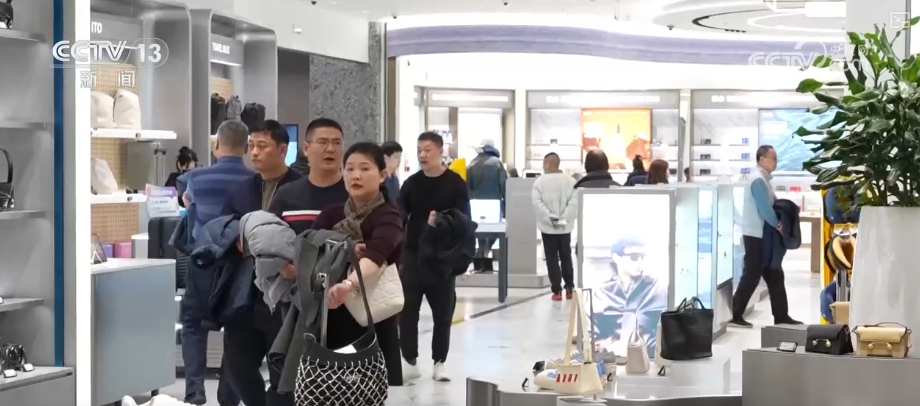
Core Viewpoint - The recent policy changes regarding duty-free shops in China aim to boost consumer spending and enhance the shopping experience for travelers, with a focus on promoting domestic products and simplifying the establishment and operation of duty-free stores [1][7]. Group 1: Policy Changes and Impacts - The Ministry of Finance, Ministry of Commerce, Ministry of Culture and Tourism, and other departments have jointly issued a notification to improve the duty-free shop policy starting from November 1, 2025, to support consumer spending [1]. - The new policy simplifies the approval processes for establishing and operating duty-free shops, allowing for more autonomy in the market and potentially increasing the number of stores [5][7]. Group 2: New Store Openings - The first city duty-free shop in Tianjin opened in late November, located in a central commercial area, offering a range of luxury goods such as perfumes, cosmetics, watches, sunglasses, and jewelry [4]. - A new city duty-free shop also opened in Xi'an, incorporating local cultural elements into its product design and store decor, creating a unique shopping experience [5]. Group 3: Promotion of Domestic Products - The newly opened city duty-free shops have dedicated areas for domestic products, featuring traditional Chinese brands and cultural heritage items, thus providing tourists with more options [9][11]. - The policy encourages duty-free shops to allocate at least 25% of their sales area to domestic products, enhancing the market recognition and international competitiveness of Chinese goods [14]. Group 4: Enhanced Shopping Experience - The new regulations aim to improve the shopping experience by introducing online reservation services for duty-free products, allowing travelers to pre-order items based on their travel itineraries [16].
Z世代的“双十一”消费新场景
Sou Hu Cai Jing· 2025-10-24 14:38
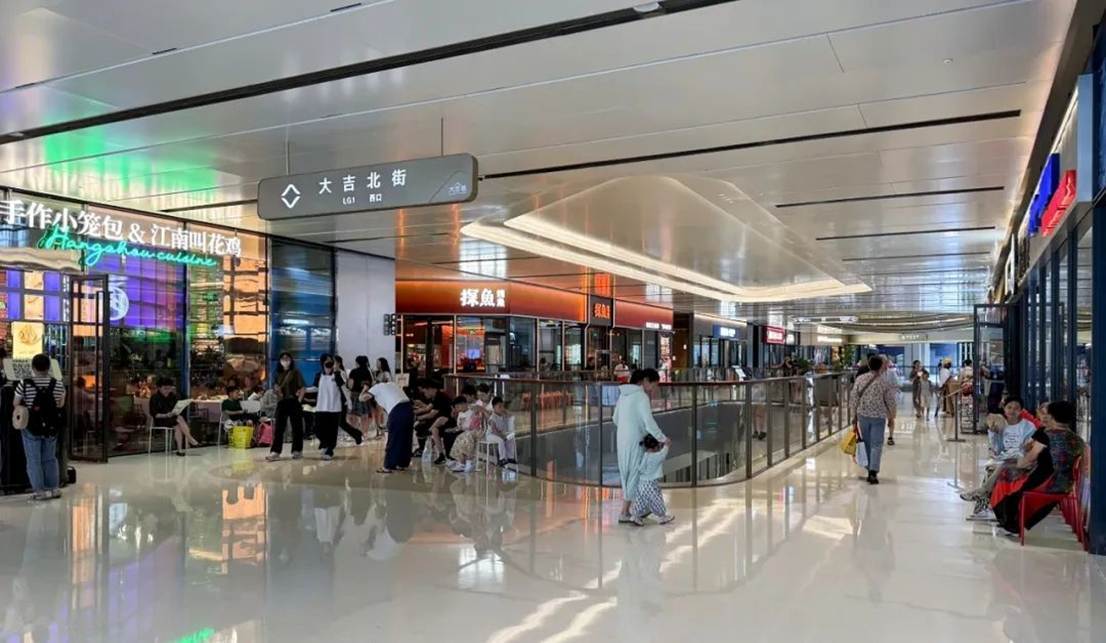
Core Insights - The integration of brand IP with fragmented reading experiences is attracting younger consumers, particularly Generation Z, who are willing to pay a premium for emotional value [1] - The shift from universal subsidies to targeted subsidies in Beijing's consumption policies aligns with the needs of Generation Z, focusing on essential household products and smart home devices [3] - The rapid logistics improvements, including "minute-level delivery" and reduced delivery times, enhance consumer experience and meet the demands of fast-paced urban lifestyles [4] Group 1: Consumer Behavior and Trends - Young consumers are increasingly motivated by emotional value and personal interests, with over 40% of them willing to spend for these reasons [1] - The upcoming Double Eleven shopping festival in Beijing is characterized by government subsidies and platform discounts, making it easier for consumers to shop without extensive preparation [2] - The emergence of new shopping experiences, such as unique brand offerings and cultural integration in shopping districts, reflects the evolving preferences of younger consumers [5][8] Group 2: Policy and Economic Impact - Beijing's policies, including the implementation of digital product purchase subsidies and consumption vouchers, are designed to stimulate consumer spending and upgrade consumption structures [3] - The targeted subsidy strategy for 2025 focuses on essential goods, aligning with the consumption characteristics of Generation Z, which prioritize both necessity and quality [3] - The government's collaboration with platforms to provide financial incentives ensures that subsidy funds are directed towards meeting consumer needs effectively [3] Group 3: Logistics and Delivery Innovations - The introduction of advanced logistics technologies has significantly improved delivery times, with some products being delivered within minutes, compared to previous delays of days [4] - Companies like JD Logistics and Cainiao are leveraging technology to enhance delivery efficiency, which is crucial for meeting the expectations of modern consumers [4] - The support from government policies aimed at reducing logistics costs further facilitates the development of a more efficient logistics ecosystem in Beijing [4] Group 4: Cultural and Market Dynamics - The rise of new shopping districts, such as Dajixiang, showcases a blend of traditional and modern consumer experiences, attracting young shoppers with unique offerings [5][8] - The focus on local cultural elements and the promotion of domestic brands align with government initiatives to foster a new wave of consumer trends [7][8] - The revitalization of historical neighborhoods through modern retail experiences reflects a strategic approach to enhance urban consumer environments while preserving cultural heritage [8]
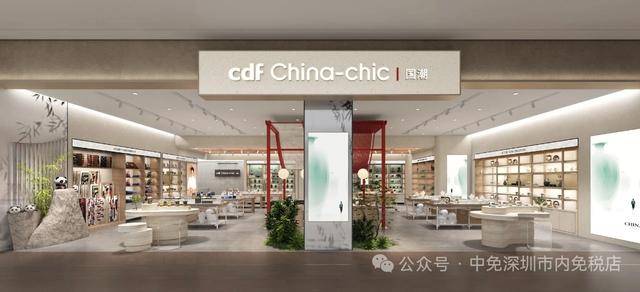
明天开业!深圳市内免税店国潮主题区来了
Sou Hu Cai Jing· 2025-10-24 12:21
Core Points - The opening of the national trend theme area in Shenzhen's duty-free store on October 25 aims to promote Chinese cultural brands globally [1][3] - The duty-free store, which opened on August 26, has established itself as a new landmark for duty-free consumption in Shenzhen with a comprehensive consumption model [1][3] - The national trend theme area features over ten Chinese brands, including national intangible cultural heritage brands and well-known porcelain brands, showcasing a variety of cultural products [3] Group 1 - The national trend theme area spans over 200 square meters and includes brands such as Jingtailan, Zhu Bingren, and Dunhuang cultural products [3] - From October 25 to November 16, the duty-free store will host a series of promotional activities, including discounts and special offers, to celebrate the opening of the national trend area and the Double Eleven shopping festival [3][5] - The "2025-2026 Shenzhen New Year Consumption Season" will continue to promote duty-free and tax refund benefits during major holidays, enhancing the shopping experience [5][6] Group 2 - The store will implement measures to activate duty-free and tax refund consumption, including "immediate purchase and refund" options and improved electronic refund channels [6]
364台演出+500项活动 北京“文商旅体”组合拳激活国庆消费新势能
Xin Lang Cai Jing· 2025-10-05 23:30
Core Insights - The consumption market in Beijing is vibrant and orderly during the National Day and Mid-Autumn Festival holidays, driven by the "Jingcai Four Seasons" themed activities [1] - Over 500 promotional activities have been launched to enhance consumer experiences, integrating cultural, commercial, and tourism resources [1] Group 1 - The new Shougang Park and Apple Garden business districts saw a year-on-year increase in foot traffic of 110% and 30.2% respectively [1] - A total of 364 commercial performances and 2,102 shows were held during the same period [1] - Wangfujing commercial street, with an average daily foot traffic exceeding 450,000, focused on green consumption and domestic trends, featuring interactive humanoid robots and showcasing domestic new energy supercars [1]