
液氧煤油发动机

Search documents
宇宙人(1923期)我国成功发射可重复使用试验航天器;马斯克官宣"月球优先"战略:10年建自给自足城市;卫讯Q3扭亏净利2500万美元
Sou Hu Cai Jing· 2026-02-09 13:15
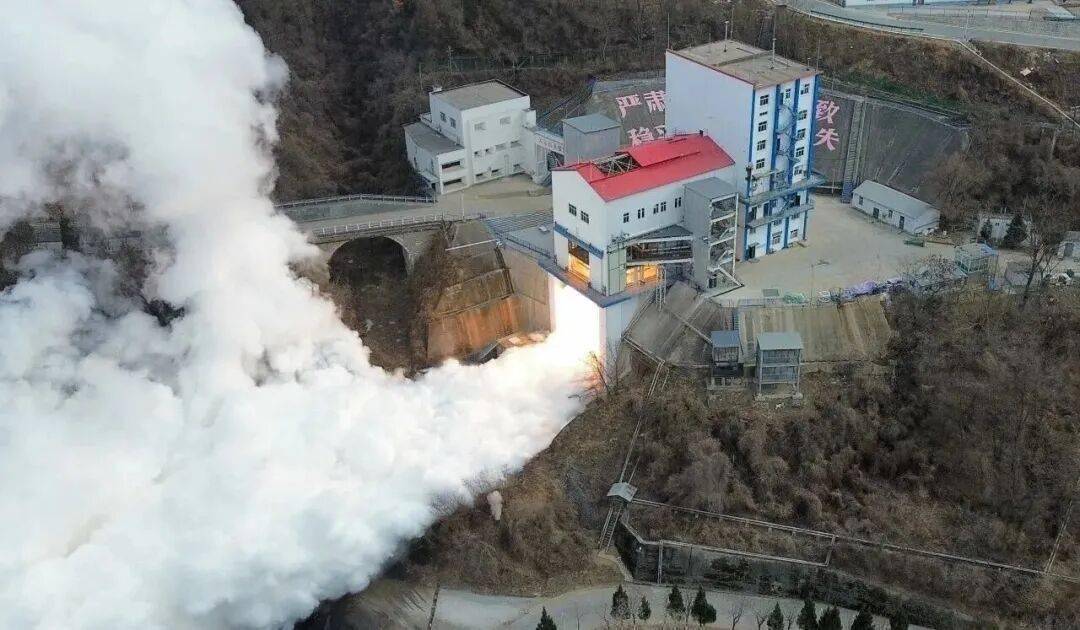
Group 1: Space Launch and Technology Development - China successfully launched a reusable experimental spacecraft on February 7, 2026, using the Long March 2F rocket, aiming to lay the foundation for low-cost space transportation [2] - The average launch cost of expendable rockets is currently between $110 million and $180 million, while fully reusable technology could reduce costs to between $2 million and $5 million, significantly promoting the commercialization of space [2] - The successful testing of the LOX-RP1 engine at the Fengzhou test site marks a significant advancement in testing capabilities, providing strong support for major space projects in China [3][5] Group 2: SpaceX Strategic Shift - Elon Musk announced a strategic shift for SpaceX, focusing on building a self-sustaining city on the Moon within 10 years, while delaying Mars city plans to over 20 years due to the logistical challenges of interplanetary travel [13][15] - The Moon city concept emphasizes self-sufficiency through robotics and automation, aligning with SpaceX's mission to extend human consciousness and life beyond Earth [15] - SpaceX has completed concept validations for using lunar regolith for construction materials and extracting oxygen and water, which are crucial for the Moon city project [15] Group 3: Satellite Communication Developments - The FCC approved Logos' deployment of 4,178 low Earth orbit satellites, expanding from an initial request of 3,960, indicating increasing competition in the satellite internet sector [18][20] - Logos' satellite constellation is designed for enterprise and government users, focusing on anti-jamming and secure communication capabilities, differentiating it from consumer-focused networks like Starlink [20][21] - Viasat reported a net profit of $25 million for Q3 2026, reversing a loss from the previous year, driven by growth in its defense and advanced technology sectors, while its communication services segment showed mixed results [22][24] Group 4: Robotics and AI Innovations - Boston Dynamics' Atlas humanoid robot has made significant advancements, now capable of performing continuous backflips, showcasing enhanced dynamic balance and agility [28]

火箭链产业真实进展几何
2026-01-26 02:49
Summary of Key Points from the Conference Call Industry Overview - The conference call primarily discusses the developments in the commercial aerospace industry, specifically focusing on the Long March 12B rocket and its implications for satellite launches and the broader market dynamics in China [1][2][7]. Core Insights and Arguments - **Order Volume and Financials**: The expected order value for the Long March 12B rocket is close to 10 billion RMB, with a conservative estimate of 48 to 68 launch missions planned, primarily for the StarNet's first-generation enhancement and second-generation satellite constellation [1][2]. - **Launch Cost Structure**: The assessment of rocket costs is shifting from development costs to a per-kilogram launch service fee, with a domestic target of around 20,000 RMB per kilogram, compared to SpaceX's pricing of approximately 2,000 to 3,000 USD per kilogram [1][5]. - **Rocket Specifications**: The Long March 12B rocket is designed to have a maximum payload capacity of 17-18 tons, depending on the recovery method used. The total launch cost is calculated based on the actual weight of the satellites being launched [1][8]. - **Technical Maturity**: Although the Long March 12B has not yet flown, its engine design aligns with established solutions, and it has undergone multiple ground static fire tests, indicating a high probability of successful first flight expected around 2026 [1][6]. - **Market Demand**: There is a pressing need to rapidly increase launch capacity to meet the demand for satellite launches, with the Long March 12B's capabilities aligning well with this requirement [7]. Additional Important Content - **Technological Challenges**: The development of liquid rocket engines involves high technical barriers, including design complexity and precision manufacturing, with each static fire test costing between 800,000 to 1 million RMB [3][10]. - **Future Launch Plans**: Upcoming significant launches include the second flight of the Long March 12A and the Long March 12甲, which are expected to occur after the New Year, marking historical milestones [9]. - **Engine Development**: The Long March 12B's first stage uses a 110-ton thrust engine, with the total engine value estimated at around 50 million RMB. The development of liquid engines is primarily handled by state-owned enterprises, indicating a high entry barrier for new competitors [10][18]. - **Cost Management Strategies**: To achieve profitability, commercial rocket companies must reduce launch costs below 20,000 RMB per kilogram, which can be accomplished through either lowering manufacturing costs or achieving reusability of rockets [18][19]. This summary encapsulates the critical aspects of the conference call, highlighting the financial, technical, and market dynamics surrounding the Long March 12B rocket and the commercial aerospace sector in China.