
火箭可重复使用

Search documents
深蓝航天创始人霍亮:打造常态化、低成本的“太空货运班车”|2026商业新愿景
Jing Ji Guan Cha Bao· 2026-02-12 16:10
Core Viewpoint - The company Deep Blue Aerospace is set to execute the first orbital flight mission of its "Yunxing-1" rocket after the 2026 Spring Festival, combining high-risk tasks of launch and recovery to complete a technical closed loop [2][3]. Group 1: Technical Objectives and Achievements - The mission aims to validate the rocket's launch and the vertical recovery of its first stage, which is considered a necessary step in engineering despite being perceived as aggressive [3]. - Prior to this mission, the company conducted several vertical takeoff and landing (VTVL) flight tests, accumulating hundreds of seconds of flight data to verify the deep throttling capability of its liquid oxygen-kerosene engine and the navigation accuracy of its control algorithms during landing [3]. - The company has developed a 130-ton liquid oxygen-kerosene engine, "Thunder-RS," which features over 85% of its core components manufactured using metal 3D printing technology [4]. Group 2: Manufacturing Innovations - The adoption of 3D printing technology aims to address manufacturing consistency issues and significantly reduce costs, enhancing the engine's structural reliability under high-frequency reuse conditions [5]. - The "Thunder-RS" engine is designed with a thrust adjustment capability of 50% to 110%, which is crucial for precise control of descent speed and achieving soft landings [5]. - The core value of reusable rockets lies in reducing the cost of space access, with estimates suggesting that reusing the first stage could lower the cost per launch by 60% to 70% compared to single-use models [5]. Group 3: Strategic Focus and Market Positioning - In 2026, the company's focus will shift from technical breakthroughs to system operations, aiming for high-frequency, reliable launches and establishing standardized, rapid reuse processes [6]. - The company has a tiered product strategy, with "Yunxing-1" targeting the customized launch market for small and medium-sized satellites, while the upcoming "Yunxing-2" aims to serve the 18-ton market for large-scale satellite constellations [6]. - The company recognizes the critical transition period for China's commercial space sector, emphasizing the need to enhance engineering integration capabilities and gain experience in high-frequency flight iterations to compete with global leaders like SpaceX [6]. Group 4: Long-term Goals - The long-term objective of Deep Blue Aerospace is to become a provider of regular, low-cost space transportation services, focusing on practical engineering innovations rather than conceptual innovations [7].


火箭链产业真实进展几何
2026-01-26 02:49
Summary of Key Points from the Conference Call Industry Overview - The conference call primarily discusses the developments in the commercial aerospace industry, specifically focusing on the Long March 12B rocket and its implications for satellite launches and the broader market dynamics in China [1][2][7]. Core Insights and Arguments - **Order Volume and Financials**: The expected order value for the Long March 12B rocket is close to 10 billion RMB, with a conservative estimate of 48 to 68 launch missions planned, primarily for the StarNet's first-generation enhancement and second-generation satellite constellation [1][2]. - **Launch Cost Structure**: The assessment of rocket costs is shifting from development costs to a per-kilogram launch service fee, with a domestic target of around 20,000 RMB per kilogram, compared to SpaceX's pricing of approximately 2,000 to 3,000 USD per kilogram [1][5]. - **Rocket Specifications**: The Long March 12B rocket is designed to have a maximum payload capacity of 17-18 tons, depending on the recovery method used. The total launch cost is calculated based on the actual weight of the satellites being launched [1][8]. - **Technical Maturity**: Although the Long March 12B has not yet flown, its engine design aligns with established solutions, and it has undergone multiple ground static fire tests, indicating a high probability of successful first flight expected around 2026 [1][6]. - **Market Demand**: There is a pressing need to rapidly increase launch capacity to meet the demand for satellite launches, with the Long March 12B's capabilities aligning well with this requirement [7]. Additional Important Content - **Technological Challenges**: The development of liquid rocket engines involves high technical barriers, including design complexity and precision manufacturing, with each static fire test costing between 800,000 to 1 million RMB [3][10]. - **Future Launch Plans**: Upcoming significant launches include the second flight of the Long March 12A and the Long March 12甲, which are expected to occur after the New Year, marking historical milestones [9]. - **Engine Development**: The Long March 12B's first stage uses a 110-ton thrust engine, with the total engine value estimated at around 50 million RMB. The development of liquid engines is primarily handled by state-owned enterprises, indicating a high entry barrier for new competitors [10][18]. - **Cost Management Strategies**: To achieve profitability, commercial rocket companies must reduce launch costs below 20,000 RMB per kilogram, which can be accomplished through either lowering manufacturing costs or achieving reusability of rockets [18][19]. This summary encapsulates the critical aspects of the conference call, highlighting the financial, technical, and market dynamics surrounding the Long March 12B rocket and the commercial aerospace sector in China.
美股异动 | Redwire(RDW.US)盘前涨近10% 马斯克称“星舰”技术将使进入太空成本降至目前的1%
智通财经网· 2026-01-23 14:35
Core Viewpoint - Redwire (RDW.US) shares rose nearly 10% to $13.11 following Elon Musk's comments at the World Economic Forum regarding SpaceX's goal to achieve fully reusable rockets this year, potentially reducing the cost of space access to below $100 per pound, which is 1% of current costs [1] Group 1 - SpaceX aims to achieve fully reusable rocket technology this year, which could significantly lower the cost of entering space [1] - The cost of space access could drop to below $100 per pound, representing a 99% reduction from current costs [1] - Elon Musk is reportedly pushing for SpaceX's initial public offering (IPO) to be completed by July this year [1]

2026年,中国航天将带来惊喜连连
Xin Lang Cai Jing· 2026-01-02 17:26
Group 1: Achievements in China's Space Industry - The Long March series rockets have successfully surpassed 600 launches, marking a significant milestone for China's space endeavors [1] - The Shenzhou missions have completed emergency tasks, and the lunar exploration is progressing steadily, with the Tianwen-2 mission set to explore asteroid 2016HO3 [2] - The first crewed lunar landing mission is being prepared, with the Long March 10 rocket and the new crewed spacecraft, Dream Boat, set to conduct its maiden flight [1][2] Group 2: Future Plans and Developments - In 2023, the Shenzhou-23 mission will include a crew member conducting a long-term stay in space for over a year, a first in China's space history [1] - The Tianzhou-10 cargo spacecraft will continue to supply astronauts with necessary resources for various scientific experiments in the space laboratory [1] - The Chang'e-7 mission will aim to land on the Moon's south pole to explore environmental conditions and resources, particularly the presence of water [2] Group 3: Commercial Space Initiatives - The commercial space sector is expected to enhance its capabilities with the launch of new rockets like the Lijian-2 and Zhuque-3, focusing on reusable rocket technology [3] - Increased frequency and scale of commercial launches will support the rapid deployment of satellite constellations, contributing to the development of a sustainable space economy [3] - The industry aims to align with global space development trends and national strategic needs, viewing each completed mission as a stepping stone for future endeavors [3]
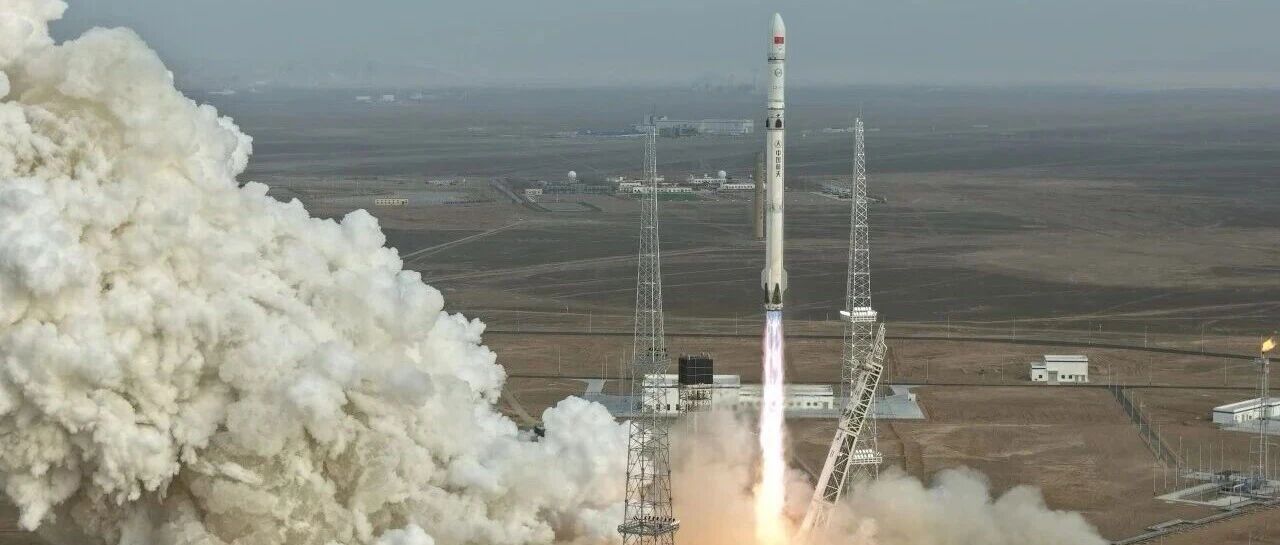
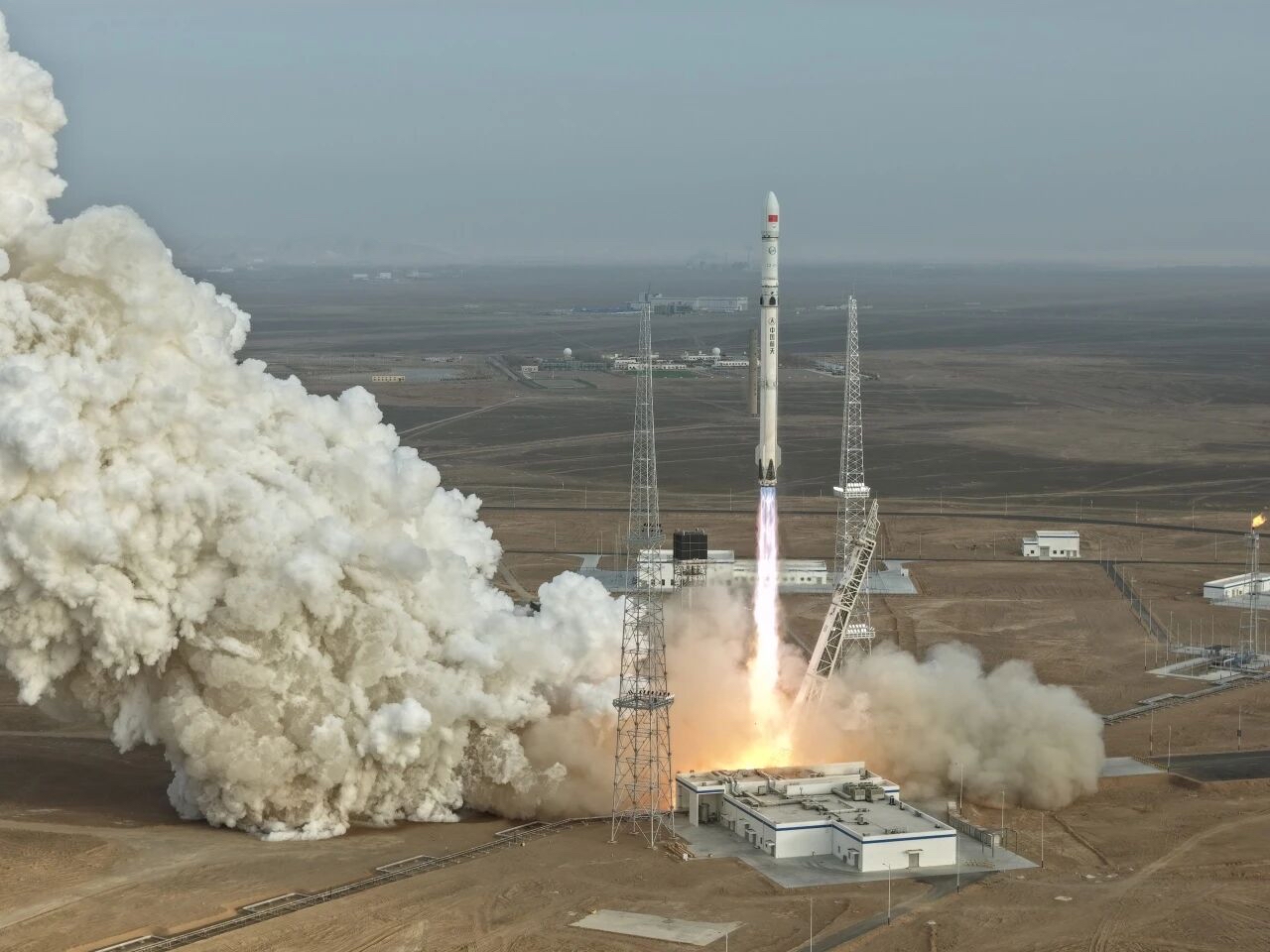
长征十二号甲可回收未果,业内称:不急,未来可回收或成标配
第一财经· 2025-12-23 05:31
Core Viewpoint - The successful launch of the Long March 12A rocket marks a significant step in China's commercial space endeavors, despite the failure to recover the first stage, as it provides critical data for future reusable rocket development [3][4]. Group 1: Rocket Launch and Development - The Long March 12A rocket was launched from the Dongfeng Commercial Space Innovation Experimental Zone, achieving basic success in its flight test despite the first stage not being recovered [3]. - The rocket is designed for reusability and is the largest single-core launch vehicle in China, with a low Earth orbit capacity of at least 12 tons and a 700 km sun-synchronous orbit capacity of at least 6 tons [3]. Group 2: Market Implications and Future Prospects - The ability to reuse rockets is becoming a core competitive metric in the commercial space market, as it significantly reduces the cost per launch amidst increasing launch frequency and demand for satellite constellations [4]. - Experts predict that future rocket designs will likely include reusable variants, reflecting a shift in technology and market needs, with the Long March 10B expected to be ready for its first flight by April 2026 [4].
长征十二号甲可回收未果,业内称:不急,未来可回收或成标配
Di Yi Cai Jing· 2025-12-23 05:14
Core Insights - The development of reusable rocket technology is becoming a standard for new rocket designs, indicating a shift in the industry towards cost-effective and efficient launch solutions [2][1] - The recent launch of the Long March 12甲 rocket, despite not achieving its recovery goal, provided critical data for future missions and the optimization of recovery strategies [1][2] Group 1: Rocket Development - The Long March 12甲 rocket is China's first 4-meter class launch vehicle and has a near-Earth orbit capacity of at least 12 tons, making it the largest single-core launch vehicle in China [1] - The development team is committed to analyzing the recent test failures to improve recovery methods and advance reusable technology [1][2] Group 2: Market Implications - The ability to reuse rockets is seen as a key competitive factor in the commercial space market, as it can significantly reduce the cost per launch [2] - The increasing demand for satellite constellations and frequent launches is driving the need for high-capacity, reusable rockets [2]
火箭发射专场
2025-12-15 01:55
Summary of Key Points from the Conference Call Industry Overview - The demand for satellite networking in China is surging, with an expected number of satellites to be launched exceeding 2,000, and the bidding amount approaching 2,000 [2][3] - The rocket launch industry is facing a "more stars than rockets" challenge, with obstacles in technology, capital, and policy [2][4] - The successful launch of the Zhuque series has alleviated market concerns, and new rockets from companies like Xinghe Power, Tianbing Technology, and others are expected to enter the market [2][5] Core Insights and Arguments - The rocket is crucial in the commercial space industry chain, serving as a core constraint for large-scale low-orbit networking [2][6] - In 2024, the U.S. is projected to complete 154 orbital missions, while China is expected to complete only 66 [6][19] - The U.S. Falcon 9 has achieved a one-click launch of 28 satellites and is reusable, while China lacks similar capabilities [6][7] - The need for large liquid commercial launch vehicles in China is urgent, with a requirement for at least 150 new rockets to meet the demand for launching approximately 24,000 low-orbit satellites from 2025 to 2030 [4][20] Challenges and Solutions - The main challenges in the rocket launch sector include high costs, insufficient capacity, and resource wastage associated with current rockets like the Long March series [4][13] - New large-capacity reusable rockets are expected to alleviate the "more stars than rockets" dilemma and promote industry growth [5][6] - The development of reusable first-stage components can significantly reduce mission costs, with potential reductions of up to 50% after 10 uses [9] User Demand Characteristics - User groups are divided into small enterprises needing small solid launch vehicles and large enterprises requiring large thrust, recoverable liquid launch vehicles [8] - Different types of users must select appropriate models based on their needs to achieve optimal economic benefits [8] Investment Opportunities - The commercial space sector is expected to see significant investment opportunities starting in 2025, particularly in rockets [18] - The upcoming launches of reusable rockets like Long March 12 and Tianlong 3 are anticipated to address the rocket capacity bottleneck [18] Technological Advancements - The use of LNG rockets is expanding, capable of executing various missions, including small satellite launches and deep space exploration [10] - 3D printing technology is being increasingly applied in commercial space, enhancing manufacturing efficiency and reducing costs [22][23] Companies to Watch - Companies such as Feilihua, Shaanxi Huada, and Aerospace Electronics are expected to benefit from the favorable market environment [17] - Key players in the future commercial space market include those involved in rocket fuel development, such as Jiufeng Energy, and companies specializing in 3D printing technology [21][22]
朱雀三号发射入轨,回收试验失败:发生异常燃烧
Zheng Quan Shi Bao· 2025-12-03 09:05
Core Points - The Zhuque-3 Yao-1 rocket successfully completed its flight mission on December 3, 2023, despite a failure in the recovery of the first stage [1] - Zhuque-3 is a new generation of low-cost, high-capacity, high-frequency, reusable liquid oxygen-methane launch vehicle developed by Landspace [1] Group 1: Rocket Specifications - Zhuque-3 features a two-stage design with a diameter of 4.5 meters for both stages and a fairing diameter of 5.2 meters, with a total length of 66.1 meters [1] - The propulsion system is based on Landspace's self-developed Tianque series liquid oxygen-methane engines [1] Group 2: Recovery and Testing - The first stage of the rocket was equipped with a reaction control system, grid fins, and landing legs for vertical return and reuse after orbital launch [1] - Although the recovery test was unsuccessful due to abnormal combustion, the mission validated the overall testing, launch, and flight process of the Zhuque-3 rocket [1] Group 3: Future Plans - The development team will conduct a comprehensive review of the test process and work to identify the cause of the failure, aiming to optimize the recovery plan for future missions [1]
朱雀三号重复使用运载火箭发射入轨,回收试验失败
Xin Hua She· 2025-12-03 06:19
Core Points - The Zhuque-3 Yao-1 rocket successfully completed its flight mission, with the second stage entering the designated orbit [1] - Zhuque-3 is a new generation of low-cost, high-capacity, high-frequency, reusable liquid oxygen-methane launch vehicle developed by Landspace [1] - The rocket features a two-stage design with a diameter of 4.5 meters for both stages and a total length of 66.1 meters [1] Summary by Sections Launch and Design - The Zhuque-3 rocket utilizes a single-core two-stage configuration and is powered by the Tianque series liquid oxygen-methane engines developed by Landspace [1] - The rocket's first stage is equipped with a reaction control system, grid fins, and landing legs for vertical return and reuse after orbital launch [1] Recovery Attempt - The mission included a recovery verification for the first stage, but an abnormal combustion occurred, preventing a soft landing at the recovery site [2] - Despite the failure to achieve the recovery goal, the mission validated the correctness and rationality of the testing, launch, and flight processes, as well as the compatibility of various system interfaces [2] Future Plans - The development team will conduct a comprehensive review of the test process and work to identify the cause of the failure, aiming to optimize the recovery plan for future missions [2] - The data obtained during the flight will serve as a crucial foundation for subsequent launches and the reliable recovery of sub-stages [2]

朱雀三号重复使用运载火箭发射入轨
Zheng Quan Shi Bao Wang· 2025-12-03 05:49
Core Viewpoint - The successful launch of the Zhuque-3 Yao-1 rocket marks a significant step for Blue Arrow Aerospace in developing a new generation of low-cost, high-capacity, and reusable launch vehicles, despite the failure of the first-stage recovery test [1] Group 1: Rocket Specifications - Zhuque-3 is a new generation liquid oxygen-methane launch vehicle developed by Blue Arrow Aerospace, featuring a two-stage design with a diameter of 4.5 meters for both stages and a height of 66.1 meters [1] - The rocket's power system is based on the self-developed Tianque series liquid oxygen-methane engines [1] - The first stage is equipped with a reaction control system, grid fins, and landing legs for vertical return and recovery after launch [1] Group 2: Mission Outcomes - The mission successfully completed the flight task, with the second stage entering the designated orbit [1] - Although the first-stage recovery verification encountered an abnormal combustion issue, preventing a soft landing at the recovery site, the overall mission validated the correctness and rationality of the testing, launch, and flight processes [1] - Key engineering data was obtained during the rocket's actual flight, laying a crucial foundation for future launch services and reliable recovery of sub-stages [1] Group 3: Future Plans - The development team plans to conduct a comprehensive review of the test process and identify the cause of the failure, aiming to optimize the recovery plan for future missions [1] - Continuous efforts will be made to advance the verification of reusability in subsequent tasks [1]