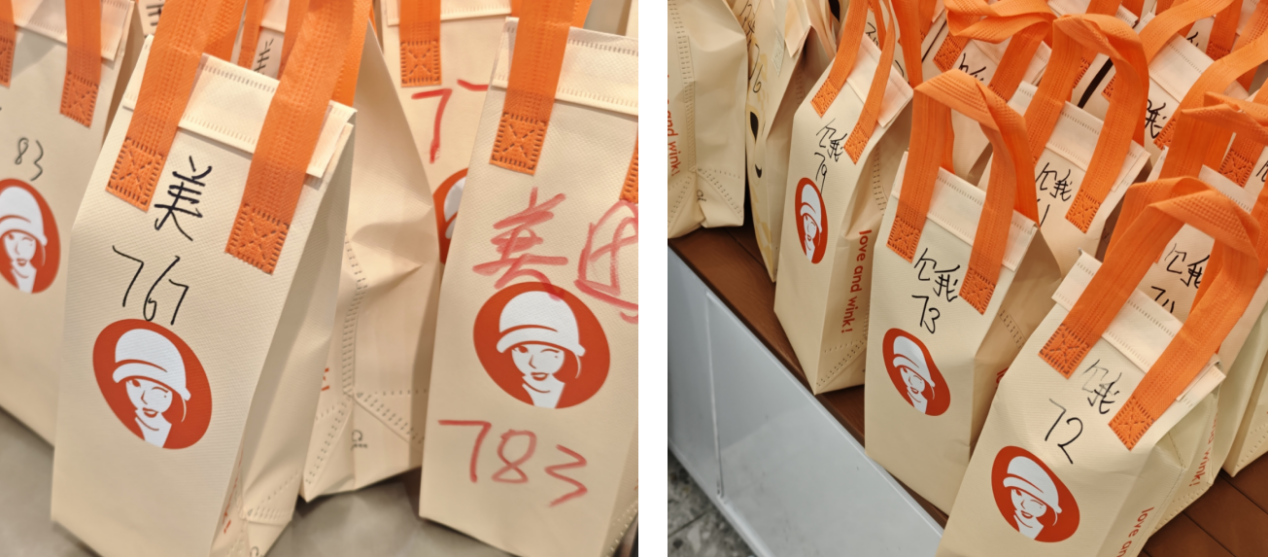
淘宝闪送

Search documents
刘强东没想到?自己主导的这场外卖大战,最终却让马云笑开了花
Sou Hu Cai Jing· 2025-08-14 05:58
Core Viewpoint - The competition between JD.com and Alibaba has shifted to the food delivery market, with both companies aiming to capture a share of the growing user base in this sector [1][12]. Group 1: Market Dynamics - JD.com has identified the food delivery market, which has 300 million daily users, as a new growth opportunity amidst declining e-commerce profitability, leading to a 50% increase in user activity on its app over six months [3][12]. - Alibaba, having previously invested heavily in Ele.me, is now responding to JD.com's move by launching "Taobao Flash Delivery" to regain lost market share [5][10]. Group 2: Business Strategies - JD.com operates its own delivery team, managing logistics internally, which has led to some operational challenges but maintains control over the service quality [6]. - In contrast, Alibaba leverages its extensive resources, including Alipay and Cainiao logistics, to potentially create a more effective integration of Ele.me and Taobao, which could outperform JD.com [8][10]. Group 3: Competitive Landscape - The resurgence of Alibaba in the food delivery market has resulted in exponential growth in its delivery business, with daily active users reaching several million, which could significantly boost its e-commerce operations [10]. - Meituan, previously a strong player in the food delivery space, faces challenges as it lacks an e-commerce counterpart to compete effectively against the two giants [10][12]. Group 4: Consumer Impact - The competition is expected to benefit consumers through increased subsidies and discounts as both companies strive to attract customers, leading to a more favorable pricing environment [12]. - However, consumers are advised to be cautious about over-relying on discounts and promotions, as the focus should remain on convenience rather than excessive coupon usage [14][16].




县城没有即时零售
3 6 Ke· 2025-07-17 12:34
Core Insights - Instant retail is thriving in first- and second-tier cities but remains largely unnoticed in lower-tier markets, indicating a significant disparity in consumer engagement and market penetration [2][4][22] Group 1: Market Dynamics - A young consumer from a top 100 county is unaware of instant retail, highlighting a lack of exposure and usage in these regions [3] - In contrast to the bustling promotions in urban areas, such as "Crazy Saturday," consumers in county towns show little interest in similar offers, indicating a disconnect between urban marketing strategies and rural consumer behavior [5][19] - Despite significant investments from major companies in instant retail, the actual consumer demand in many county markets remains stagnant, with preferences leaning towards offline shopping and traditional purchasing methods [4][10] Group 2: Consumer Behavior - Consumers in county towns prioritize price and personal relationships over convenience, often opting to buy directly from local vendors rather than using online platforms [8][10] - The perception of instant retail is that it does not meet the needs of local consumers, who prefer to verify the quality of products in person, especially for fresh produce [10][22] - Seasonal spikes in online consumption occur during holidays when urban residents return to their hometowns, but this does not translate into sustained demand for instant retail services [19][21] Group 3: Business Challenges - Instant retail platforms face significant challenges in penetrating county markets due to a lack of established supply chains and consumer awareness [12][22] - Many local businesses are hesitant to join online platforms due to limited online demand and the complexities of managing inventory and delivery logistics [13][15] - The reliance on third-party delivery services and the high costs associated with instant retail make it less appealing for local merchants, who often find better margins in traditional sales [15][22] Group 4: Future Outlook - Despite the current challenges, major companies like Meituan are still considering the potential of county markets, with plans to focus on these areas in the future [17][19] - The growth of instant retail in county areas is expected to be gradual, with a need for market education and infrastructure development to align consumer habits with service offerings [22][24] - The success of community group buying models in some counties suggests that there is potential for growth in instant retail, provided that it can adapt to local consumer preferences and economic conditions [22][24]
外卖大战再掀高潮:“免费奶茶”热搜第一 有商家周六爆单10倍 骑手凌晨送货忙
Zhong Guo Jin Rong Xin Xi Wang· 2025-07-13 03:25
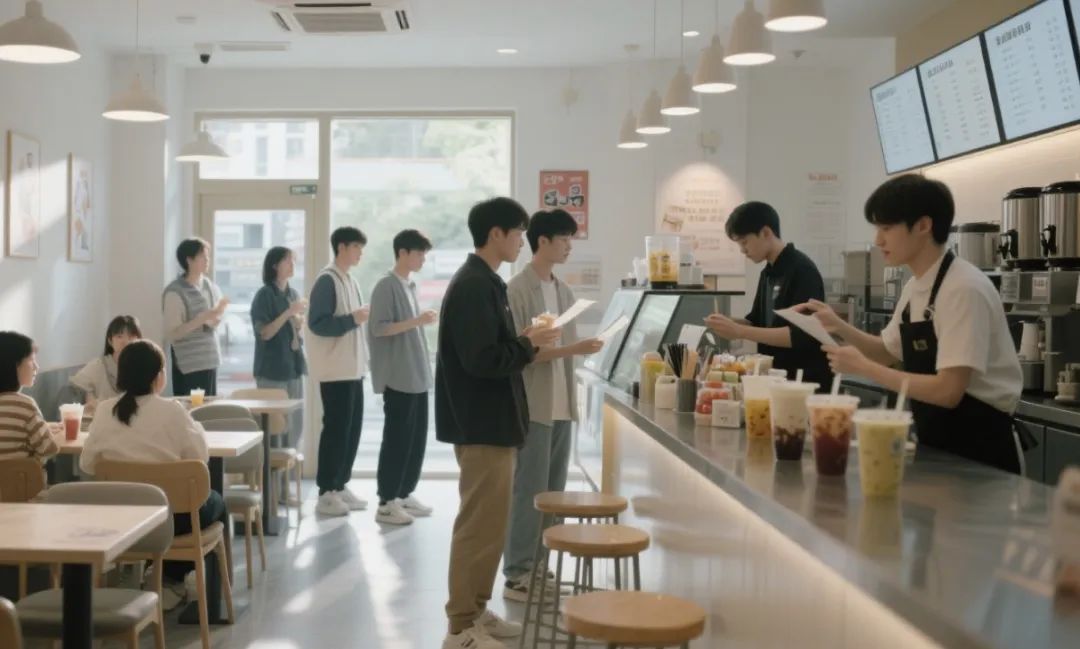
Core Viewpoint - The competition in the food delivery market is intensifying, with major players like Meituan, Taobao, and Ele.me launching aggressive promotional campaigns, leading to record-high order volumes despite concerns over profitability [1][6]. Group 1: Promotional Activities - Meituan initiated a promotional campaign offering free drinks from popular brands, resulting in a significant increase in order volume, with over 1.5 billion orders on July 12, surpassing 1.2 billion from the previous week [2][6]. - Many users shared their experiences of redeeming free drinks on social media, creating a viral effect that boosted Meituan's visibility and engagement [2]. - The store manager of a popular tea brand reported an order volume exceeding 2,000 on July 12, compared to the usual 200 on weekends, indicating a substantial impact from the promotions [2][5]. Group 2: Competitive Landscape - Ele.me and Taobao are expected to respond with their own promotional activities, indicating a competitive back-and-forth in the market [3][5]. - Despite the entry of JD.com into the food delivery sector, its presence is perceived as weak compared to Meituan's market dominance [5]. - The overall order volume for major brands in the market has significantly increased, with one tea brand reporting 800 orders on July 12, up from 400 the previous week [5]. Group 3: Financial Implications - Meituan's delivery riders reported a 111% increase in daily income during weekends, with many earning over 500 yuan, despite the challenges posed by increased order volumes [6]. - Analysts express concerns that aggressive subsidies in the competitive landscape may impact profitability for leading platforms [7]. - Despite record-high order volumes, stock prices for Alibaba, Meituan, and JD.com have declined, reflecting investor concerns about profitability in the face of rising competition [6].