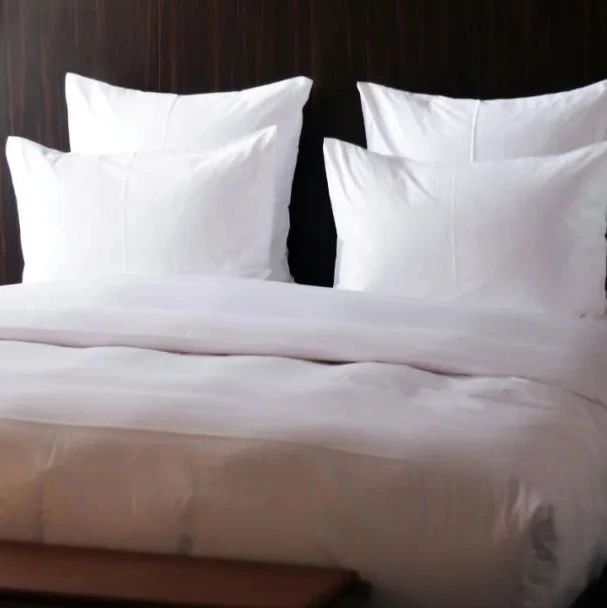
深睡被

Search documents
接入Lark:玩具反斗城亚洲开启加速计划
3 6 Ke· 2025-11-13 02:04
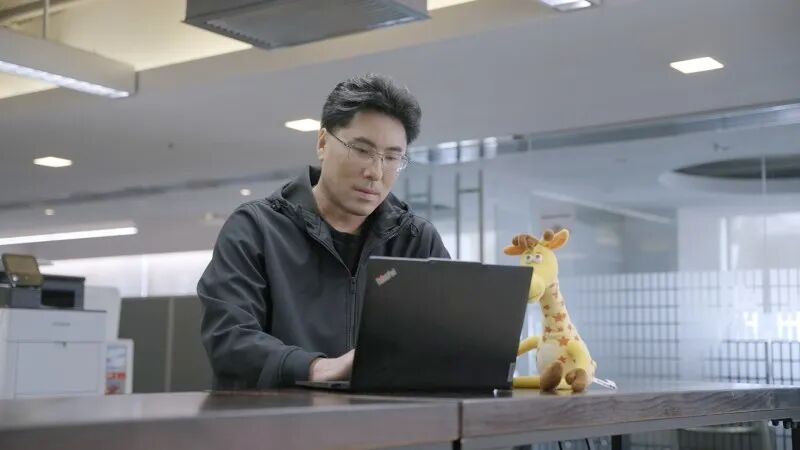
Core Insights - The retail industry is experiencing a shift where speed and adaptability to consumer trends are becoming crucial for success [1][2] - Traditional giants like Toys"R"Us Asia are adapting by restructuring their operations to be more agile and responsive to market changes [2][3] Group 1: Consumer Behavior Changes - Consumers now prefer high-frequency updates and personalized experiences, moving away from standardized products [1][3] - The purchasing process has shifted to mobile and social platforms, requiring retailers to adapt quickly to consumer demands [3][4] Group 2: Operational Efficiency - Toys"R"Us Asia has implemented new tools like Lark to enhance operational efficiency, allowing for real-time data access and decision-making [2][8] - The transition from manual inventory checks to automated systems has significantly reduced time and errors in inventory management [10][12] Group 3: Digital Transformation - The integration of Lark has transformed the way Toys"R"Us Asia manages its workforce and inventory, moving from paper-based processes to digital solutions [13][14] - The company has seen improvements in hiring processes, allowing for quicker recruitment and better data management [13][21] Group 4: Cross-Market Collaboration - Lark has facilitated better communication and collaboration across different markets, enabling real-time decision-making and data sharing [16][20] - The ability to conduct multilingual meetings and streamline data reporting has improved operational efficiency across regions [17][22] Group 5: Future Outlook - Toys"R"Us Asia aims to continue evolving by integrating digital solutions into product selection and display design, enhancing overall operational agility [25][27] - The retail industry as a whole is witnessing a trend where both established and new brands are leveraging technology to keep pace with changing consumer expectations [28]

帐篷与床车:黄金周酒店业「消失的客人」
3 6 Ke· 2025-10-29 00:26
Core Insights - The hotel industry is experiencing a significant downturn, with young consumers opting for camping and car sleeping instead of traditional hotel stays, reflecting a shift in consumer behavior and spending patterns [1][3][35] - Despite an increase in domestic travel during the holiday period, average per capita spending has decreased, indicating a trend towards consumption downgrade [4][10] Group 1: Holiday Spending and Hotel Occupancy - During the recent holiday, the average occupancy rate for hotels in major cities was only 58%, with economy hotels dropping below 50% [3][10] - The average per capita spending during the holiday was 911 yuan, translating to less than 114 yuan per person per day, a 13% decrease compared to the previous year [4][10] - The drastic price hikes in economy hotels have made them unaffordable for many, leading to a preference for camping as a more cost-effective option [5][9] Group 2: Price Trends in the Hotel Industry - Prices for economy hotels have surged, with some hotels seeing increases of over 30%, while luxury hotels have maintained more stable pricing [8][9] - For example, the price of a room at a budget hotel increased from 202 yuan to 930 yuan within a few days, highlighting the volatility in pricing during peak travel times [7][9] - The disparity in pricing strategies has created a situation where luxury hotels are perceived as more cost-effective compared to economy options [9][10] Group 3: Industry Challenges and Structural Changes - The hotel industry is facing a structural crisis, with both high-end and budget hotels experiencing declining demand [11][16] - Major hotel groups have reported negative growth in revenue per available room (RevPAR), indicating widespread financial strain across the sector [12][16] - The reliance on franchise models is being challenged as operational costs for franchisees rise, leading to potential instability in the business model [19][20] Group 4: Adaptation and Transformation Strategies - Hotel groups are increasingly looking to diversify their revenue streams by enhancing supply chain efficiencies and developing retail operations [22][24] - For instance, a hotel group has successfully integrated retail sales into its business model, significantly boosting revenue from non-hotel services [24][26] - The focus is shifting towards building direct relationships with consumers through loyalty programs and personalized experiences, moving away from dependence on online travel agencies (OTAs) [27][31] Group 5: Future Outlook - The current trends indicate a fundamental transformation in the hotel industry, where success will depend on the ability to integrate various services and create emotional connections with consumers [35] - The industry is moving towards a model that prioritizes supply chain efficiency and customer loyalty over traditional metrics like room count and location [35]


一年卖出 300 多万个枕头,亚朵跨行做对了什么丨晚点周末
晚点LatePost· 2025-10-26 11:09
Core Viewpoint - The article emphasizes that Atour is successfully transforming its retail business by focusing on user experience and product innovation, akin to technology companies, rather than merely selling hotel-related products [2][3]. Group 1: Retail Performance - In 2024, Atour sold over 3 million deep sleep pillows and 770,000 deep sleep quilts, with retail revenue growth exceeding 120%, now accounting for half of its hotel business revenue [2]. - Atour's retail brand "Atour Planet," established only four years ago, ranks among the top four in China's home textile industry, with its core products leading in e-commerce platform categories [2][6]. Group 2: Strategic Focus - Atour's founder, Yelv Yin, emphasizes the importance of understanding user changes rather than focusing on competitors, dedicating time to engage with user feedback on platforms like Xiaohongshu [3][4]. - The decision to significantly reduce SKUs and concentrate on sleep-related products was made to enhance resource allocation and focus on a specific market segment, despite the short-term revenue sacrifice [5][10]. Group 3: Product Development - Atour's approach to product design shifted from making pillows that users adapt to, to creating pillows that adapt to users, resulting in the development of the deep sleep pillow Pro 1.0 [6][7]. - The deep sleep pillow quickly became the top-selling product across platforms, demonstrating that addressing real user pain points is crucial for success [7][12]. Group 4: Supply Chain and Standards - Atour is transforming its supply chain by setting high standards and collaborating closely with suppliers to ensure product quality, similar to Apple's approach with iPhone production [10][12]. - The establishment of "deep sleep standards" quantifies comfort through metrics like dynamic pressure stability and temperature control, moving beyond traditional industry parameters [13][14]. Group 5: Market Positioning - Atour's online sales strategy has rapidly evolved, with over 90% of its revenue coming from online channels, contrasting with traditional home textile brands that lag behind in digital transformation [14][15]. - The company's ability to leverage its hotel network as a testing ground for products has provided a unique advantage in the market, allowing for direct consumer engagement [14][15]. Group 6: Management and Adaptation - Atour's management philosophy includes rapid response to customer feedback and a commitment to long-term value creation, moving away from short-term performance metrics [17][19]. - The company has implemented a "no overnight negative reviews" policy to ensure quick resolution of customer issues, enhancing service quality and customer satisfaction [17][19]. Group 7: Continuous Innovation - Atour believes in continuous iteration of both hotel and retail products, with annual updates to core offerings, ensuring they remain competitive in a rapidly evolving market [21][22]. - The focus on maintaining a vibrant organizational culture and innovative product development is seen as essential for long-term success in the traditional home textile industry [21][22].

卖枕头,真能救酒店?
创业邦· 2025-05-30 03:34
Core Viewpoint - The Chinese hotel industry is experiencing a "ice and fire" scenario, with major players like Huazhu, Jinjiang, Shoulu, and Atour showing divergent performance and strategic choices amid overall industry growth [3][6]. Group 1: Performance Overview of Major Players - Huazhu Group leads with Q1 2025 revenue of 5.4 billion yuan, a 2.2% year-on-year increase, and a net profit of 890 million yuan, up 35.7% [4][8]. - Atour Group, with 1,727 stores, is the only one among the four giants to achieve significant growth in both revenue and profit, reporting a 29.8% revenue increase to 1.91 billion yuan and a 32.3% net profit increase to 350 million yuan in Q1 2025 [5][8]. - Jinjiang Group, despite having the largest number of stores (13,513), saw a revenue decline of 8.25% to 2.94 billion yuan and a staggering 81.03% drop in net profit to 40 million yuan [4][9]. - Shoulu Group reported a revenue of 1.77 billion yuan, down 4.34%, but net profit increased by 18.4% to 140 million yuan [4][10]. Group 2: Strategic Insights - Huazhu maintains a light-asset model with a high franchise ratio (94.7%), focusing on franchise growth while cautiously exploring retail [5][26]. - Atour's retail revenue has surged, accounting for 30.3% of total revenue, with a 66.5% increase in retail income to 694 million yuan in Q1 2025, although this has led to a 61.7% rise in sales expenses [24][25]. - Jinjiang and Shoulu are struggling with growth, with Jinjiang's core mid-to-low-end business declining and Shoulu's membership and "scenic + dining" strategy showing limited results [5][28]. Group 3: Industry Trends and Challenges - The hotel industry is facing a "volume increase, price decrease" trend, with overall RevPAR down 9.7% to 118 yuan, ADR down 5.8% to 200 yuan, and OCC down 2.5% to 58.8% [13][14]. - The competitive landscape is intensifying, with Huazhu and Atour maintaining operational efficiency through high occupancy rates, while Jinjiang and Shoulu struggle with both occupancy and pricing [5][17]. - The shift towards a light-asset model is prevalent, with franchise stores exceeding 90% across the industry, complicating brand management [41]. Group 4: Future Outlook - The key for Huazhu will be to enhance operational precision to counteract slowing growth, while Atour must maintain profitability amid retail expansion [5][41]. - Jinjiang and Shoulu need to find new growth avenues, focusing on improving membership conversion efficiency and expanding their presence in the high-end market [41].