湖北江城华发产业投资基金

Search documents
国资LP,开始“搭伙”设基金!
Sou Hu Cai Jing· 2025-11-21 01:36
Core Insights - The article discusses the shift from localized government-led investment funds to cross-regional collaborations, highlighting the emergence of new fund models that aim to enhance resource sharing and cooperation among different regions [1][2][3] Group 1: New Fund Models - Recent examples include the establishment of the Hubei Jiangcheng Huafa Industrial Investment Fund, a collaboration between Hubei and Zhuhai, with a total scale of 10 billion yuan focusing on high-tech sectors [1] - The Anhui and Henan provincial governments have jointly introduced a cooperation development plan to encourage market-oriented industrial fund establishment, aiming to facilitate the transfer of industries from the eastern regions [2] - The Guangdong Yueke Financial Group has signed agreements for seven provincial collaborative development mother funds, totaling over 17 billion yuan, indicating a growing trend of inter-provincial fund collaborations [2] Group 2: Driving Forces - Three core driving forces for this shift include policy changes, the need for industrial collaboration, and resource optimization [3] - The "State Council Document No. 1" has imposed stricter controls on local government investment funds, prompting regions to seek partnerships for fund establishment [3] - Geographical proximity and similar industrial structures among regions have led to increased competition, necessitating more efficient investment strategies [3] Group 3: Benefits of Collaboration - Cross-regional fund collaborations can enhance industrial synergy, allowing projects to benefit multiple regions and improve overall competitiveness [4] - These partnerships can also attract high-quality general partners (GPs), as regions compete for top-tier investment talent [5] - The return on investment agreements among participating governments typically aim for a combined return ratio of approximately 1.5 times, facilitating multi-regional investment strategies [5] Group 4: Challenges and Coordination - Despite the potential benefits, cross-regional collaborations face significant challenges, including complex interest distribution and the need for effective coordination between different local governments [6] - The lack of unified tax and investment standards across regions complicates the establishment of collaborative funds, increasing operational costs [7] - Industry experts suggest forming integrated mother fund alliances and establishing standardized return recognition criteria to address these challenges [7]
地方国资开始“搭伙”设基金 利益协调与机制保障是关键
Zheng Quan Shi Bao· 2025-11-20 22:40
Core Insights - The article discusses the shift from localized government guidance funds to cross-regional collaborations in establishing investment funds, highlighting the inefficiencies and challenges of the traditional localized approach [1][3][6] Group 1: New Collaborative Models - Recent examples of cross-regional fund establishment include the collaboration between Hubei and Zhuhai, which launched a 10 billion yuan fund focused on high-tech sectors [1] - The joint initiative between Anhui and Henan aims to enhance cooperation in the national unified market and encourages market-driven fund establishment [2] - The Guangdong province has signed agreements for seven provincial collaborative development mother funds, totaling over 17 billion yuan [2] Group 2: Driving Forces Behind Collaboration - Three core driving forces for this new model include policy changes, similar industrial structures among neighboring regions, and the need for better resource allocation [3][4] - The "No. 1 Document" from the State Council restricts local governments from establishing investment funds, prompting a shift towards collaborative fund setups [3] - The need to avoid homogeneous competition and enhance regional competitiveness is driving local governments to seek partnerships [4] Group 3: Challenges and Coordination - The coordination of interests and mechanisms is crucial for successful cross-regional fund establishment, as it involves complex negotiations and benefit-sharing [6][7] - Differences in policies and standards across regions increase the costs of collaboration, complicating the establishment of unified investment criteria [7] - Suggestions for overcoming these challenges include forming integrated mother fund alliances and establishing standardized return investment criteria [7]
地方国资开始“搭伙”设基金利益协调与机制保障是关键
Zheng Quan Shi Bao· 2025-11-20 18:59
Core Viewpoint - The article discusses the shift from localized government guidance funds to cross-regional collaborations in establishing investment funds, highlighting the need for resource sharing and cooperation among local governments to enhance investment efficiency and address issues of industrial homogeneity and competition [1][3]. Group 1: Recent Developments - Local governments are increasingly forming cross-regional partnerships to establish investment funds, as seen in the collaboration between Hubei and Zhuhai, which launched a 10 billion yuan fund focused on high-tech sectors [1]. - The Anhui and Henan provincial governments have introduced a cooperative development plan to enhance collaboration and attract investments through market-oriented industrial funds [2]. - Guangdong's cooperation with multiple provinces has resulted in the establishment of seven provincial collaborative development mother funds, totaling over 17 billion yuan [2]. Group 2: Driving Forces - Three main driving forces for this new model include policy changes that restrict local fund establishment, the need to avoid homogeneous competition among neighboring regions, and the desire to attract high-quality general partners (GPs) [3][4][5]. - The "National Office Document No. 1" has imposed stricter controls on local government investment funds, prompting regions to seek collaborative approaches [3]. - The geographical proximity and similar industrial structures of certain regions create opportunities for collaborative investment, enhancing overall regional competitiveness [4]. Group 3: Challenges and Solutions - Coordinating interests and establishing mechanisms for cross-regional fund collaborations pose significant challenges, particularly in profit distribution and regulatory compliance [6][7]. - The lack of unified policies and standards across regions increases the complexity of collaboration, necessitating the establishment of integrated mother fund alliances and standardized return investment criteria [7]. - Experts suggest creating a shared interest mechanism and a decision-making framework to align government strategies with market operations, facilitating effective cross-regional fund management [8].
异地国资开始“抱团”设基金
母基金研究中心· 2025-11-17 08:50
Core Viewpoint - A new investment trend is emerging where local government investment funds and state-owned funds are collaborating across regions to establish funds or invest in enterprises, reflecting innovative cooperation models among local governments [1][5]. Group 1: Regional Collaboration - Different regions' guiding funds are increasingly cooperating, allowing for the pooling of resources and achieving complementary advantages and synergies [4][5]. - Guangdong has already implemented regional collaborative funds, with significant initiatives such as the establishment of a "provincial collaborative development mother fund," which is a rare and innovative approach in the country [2][3]. Group 2: Investment Focus and Strategy - The newly established Hubei Jiangcheng Huafa Industrial Investment Fund, with a total scale of 10 billion yuan, focuses on hard technology sectors such as integrated circuits and optical communication [1]. - Local governments are now prioritizing cross-regional cooperation to share resources and facilitate project implementation, moving beyond the previous focus on "fund registration locations" [3][5]. Group 3: Market-Oriented Management - The management of mother funds is evolving, with a shift towards market-oriented decision-making mechanisms, emphasizing the selection of capable management teams to enhance operational efficiency [6]. - Trust and full authorization from local mother funds to management teams are crucial for successful collaboration, as seen in the case of Hubei's government investment guiding fund [6]. Group 4: Future Trends - The cross-regional investment model is expected to become a new norm for local governments, aligning with national policies aimed at building a unified market [5]. - The mother fund industry is maturing, with increased interaction between different regional mother funds, reflecting the evolution and sophistication of the sector [7].


100亿,这支国家级母基金落地
母基金研究中心· 2025-06-13 09:28
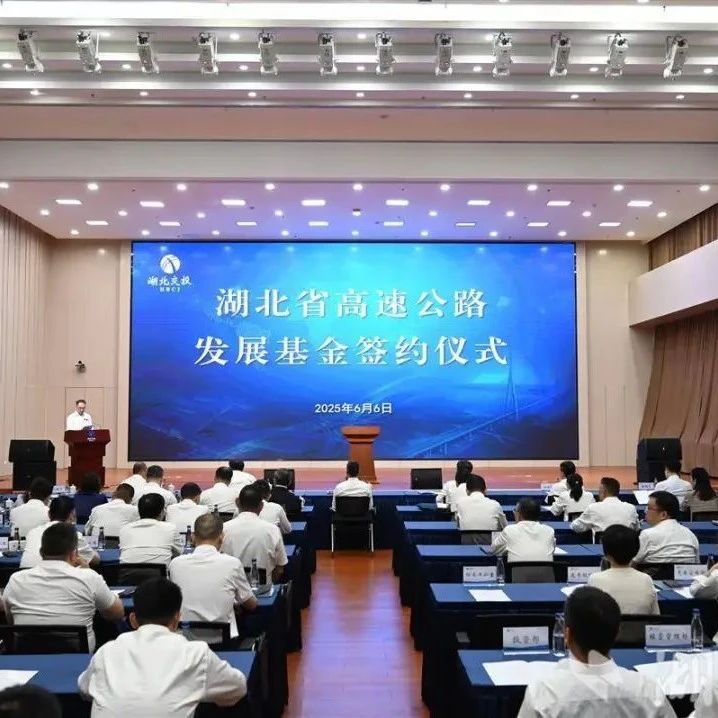
Summary of Key Points Core Viewpoint The article discusses the recent developments in China's mother fund industry, highlighting the establishment of various funds across different provinces, with a total management scale of 1,445.88 billion yuan, focusing on sectors such as new materials, biomedicine, and future industries [1]. Group 1: National Developments - A national-level mother fund with a total commitment of 10 billion yuan has been established, with contributions from various partners including the Ministry of Finance and listed companies [4][6]. - The National SME Development Fund has completed the establishment of its seventh batch of sub-funds, totaling four sub-funds aimed at supporting small and medium enterprises [10][12]. Group 2: Provincial Developments - In Hubei, a 1,000 billion yuan highway development fund has been signed, with a mother fund of 300 billion yuan aimed at infrastructure investment [7][9]. - Jiangsu has seen the establishment of multiple funds, including a 5 billion yuan angel investment fund and an 85 billion yuan strategic emerging industry fund [13][14]. - A 100 billion yuan fund has been registered in Wuhan's Jiangxia District, focusing on the semiconductor industry [15][16]. - Shandong has increased its provincial fund's contribution to angel funds to 40%, aiming to support private enterprises [17][18]. Group 3: Specific Fund Initiatives - The Heilongjiang province is seeking general partners for its 5 billion yuan entrepreneurship investment fund, targeting strategic emerging industries [19]. - A 30.01 billion yuan high-quality industrial development fund has been established in Jiujiang, focusing on private equity investments [21]. - The Lhasa city has launched a 1.5 billion yuan mother fund, emphasizing cultural tourism and digital economy investments [29][31]. - The Hangzhou Qianjiang Century City Industrial Development Fund is seeking fund managers for its 3 billion yuan fund, focusing on innovative industries [32][33].