
跨区域合作

Search documents
张林山:从战略层面完善区域创新体系
Jing Ji Ri Bao· 2026-02-25 23:56
Core Viewpoint - The article emphasizes the importance of establishing a regional innovation system to enhance technological innovation and industrial development across different regions in China, aiming for a more integrated and collaborative approach to innovation [1][2][3]. Group 1: Regional Innovation System - The regional innovation system involves collaboration among government, enterprises, universities, and research institutions to optimize the flow and allocation of innovation resources [1]. - The goal is to shift from isolated innovation efforts to a networked, integrated approach that fosters a national innovation network with complementary functions and advantages [1][2]. Group 2: Differentiated Collaboration - The strategy encourages regions to explore differentiated innovation paths based on their unique resources and industrial foundations, avoiding homogeneous competition [2]. - For instance, the Beijing-Tianjin-Hebei region focuses on original innovation, while the Yangtze River Delta emphasizes a complete innovation chain from R&D to market [2]. Group 3: Cross-Regional Cooperation - The vitality of the innovation system relies on breaking down barriers between regions to facilitate the flow of talent, technology, capital, and data [2]. - Some regions are establishing "innovation outposts" in developed areas to implement a model where R&D occurs externally while commercialization happens locally [2]. Group 4: Integration of Technology and Industry - The construction of industrial technology innovation hubs aims to address the disconnect between technological innovation and industrial development, ensuring that innovations translate into market applications [2]. Group 5: Domestic and International Context - The strategic deployment is a response to global technological competition and aims to create competitive advantages through regional collaboration [3]. - It addresses domestic disparities in innovation resource distribution, promoting coordinated development and injecting technological momentum into underdeveloped areas [3]. Group 6: Economic Development Needs - The need for a regional innovation system arises from the limitations of traditional growth models, which require new technological drivers for economic development [4]. - Current challenges include insufficient foundational research, fragmented efforts in tackling key technologies, and low rates of technology commercialization [4]. Group 7: Challenges in Implementation - Administrative barriers hinder the flow of innovation resources across regions, complicating cross-regional cooperation [5]. - Issues related to benefit sharing and ecological differences create obstacles for collaborative innovation efforts [5]. Group 8: Solutions and Recommendations - The article suggests enhancing top-level design while encouraging local exploration to create a collaborative innovation environment [6]. - It advocates for addressing key bottlenecks in the system, such as establishing common rules for talent evaluation and funding, and developing mechanisms for fair benefit sharing [6]. - Emphasizing the role of enterprises in driving innovation and fostering a supportive culture for talent development is also highlighted [7].
从战略层面完善区域创新体系
Xin Lang Cai Jing· 2026-02-25 22:05
Core Viewpoint - The article emphasizes the importance of establishing a regional innovation system to enhance technological innovation and industrial development across various regions in China, addressing both domestic and international challenges in the context of global technological competition [1][3]. Group 1: Regional Innovation System - The regional innovation system involves collaboration among government, enterprises, universities, and research institutions to integrate resources such as talent, capital, and technology, creating a network for knowledge creation and transfer [1]. - The goal is to shift from isolated innovations to a more integrated system that fosters complementary functions and synergies within a national innovation network [1][2]. Group 2: Differentiated Collaboration - The strategy promotes "differentiated collaboration," encouraging regions to explore unique innovation paths based on their specific resources and industrial foundations, avoiding direct competition [2]. - For instance, the Beijing-Tianjin-Hebei region focuses on original innovation, while the Yangtze River Delta emphasizes a complete innovation chain from R&D to market [2]. Group 3: Cross-Regional Cooperation - The vitality of the innovation system relies on breaking down barriers between regions to facilitate the flow of talent, technology, capital, and data [2]. - Some regions are establishing "innovation outposts" in developed areas to implement a model where R&D occurs externally while commercialization happens locally [2]. Group 4: Integration of Technology and Industry - A critical objective is to achieve deep integration between technology and industry, ensuring that innovation translates into practical applications and market success [2]. - The aim is to create a seamless chain from basic research to market application, fostering a new quality of productivity [2]. Group 5: Challenges in Implementation - The article identifies several challenges in building the regional innovation system, including administrative barriers that hinder the flow of resources, fragmented interests that complicate collaboration, and ecological differences that affect the implementation of technological results [5][6]. - Specific issues include difficulties in cross-regional talent mobility, unclear benefit-sharing mechanisms, and the lack of supportive infrastructure in less developed areas [5][6]. Group 6: Solutions and Strategies - To address these challenges, the article suggests a combination of top-down design and grassroots exploration, focusing on key bottlenecks and promoting systemic reforms [6]. - It advocates for establishing common rules for resource flow, developing cross-regional benefit-sharing mechanisms, and enhancing financial support for technology-driven SMEs [6]. Group 7: Innovation Culture - The article highlights the need to foster an open and inclusive innovation culture that encourages risk-taking and tolerates failure [7]. - It suggests mechanisms like "challenge-based competitions" to identify and support capable innovators, while also emphasizing the importance of nurturing a skilled workforce [7].
跨区域协作 拓奶业新局
Xin Lang Cai Jing· 2026-02-02 21:08
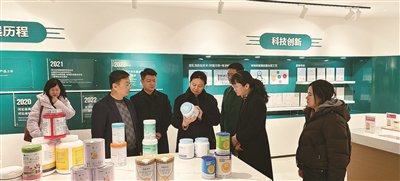
Group 1 - The core viewpoint of the article emphasizes the importance of collaboration between government and enterprises in the dairy industry to enhance deep processing and industry development [3] - The delegation led by Yang Yanping from the Ningxia Provincial Committee of the Jiusan Society engaged in discussions with the Hebei Provincial Committee of the Jiusan Society, focusing on industry pain points and development opportunities [3] - The discussions included topics such as logistics cooperation through the Jijiang train service and the establishment of a China-Arab pharmaceutical procurement platform [3] Group 2 - Yang Yanping expressed the hope that this exchange would establish a solid bridge for government-enterprise cooperation, aiming for deeper collaboration in the future [3] - The initiative is expected to achieve resource complementarity and mutual benefits, injecting new momentum into the high-quality development of the dairy industry [3]

苏州锦州两地供销系统共促跨区域合作
Su Zhou Ri Bao· 2026-01-31 00:27
Core Viewpoint - The event aims to promote the integration of high-quality agricultural, cultural, tourism, and commercial resources from Jinzhou into the Yangtze River Delta, injecting new momentum for rural revitalization through cross-regional collaboration [1] Group 1: Event Overview - The Jinzhou Agricultural, Cultural, Tourism, and Commercial Promotion and Specialty Product Sales Matching Conference was held in Suzhou on January 30 [1] - The event was co-hosted by the supply and marketing systems of Suzhou and Jinzhou, creating a platform for cross-regional product sales matching [1] Group 2: Exhibition and Participation - The event featured three main exhibition areas: specialty products, marine products, and cultural tourism, showcasing 115 products from 19 enterprises [1] - A dedicated matching session for Jinzhou specialty products was held, facilitating in-depth discussions among agricultural producers, buyers, and supply chain builders from both regions [1] Group 3: Outcomes and Future Plans - The event resulted in the signing of 4 projects with a total intended signing amount of 30 million yuan [1] - This Suzhou event is the first in a series of promotional activities, with future events planned in locations such as Kunshan [1] - The supply and marketing systems of Suzhou and Jinzhou aim to promote collaborative development across the entire agricultural, cultural, tourism, and commercial industry chain [1]
搭台牵线 吸引外地龙头企业来松投资兴业
Sou Hu Cai Jing· 2026-01-23 01:45
Group 1 - The core viewpoint of the articles highlights the collaboration between Anhui Kouzi Liquor Co., Ltd. and local agricultural enterprises in Songyuan, aiming to enhance raw material supply channels and promote mutual development [1][2] - Anhui Kouzi Liquor's delegation visited various sites, including the hydrogen energy industrial park and modern agricultural technology company, to assess the local agricultural resources and production processes [1] - The delegation expressed high appreciation for the quality of local agricultural products, such as Qian'an yellow millet and mixed beans, and reached a preliminary cooperation intention regarding the procurement of brewing raw materials [1] Group 2 - During an industry seminar organized by the local business federation, discussions focused on raw material procurement, industrial chain collaboration, and regional brand development [2] - The delegation praised the rich agricultural resources and favorable business environment in Songyuan, sharing their experiences in the production of fragrant-type liquor and full industrial chain management [2] - The local business federation aims to continue facilitating cooperation between local agricultural products and external leading enterprises, focusing on key areas like new energy and modern agriculture to drive economic exchanges [2]

甘肃省吉林商会周年庆典暨吉陇产业合作交流活动在兰州举行
Xin Lang Cai Jing· 2026-01-10 09:09
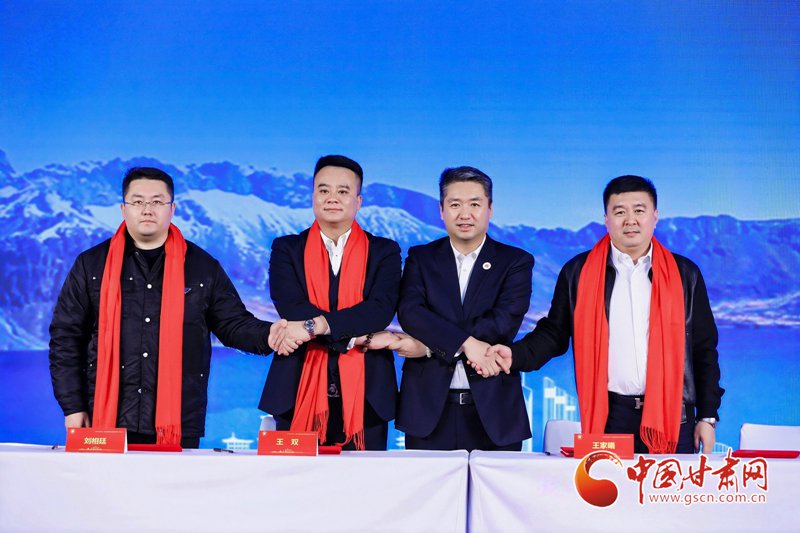
Core Viewpoint - The Gansu Province Jilin Chamber of Commerce held its anniversary celebration and industry cooperation exchange event, emphasizing the importance of economic and cultural collaboration between Gansu and Jilin provinces [1][3]. Group 1: Chamber Activities and Achievements - Since its establishment, the Gansu Province Jilin Chamber of Commerce has focused on serving its members, the government, and society, aiming to strengthen economic ties between the two provinces [3]. - The Chamber's president, Wang Jiaxi, highlighted the organization's efforts over the past year, including building a strong foundation, promoting cooperation, and expanding the reach of Gansu and Jilin products to the global market [3][7]. - The Chamber has actively supported member enterprises by addressing development challenges and fostering collaboration to contribute positively to the economic and social development of both regions [3]. Group 2: Event Highlights - The event featured a showcase of Jilin's specialty industries, including ginseng, deer antler, and deep processing of corn, alongside promotional efforts for Gannan's cultural tourism resources and investment policies [5]. - The "Jilin-Gansu Four Provinces Chamber Alliance" was officially launched, aiming to establish a cross-regional cooperation mechanism with multiple Jilin chambers [5]. Group 3: Future Plans - Moving forward, the Gansu Province Jilin Chamber of Commerce plans to enhance its platform functions by creating a digital chamber system and promoting key projects in renewable energy and modern agriculture [7]. - The Chamber will organize events such as the "Jilin Cultural Week" and enterprise study programs to strengthen cultural recognition between the two provinces [7]. - Wang Jiaxi emphasized the commitment to the "Jilin business spirit" of integrity and courage, aiming to integrate Jilin's strengths with Gansu's resource endowments for regional coordinated development [7].
营商“暖环境”上新!普陀解锁助企新方法
Sou Hu Cai Jing· 2026-01-09 05:48
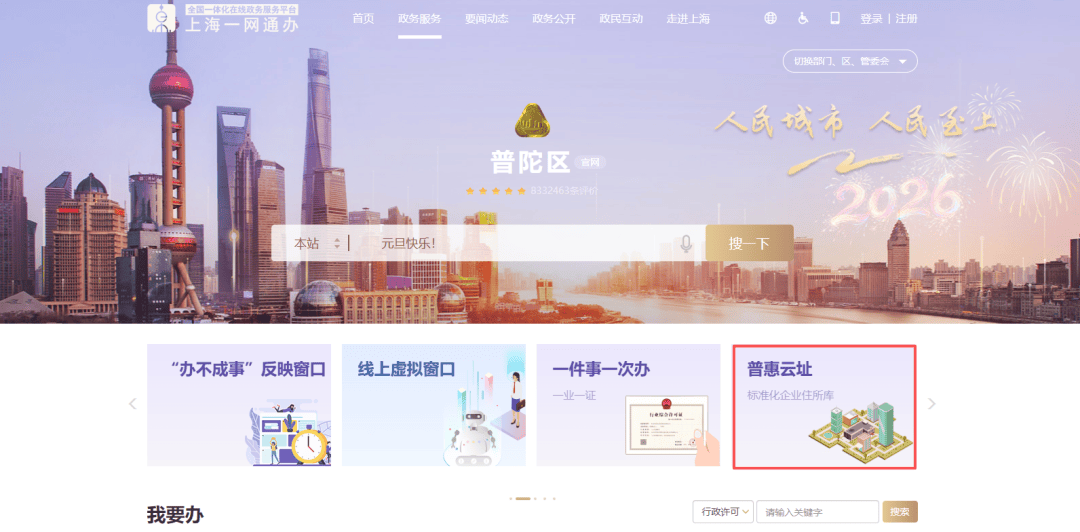
Core Viewpoint - The article highlights the efforts of the Putuo District in Shanghai to optimize the business environment through various initiatives aimed at enhancing service efficiency and fostering collaboration among enterprises across regions [1][2][9]. Group 1: Business Environment Optimization - On January 4, 2026, Shanghai held a conference to optimize the business environment, with Putuo District quickly implementing an action plan to translate city-level strategies into actionable local plans [1]. - The Putuo District Market Supervision Bureau is committed to transforming strategic plans into tangible benefits for market entities, acting as a partner and enabler for business development [1][9]. Group 2: Cross-Regional Collaboration - Putuo District is focusing on creating a service ecosystem that supports enterprises throughout their lifecycle, emphasizing cross-departmental collaboration [2]. - In September 2025, the district initiated the "Yangtze River Delta Collaborative Innovation Salon," signing agreements with market supervision departments from cities like Wuxi and Changzhou to enhance cooperation in the robotics industry [2]. Group 3: Digital Services and Tools - The "Puhui Cloud Address" service has been implemented to standardize business address registration, allowing over 1,900 enterprises to benefit from a streamlined process with zero submission of address materials [2]. - A digital "Enterprise Health Check Report" was launched in September 2024, providing personalized insights for over 60,000 enterprises, helping them manage compliance and operational risks proactively [5]. Group 4: Quality Empowerment Initiatives - The Putuo District Market Supervision Bureau is shifting from basic product quality supervision to deeper industry empowerment, exemplified by the "QualityWalk" initiative that promotes quality standards among small and medium enterprises [6]. - A key project in 2025 focused on enhancing the quality of the smart robotics industry, facilitating collaboration between leading enterprises and smaller firms to share advanced quality standards and reduce costs [6]. Group 5: Collaborative Governance - The district is exploring a new model of collaborative governance for emerging industries, such as platform economies, through data sharing and rule co-construction [7]. - A digital collaborative governance system was developed in partnership with the platform enterprise "Taobao Flash Sale," enhancing the management of merchant compliance and risk [7]. Group 6: Future Directions - The Putuo District Market Supervision Bureau aims to continue evolving from a traditional regulatory role to that of an enabler and partner in development, focusing on solidifying the foundations for enterprise growth and translating improvements in the business environment into regional competitiveness [9].
申城新年开工首日:政企座谈问计问需 基层一线实地调研 重大项目集中落地
Jie Fang Ri Bao· 2026-01-05 01:35
Group 1: Economic Development Initiatives - Shanghai's districts are actively promoting a "start strong, sprint from the beginning" approach to drive high-quality development in the new year [1] - Various meetings and discussions are being held to optimize the business environment, with a focus on addressing the needs and challenges faced by enterprises [2][3] - The government is committed to transforming the "soft power" of the business environment into a "hard support" for high-quality development [2] Group 2: Business Environment Optimization - The government is responding to enterprise demands by creating a "demand list" that aligns with a "government action list" to enhance the business environment [2] - Specific measures are being implemented to address issues such as legal protection and market environment purification, which are critical for sustainable business growth [3][4] - The introduction of targeted reforms and initiatives aims to improve the overall business ecosystem and support various industries [6][7] Group 3: Major Project Launches - Multiple districts in Shanghai are witnessing the commencement of significant industrial projects, which are seen as key drivers for economic growth and future development [9][10] - The Huangpu District's financial center project is set to enhance the integration of finance and technology, while also preserving historical architecture [10] - Yangpu District has signed contracts for 50 key industrial projects with a total investment exceeding 20 billion, focusing on sectors like AI, smart manufacturing, and green technology [11] Group 4: Innovation and Technology Integration - The government is encouraging the integration of AI and digital platforms to streamline administrative processes and enhance service efficiency [7][8] - Initiatives like the "seed plan" for early-stage tech companies aim to support innovative projects with disruptive potential [8] - The collaboration between different industrial parks along the Shanghai-Nanjing corridor is being promoted to foster research and development synergies [8]
都市里的“村糖会”,“金牛智造”+40万件好物迎来爆棚人气
Xin Lang Cai Jing· 2026-01-01 12:37
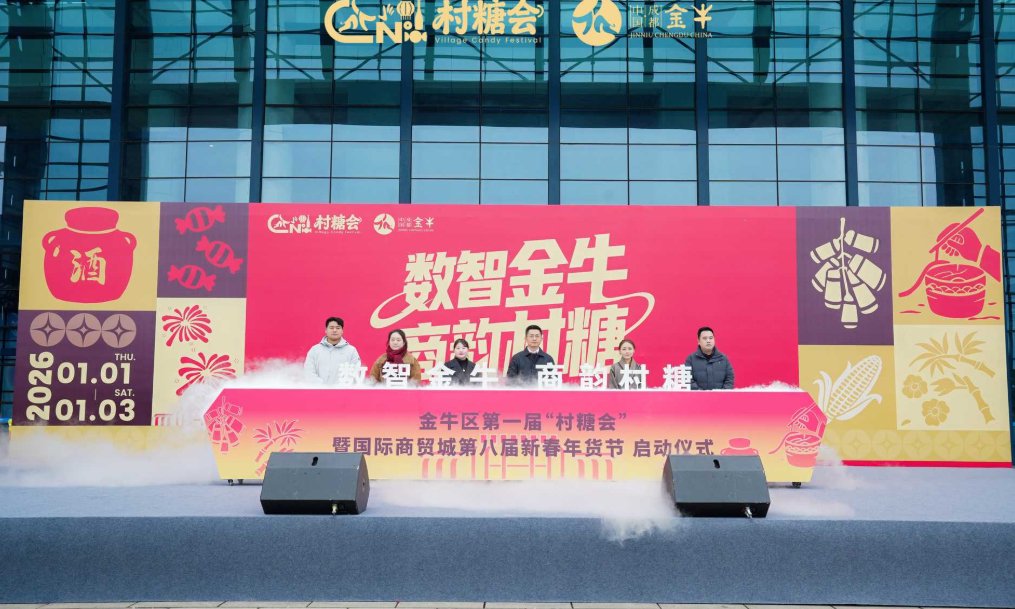
Core Viewpoint - The "Village Sugar Fair" and the 8th New Year Goods Festival at Chengdu International Business City successfully launched, featuring over 40,000 unique products from 3,800 merchants, creating a comprehensive consumer experience [1][5]. Group 1: Event Overview - The event commenced with a vibrant opening ceremony, attracting a large number of citizens and tourists eager to participate in the shopping experience [3]. - The "Village Sugar Fair" showcased a variety of products, including traditional foods and innovative items, through an immersive exhibition format that encouraged consumer interaction [5]. Group 2: Product Highlights - Notable brands such as Huiji Foods and Shui Jing Fang presented their products, emphasizing their digital transformation in production processes to ensure quality and efficiency [5]. - The event featured a diverse range of products, including snacks, beverages, and high-tech models, appealing to various consumer preferences [5]. Group 3: Regional Collaboration - The fair facilitated collaboration among multiple regions, showcasing local specialties like yak meat and Sichuan tea, promoting cross-regional sales [5]. - The event leveraged resources from Chengdu International Land Port to support local products in expanding their market reach [7]. Group 4: Cultural Integration - The festival included performances of national intangible cultural heritage and interactive workshops, enhancing the cultural experience for attendees [7]. - The event connected with key commercial areas and tourist attractions, promoting a theme of "New Year Carnival" and extending the consumer engagement period [7].
闽苏赣川黔5省锂电池新能源产业链质量强链项目启动
Zhong Guo Zhi Liang Xin Wen Wang· 2025-12-23 02:56
Core Viewpoint - The launch of the cross-regional quality enhancement project for the lithium battery new energy industry chain in five provinces aims to improve the resilience and safety of the supply chain while addressing regional barriers and homogenized competition [1] Group 1: Project Overview - The project is initiated by the State Administration for Market Regulation and the market regulation bureaus of Fujian, Jiangsu, Jiangxi, Sichuan, and Guizhou provinces [1] - The event is co-organized by the Fujian Provincial Quality Inspection Institute and the Ningde City Market Regulation Bureau, with support from Contemporary Amperex Technology Co., Limited (CATL) [1] Group 2: Objectives and Mechanisms - The project aims to establish a long-term mechanism for "resource sharing, complementary advantages, collaborative innovation, and service to the industry" [1] - It focuses on deepening cross-regional cooperation in quality enhancement for the lithium battery industry [1] Group 3: Collaborative Efforts - The five provincial market regulation departments will integrate resources and create a shared platform for inspection and testing [1] - There will be mutual recognition of testing data, complementary technical capabilities, and joint training of professional talent to support quality improvement in the industry [1] Group 4: Specific Initiatives - Ningde City will explore quality certification to promote high-quality development in the lithium battery industry, signing an agreement for carbon peak and carbon neutrality certification projects [1] - The Fujian Provincial Quality Inspection Institute will collaborate with CATL on technology research and standard development, establishing a national-level quality standard laboratory [1] - A joint laboratory for quality enhancement in the lithium battery new energy industry chain will be formed by the quality inspection institutes of the five provinces [1]
