烤匠麻辣烤鱼

Search documents
排队13小时吃鱼?烤匠们的“饥饿游戏”能玩多久
凤凰网财经· 2026-02-08 10:20
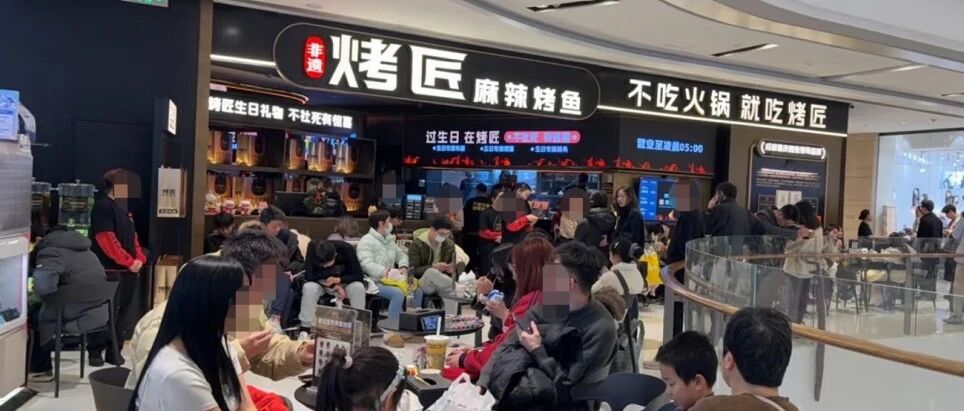
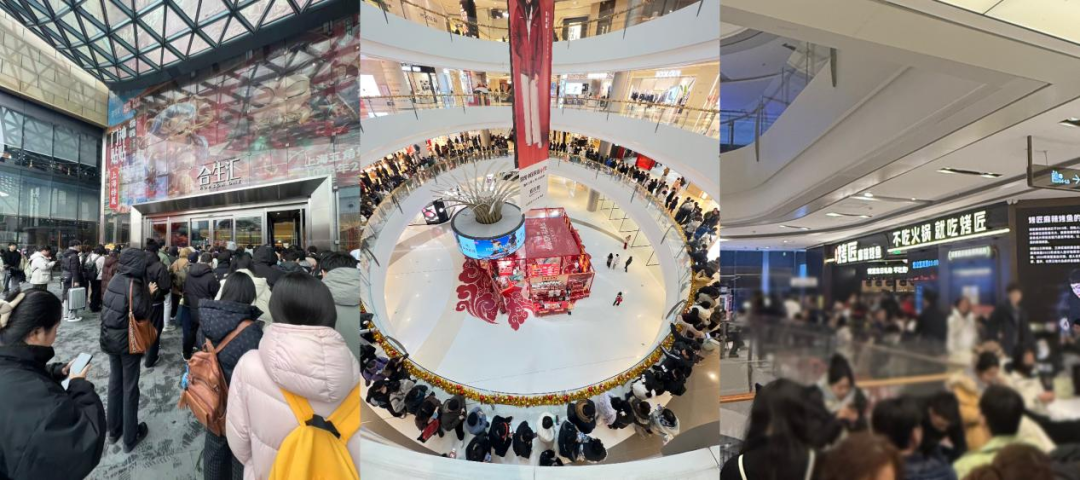
Core Viewpoint - The article discusses the phenomenon of long queues for the Chengdu grilled fish brand "Kao Jiang" in Shanghai, highlighting the implications of such popularity on consumer experience and brand sustainability [1][3][12]. Group 1: Queue Phenomenon - "Kao Jiang" experienced extreme queue times, with reports of up to 13 hours on its opening day in Shanghai, and over 6,300 tables registered for the next day [1][4]. - The long wait times have led to the emergence of "queue scalpers," with reports of scalpers earning over 1,000 yuan per day by selling queue numbers [2][7]. - Social media discussions reflect mixed sentiments, with some consumers expressing relief at avoiding the hype, while others criticize the marketing tactics reminiscent of past fleeting internet-famous brands [2][12]. Group 2: Marketing and Consumer Experience - The brand's marketing strategy includes pre-opening promotions, celebrity endorsements, and social media buzz, which have contributed to its initial success [7][12]. - However, the long wait times have negatively impacted consumer experience, leading to mixed reviews about the food quality and overall satisfaction [11][13]. - Consumers have reported that the actual dining experience does not always meet the high expectations set by the lengthy wait, with some dishes receiving average ratings [11][13]. Group 3: Long-term Sustainability Challenges - The article raises concerns about "Kao Jiang's" ability to maintain its popularity beyond the initial hype, questioning whether it can avoid the fate of other fleeting internet-famous brands [3][19]. - The brand's reliance on marketing and the "first-store economy" may pose risks as consumer curiosity wanes, leading to challenges in product differentiation and innovation [16][17]. - Historical examples of similar brands illustrate a common trajectory of initial success followed by a decline in consumer interest, emphasizing the need for "Kao Jiang" to build lasting brand loyalty and product quality [17][18].

经济学家解读“烤匠奇迹”,排队15小时、翻台10轮凭什么?
Mei Ri Jing Ji Xin Wen· 2026-02-06 10:10
Core Insights - The article highlights the success of the brand "烤匠" (Kao Jiang) in the competitive restaurant industry, showcasing its unique approach to product quality and customer experience, which has led to significant consumer loyalty and high demand [3][10][15] Group 1: Consumer Demand and Market Position - On its opening day, the Shanghai location of 烤匠 saw over 15 hours of waiting time, with more than 6,300 tables booked the following day, indicating strong consumer interest and demand [1][3] - The brand has achieved a remarkable repurchase rate of 22.33% by 2025, significantly higher than the average for traditional dining, demonstrating strong customer loyalty [3] - 烤匠's strategic expansion has been characterized by a "one city, one fire, one stability" approach, successfully navigating a challenging market environment [3][15] Group 2: Product Innovation and Quality - 烤匠 focuses on authentic flavors, particularly its signature spicy fish dish, which has been refined over the years to create a unique taste profile that resonates with consumers [5][9] - The brand has introduced innovative products such as handmade black bean desserts and a circular fish plate to enhance the dining experience, establishing a high barrier to imitation [5][9] - 烤匠 has been recognized as a leading brand in the Sichuan and Chongqing fish market, further solidifying its reputation through awards and consumer recognition [7] Group 3: Customer Experience and Engagement - The brand has transformed dining into a social and emotional experience, particularly for younger consumers, by offering personalized services such as birthday celebrations that cater to social anxieties [10][12] - 烤匠 has optimized various customer touchpoints, resulting in a seamless experience that has led to a membership base of 8 million, with over 60% of sales coming from members [12] - The brand actively involves its customers in co-creating experiences, from new product launches to store locations, enhancing emotional connections with the brand [12][14] Group 4: Long-term Strategy and Economic Impact - 烤匠's cautious expansion strategy, with only 77 stores opened in 13 years, reflects a commitment to long-term sustainability rather than rapid growth [15] - The brand's ability to adapt to consumer needs and create high-quality offerings has positioned it as a model for driving economic growth and consumer confidence [15][17] - Economic experts have noted that 烤匠's success is rooted in its understanding of consumer preferences and its ability to innovate within established frameworks, contributing to a positive cycle of consumption and production [15][17]
排队3小时吃烤鱼,蟑螂上桌乱窜!到餐厅消费遇卫生乱象该怎么维权?
Xin Lang Cai Jing· 2026-01-05 08:01
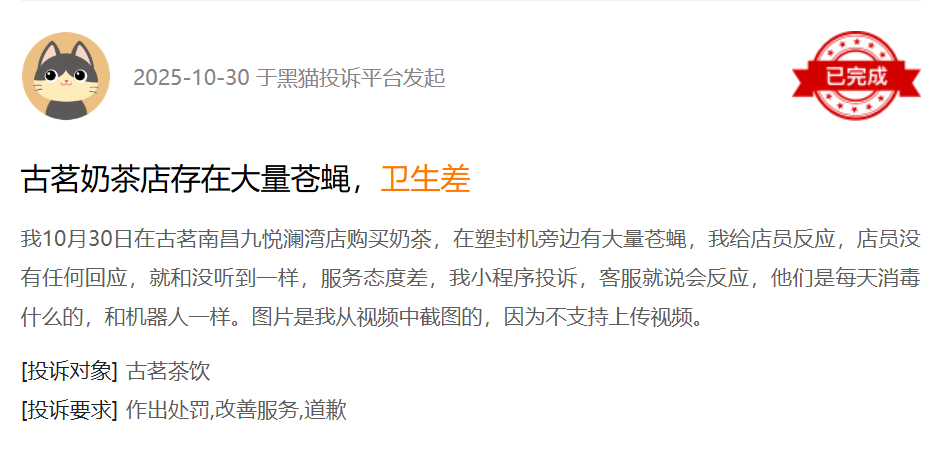
Core Viewpoint - The article highlights the increasing concerns regarding hygiene and food safety in the restaurant industry, emphasizing the need for consumers to be vigilant and informed about their rights when faced with unsatisfactory conditions [1][13]. Group 1: Consumer Experiences and Complaints - A consumer encountered a cockroach at a popular restaurant, leading to immediate dissatisfaction and a lack of substantial compensation from the restaurant [1][13]. - Complaints about hygiene and food safety are prevalent on platforms like Black Cat Complaints, indicating a broader issue within the industry [1][13]. Group 2: Choosing Safe and Hygienic Restaurants - Consumers should prioritize restaurants with complete certifications, including business licenses and food operation permits [5][18]. - It is advisable to check recent user reviews on popular service platforms, focusing on keywords related to hygiene issues [5][19]. - Upon arrival, consumers should assess the overall cleanliness and operational standards of the restaurant, as well as the condition of the dining area [5][20]. Group 3: Effective Consumer Rights Protection - Consumers should document evidence of any hygiene issues encountered during their meal, such as taking photos or videos of unsatisfactory conditions [5][21]. - Engaging in direct communication with restaurant staff and management is crucial, and recording conversations can help in asserting claims [5][22]. - If issues remain unresolved, consumers can utilize various channels for further action, including third-party complaint platforms like Black Cat Complaints [5][24], the 12315 complaint hotline [5][25], and local market supervision authorities for food safety concerns [5][26].
《进化的力量》刘润2025年度演讲六大核心迁徙体系精炼(附演讲全文)
首席商业评论· 2025-10-26 04:34
Core Viewpoint - The article emphasizes the necessity for businesses and individuals to undergo "migration" in response to the systemic "drought" in ecological niches, which is characterized by the end of growth opportunities and increased competition. This migration involves abandoning old advantages and moving towards new demands, capabilities, markets, organizations, and technological orders [4][5][6]. Group 1: Overall Framework - The speech is structured into eight major parts, focusing on six critical migrations that determine whether a business can survive and grow: category migration, value migration, model migration, overseas migration, intelligent migration, and demographic migration [4][6]. - The overarching theme is that in an environment of "ecological drought," businesses must strategically migrate to survive and rebuild growth [4][5]. Group 2: Major Migrations 1. Category Migration - Category rigidity arises from excessive optimization of old demands and slow responses to new demands. Innovation requires redefining problems rather than merely improving existing solutions [6][8]. - A methodology for category migration includes stopping current practices, redefining the problem, and addressing new demands [6][8]. 2. Value Migration - The consumption landscape is shifting towards a "value reordering" era, where consumers exhibit frugality in some categories while being generous in others, indicating a shift from pure price sensitivity to emotional and meaningful consumption [8][9]. 3. Model Migration - As product life cycles end, core capabilities can still migrate and create new value. The key to successful migration lies in capability assessment, market scanning, and model validation [10][11]. 4. Overseas Migration - In increasingly crowded domestic markets, "going overseas" serves as a systematic migration strategy, offering new market opportunities and validating capabilities on a global stage [15][16]. 5. Intelligent Migration - AI and smart technologies are not merely tools but cognitive extensions that redefine human-machine collaboration, altering efficiency and business models [16][17]. 6. Demographic Migration - Changes in population dynamics, such as declining birth rates and aging populations, serve as long-term demand reshapers, impacting various industries [18][19]. Group 3: Practical Recommendations - Companies should conduct capability assessments, identify three unique capabilities, and explore new applications for these capabilities in adjacent industries [19][20]. - Businesses are encouraged to view overseas expansion as a means to amplify capabilities rather than a short-term revenue fix [20][21]. - The article suggests designing emotional touchpoints and small satisfactions to enhance customer loyalty and word-of-mouth [21][22]. Group 4: Conclusion and Action Items - The conclusion stresses that when ecological conditions are harsh, migration is preferable to mere competition. The six core migrations are essential for businesses to survive and grow [22][23]. - Immediate actionable items for companies include conducting a "river crossing meeting" to reassess priorities, performing capability inventories, and experimenting with both functional and emotional product lines [25][26].

烤匠麻辣烤鱼创始人冷艳君:老顾客近六成 拒打价格战 烤匠要从“网红”变为“长红”
Bei Jing Shang Bao· 2025-05-29 08:12
Core Insights - The 2025 Beijing Catering Industry High-Quality Development Conference was held on May 29, focusing on enhancing the capital's catering industry [2] - The conference gathered government departments, leading catering enterprises, industry experts, and skill masters to discuss upgrading paths for the catering industry [2] Company Insights - The founder of Kuaijiang, Leng Yanjun, highlighted that the brand, established in December 2013, has focused on the Sichuan-Chongqing market and has opened 70 direct-operated stores in that region before entering Beijing [2] - Kuaijiang officially entered the Beijing market in September 2024, with its first store located in He Shenghui, followed by two more stores in January and April 2025 [2] - The brand has experienced high customer turnout in Beijing, with nearly 60% of customers being repeat visitors from the Sichuan-Chongqing region, benefiting from a strong customer base built over 11 years [2] Industry Insights - Kuaijiang differentiates itself in the competitive grilled fish market through product innovation and deep research into the origins of grilled fish, focusing on flavor, product, and serving ware upgrades [3] - The company has chosen not to engage in price wars, maintaining its pricing strategy even during challenging times, and instead focuses on creating differentiated value based on customer needs [3] - Kuaijiang's target demographic primarily consists of young women, with gatherings among couples and friends making up 90% of its customer base, leading to tailored services for special occasions like birthdays [3] - The brand aims to transition from being a "ten-year internet celebrity" to a "thirty-year internet celebrity," focusing on long-term brand sustainability in the rapidly evolving Chinese catering market [3]

寻找消费力|餐饮 始于猎奇忠于品质
Bei Jing Shang Bao· 2025-05-26 10:30
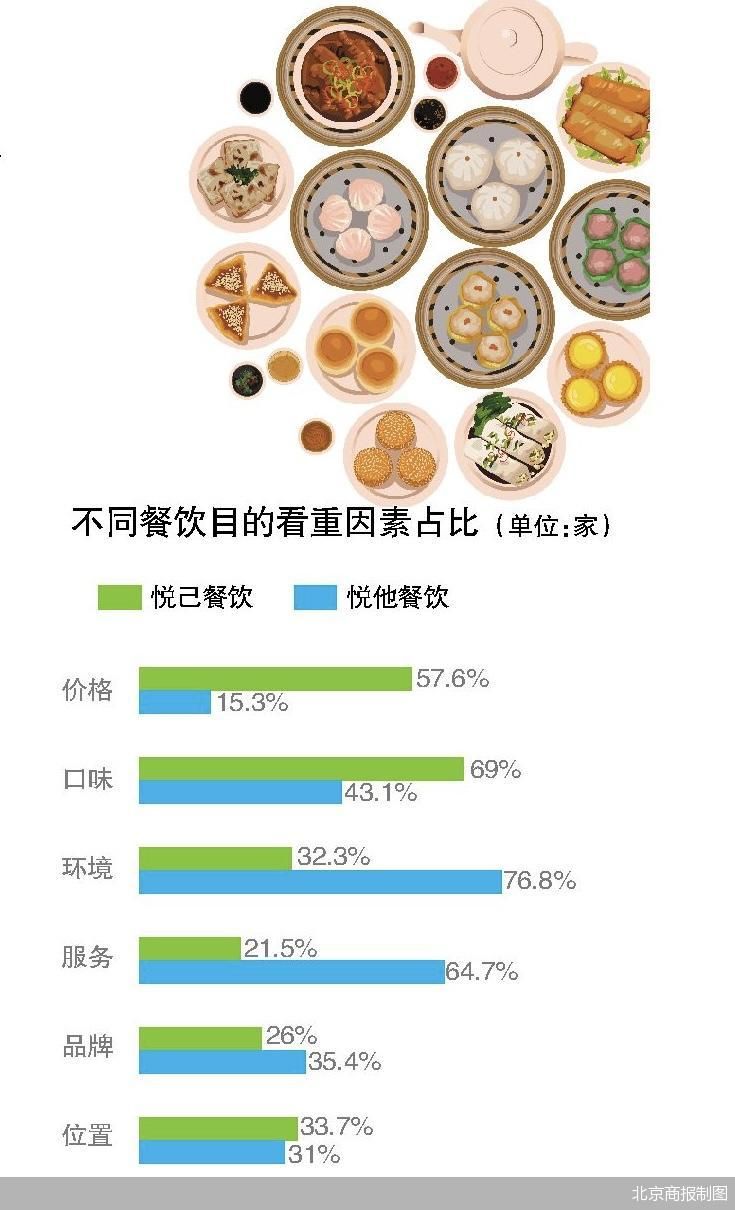
Core Insights - The restaurant industry is undergoing a transformation from basic needs to personalized and diverse experiences, driven by consumer demand for quality and safety alongside price sensitivity [1][5][6] Group 1: Consumer Behavior - Consumers are increasingly focused on product value, with a notable shift towards seeking high cost-performance ratios while maintaining expectations for food safety and quality [5][6] - The average price in the restaurant sector has decreased, with a drop from 43.2 yuan in 2022 to 42.6 yuan in 2023, and further declining to 39.8 yuan in 2024 [5] - A significant portion of consumers (29.6%) are willing to try new restaurants if the price is right, indicating a strong desire for novel dining experiences [9] Group 2: Industry Trends - The restaurant sector is moving from price competition to a focus on supply chain efficiency and quality assurance [6][12] - Emotional value and unique dining experiences are becoming key drivers for consumer engagement, with a rise in demand for immersive and thematic dining environments [7][10] - Brands are innovating in store models and experience design to enhance customer emotional resonance and brand loyalty [10][13] Group 3: Market Dynamics - The market is characterized by a diverse consumer base with varying preferences, such as younger consumers favoring healthy options and families seeking child-friendly dining experiences [12][13] - Long-term customer loyalty is essential for success, as evidenced by brands that maintain high repurchase rates through quality offerings rather than short-term promotional tactics [11][13]