穷鬼套餐

Search documents
3年涨价4次,麦当劳的“穷鬼套餐”涨价之路怎么分析?
Bei Jing Ri Bao Ke Hu Duan· 2026-02-03 03:19
Group 1 - The "poor man's meal" at McDonald's has seen price increases four times in three years, transforming from a budget option to one perceived as exclusive to the middle class [3][5] - Price hikes of 0.5 to 1 yuan have been noted across various menu items, with popular items like the Big Mac and McChicken increasing by 1 yuan, while smaller items and desserts have risen by 0.5 yuan [3][5] - The initial purpose of the "poor man's meal" was to counter KFC's "Crazy Thursday" promotions, aiming to attract price-sensitive consumers and regain market share [5][7] Group 2 - Rising operational costs, including raw material prices, labor costs, and rent, have pressured McDonald's to increase prices as a means to maintain profit levels [7][10] - The phenomenon of price increases coupled with reduced portion sizes has led to consumer dissatisfaction, as they feel their value for money is compromised [7][8] - McDonald's attempts to appeal to both low-income and middle-class consumers have resulted in a disconnect, leaving both groups feeling alienated [8][10] Group 3 - The pricing strategy reflects a misunderstanding of the fast-food industry's core principle of "low margin, high volume," which is essential for survival in the competitive market [10] - The failure to balance cost pressures with consumer expectations has led to a decline in McDonald's competitiveness in the mass market, as local brands offer better value propositions [10]


3年涨价4次,麦当劳的“穷鬼套餐”为啥中产也喊“吃不起”?
Sou Hu Cai Jing· 2026-01-03 11:35
Core Viewpoint - The "Poverty Meal" at McDonald's, once a symbol of affordability, has undergone four price increases in three years, transforming it into a product perceived as exclusive to the middle class [3][4]. Price Increases - McDonald's has raised prices on most menu items by 0.5 to 1 yuan, with classic burgers and snacks seeing a 1 yuan increase, while some desserts have increased by 0.5 yuan [3]. - The "1+1" Poverty Meal remains at 13.9 yuan, but popular choices like the Double Cheeseburger have also increased by 1 yuan, leading to consumer dissatisfaction [3][4]. Market Strategy - The introduction of the "Poverty Meal" was a strategic response to KFC's "Crazy Thursday" promotions, aiming to capture price-sensitive consumers and regain market share [4]. - This pricing strategy, while initially appealing, has not been sustainable, leading to a misalignment between cost structure and consumer expectations [4][10]. Cost Pressures - Rising costs of raw materials, labor, and rent have pressured McDonald's to increase prices to maintain profit levels, resulting in a perception of reduced value among consumers [7]. - The phenomenon of price increases coupled with smaller portion sizes has become a focal point of consumer complaints, undermining satisfaction and loyalty [7]. Consumer Expectations - The essence of fast food lies in being quick and affordable, and McDonald's risks alienating its core customer base by raising prices while maintaining a low-cost image [8]. - The shift in consumer sentiment reflects a broader anxiety about rising living costs, with the "Poverty Meal" becoming a symbol of this struggle [8]. Pricing Strategy - McDonald's pricing strategy reveals a misunderstanding of the fast food industry's core principle of "low margin, high volume," which is essential for survival in the competitive market [10]. - The failure to balance cost pressures with consumer demands has led to a loss of competitiveness in the mass market, as local brands offer better value propositions [10].
3年涨4次的麦当劳快把「穷鬼套餐」变中产专属?
36氪· 2025-12-22 00:00
Core Viewpoint - McDonald's has implemented multiple price increases over the years, leading to consumer dissatisfaction, particularly among budget-conscious customers, as the prices of popular items have risen while portion sizes have shrunk [4][5][30]. Price Increases - On December 15, McDonald's raised prices on most menu items by 0.5 to 1 yuan, marking the second price increase of the year and the third consecutive year of end-of-year price adjustments [4][5][11]. - The "1+1" budget meal, which remains at 13.9 yuan, has seen the price of its most popular item, the double cheeseburger, increase by 1 yuan, effectively making the meal more expensive for consumers who prefer this option [5][14]. - The average price increase across various products has been reported to be around 3% [30][31]. Consumer Reactions - Social media has been flooded with complaints from consumers regarding the price hikes, with many expressing their frustration over the perceived decline in value [10][24]. - The shrinking size of menu items, particularly the double cheeseburger, has led to further dissatisfaction, as customers feel they are receiving less food for their money [17][22]. Market Context - McDonald's has faced similar backlash in international markets, with reports of significant price increases in countries like Australia and the United States, where the average price of menu items has risen substantially since 2019 [32][34]. - In the U.S., a class-action lawsuit was filed against McDonald's for misleading advertising regarding portion sizes, highlighting the growing discontent among consumers [32][34]. Brand Positioning - Despite the price increases, McDonald's continues to be viewed as a relatively affordable dining option compared to other fast-food chains, maintaining a strong customer base among budget-conscious consumers [41][42]. - The brand has successfully marketed itself as a staple for working-class individuals, with its budget meal options being particularly popular in urban areas [40][41].
麦当劳又涨价了!“穷鬼套餐”告别年轻人
Sou Hu Cai Jing· 2025-12-17 03:58
Core Viewpoint - McDonald's has quietly raised prices on several menu items in China, indicating a strategic shift in pricing amidst a competitive market and expansion plans [2][3]. Pricing Strategy - Starting December 15, McDonald's increased prices by 1 yuan for items like the Big Mac and Chicken McNuggets, and by 0.5 yuan for fries and McFlurry [2]. - The "poor man's meal" remains at 13.9 yuan, but adding a classic double cheeseburger now costs an additional 1 yuan, effectively raising the price to 14.9 yuan [2]. - The pricing strategy appears to be a deliberate "price filtering" approach, maintaining basic meal options for cost-conscious customers while slightly increasing prices on popular items to differentiate between customer segments willing to pay more [2][3]. Market Context - Despite a competitive environment in the Chinese food delivery market, where many competitors are offering promotions, McDonald's has opted for price increases [2]. - In contrast, McDonald's in the U.S. is lowering prices to regain a "value" image due to declining customer traffic, highlighting a divergence in strategy based on market conditions [2]. - The confidence in raising prices in China may stem from a deep understanding of the local consumer market, where brand loyalty and convenience still drive purchases even at higher prices [2]. Expansion Plans - McDonald's aims to open nearly 1,000 new stores this year as part of its goal to reach 10,000 stores by 2028, which necessitates balancing expansion costs with profitability [3]. - The recent price adjustments may serve as a test to balance the company's ambitious expansion goals with its profit targets, using basic meal options to retain core customers while experimenting with price increases on individual items [3].
集体阵亡的米其林餐厅,被“穷鬼套餐”打趴了
Hu Xiu· 2025-08-04 03:33
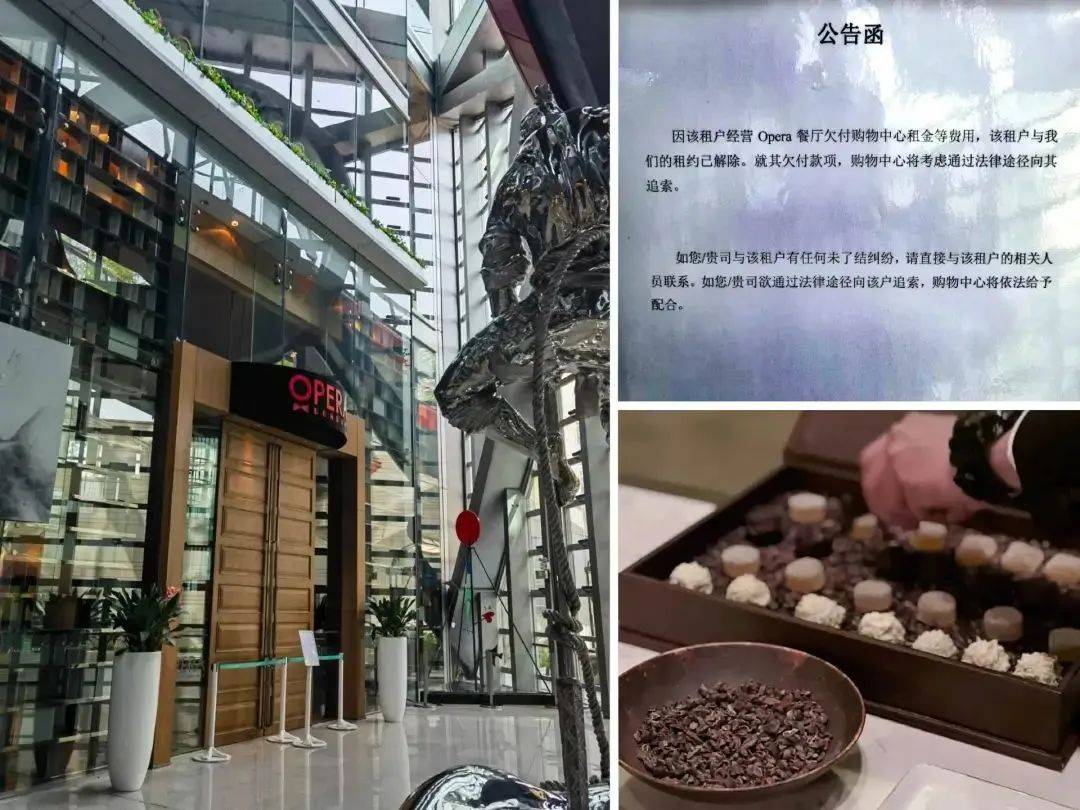
Group 1 - The core viewpoint of the articles highlights the significant decline of high-end dining, particularly Michelin-starred restaurants, in China, with many establishments closing down or facing severe operational challenges [1][5][13] - Data indicates a drastic reduction in the number of high-end restaurants, with a 40% decrease in Shanghai, 47% in Beijing, and 57% in Shenzhen over three years, projecting a 50% overall reduction by 2025 compared to 2022 [1][26] - The shift in consumer preferences from high-priced dining to more affordable options is evident, as consumers increasingly seek value for money, leading to the rise of budget-friendly dining experiences [5][26][40] Group 2 - Michelin-starred restaurants, once seen as the pinnacle of fine dining, are experiencing a notable decline, with several high-profile closures, including TIAGO and Opera BOMBANA, which faced operational and financial difficulties [2][3][14] - The operational costs associated with maintaining Michelin status, such as high staff salaries and expensive renovations, have become unsustainable as customer traffic declines [30][31] - The changing landscape of dining preferences, with a growing demand for unique and affordable dining experiences, has further exacerbated the challenges faced by high-end restaurants [33][34][40]
店员给顾客下跪,靠“穷鬼套餐”爆火的零食巨头又出事了
凤凰网财经· 2025-07-07 13:14
Core Viewpoint - The incident of a store employee kneeling to apologize to a customer has sparked intense discussions about customer service and employee dignity in the retail industry, highlighting the challenges faced by frontline workers in maintaining respect while adhering to customer-centric policies [3][21]. Group 1: Incident Overview - A video showing a store employee kneeling to apologize to a customer over a queue dispute went viral, leading to over ten million views before its deletion [3]. - The incident occurred when a cashier was accused of allowing a customer with many items to cut in line, prompting the employee's extreme apology [3][7]. - The aftermath of the incident saw mixed public reactions, with some condemning the customer's behavior and others questioning the appropriateness of the employee's response [3][21]. Group 2: Company Background - The company involved, "好想来," is a brand under 万辰集团 (Wancheng Group), a leading player in the Chinese snack retail industry, boasting 15,000 stores nationwide by March 2025 [8][9]. - Founded by 王健坤 (Wang Jiankun), the company has rapidly expanded through aggressive strategies, including zero franchise fees and a focus on community-based low-cost offerings [9][11]. - Despite impressive growth, the company faces challenges such as inadequate employee training and management issues, leading to numerous complaints about service quality and product standards [11][20]. Group 3: Broader Implications - The kneeling incident raises critical questions about the balance between customer rights and employee dignity in the service industry, suggesting a need for companies to rethink their operational policies [21]. - The rapid expansion of "好想来" has resulted in operational strains, with reports of over 926 complaints on service and product quality, indicating a potential risk to the brand's reputation [11][20]. - The ongoing scrutiny of 万辰集团, including investigations into its founder, adds to the uncertainty surrounding the company's future and its ability to maintain customer trust and employee morale [20][21].

寻找消费力|餐饮 始于猎奇忠于品质
Bei Jing Shang Bao· 2025-05-26 10:30
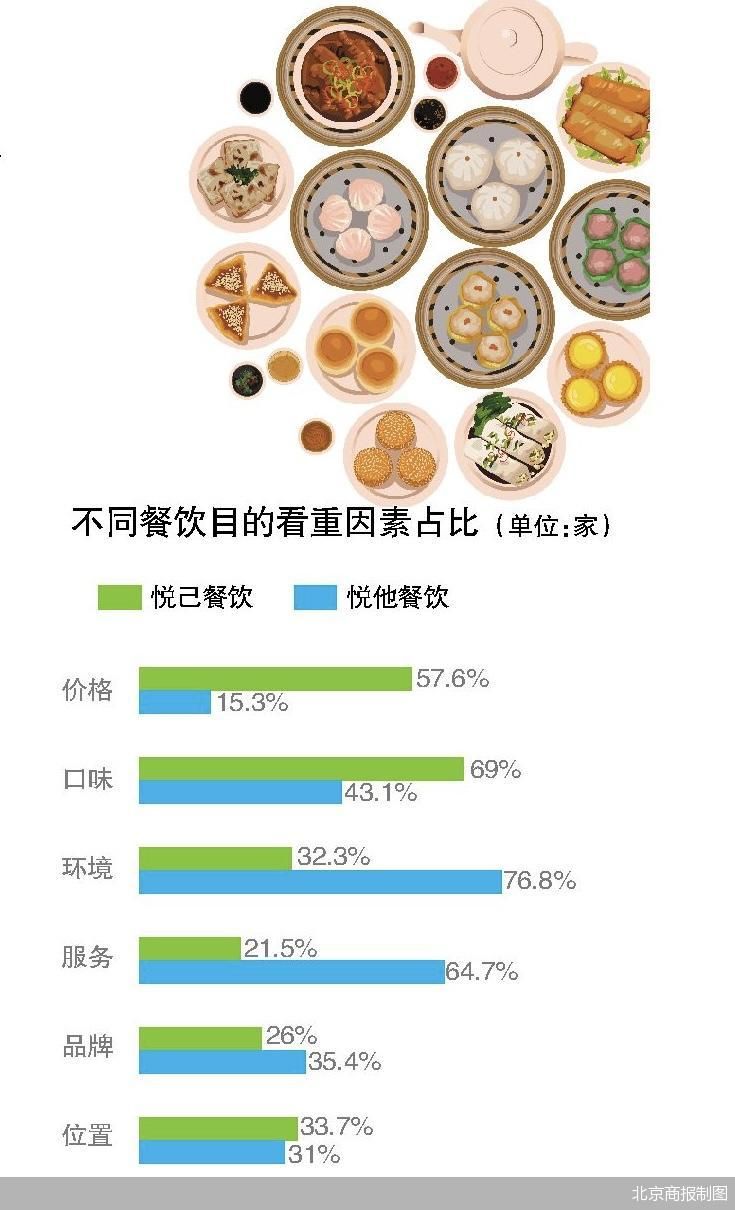
Core Insights - The restaurant industry is undergoing a transformation from basic needs to personalized and diverse experiences, driven by consumer demand for quality and safety alongside price sensitivity [1][5][6] Group 1: Consumer Behavior - Consumers are increasingly focused on product value, with a notable shift towards seeking high cost-performance ratios while maintaining expectations for food safety and quality [5][6] - The average price in the restaurant sector has decreased, with a drop from 43.2 yuan in 2022 to 42.6 yuan in 2023, and further declining to 39.8 yuan in 2024 [5] - A significant portion of consumers (29.6%) are willing to try new restaurants if the price is right, indicating a strong desire for novel dining experiences [9] Group 2: Industry Trends - The restaurant sector is moving from price competition to a focus on supply chain efficiency and quality assurance [6][12] - Emotional value and unique dining experiences are becoming key drivers for consumer engagement, with a rise in demand for immersive and thematic dining environments [7][10] - Brands are innovating in store models and experience design to enhance customer emotional resonance and brand loyalty [10][13] Group 3: Market Dynamics - The market is characterized by a diverse consumer base with varying preferences, such as younger consumers favoring healthy options and families seeking child-friendly dining experiences [12][13] - Long-term customer loyalty is essential for success, as evidenced by brands that maintain high repurchase rates through quality offerings rather than short-term promotional tactics [11][13]