
牛肋条自助

Search documents
闭店率高达80%,盘点2025餐饮四大“杀猪盘”
3 6 Ke· 2025-11-12 04:42
Core Insights - The article highlights the high failure rate of new restaurant ventures, with 70% of new stores closing within three months, indicating a closure rate nearing 80% in the restaurant market by 2025 [1] - It identifies four major "killing plate" categories in the restaurant industry that are short-lived despite appearing trendy and profitable [1] Group 1: Dry Steamed Dishes - A surge in dry steamed dish restaurants, branded as "Shunde Dry Steamed" and "Ningbo Dry Steamed," saw rapid popularity with prices ranging from 15 to 50 yuan, but led to a significant closure wave within six months [2][4] - The lack of differentiation in store design and menu offerings resulted in low customer retention and market trust, as many establishments resorted to using frozen ingredients instead of fresh ones [4] Group 2: Self-Service Beef Ribs - Self-service beef rib restaurants gained traction due to falling beef prices, with a notable 24% drop in wholesale prices by the end of 2024, but faced a rapid decline as prices began to rise again [5][6] - The business model relied heavily on fluctuating beef prices, leading to unsustainable operations as costs increased, with many restaurants reporting losses shortly after opening [6][7] Group 3: Large Pot Braised Dishes - The rise of large pot braised dishes was fueled by viral social media content promoting easy profits, but investigations revealed it to be a scheme targeting naive entrepreneurs [8][11] - Many aspiring business owners found themselves misled by exaggerated success stories, leading to financial losses and unsustainable operations [11] Group 4: 7 Yuan Beef Noodle - The 7 yuan beef noodle concept attracted many entrepreneurs with promises of low costs and quick returns, but resulted in high competition and market saturation, leading to significant financial strain [12][15] - The lack of differentiation and reliance on low prices created a race to the bottom, with many establishments unable to cover basic operational costs due to rising beef prices [15] Conclusion - The common traits among these four categories include low entry barriers, easy replication, and high homogeneity, which obscure the true challenges of achieving sustainable profitability and competitive differentiation in the restaurant industry [16] - The article emphasizes the importance of thorough market understanding and strategic planning before entering the restaurant business, warning against impulsive investments that resemble gambling rather than informed decision-making [16][17]

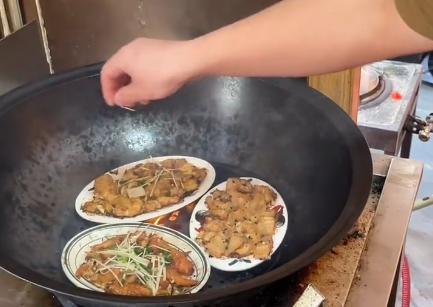
开业15天就倒闭!牛肉餐饮成“创业重灾区”
Xin Lang Cai Jing· 2025-11-09 20:17
Core Viewpoint - The enthusiasm for beef-related startups has significantly cooled down, with several projects, particularly self-service beef rib restaurants, facing closures and challenges in sustaining operations [2][4][7]. Group 1: Market Trends - The self-service beef rib concept gained popularity in the second half of 2024, but many brands, including "Lin Zhenzhen Beef Ribs," have seen a drastic decline in store numbers from nearly 100 to 83 within months [4][6]. - The trend of self-service beef restaurants has shifted towards smaller cities, with many franchisees lured by low initial investment promises, often around 300,000 yuan [6][10]. - The beef price fluctuations have impacted profitability, with a notable increase in beef prices starting in early 2025, reversing the previous trend of declining prices [13][14]. Group 2: Business Challenges - Many beef-related startups, including fresh-cut beef hot pot and quick-service beef noodle shops, have faced closures due to rising costs and declining customer traffic [7][9]. - The initial appeal of high customer turnover and low-cost offerings has diminished, leading to a significant drop in revenue and profitability for many operators [10][16]. - The reliance on low-cost beef as a value proposition has proven unsustainable, as rising prices have forced brands to either compromise on quality or increase prices, both of which have led to reduced customer interest [15][16]. Group 3: Consumer Behavior - Consumers are increasingly making dining decisions based on overall experience rather than just price, which has affected the performance of brands that previously thrived on low-cost offerings [16][18]. - Social media has become a platform for sharing negative experiences related to self-service beef restaurants, further damaging brand reputation and customer loyalty [18].

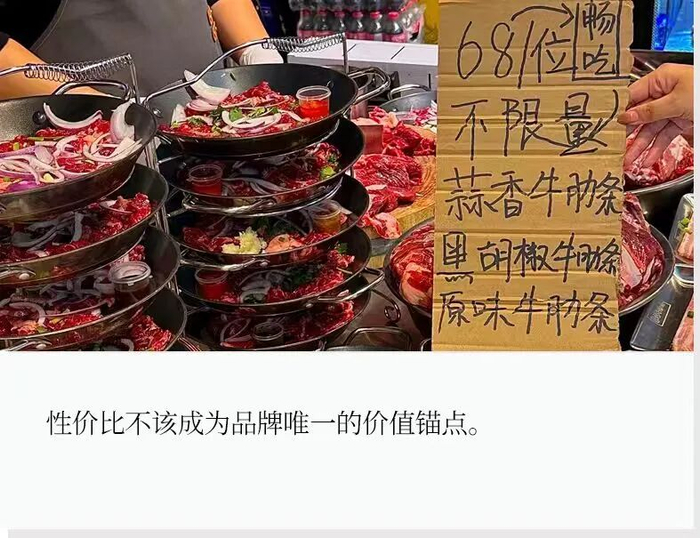
“不到5个月亏200万”,牛肋条自助,正在“收割”加盟商
3 6 Ke· 2025-10-29 01:25
Core Viewpoint - The rapid rise and subsequent decline of the beef rib self-service dining model highlights the volatility of the restaurant industry, particularly in the context of fluctuating beef prices and unsustainable business practices [1][2][25]. Group 1: Market Dynamics - The beef rib self-service dining model gained popularity due to a low-cost, all-you-can-eat pricing strategy, attracting numerous new entrants and leading to a rapid expansion of outlets [1][2]. - However, this trend was short-lived, with many brands, including the once-prominent "Lin Zhenzhen," facing closures within a year of operation [1][7]. - The closure of these outlets is not limited to specific regions, as similar patterns are observed across multiple provinces in China, indicating a nationwide trend [6][9]. Group 2: Financial Struggles - Franchisees have reported significant financial losses, with one franchisee estimating a loss of over 2 million yuan within five months, primarily due to high franchise fees and operational costs [10][12]. - The profitability of these self-service models is under pressure, with reports indicating that revenue has plummeted to only 20%-30% of previous levels [12][23]. Group 3: Supply Chain Challenges - The reliance on beef as a primary ingredient exposes the business model to risks associated with price volatility; beef prices have risen by 27.33% year-on-year, impacting profit margins [17][20]. - The lack of a robust supply chain has been identified as a critical issue, as many brands fail to balance cost management with customer experience, leading to operational difficulties [20][25]. Group 4: Industry Lessons - The rapid rise and fall of the beef rib self-service dining model serve as a cautionary tale for the restaurant industry, emphasizing the importance of sustainable business practices and long-term planning [21][25]. - The phenomenon of "internet celebrity" brands experiencing quick success followed by rapid decline reflects a broader trend in the industry, where many new entrants lack the necessary infrastructure to support sustained growth [23][25].
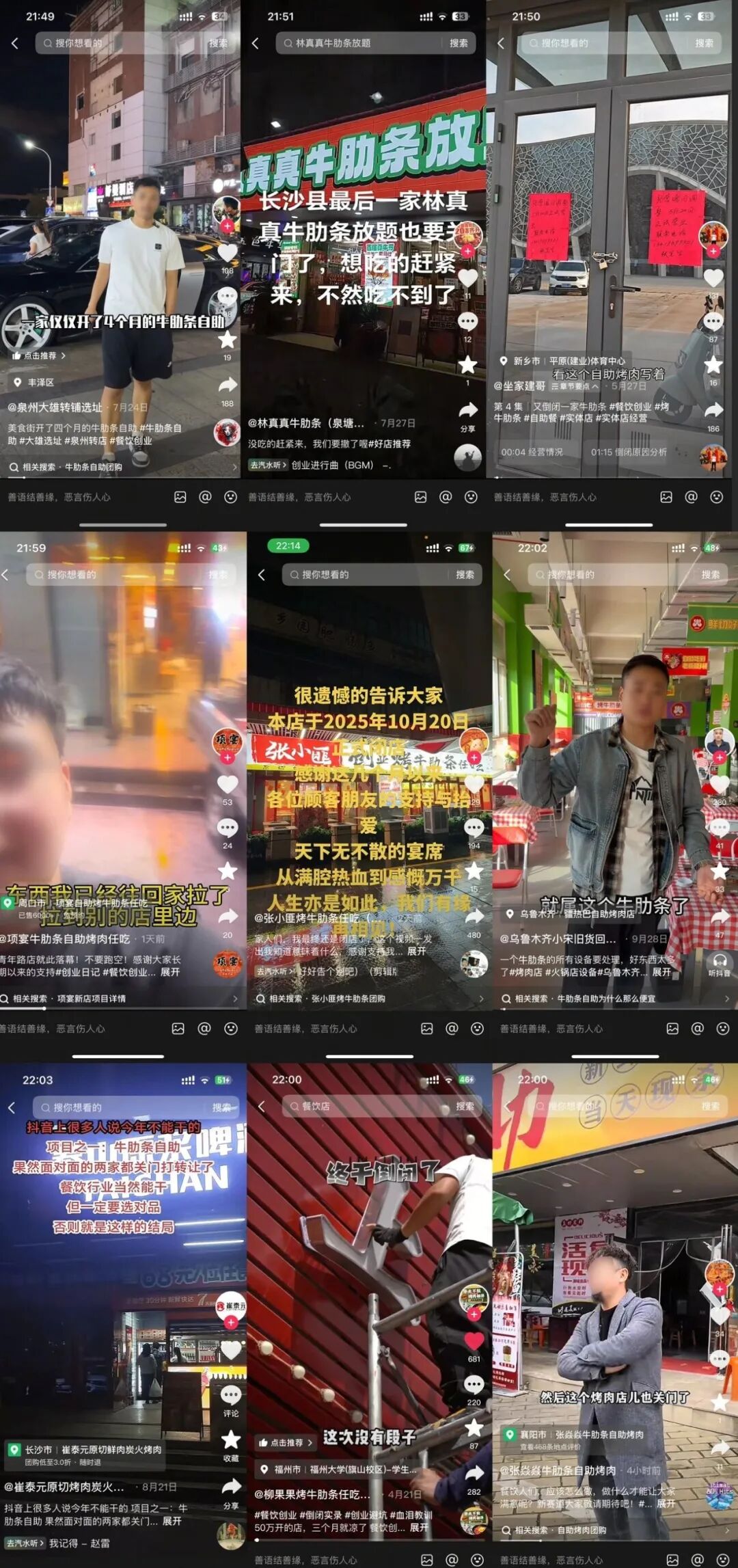
59元/位,为什么吃不垮牛肋条自助?
3 6 Ke· 2025-05-30 12:14
Group 1 - The core point of the article is that the success of the self-service beef rib model in the restaurant industry relies on cost-saving strategies and efficient management rather than just taste [1][28] - The emergence of self-service beef rib restaurants is characterized by low prices, with offerings starting as low as 59 yuan per person, leading to rapid expansion in urban areas [2][3] - The business model of self-service restaurants is designed to limit customer consumption, ensuring that customers do not eat back the cost of their meal [6][12] Group 2 - A common strategy in self-service restaurants is "supply limitation," where certain high-cost items are made less accessible, thus controlling customer consumption [9][10] - The self-service beef rib model effectively limits supply by requiring customers to finish one plate before getting another, which helps manage food waste and costs [14][15] - The menu of self-service beef rib restaurants is intentionally kept simple, focusing on a few types of beef ribs and minimal additional items, which helps reduce operational costs and complexity [19][20][25] Group 3 - The recent decline in beef prices has allowed for the proliferation of beef-centric dining options, creating a sense of value for consumers [33][34] - The article highlights that while the self-service beef rib model appears profitable now, it is heavily dependent on the price of beef, which could pose risks if prices rise again [29][37] - Future challenges for the self-service beef rib industry may include reduced profit margins, potential store closures, or a shift to lower-quality offerings if beef prices increase [38][39]