
特斯拉储能系统

Search documents
特斯拉(TSLA):一家或将陷入衰退的成长型企业
美股研究社· 2026-01-07 11:18
Core Viewpoint - Tesla's stock price has remained stagnant since the downgrade to "sell" in October 2025, with recent quarterly earnings and delivery reports reinforcing bearish sentiments, presenting a rare exit opportunity for investors [1]. Energy Storage Business - Tesla's energy storage capacity reached a record high of 14.2 GWh in Q4 2025, with a total annual installation of 46.7 GWh, indicating strong expansion [4]. - However, the year-on-year growth rate for energy storage installations has significantly declined to 49% in 2025, down from 114% in 2024 and 126% in 2023, with projections suggesting a further slowdown to 26% by 2029 [4]. - Revenue per GWh from energy storage has halved from nearly $700 million in 2020-2021 to $276 million in Q3 2025, indicating a continuous decline [4]. Automotive Business - Tesla's automotive deliveries fell by 16% year-on-year in Q4 2025, marking the worst quarterly performance in the company's history, with a total annual decline of 9% [7]. - The average selling price of Tesla vehicles dropped below $40,000 as of Q3 2025, raising doubts about the feasibility of reaching a projected annual delivery of 3 million vehicles by 2029, which would only represent a 28% growth from 2025 [8]. - In the Chinese market, Tesla's sales stagnated while competitors like Xiaomi saw significant growth, and in Europe, Tesla's new car registrations plummeted by up to 71% in various countries, leading to an estimated 25% decline in overall registrations for 2025 [9][10]. Emerging Business Risks - The anticipated sales of Tesla's humanoid robot, Optimus, are already factored into current valuations, with market expectations suggesting a potential revenue of $22.5 billion by 2027 [11]. - Current valuations are deemed excessively high, with a forward P/E ratio of 147, indicating a disconnect from fundamental performance [11]. - The company's reputation has been adversely affected by the founder's political stance, leading to a significant loss of consumer trust and core personnel risk, which could further undermine market competitiveness [13]. Conclusion - Tesla is no longer viewed as a high-growth company but rather as one facing significant challenges and potential decline, suggesting that now may be the last opportunity for investors to exit [14].


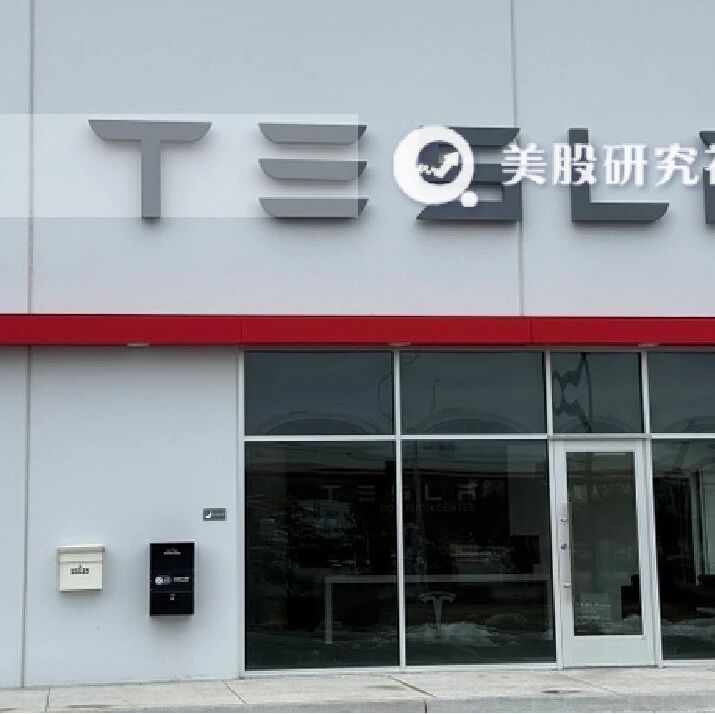
大陆首单!特斯拉国内储能电站年内将投运,未来五年全球相关产品营收或超四千亿
Xuan Gu Bao· 2025-06-25 23:30
Group 1 - Tesla's first grid-side energy storage project in mainland China is expected to be operational this year, with a storage capacity of 300 MWh [1] - Tesla's energy storage business model involves sourcing battery cells from suppliers and assembling them into complete storage systems, with six suppliers including Panasonic, LG Energy, CATL, BYD, Xinwangda, and Yiwei Lithium Energy [1] - The energy storage system utilizes active balancing technology and targets the high-end market, indicating significant growth potential alongside the increasing photovoltaic market and future AI electricity demand [1] Group 2 - The estimated price for 1 GW of Tesla's energy storage system is approximately $500 million, with Tesla holding a 15% share of the global energy storage market in 2023 [1] - Based on IEA's 2030 installation forecasts, Tesla is projected to achieve $66 billion (approximately 473 billion RMB) in energy storage revenue [1] - PCB is identified as a core component in energy storage systems, essential for battery management systems (BMS), energy management systems (EMS), and storage inverters (PCS), indicating that PCB will grow alongside Tesla's energy storage business [1] Group 3 - Companies like Xidian New Energy and Haosen Intelligent are collaborating with Tesla, providing battery connection systems and maintaining long-term partnerships in the field of intelligent production lines for power lithium battery modules/PACK [2]