
玛莎拉蒂GranTurismo

Search documents
微商害死玛莎拉蒂?今天咱们想说点不一样的
3 6 Ke· 2025-12-02 02:39
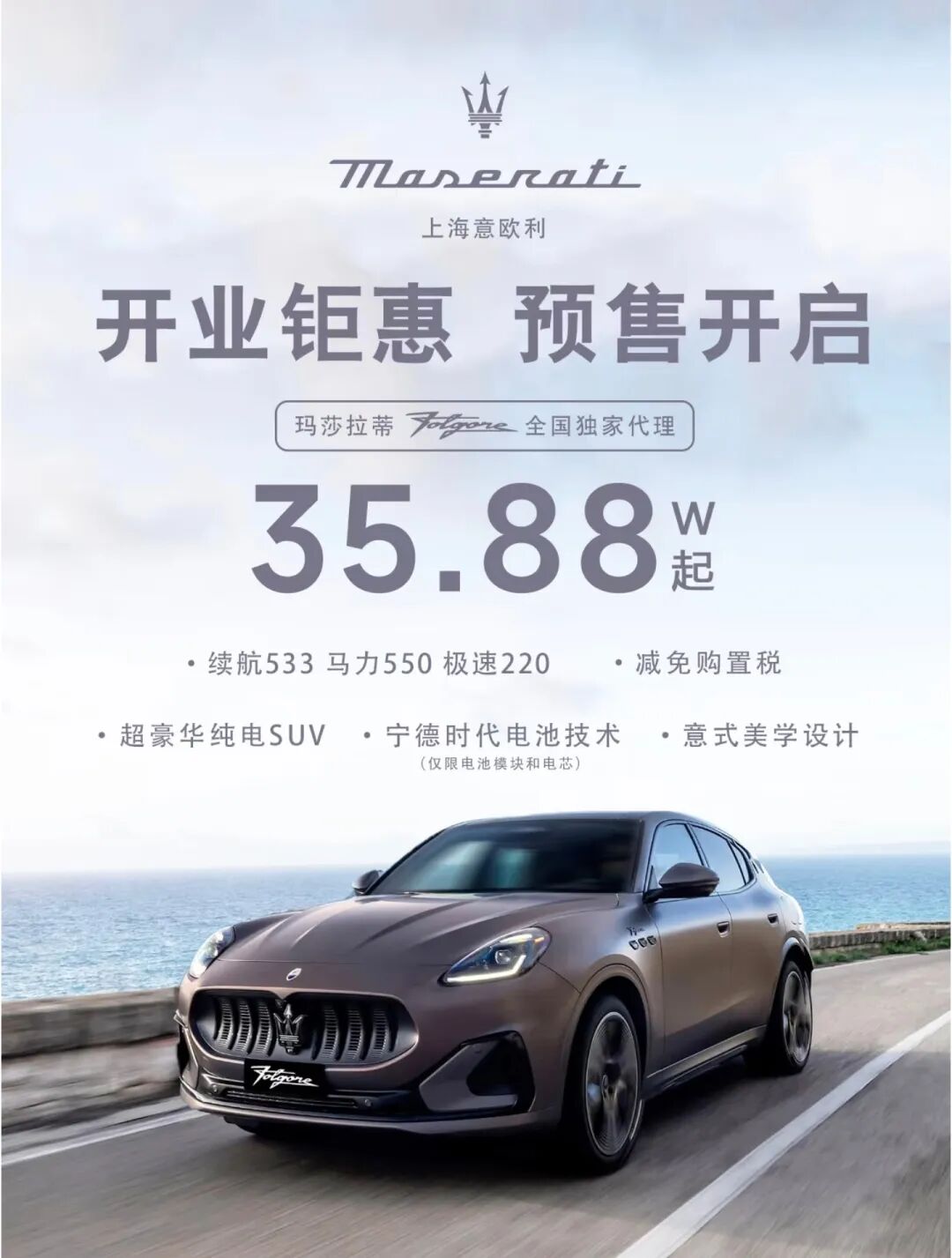
Core Viewpoint - Maserati, a century-old luxury brand, is attempting to revitalize its market presence with the introduction of the electric Grecale at a competitive price of 358,800 yuan, but faces significant challenges due to its historical mismanagement and reliance on parent company Fiat [2][49]. Group 1: Historical Context - Maserati was founded in 1914 and initially gained fame as a racing brand, competing with Audi, Mercedes, and Ferrari [9]. - The brand's identity shifted under Alejandro de Tomaso in the 1970s, who aimed to make Maserati more accessible with the Biturbo model, which ultimately diluted its luxury image [11]. - After several ownership changes, including a significant period under Fiat and later Ferrari, Maserati's brand value fluctuated, peaking in the late 2000s before facing financial difficulties [15][22]. Group 2: Recent Developments - The introduction of the electric Grecale has generated interest, with half of the initial stock selling out quickly, indicating a potential resurgence in demand [7][49]. - However, the brand's reliance on Chrysler components in recent models has led to quality issues, negatively impacting Maserati's reputation [31][29]. - The company is now shifting its strategy under new CEO Jean-Philippe Imparato, focusing on bespoke manufacturing and reducing the number of dealerships to enhance brand exclusivity [51][53]. Group 3: Market Challenges - Maserati's sales peaked at 51,500 units in 2017 but dropped to 34,900 units in 2018, a decline of 32.2% due to various market pressures, including regulatory changes and pricing strategies [42][47]. - The brand's failure to innovate and keep pace with competitors has resulted in a significant gap in product offerings, particularly in the luxury segment [39][40]. - The discontinuation of Ferrari's engine supply contract in 2019 marked a critical point in Maserati's decline, further complicating its recovery efforts [47].

这个知名超跑品牌要回归“出生地”,究竟发生了什么?
Zhong Guo Qi Che Bao Wang· 2025-05-23 08:58
Core Viewpoint - Maserati's production shift back to Modena is a strategic decision aimed at reinforcing the brand's heritage and enhancing its luxury positioning in the market [4][6][9]. Group 1: Production Shift - Stellantis announced that Maserati's production will move from the Mirafiori plant in Turin to Modena by the end of this year, marking a return to the brand's birthplace [4]. - The CEO of Maserati emphasized that relocating the production of GranTurismo and GranCabrio models to Modena is a proud strategic decision that combines industrial heritage with future development capabilities [4][6]. Group 2: Brand Reinforcement - The move to Modena is seen as a way to reshape Maserati's brand identity amidst challenges in the global automotive industry [5][6]. - Modena is recognized as a hub for luxury automotive manufacturing, housing several prestigious brands and possessing a strong industrial ecosystem [8]. Group 3: Market Impact - The relocation is expected to enhance Maserati's brand perception, as 78% of luxury car consumers believe that "country of origin" significantly influences their purchasing decisions [10]. - The presence of numerous automotive suppliers in Modena is likely to promote upgrades in the supply chain, benefiting Maserati's production capabilities [10]. Group 4: Future Prospects - Maserati's return to Modena aligns with Stellantis's electrification strategy, with plans for a pure electric GranTurismo production line [11]. - The strategy of balancing high-end model relocation with the retention of mass-market models at the Turin plant aims to address various operational challenges [11].
