品牌重塑

Search documents
锐步中国再度易主,一度超越耐克的品牌为何逐渐失势?|声动早咖啡
声动活泼· 2026-03-20 09:35
Core Viewpoint - Reebok, once a prominent brand in the athletic footwear market, has significantly lost its presence and market share over the years, raising questions about its potential revival under new management [4][12]. Historical Context - Reebok was founded in 1958 in the UK and gained initial recognition in the U.S. market in the late 1970s, particularly after receiving high ratings from Runner's World magazine [4][5]. - The brand capitalized on the aerobics trend in the 1980s, launching the Freestyle shoe, which led to a dramatic increase in revenue from $4 million in 1982 to $900 million in 1986, surpassing Nike at that time [6][7]. Acquisition and Decline - In 2005, Adidas acquired Reebok for $3.8 billion, hoping to strengthen its position against Nike in the U.S. market. However, Reebok's sales declined by 30% from 2006 to 2020, with annual sales around $1.6 billion, while Adidas's revenue nearly tripled [6][9]. - By 2021, Adidas sold Reebok to ABG for $2.5 billion, indicating a significant loss in brand value [6][9]. Market Dynamics - Reebok struggled to maintain its market position as Nike and Adidas focused on basketball and other sports, while Reebok's attempts to diversify into basketball and other competitive sports alienated its core female consumer base [8][11]. - The brand's loss of major sponsorships in North America further diminished its market presence, leading to a strategic shift in 2012 to focus solely on fitness [11][12]. Recent Developments - Under ABG's management, Reebok's sales reportedly surpassed $5 billion, with efforts to revive its basketball line and capitalize on nostalgia [12]. - However, in China, Reebok's presence remains weak, with previous management failing to establish a strong retail footprint, and new management faces challenges in revitalizing the brand [13].



本田在日本推出第六代CR-V混动版
日经中文网· 2026-02-27 08:00
Core Viewpoint - Honda is launching the sixth-generation CR-V hybrid model in Japan, aiming to reposition its brand towards the high-end market after struggling with low-profit small and light vehicles [2][8]. Group 1: Product Launch and Positioning - The sixth-generation CR-V hybrid was launched on February 27, 2024, with a starting price of 5,122,700 yen (approximately 225,439 RMB), positioning it as Honda's high-end SUV in Japan [2][4]. - The CR-V is a mid-size SUV measuring 4.7 meters in length, 1.865 meters in width, and 1.68 meters in height, with special editions priced at 5,779,400 yen (approximately 254,340 RMB) [5]. - Honda's CR-V is positioned as the highest-priced SUV in its lineup, competing against Toyota's RAV4 and Harrier models [5][6]. Group 2: Market Strategy and Sales Performance - Honda has received 2,200 orders for the CR-V, achieving 5.5 times its monthly sales target of 400 units, indicating a strong market response [6]. - The company aims to shift its sales structure away from a focus on low-margin small and light vehicles, which have dominated its offerings in Japan since the success of the N-BOX in 2011 [7]. Group 3: Financial Challenges and Future Plans - Honda's four-wheeled vehicle business is facing significant challenges, reporting a loss of 166.4 billion yen for the period from April to December 2025, compared to a profit of 402.6 billion yen in the same period the previous year [8]. - The company plans to introduce a flagship electric SUV model in 2027, with expectations of higher pricing in the Japanese market, aiming to reclaim lost high-end demand [8].


捷豹路虎中国换帅,首位全球董事会中国高管再获高升
Hua Er Jie Jian Wen· 2026-02-25 06:02
Core Viewpoint - Jaguar Land Rover has announced a leadership change in China, reflecting strategic adjustments in response to the competitive automotive market, particularly focusing on cost efficiency and financial health amid a challenging environment [2][6][13]. Group 1: Leadership Changes - Pan Qing has been promoted to Global Procurement Director while continuing as President of Jaguar Land Rover China, indicating recognition of his contributions in transforming the company into a global supply chain hub [3][4]. - Tim Howard, the new CEO for the China region, is expected to address operational challenges and enhance financial performance, marking a shift towards a value-driven approach in the company's strategy [6][7][9]. Group 2: Market Context - The Chinese luxury car market is facing intense competition from domestic high-end electric brands, leading to significant sales pressure on traditional luxury brands like Jaguar Land Rover [7][8]. - In 2025, Jaguar Land Rover experienced notable sales declines, with some months seeing year-on-year drops of up to double digits, highlighting the urgency for strategic changes [7][8]. Group 3: Strategic Focus - The company plans to focus resources on its four independent brand matrices: Range Rover, Defender, Discovery, and Jaguar, with an emphasis on profitability rather than market share [10]. - A restructuring of the dealer ecosystem is anticipated, moving away from inventory pressure tactics to a more transparent and sustainable financial management model [11]. - Financial discipline will be crucial in supporting the transition to electric vehicles, ensuring that profits generated in China can fund the brand's electric transformation without incurring excessive losses [12][13].
La-Z-Boy(LZB) - 2026 Q3 - Earnings Call Transcript
2026-02-18 14:32
Financial Data and Key Metrics Changes - Total delivered sales for the third quarter reached $542 million, an increase of 4% compared to the prior year [4][16] - GAAP operating margin was 5.5%, while adjusted operating margin was 6.1%, aligning with the high end of guidance [5][16] - Operating cash flow for the quarter was $89 million, up 57% from the previous year [5][20] - Diluted earnings per share were $0.52 on a GAAP basis and $0.61 on an adjusted basis [16][17] Business Line Data and Key Metrics Changes - Retail segment delivered sales increased by 11% to $252 million, driven by new and acquired stores [17] - Wholesale segment delivered sales grew by 1% to $367 million, supported by modest growth across most businesses [17] - Joybird's total delivered sales decreased by 3% to $36 million, reflecting a challenging consumer environment [18] Market Data and Key Metrics Changes - Same-store sales for the retail segment decreased by 4%, with trends improving in January before being impacted by adverse weather [5][6] - The company opened 4 new company-owned stores during the quarter, totaling 16 new stores in the last 12 months [4][10] - The total network of stores expanded to 374, with 60% being company-owned, the highest proportion in the company's history [10] Company Strategy and Development Direction - The company is focused on its Century Vision strategy, which includes expanding its retail footprint and enhancing brand reach through acquisitions [9][10] - A planned closure of the U.K. manufacturing facility is underway, with production expected to cease by the end of the fiscal year [14][15] - The company aims to leverage its vertically integrated model, producing approximately 90% of upholstered products in the U.S. [11][26] Management's Comments on Operating Environment and Future Outlook - The management acknowledged a challenging consumer environment but expressed confidence in the brand's resilience and ability to adapt [26] - The company expects fiscal fourth quarter sales to range between $560 million and $580 million, with adjusted operating margins between 7.5% and 9% [23][24] - Management remains cautious about the macroeconomic backdrop but is optimistic about future growth opportunities [26] Other Important Information - The company completed the sale of its Kincaid Upholstery business and signed a letter of intent for the sale of non-core wholesale casegoods businesses [8][15] - The distribution and home delivery transformation project is expected to improve wholesale margins by 50-75 basis points upon completion [11][12] Q&A Session Summary Question: Can you clarify the margin improvement base year? - Management indicated that the 75-100 basis points margin improvement is based on the trailing twelve months of enterprise results as of quarter two [32] Question: What are the implications of the distribution transformation for future operations? - Management emphasized that the transformation will enhance consumer experience and deliver bottom-line savings, while also improving operational efficiency [35][36] Question: How does the weather impact the fourth quarter guidance? - Management noted that while the consumer environment remains stable, recent weather events have created timing pressures that may affect Q4 performance [54][56] Question: What are the growth opportunities in the wholesale segment? - Management highlighted strategic partnerships as key to expanding brand reach, with a focus on quality partnerships rather than quantity [58][59] Question: What is the outlook for Joybird? - Management acknowledged the volatility in the Joybird segment but remains committed to right-sizing the business for profitable growth [60]

La-Z-Boy(LZB) - 2026 Q3 - Earnings Call Transcript
2026-02-18 14:32
Financial Data and Key Metrics Changes - Total delivered sales for the third quarter reached $542 million, an increase of 4% compared to the prior year [4] - GAAP operating margin was 5.5%, while adjusted operating margin was 6.1%, nearing the high end of guidance [5] - Operating cash flow for the quarter was $89 million, up 57% from the previous year [5][20] - Diluted earnings per share were $0.52 on a GAAP basis and $0.61 on an adjusted basis [16] Business Line Data and Key Metrics Changes - Retail segment delivered sales increased by 11% to $252 million, driven by new and acquired stores [17] - Wholesale segment delivered sales grew by 1% to $367 million, supported by modest growth across most businesses [17] - Joybird's total written sales decreased by 13% compared to the previous year, reflecting volatility in the consumer segment [7][18] Market Data and Key Metrics Changes - Same-store sales for the retail segment decreased by 4%, with traffic challenges partially offset by strong in-store execution [5] - Same-store sales trends were strongest in January before adverse weather impacted traffic [6] Company Strategy and Development Direction - The company is focused on expanding its retail footprint, having opened 16 new company-owned stores in the last 12 months [9] - Strategic initiatives include the integration of a 15-store acquisition and the planned closure of the U.K. manufacturing facility [8][14] - The company aims to grow its store network to over 400 locations and continues to pursue independent store acquisitions [10] Management's Comments on Operating Environment and Future Outlook - The management acknowledges a challenging consumer environment but remains optimistic about the brand's strength and future growth potential [26] - The company expects fiscal fourth quarter sales to be between $560 million and $580 million, with adjusted operating margins of 7.5% to 9% [23] - Management believes that the distribution and home delivery transformation project will yield significant long-term benefits [12][24] Other Important Information - The company completed the sale of its Kincaid Upholstery business and signed a letter of intent for the sale of non-core wholesale casegoods businesses [8][15] - The effective tax rate for the third quarter was 31.3%, up from 25.1% in the previous year, primarily due to nondeductible operating losses [19] Q&A Session Summary Question: Can you clarify the margin improvement referenced? - Management indicated that the 75-100 basis points improvement is based on the trailing twelve months of enterprise results as of quarter two [32] Question: What are the implications of the distribution transformation project? - Management expects the project to deliver bottom-line savings and enhance consumer experience, with broader delivery ranges [36] Question: How do weather impacts affect the fourth quarter guidance? - Management noted that while weather has impacted consumer engagement, they do not expect significant changes in the overall consumer environment [54] Question: What are the growth opportunities for Joybird? - Management acknowledged the volatility in the Joybird segment but remains committed to right-sizing the business for profitable growth [60] Question: How does the new U.K. setup affect future growth? - Management expressed optimism about the new partnership with DFS, which is expected to accelerate growth despite current macroeconomic challenges [68]
威富集团品牌重塑完成,中国市场扩张加速
Jing Ji Guan Cha Wang· 2026-02-13 22:08
Group 1 - The core focus of VF Corporation's recent activities is on the progress of its "Reinvent" brand restructuring plan and expansion in the Chinese market, with significant actions taken to revitalize The North Face brand and upgrade store networks in China [1] - The company opened its first Smartwool brand store in Beijing in January 2026, indicating an acceleration in localized operations [1] - These developments may influence market expectations regarding the company's long-term growth potential [1] Group 2 - VF Corporation's stock price exhibited significant volatility over the past week, with a trading range fluctuation of 7.77%, closing at $20.30 on February 13, 2026, reflecting a slight weekly decline of 0.20% [2] - Trading activity increased, with a volume of 7.02 million shares and a transaction value of approximately $142 million on February 12, indicating heightened short-term trading activity [2] - The apparel manufacturing sector saw a slight increase of 0.96% during the same period, slightly outperforming the broader market [2] Group 3 - Institutional interest in VF Corporation remains high, with market sentiment influenced by ratings and target prices; Telsey Advisory Group maintained a "Market Perform" rating with a target price of $16 as of January 28, 2026 [3] - Piper Sandler raised its target price from $14 to $18 on January 30, 2026, while maintaining a neutral rating [3] - The current average target price from institutions is $19.06, which is below the current stock price, reflecting cautious market sentiment regarding the effectiveness of the company's transformation efforts [3]

威富集团未来关注点:品牌重塑、中国市场与财务表现
Jing Ji Guan Cha Wang· 2026-02-11 21:36
Core Viewpoint - The company is undergoing a significant transformation through its "Reinvent" plan, which aims to restore growth and improve profitability, with a focus on key brands and market expansion, particularly in the Asia-Pacific region [2]. Recent Events - The "Reinvent" plan has entered its second phase, with restructuring actions largely completed by the end of the first quarter of fiscal year 2026. The focus will be on whether this plan can continue to drive the recovery of key brands like Vans and The North Face in major markets, especially through initiatives such as upgrading store networks and establishing membership centers in China [2]. Performance and Operations - The company released its mid-year report for fiscal year 2026 on October 28, 2025. Market attention will be on subsequent quarterly and annual financial reports to assess actual progress in revenue growth, profitability improvement, and debt structure optimization [3]. Brand Market Activities - The company is actively expanding in the Chinese market, having opened the first national store for the Smartwool brand in Beijing in January 2026. Future focus will be on the localization of brands like The North Face and Vans in China, store network expansion, and consumer response [4]. Institutional Perspectives - Institutional views can influence market sentiment. For instance, Telsey Advisory Group maintained a "market perform" rating for the company on January 28, 2026. Future adjustments in ratings or target prices by other significant institutions will also be noteworthy [5].
春节前集体闭店!小南国上海门店拟售8家、2家更名重启
Guo Ji Jin Rong Bao· 2026-02-11 10:44
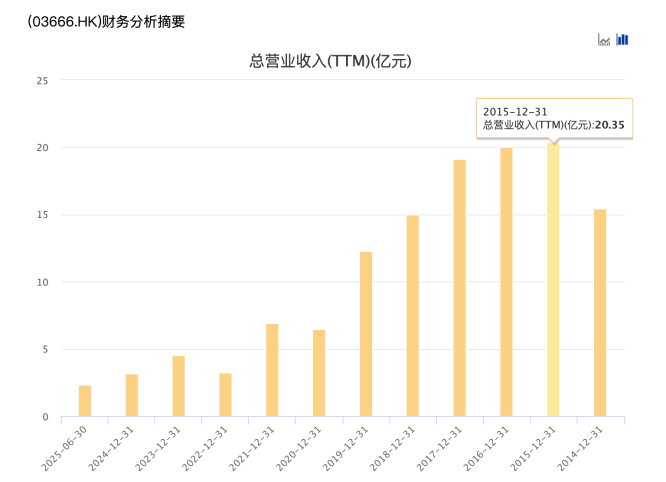
Core Viewpoint - Shanghai Xiao Nan Guo, a well-known dining brand, is facing significant operational challenges, including the closure of all its restaurants in Shanghai, which has led to a substantial drop in its stock price and raised concerns among consumers regarding refunds and the brand's future [2][4][5]. Group 1: Company Operations - The company announced the closure of 10 restaurants in Shanghai as part of a strategy to streamline operations and reduce financial losses, reallocating resources to core markets [4][9]. - The sudden closure occurred just before the Chinese New Year, disrupting consumer dining plans and raising refund concerns for deposits made for holiday meals [5][9]. - The company clarified that it is processing refunds for deposits and that prepaid card funds are secured in a designated account, ensuring customers can receive their refunds [4][5]. Group 2: Financial Performance - Shanghai Xiao Nan Guo's revenue has significantly declined since 2017, with reported revenues of approximately 3 billion yuan in 2024 and a net loss of 85 million yuan [9]. - The company's debt situation is critical, with an asset-liability ratio of 251%, indicating severe financial distress [9]. - To alleviate financial pressure, the company plans to sell 8 of its 10 Shanghai restaurants for $100,000, which is a contributing factor to the recent closures [9][10]. Group 3: Brand Evolution - Founded in 1987, Shanghai Xiao Nan Guo was once a leading brand in high-end local cuisine, achieving over 2 billion yuan in revenue at its peak in 2015 [7]. - The brand is undergoing a transformation, with plans to rebrand two remaining restaurants as "Ching Ching," targeting a younger demographic [10][12]. - The operational status of the company's headquarters has been reported as vacant, indicating a significant reduction in workforce and activity [5].
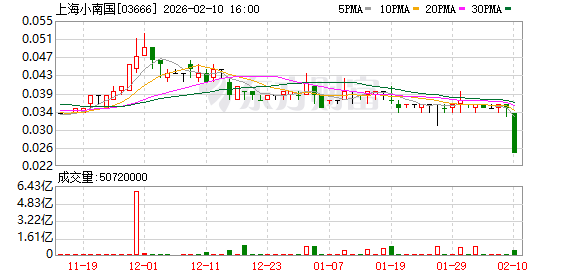
太突然!被曝集体闭店 股价大跌超28%!知名上市公司回应
Zhong Guo Ji Jin Bao· 2026-02-10 16:30
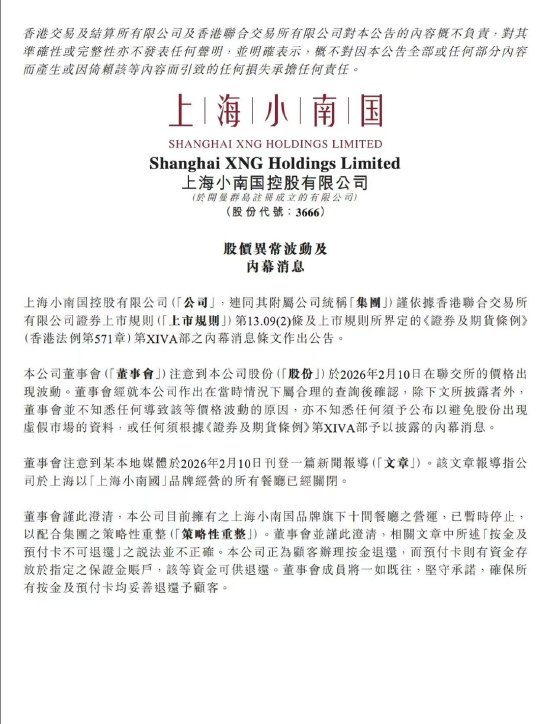
Core Viewpoint - Shanghai Xiao Nan Guo announced the temporary closure of ten restaurants as part of a strategic restructuring plan, ensuring customer refunds for deposits and prepaid cards [2][4]. Group 1: Company Operations - The company has temporarily halted operations of ten restaurants under the Shanghai Xiao Nan Guo brand to facilitate a strategic restructuring [4]. - The board clarified that reports of all restaurants being closed were inaccurate, and the company is actively processing refunds for deposits and prepaid cards [4]. - The restructuring is part of an ongoing portfolio reorganization aimed at streamlining operations and reallocating resources to core markets [4]. Group 2: Financial Performance - Shanghai Xiao Nan Guo has been experiencing continuous losses since the beginning of 2023, with current liabilities amounting to approximately 247 million yuan as of June 2025 [5]. - The company plans to sell its Hong Kong restaurant group for $100,000, retaining only two restaurants in Shanghai, which are set to reopen under the "Ching Ching" brand in mid-May [5]. Group 3: Market Context - The temporary closure reflects the ongoing lack of profitability in the mainland Chinese restaurant business, aiming to reduce financial losses in a challenging operating environment [4]. - The company aims to enhance resource allocation efficiency and implement a comprehensive business restructuring and brand revitalization plan to align with evolving consumer preferences [4].
上海小南国正式回应“在沪门店全线停摆”:正在为顾客办理押金退还事宜
Xin Lang Cai Jing· 2026-02-10 14:23
Core Viewpoint - The company "Shanghai Xiao Nan Guo" has temporarily suspended operations of its ten restaurants to facilitate a strategic restructuring aimed at reducing financial losses in a challenging business environment [2][5]. Group 1: Operational Changes - The company has announced the temporary halt of operations for its ten restaurants under the "Shanghai Xiao Nan Guo" brand [2][5]. - The company is addressing customer concerns regarding the non-refundable deposits and prepaid cards, clarifying that these funds are held in a designated escrow account and are available for refunds [2][5]. Group 2: Strategic Restructuring - The strategic restructuring is part of a broader plan intended to enhance operational efficiency, improve product and service quality, and reduce costs [2][5]. - The company aims to focus on improving resource allocation efficiency and implementing a comprehensive business restructuring and brand revitalization plan [2][5].