瓶装炸酱

Search documents
从吃什么到怎么吃,体验与场景重构团圆味儿
Xin Jing Bao· 2026-02-12 07:26
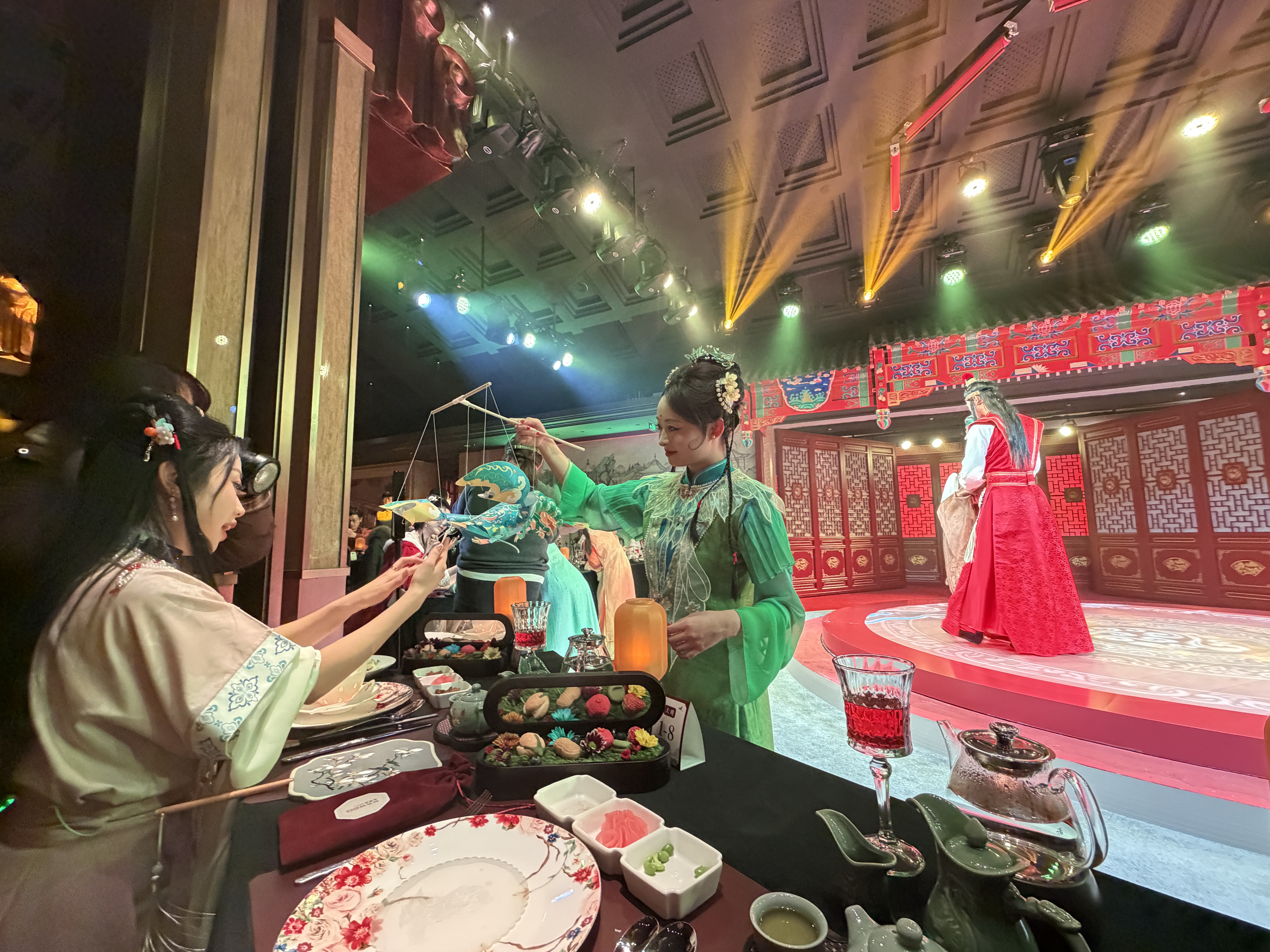
Core Insights - The dining experience during the Spring Festival is evolving from mere sustenance to a focus on cultural immersion, aesthetic space, and ritualistic experiences, with consumers prioritizing how they eat over what they eat [1][2][8] - High-end hotels and traditional brands are collaborating to create unique dining experiences that blend cultural elements with modern culinary techniques, appealing to younger consumers seeking novelty and engagement [3][4][5][8] Group 1: Dining Experience Transformation - The traditional family reunion dinner is shifting towards an experiential model, where cultural themes and interactive elements are central to the dining experience, as exemplified by the "Dream of the Red Chamber" immersive dining event [2][8] - Consumers are increasingly valuing the atmosphere and cultural interaction during meals, leading to a rise in smaller group dining orders compared to traditional large family gatherings [4][8] Group 2: Brand Innovations and Collaborations - Brands like Wangshun Pavilion and Beijing Guomao Hotel are innovating by integrating traditional flavors with modern culinary practices, creating unique menus that attract younger demographics [3][4][5] - Quanjude is launching over 30 new products for the Spring Festival, with 50% being new offerings aimed at younger consumers, emphasizing convenience and cultural significance [5][8] Group 3: Market Trends and Consumer Behavior - The demand for dining experiences has shifted from basic needs to higher-order desires for cultural and emotional value, with younger consumers leading this trend [8] - The integration of dining with cultural and retail experiences is becoming mainstream, as seen in various successful collaborations across the industry [8]

从吃什么到怎么吃,体验与场景重构团圆味儿|年货新趋势
Bei Ke Cai Jing· 2026-02-12 07:25
Group 1 - The core viewpoint of the articles highlights a transformation in the Chinese New Year dining experience, shifting from mere sustenance to an immersive cultural and experiential focus, where atmosphere, cultural significance, and scene-setting are prioritized by consumers [1][15] - The dining experience is evolving with offerings such as the "Dream of Red Mansions" immersive dining show, which combines classical literature with culinary experiences, allowing diners to engage in interactive storytelling while enjoying traditional dishes [2][6] - High-end hotels and traditional brands are collaborating to create unique dining experiences, such as the "Beijing Flavor" tasting menu that merges traditional Chinese ingredients with Western cooking techniques, reflecting a trend towards differentiated dining options [7][15] Group 2 - The consumer demographic for New Year dining is shifting towards younger groups, particularly those aged 20 to 45, who seek unique cultural experiences and strong emotional connections during festive meals [6][15] - The trend of "dining + food" is gaining traction, with traditional brands like Quanjude launching portable and snackable products that cater to various social settings, thus expanding their market reach beyond traditional dining [8][13] - The overall dining landscape is witnessing a fusion of various sectors, with examples like "dining + culture," "dining + food retail," and "dining + tourism," indicating a broader trend of industry integration and collaboration [15]