生肖文创

Search documents
年货出海,“中国红”正当潮
Ren Min Ri Bao Hai Wai Ban· 2026-02-27 02:31
Core Insights - The article highlights the global popularity of Chinese New Year products, showcasing how items like lanterns, flowers, and traditional clothing are being sold overseas, enhancing cultural exchange and fulfilling the nostalgia of overseas Chinese [1][2]. Group 1: Market Trends - The demand for Chinese New Year goods has surged, with orders for these products increasing by 20-30% compared to the previous year, indicating a growing interest not only among Chinese expatriates but also among local populations in various countries [2]. - The logistics of exporting these goods have improved significantly, with cold chain logistics ensuring the freshness of products like flowers, which are transported efficiently to destinations such as Kazakhstan [3][4]. Group 2: Cultural Exchange - The article emphasizes the cultural significance of these products, noting that items like lanterns serve as symbols of nostalgia for overseas Chinese and as tangible representations of Chinese culture for foreign friends [2]. - In various countries, traditional Chinese cultural elements are being integrated into local festivities, with products like zodiac-themed decorations and traditional crafts gaining popularity among non-Chinese consumers [7][8]. Group 3: Logistics and Distribution - The use of the China-Europe Railway Express has been highlighted as a cost-effective and efficient method for transporting goods, reducing shipping time by 20 days compared to sea freight and lowering costs by two-thirds compared to air freight [4]. - The establishment of a comprehensive cold chain logistics system has facilitated the export of a wide variety of fresh products, paving the way for future growth in the market for fresh produce in Central Asia [5].
年货出海,“中国红”正当潮(环球热点)
Ren Min Ri Bao· 2026-02-26 22:39
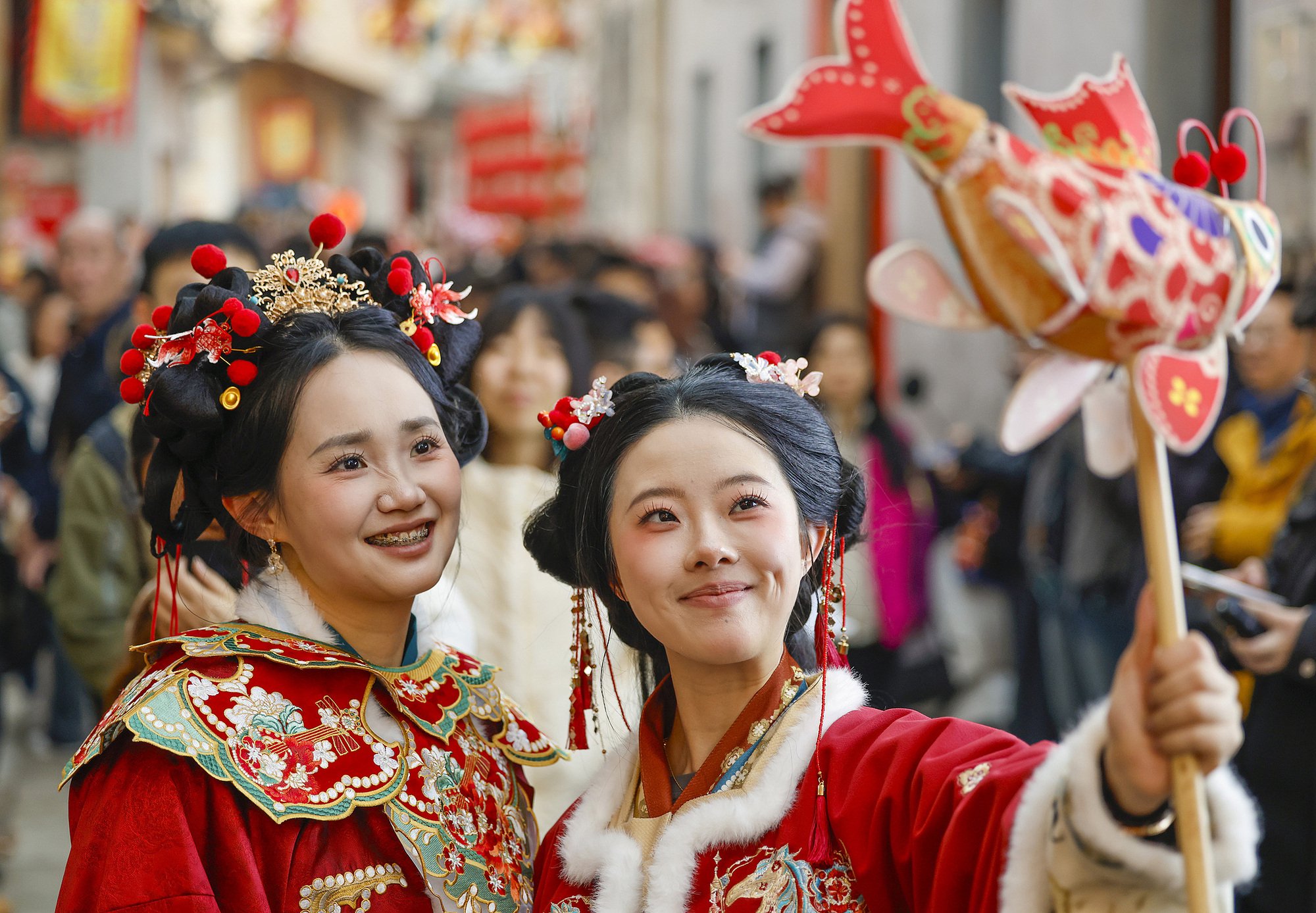
Core Insights - The article highlights the global celebration of the Chinese New Year, showcasing the increasing popularity of Chinese cultural products and festive goods overseas, facilitated by efficient cross-border logistics and cultural exchanges [1][2]. Group 1: Cultural Exchange and Market Growth - The demand for traditional Chinese New Year items, such as lanterns and decorations, has surged, with orders increasing by 20-30% compared to the previous year, indicating a growing interest from both Chinese expatriates and local populations in foreign markets [2]. - The collaboration between local manufacturers and overseas live-streaming teams has opened new avenues for promoting Chinese cultural products, enhancing their visibility and appeal in international markets [2]. - Cultural items like red envelopes and zodiac-themed products are becoming increasingly popular among foreign consumers, reflecting a broader acceptance and integration of Chinese traditions into daily life [8]. Group 2: Logistics and Supply Chain Efficiency - The use of cold chain logistics has significantly improved the export of fresh products, such as flowers, ensuring they remain fresh during transit and reaching international markets efficiently [3][6]. - The China-Europe Railway Express provides a cost-effective and timely transportation solution for various New Year goods, reducing shipping time by 20 days compared to sea freight and lowering costs by two-thirds compared to air freight [4]. - The expansion of cross-border logistics networks is facilitating the export of a wider range of fresh products, including fruits that are scarce in Central Asia, thereby enhancing market opportunities [6]. Group 3: Cultural Products and Consumer Trends - The popularity of traditional clothing, such as Hanfu, is rising among younger consumers, driven by cultural influences from media and social platforms, indicating a shift in fashion trends towards traditional Chinese aesthetics [7]. - Cultural activities and experiences, such as traditional games and calligraphy, are attracting interest from international audiences, further promoting cultural exchange and appreciation [8]. - The integration of Chinese customs into everyday life in foreign countries is becoming more common, with local consumers adopting practices like using incense and drinking tea, showcasing the deepening cultural ties [8].
晶采观察丨四大新变化!解锁2026马年“新年味”
Xin Lang Cai Jing· 2026-02-21 01:51
Group 1 - The core viewpoint of the article highlights the evolving nature of the Chinese New Year celebrations, emphasizing the integration of technology, innovation by younger generations, and a shift towards more sustainable practices [1][3][5] Group 2 - The first notable trend is the deep integration of technology into the New Year celebrations, with AI assisting in product selection for goods, smart kitchen appliances aiding in meal preparation, and even older generations using smart speakers for entertainment [3][4] - The second trend is the revitalization of traditional customs by younger people, who are engaging in activities like visiting non-heritage markets and creating innovative products that reflect cultural significance, such as creative versions of traditional decorations [4] - The third trend is the increasing emphasis on sustainability, with a shift in dietary preferences towards healthier options and a preference for low-carbon transportation methods during visits, reflecting a growing awareness of environmental issues [5] - The fourth change is a more relaxed approach to the New Year, with people valuing time spent with family and friends over hurried celebrations, indicating a deeper understanding of the essence of reunion [5]